

PORTO
The only Portuguese surf city with a metro to the lineup — Porto runs Line A from city centre to Matosinhos beach in 30 minutes for €1.80, with cleaner peaks 20min south at Espinho.
About Porto
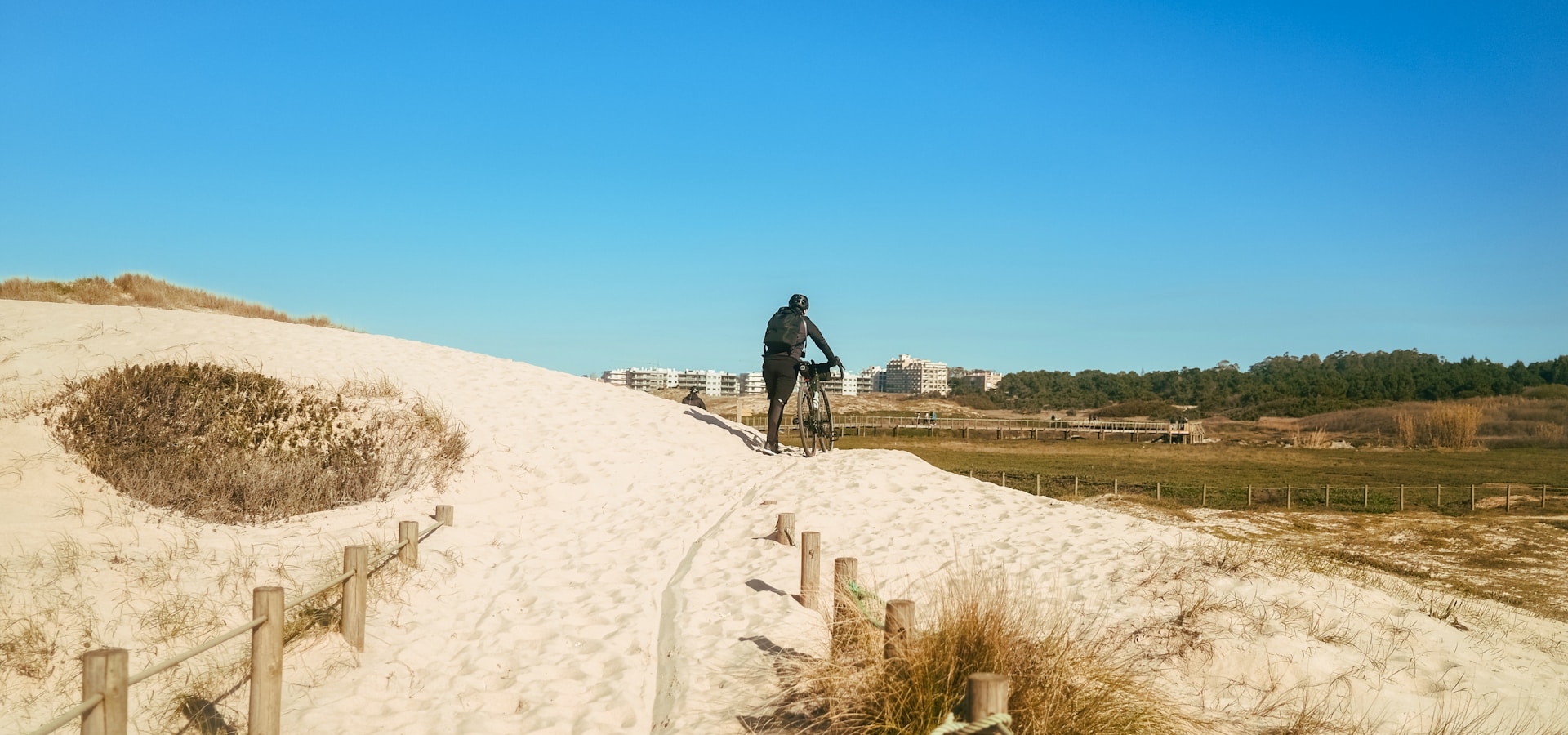
Porto is northern Portugal's surf capital and the country's only city where a metro line drops you on the sand. Line A (blue) runs from downtown to Matosinhos in 30 minutes — a long sand-bottom beach break where every school sets up.
South of the Douro, Espinho picks up cleaner intermediate peaks, and Furadouro delivers sandy A-frames when the swell stacks. Colder water than Lisbon, more consistent winter swell, and port wine lodges across the river.
Surf level
| Skill level | Jan-Feb | Mar-Apr | May-Jun | Jul-Aug | Sep-Oct | Nov-Dec |
|---|---|---|---|---|---|---|
| Beginners | ||||||
| Intermediate | ||||||
| Advanced |
- Best time to go
- Good time to go
- Ok time to go
- Less desirable time to go
- Not recommended time to go
Weather & Travel Comfort


| Metric | Jan-Feb | Mar-Apr | May-Jun | Jul-Aug | Sep-Oct | Nov-Dec |
|---|---|---|---|---|---|---|
| Weather | ~8–15°C | ~11–19°C | ~16–25°C | ~19–28°C | ~16–23°C | ~9–16°C |
| Rainy days | 11d | 10d | 7d | 5d | 9d | 12d |
| What to Pack |  Water Temperature~13°C Water Temperature~13°C | Water Temperature~14–15°C | Water Temperature~16–19°C | Water Temperature~21°C | Water Temperature~18–20°C | Water Temperature~14–16°C |
- Boots if neededFor cold water or reef breaks
- Full protection wetsuitCold water
- Shorty / springsuitMild conditions
- No wetsuitWarm water
Tips for Surfing Porto
Portugal's second city sends you twenty minutes by Metro Line A to Matosinhos, but heavy rain flushes the port and pushes everyone south to Espinho. The four tips below cover the metro routine, when to drive south instead, and the local comp crews to give space.

Take Metro to Matosinhos
Beginners: ride Line A to Matosinhos. Group lessons run €30–€40 for 2 hours.

Skip Matosinhos After Rain
Heavy rain flushes the port nearby — drive 20 minutes south to Espinho instead.

Wetsuit by Season
4/3mm + boots December–March (water 13°C), 4/3mm spring/autumn, 3/2mm July–September.

Respect Local Comp Crews
Espinho hosts national contests — give the inside peak to local groms training heats.
Frequently Asked Questions
When is the best time to surf in Porto?
Skill drives the answer. Beginners score from June to August at Matosinhos, when 2–4ft mush and 21°C water make for forgiving sessions. Intermediates peak in May and September — clean shoulder swell, smaller crowds, water still warm. Advanced surfers come November through March for 4–10ft NW swell at Espinho, Furadouro and Matosinhos, with E offshore winds grooming the banks at dawn.
Is Porto good for beginners?
Yes — at the right spot and the right time of year. Matosinhos is a long sand-bottom beach reached by the blue Metro Line A from the city centre, and schools cluster here from May through September when waves stay waist-to-shoulder high. Skip it in winter when 6ft sets close out the inside, and avoid the harbour end after heavy rain. Espinho is the back-up when Matosinhos crowds up.
How big do the waves get in Porto?
Waves run 2–4ft most of summer and 4–10ft from November to March. Espinho and Furadouro absorb the bigger NW pulses with cleaner banks than the urban beach, and Matosinhos sizes up to head-high on solid winter days. Anything above 8ft tends to close out the city beach — that's when locals drive 20 minutes south to find more defined sandbars.
Do I need a wetsuit to surf in Porto?
Yes — and bring the warmest one you own. Water sits between 13°C in February and 21°C in August, the coldest of any surf region in Portugal. A 4/3 fullsuit plus 3mm boots is standard kit December through March, a 4/3 without boots covers spring and autumn, and a 3/2 works July through September. Most rental shops include a 4/3 with lesson packages in the colder months.
How do I get to Porto from Lisbon?
Take the CP Alfa Pendular train from Lisboa Oriental to Porto Campanhã — 2h 50min, tickets from €25 booked ahead. From Porto Campanhã, ride the metro four stops to Trindade and switch to blue Line A for Matosinhos beach. Alternatively, fly direct into Porto Airport from most European cities and take the same Line A straight to the coast in 25 minutes for €2.55.
Where should I stay in Porto for surfing?
Stay in Porto city centre if you want the city-and-surf combo — Ribeira hostels, port lodges across the Douro, and Metro Line A to Matosinhos in 30 minutes. Pick Foz do Douro for a quieter riverside base walkable to the urban beach. Espinho is the surf-first option: 200m from cleaner beach-break peaks, with a 30-minute train back into Porto whenever you want city time.
Other regions in Portugal
 2
2 1
1

The Ultimate Guide to Surfing in Porto
Why Porto works for the city-and-surf combo
No other surf town in Portugal hands you a metro card and a 30-minute ride to the lineup. Porto does. The blue Metro Line A runs from Trindade station in the city centre out to Matosinhos, the urban surf beach, every 10 minutes for €1.80. Step off at the Matosinhos terminus and the sand is a four-block walk. That single piece of infrastructure is why Porto is the easiest weekend surf trip in Portugal — you can stay in a Ribeira riverside hostel, sip port across the Douro at sunset, and still paddle out at first light without renting a car. The trade-off: water is the coldest of any Portuguese surf region (down to 13°C in February), the winter swell is heavier than Lisbon's, and the breaks favour intermediates and advanced over absolute beginners outside summer.
Porto surf spots by skill level
Matosinhos is the urban beach and the metro stop. Long sand-bottom break, multiple shifting peaks, A-frame shape on a clean NW swell with E offshore. Water can turn dirty after heavy rain — the harbour discharge sits at the north end, so paddle out toward the southern groynes. Beginners and improvers all summer; intermediates on bigger winter days.
Espinho, 20km south of Porto, is the cleaner option. Long beach break with more defined banks, picks up more swell, and hosts national surf contests from the local club. Trains run from Porto São Bento in 30 minutes. Intermediates and advanced on solid NW pulses; mellow peaks for improvers when small.
Esmoriz, a few kilometres further south of Espinho, is the quieter alternative — same beach-break setup, fewer crowds, and parking right above the sand. Improvers to intermediates.
Furadouro sits 10km south of Esmoriz and throws sandy peaks that hold size when the bigger systems land. Best on medium NW swell with NE wind, sand bottom, fewer schools. Intermediates working into bigger water.
Praia do Aterro, between Matosinhos and Espinho, is the lesser-known sandbar that lights up briefly when banks line up — worth a check on small-to-medium days. Mixed.
Vila Nova de Gaia beaches, immediately south of the Douro mouth, run quieter and less developed than Matosinhos. Sand-bottom peaks, easy parking, fewer surfers. All levels depending on size.
When to surf Porto: month-by-month
November to March is the heavy season. Waves run 4–10ft on stacked NW Atlantic swell, water cools from 15°C in November to 13°C in February, and the rain rolls in on 11 to 12 days a month. Crowds thin out. This is when Espinho and Furadouro earn their reputation, and Matosinhos sizes up to chest-and-head. April to June is the shoulder — 3–5ft swell, water climbing from 14°C to 19°C, and the schools at Matosinhos start filling up. July and August are beginner season: 2–4ft mush at Matosinhos, water at 20–21°C (the warmest it gets all year), and the nortada northerly blowing the exposed beaches out by midday. September is the local pick — water still 20°C, swell rebuilding, and the August holiday crowd gone home.
Where to stay in Porto
Porto city centre (Baixa, Ribeira, Cedofeita) is the obvious pick if you want the city-and-surf combo. Walk to port lodges and tile-fronted churches in the morning, ride Metro Line A to Matosinhos for an afternoon session. Higher prices, lots of hostel options. Foz do Douro sits on the river mouth where the Douro meets the Atlantic — riverside cafes, walkable to Matosinhos along the boardwalk in 20 minutes, lower density than the centre. Vila Nova de Gaia is across the river, home to the famous port lodges (Sandeman, Taylor's, Graham's), with quieter beaches just south. Espinho is the surf-first play: skip the city, stay 200m from a better beach break, and ride the train into Porto when you want a night out.
How to get to Porto from Lisbon (or Europe)
Porto Airport (Francisco Sá Carneiro) sits 30 minutes from the coast and takes direct flights from London, Dublin, Berlin and most European hubs. From the airport, the same blue Metro Line A runs straight to Matosinhos in about 25 minutes for €2.55 — no transfer needed. From Lisbon, the CP Alfa Pendular train takes 2h 50min from Lisboa Oriental to Porto Campanhã, with tickets from €25 booked ahead. Within the region, trains from Porto São Bento run to Espinho every 30 minutes for around €2.50.
Surf schools, gear rentals and local culture
Three operators anchor the lesson scene: Surf in Porto and Porto Surf School at Matosinhos, plus Onda Pura down at Espinho — useful reference points whether you book with them or elsewhere. Board rentals run €15–€25/day for soft-tops and €25–€35/day for performance shortboards. Wetsuit rental is essential year-round here: budget €10/day for a 4/3 in winter.
A cultural note: Porto's surf identity grew out of working-class Matosinhos rather than a tourism wave. The lineup feels older, less posed than Ericeira or the Algarve, and locals appreciate quiet competence over flash. Post-session, walk inland from Matosinhos beach to the grilled-fish restaurants on Rua Heróis de França — it's the densest concentration of charcoal-grill seafood in Iberia. For the calorie reload, order a francesinha: Porto's signature meat-and-cheese sandwich drowned in beer-and-tomato gravy. Then catch the metro back across the Douro for a port tasting at sunset.