

ALENTEJO
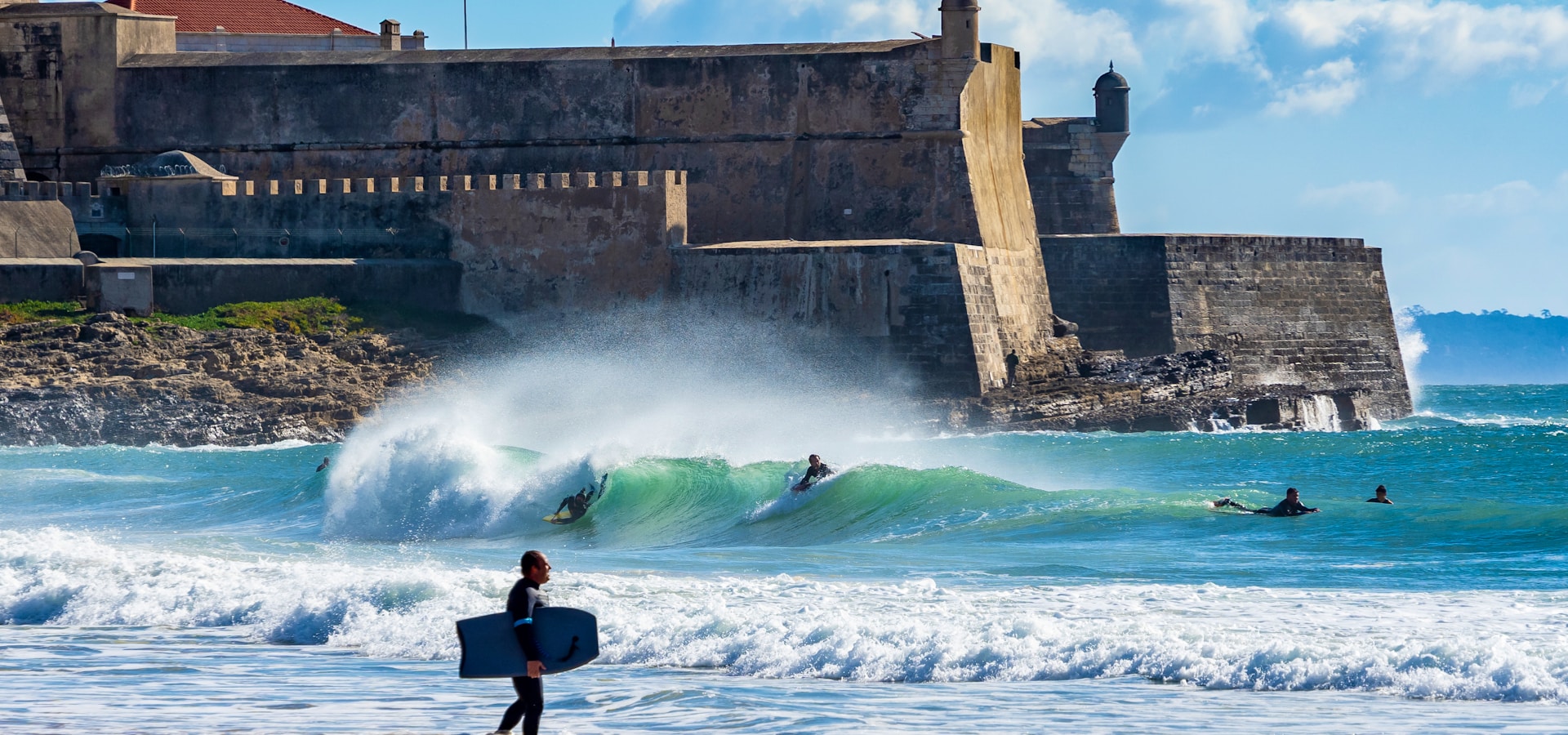
Portugal's emptiest surf coast — 100km of protected Costa Vicentina beaches 2.5h south of Lisbon, with 6+ uncrowded breaks around Vila Nova de Milfontes.
About Alentejo
Alentejo runs 100km down Portugal's southwest coast, entirely inside the Costa Vicentina Natural Park — a no-build zone that froze development in 1995 and left the beaches empty. Vila Nova de Milfontes is the surf hub, a working fishing village 150km south of Lisbon.
The signature wave is Praia do Malhão, a long sand-bottom beach break with consistent intermediate peaks. Crowds and schools are the lowest of any major Portuguese surf region.
Surf level
| Skill level | Jan-Feb | Mar-Apr | May-Jun | Jul-Aug | Sep-Oct | Nov-Dec |
|---|---|---|---|---|---|---|
| Beginners | ||||||
| Intermediate | ||||||
| Advanced |
- Best time to go
- Good time to go
- Ok time to go
- Less desirable time to go
- Not recommended time to go
Weather & Travel Comfort


| Metric | Jan-Feb | Mar-Apr | May-Jun | Jul-Aug | Sep-Oct | Nov-Dec |
|---|---|---|---|---|---|---|
| Weather | ~11–16°C | ~13–20°C | ~18–25°C | ~22–28°C | ~18–24°C | ~12–17°C |
| Rainy days | 10d | 8d | 4d | 1d | 6d | 10d |
| What to Pack |  Water Temperature~13–14°C Water Temperature~13–14°C | Water Temperature~14–15°C | Water Temperature~17–19°C | Water Temperature~21°C | Water Temperature~18–20°C | Water Temperature~14–16°C |
- Boots if neededFor cold water or reef breaks
- Full protection wetsuitCold water
- Shorty / springsuitMild conditions
- No wetsuitWarm water
Tips for Surfing Alentejo
Portugal's wildest stretch packs forty kilometres of empty Atlantic between Carvalhal and Odeceixe, but Costa Vicentina's national-park rules and the lack of buses catch most visitors out. The four tips below are what to know before driving in.

Start at Praia das Furnas
Beginners: head to Praia das Furnas. Group lessons run €30–€40 for 2 hours.

Drive to the Swell
Rent a car — breaks span 40km from Carvalhal to Odeceixe, with no bus link.

Wetsuit by Season
3/2mm June–October, 4/3mm November–May. Boardshorts work briefly in August at Odeceixe.

Respect the Park
Park only at marked lots inside Costa Vicentina — fines run €60+ for off-track driving.
Frequently Asked Questions
When is the best time to surf in Alentejo?
Skill drives the answer. Beginners score from June to August at Praia das Furnas, with 2–4ft mush and 20–21°C water. Intermediates peak in April, September and October — clean shoulder swell, the smallest crowds of the year, and warm water lingering into autumn. Advanced surfers come December through February for 4–10ft NW swell at Malhão and Almograve, with E offshores grooming the sand-bottom peaks at dawn.
Is Alentejo good for beginners?
Yes — and uniquely so for Portugal because lineups stay tiny. Praia das Furnas, at the Mira river mouth just south of Vila Nova de Milfontes, builds gentle sand banks that produce forgiving whitewater through summer. Schools cluster there from June to October. Avoid Malhão and Almograve in your first week unless conditions are knee-high; they pick up more swell than the protected coves and close out fast.
How big do the waves get in Alentejo?
Waves run 2–4ft most of summer and 4–10ft from October to March. Praia do Malhão holds clean head-and-a-half peaks on a NW swell, Praia do Almograve absorbs double-overhead winter pulses, and Praia de Odeceixe stays rideable up to 6ft with its wind-protected south corner. Small days send everyone to Furnas and the inside at Zambujeira do Mar.
Do I need a wetsuit to surf in Alentejo?
Yes, almost year-round. Water sits between 13°C in February and 21°C in August. A 3/2 fullsuit covers June through October, while a 4/3 handles November through May. Brave surfers wear boardshorts for a week or two in peak August at Odeceixe, where the south-facing aspect lets the water warm an extra degree. Boots and gloves are unnecessary unless you stay long sessions in February.
How do I get to Alentejo from Lisbon?
Take the Rede Expressos bus from Sete Rios station in Lisbon to Vila Nova de Milfontes. Three to four daily departures, about 3 hours, tickets around €18 one way. Driving the A2 plus A26 takes 2.5 hours with €15-€20 in tolls each way and is the smarter option since no coastal bus connects the smaller villages. From the south, Faro airport sits about an hour from Odeceixe.
Where should I stay in Alentejo for surfing?
Stay in Vila Nova de Milfontes if you want cafes, a working harbour and 10-minute drives to Malhão, Furnas and Almograve — most trips work best here. Pick Zambujeira do Mar for a smaller, more atmospheric clifftop village with lower shoulder-season pricing and its own beach below town. Almograve is the quietest of the three: walkable to its beach, but plan on a car for every other break.
Other regions in Portugal
 2
2 1
1
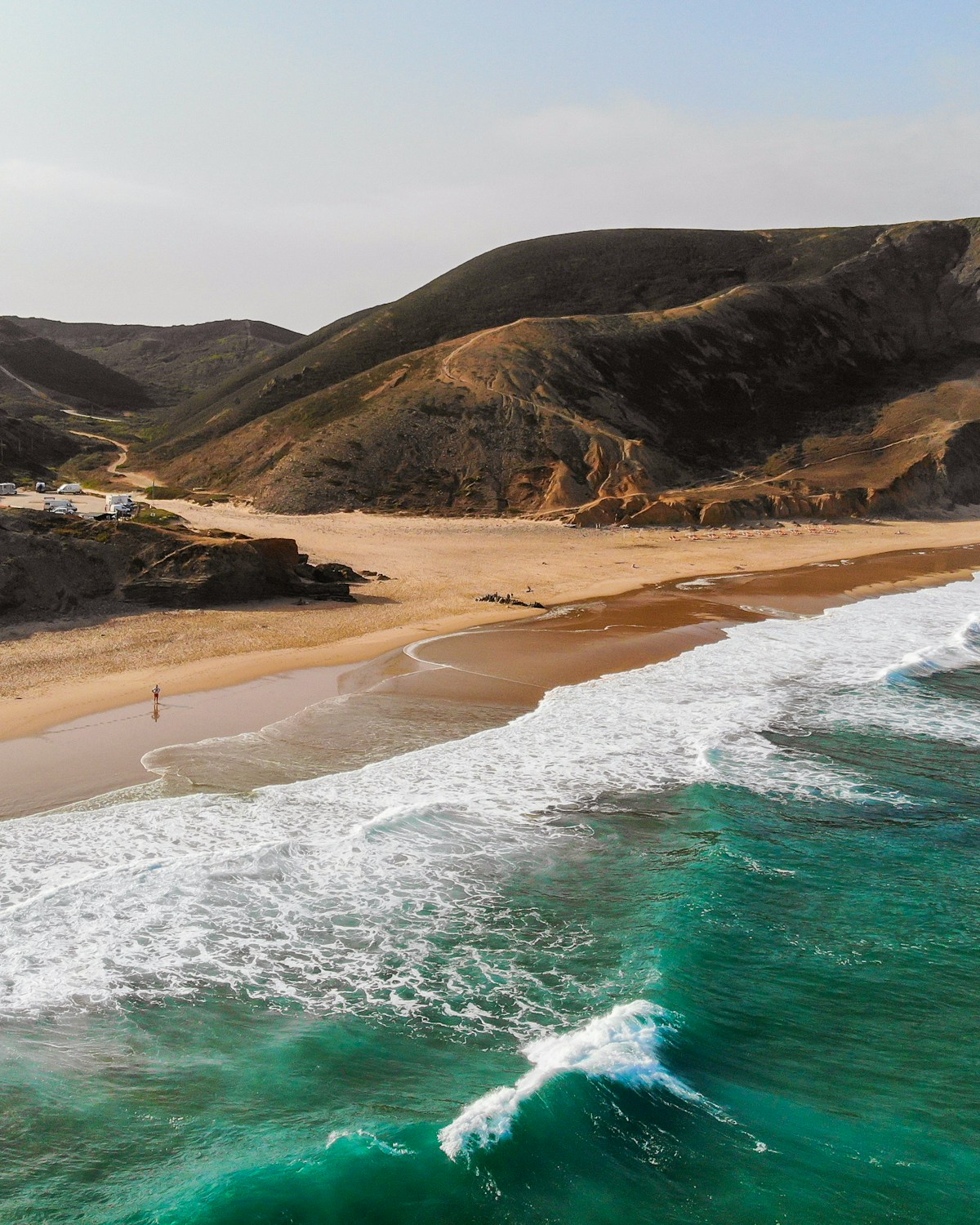
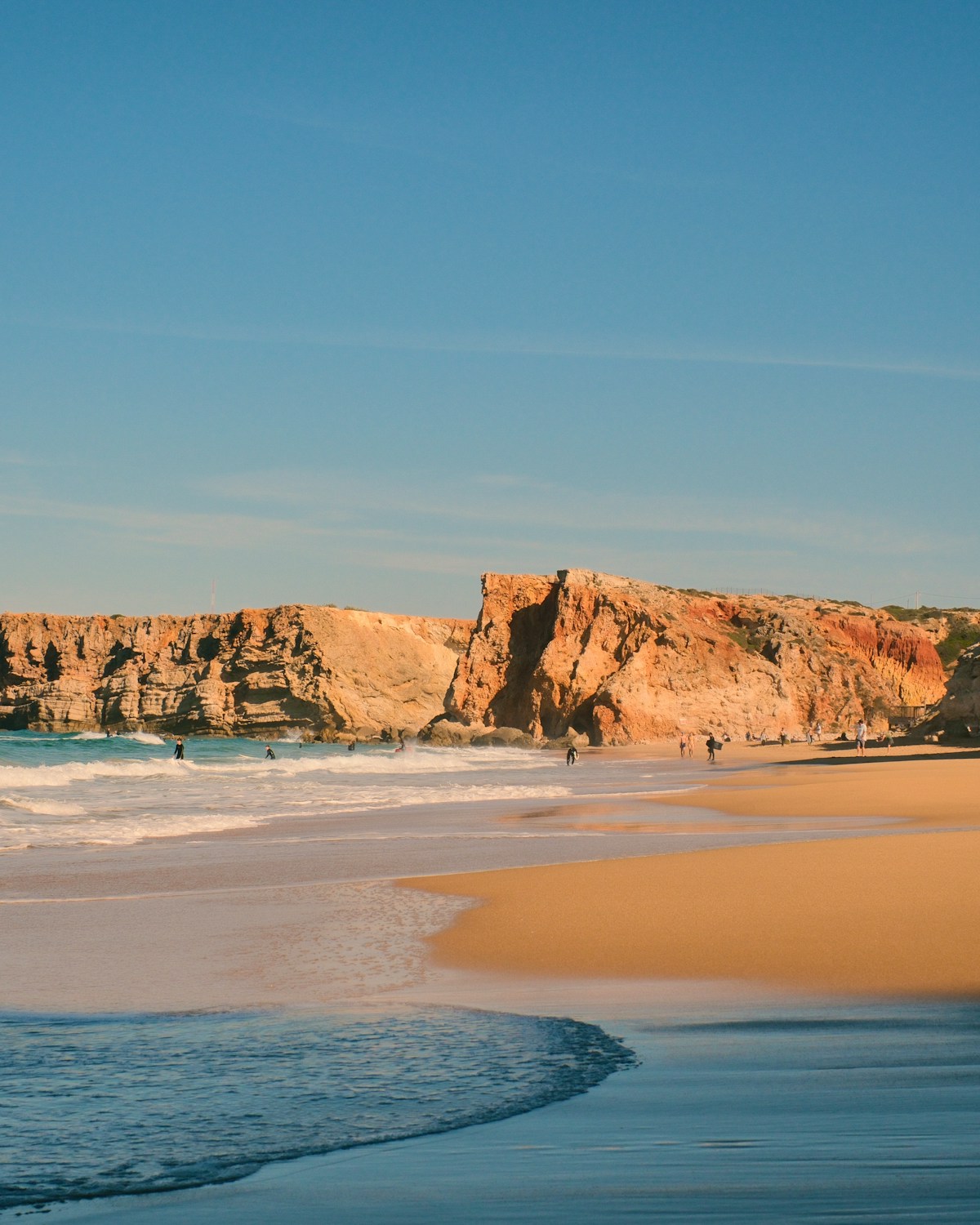
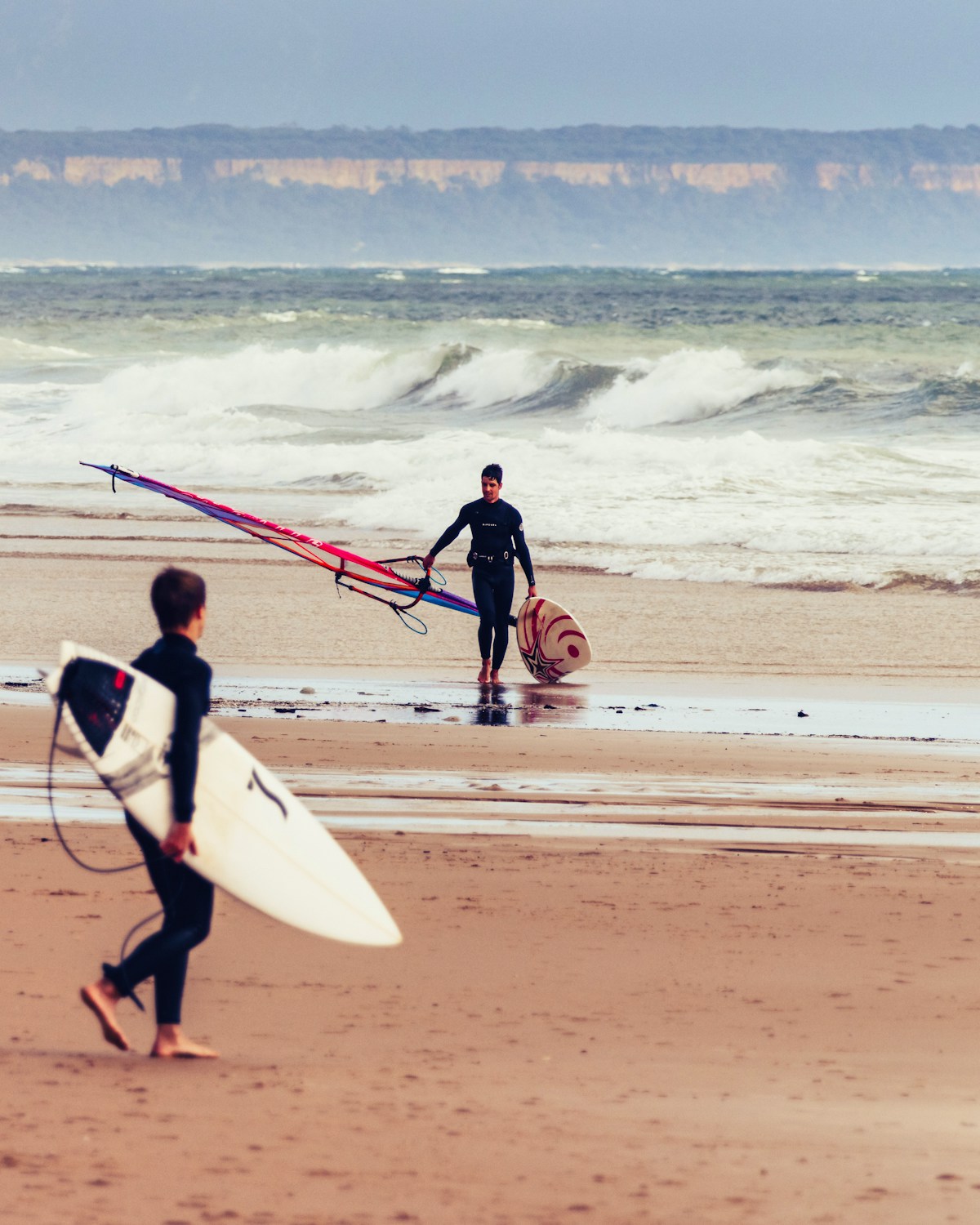
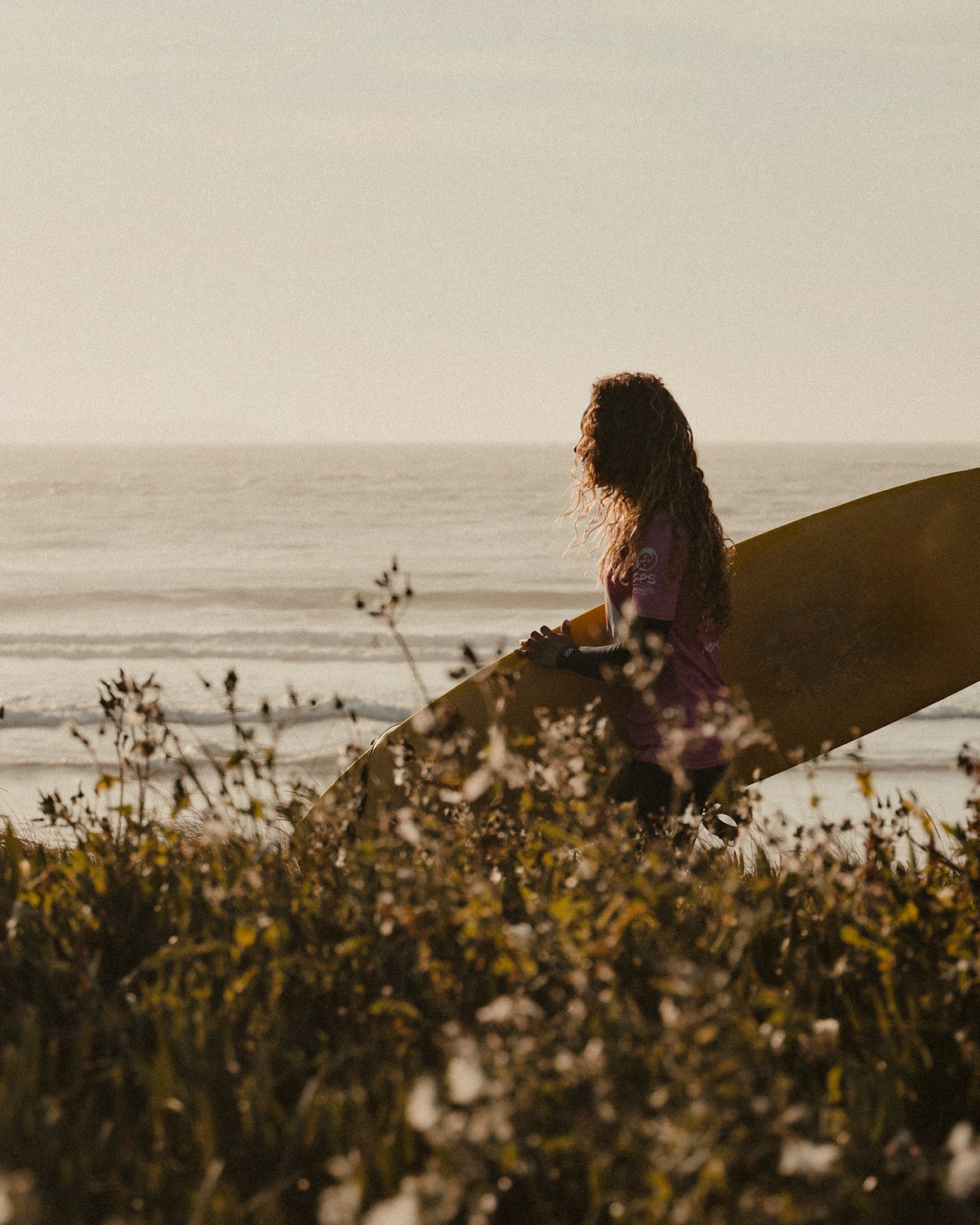
The Ultimate Guide to Surfing in Alentejo
What makes Alentejo unique
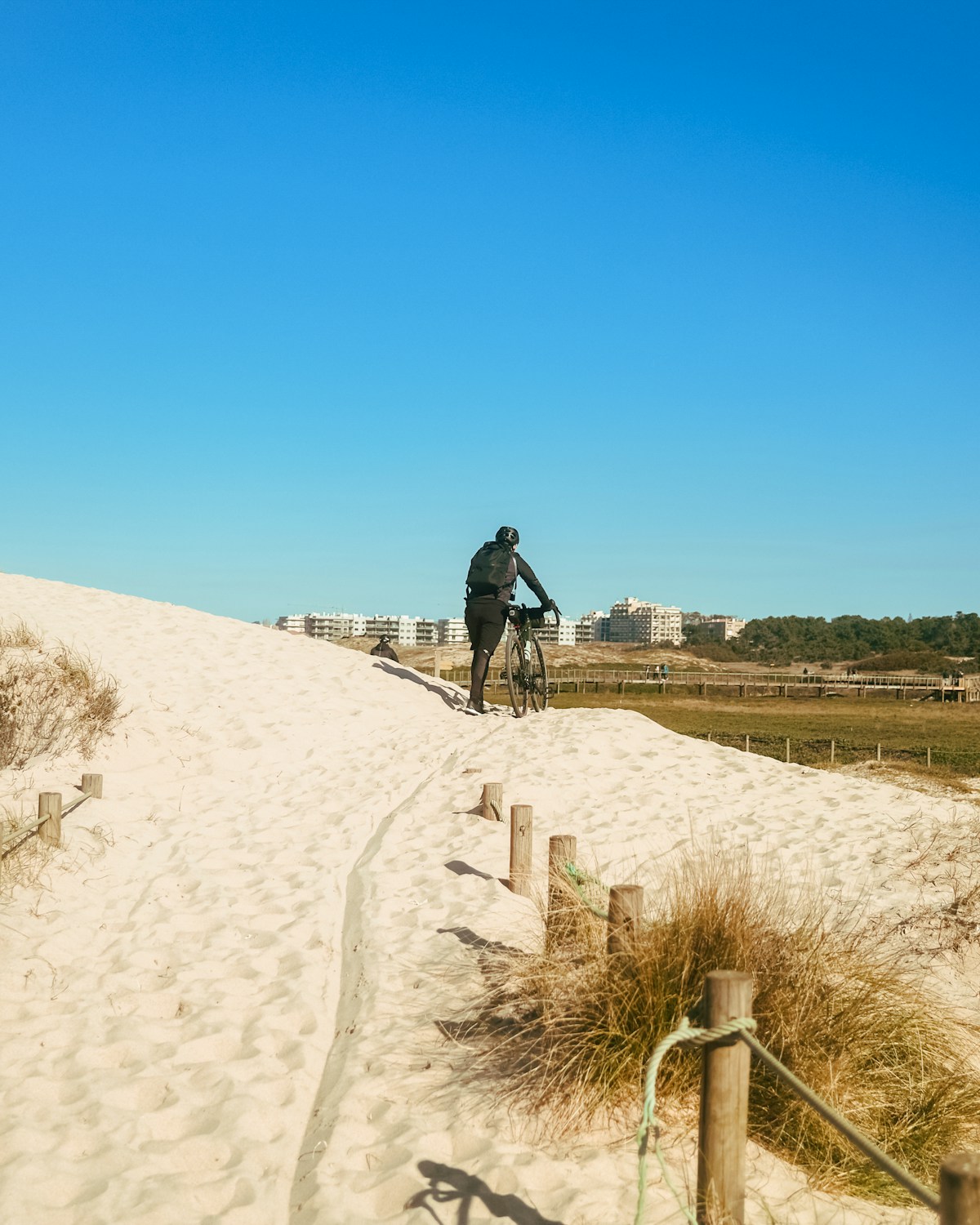
Alentejo's selling point is what isn't there. The entire 100km coast sits inside the Sudoeste Alentejano e Costa Vicentina Natural Park, a protected zone established in 1995 that banned coastal construction, kept the road network thin, and locked in a string of fishing villages that look much as they did forty years ago. The result, for surfers, is a Portuguese coastline with no high-rises, no boardwalks, and a fraction of the lineup density you'll see at Peniche or Ericeira. On a 4ft summer day at Praia do Malhão, you might share the peak with five other surfers; the same swell at Baleal would draw a hundred. Conservation work continues through the Save The Waves Coalition and Portugal's national parks authority, which together fight off resort proposals every few years. That's the editorial trade — fewer schools, fewer cafes, fewer English speakers, and in exchange the closest thing to a wild Atlantic coast left in Portugal.
Alentejo surf spots by skill level
Praia do Malhão is the regional benchmark. A 2km sand-bottom beach break 8km north of Vila Nova de Milfontes, with multiple A-frame peaks that work on a wide window of NW-to-W swell with E offshore wind. Peak season is September to May. Intermediate to advanced when overhead; improvers when waist-to-shoulder.
Praia das Furnas sits at the mouth of the Mira river just south of Milfontes. The river-mouth bank produces gentle, mellow waves that stay rideable through summer onshores, which is why every local school sets up here. Beginners.
Praia do Almograve is the exposed-peak option 10km south. Sand bottom, picks up more swell than the protected coves, and holds size into double-overhead on winter NW pulses. Intermediate to advanced.
Praia da Zambujeira do Mar offers a sheltered cove with a beginner inside and a punchier outside peak. Mixed skill levels share the lineup. All levels depending on size.
Praia de Odeceixe, technically on the Algarve border but always grouped here, sits at the mouth of the Seixe river. Wedgy sand-bottom peaks, scenic cliff backdrop, and the wind-protected south side stays clean when the nortada shuts down everything north. Improvers to intermediates.
Praia do Carvalhal, 30km north of Milfontes near Comporta, rounds out the menu — long open beach, exposed peaks, quietest of the lot. Intermediates.
When to surf Alentejo: month-by-month
October to March is the prime season. Waves run 4–10ft on stacked NW Atlantic swell, water cools from 18°C in October to 13°C in February, and clean E offshore winds groom Malhão and Almograve at first light. Even on a rare crowded weekend, lineups stay under 15 surfers. April to June is the shoulder — 3–5ft swells, water climbing to 16–19°C, the nortada northerly waking up by midday but mornings still glassy. July to August brings beginner-friendly conditions: 2–4ft windswell, 20–21°C water, schools busy at Furnas and Zambujeira, and Portuguese family holidaymakers filling the towns. September is the local pick — water still 20°C, NW swell starting to fill in, and the August crowd gone home by the second week.
Where to stay in Alentejo
Vila Nova de Milfontes is the obvious base. Working fishing harbour, river beach for flat days, half a dozen cafes and tascas serving porco preto and grilled sea bass, and 10 minutes by car to Malhão, Furnas and Almograve. Most camps and surf houses cluster here. Zambujeira do Mar, 25km south, is the smaller and more atmospheric alternative — clifftop village, traditional whitewashed houses, fewer rooms, lower prices outside July-August. Almograve is the quietest option of the three: tiny, sleepy, walkable to its own beach, but you'll need a car for everything else.
How to get to Alentejo from Lisbon
From Lisbon, the Rede Expressos bus runs three to four times daily from Sete Rios station to Vila Nova de Milfontes — about 3 hours, around €18 one way. Driving the A2 plus A26 takes roughly 2.5 hours and costs €15-€20 in tolls each way; a rental car is the smarter pick because the buses don't connect the smaller villages. From the south, Faro airport is about 1h drive to Odeceixe and 1h45 to Milfontes, often a cheaper flight option than Lisbon. Once you're in the region, plan on driving — there is no coastal bus.
Surf schools, gear rentals and local culture
Three schools anchor the lesson scene around Milfontes: SurfMilfontes, Surfvi and Bom Surf — useful reference points whether you book with them or somewhere else. Group lessons run €30–€40 for two hours, board and wetsuit included. Rentals are €15–€20/day for soft-tops and €25–€30/day for performance shortboards; longboards are scarce, so reserve ahead in summer.
A cultural note: surfing arrived in Alentejo in the late 1990s, two decades after it took root in Peniche and Ericeira, and the region still treats it as a side activity to fishing, farming and the cork harvest. English is spoken in the surf shops and beach cafes but rarely beyond — a few words of Portuguese open more doors here than further north. The food is the other reason people keep coming back: alentejano porco preto (black pig) reared on acorns, sheep cheese from Azeitão, and the inland wines from the vineyards an hour east. Eat at the harbour in Milfontes, watch the boats unload, and you'll understand why nobody who lives here wants the coast to change.