

CASCAIS
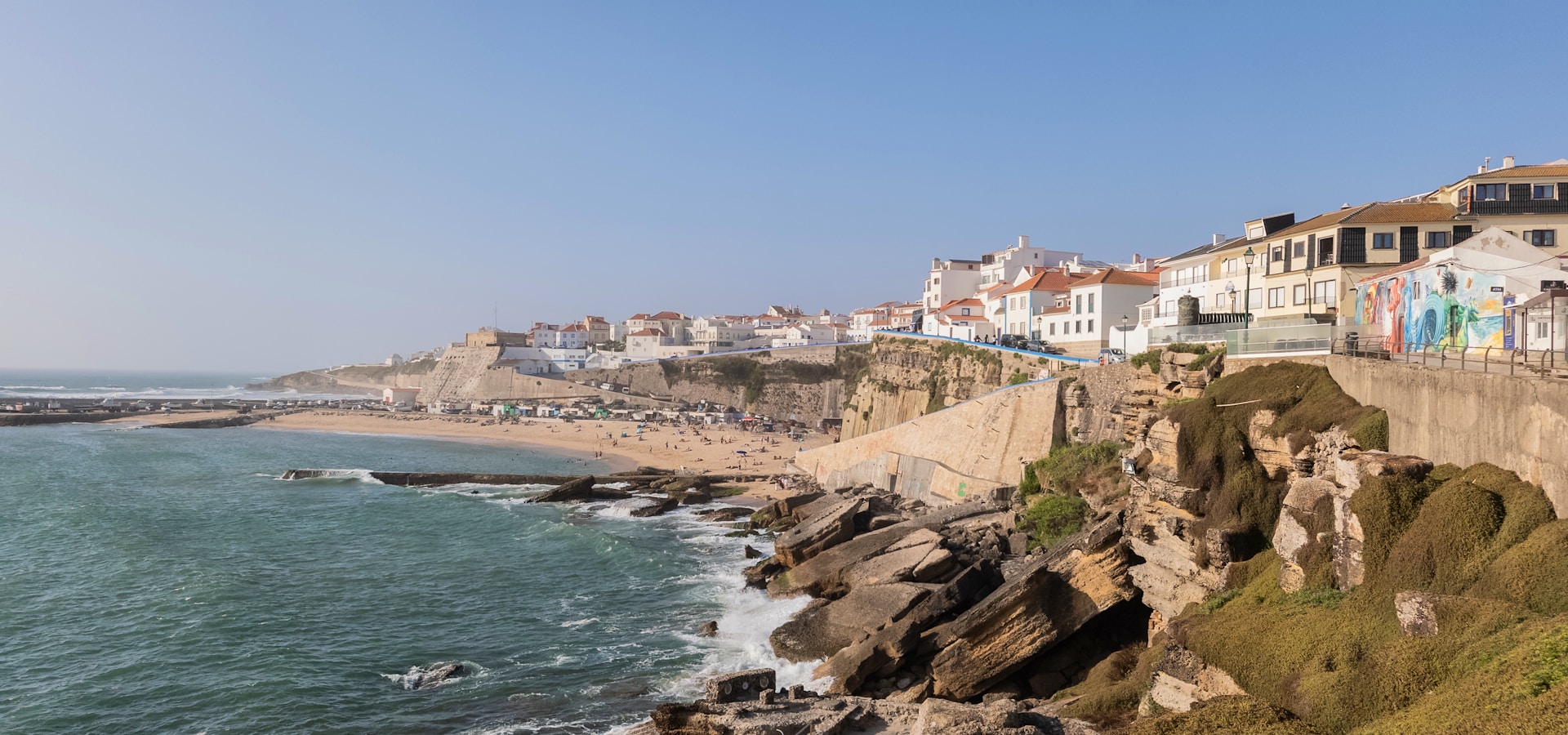
Upmarket coastal town 30min by train from Lisbon — Cascais pairs sheltered bay beginner beaches with Praia do Guincho, one of Europe's windiest waves.
About Cascais
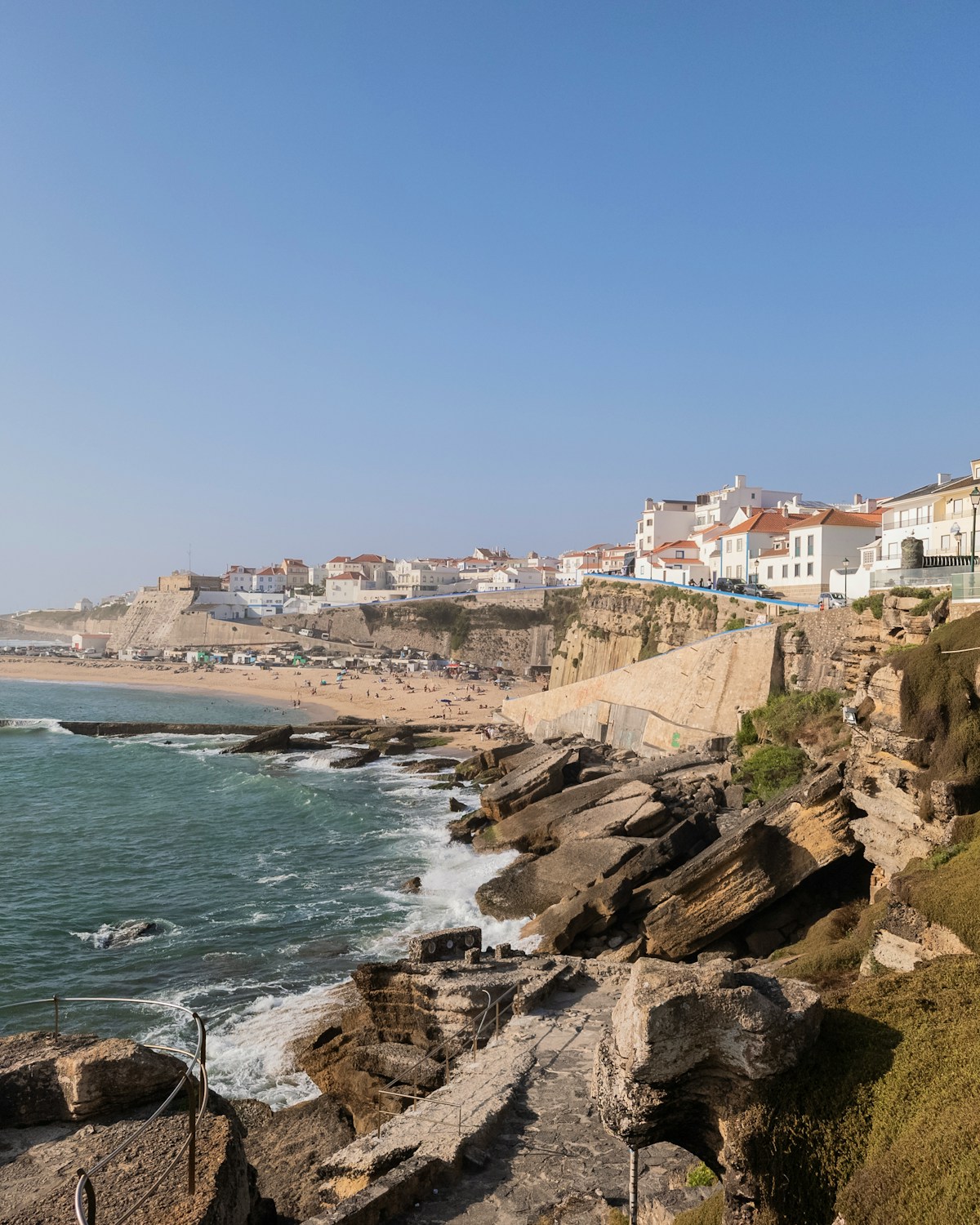
Cascais is a former royal summer retreat 30km west of Lisbon, where cobblestone old town, marina cafes and a casino sit on a bay the Atlantic barely touches. Drive 9km north and the coast flips: Praia do Guincho opens to raw west swell and gusty cross-shore wind, hosting WSL events plus windsurf and kitesurf world tours.
Inside the bay, Praia da Conceição stays mellow enough for first-timers any month of the year.
Surf level
| Skill level | Jan-Feb | Mar-Apr | May-Jun | Jul-Aug | Sep-Oct | Nov-Dec |
|---|---|---|---|---|---|---|
| Beginners | ||||||
| Intermediate | ||||||
| Advanced |
- Best time to go
- Good time to go
- Ok time to go
- Less desirable time to go
- Not recommended time to go
Weather & Travel Comfort


| Metric | Jan-Feb | Mar-Apr | May-Jun | Jul-Aug | Sep-Oct | Nov-Dec |
|---|---|---|---|---|---|---|
| Weather | ~12–15°C | ~14–18°C | ~19–24°C | ~22–27°C | ~19–23°C | ~13–16°C |
| Rainy days | 11d | 9d | 5d | 3d | 7d | 11d |
| What to Pack |  Water Temperature~13–14°C Water Temperature~13–14°C | Water Temperature~14–15°C | Water Temperature~17–19°C | Water Temperature~20–21°C | Water Temperature~18–20°C | Water Temperature~14–16°C |
- Boots if neededFor cold water or reef breaks
- Full protection wetsuitCold water
- Shorty / springsuitMild conditions
- No wetsuitWarm water
Tips for Surfing Cascais
Cascais runs on a morning clock — Guincho's afternoon nortada turns it to chop, and the bay protects you when everything else maxes out. The four tips below cover Praia da Conceição, the dawn-glass routine, and reading Guincho's cross-shore gusts.

Start in Cascais Bay
Beginners: book at Praia da Conceição or Tamariz. Group lessons run €35–€50 for 2 hours.

Surf Guincho Before Lunch
The afternoon nortada turns Guincho into chop — paddle out before 11am.

Wetsuit by Season
3/2mm June–October, 4/3mm November–May. Water bottoms out at 13°C in February.
Read the Wind at Guincho
Cross-shore gusts at Guincho punish loose boards — leash up and check forecasts hourly.
Frequently Asked Questions
When is the best time to surf in Cascais?
Skill drives the answer. Beginners score June through August inside Cascais Bay at Conceição and Tamariz, when 18–21°C water and waist-high mush make for forgiving sessions. Intermediates peak in May and September — clean shoulder swell, water still warm, the nortada not yet locked in. Advanced surfers come November to March for 4–10ft NW swell at Guincho, with E offshore wind grooming the beach at dawn before fronts arrive.
Is Cascais good for beginners?
Yes — but pick the right side of the headland. Praia da Conceição in Cascais Bay and Praia do Tamariz in Estoril are wind-sheltered, sand-bottom beaches that produce gentle whitewater most days from May through October. Schools run morning and afternoon lessons here. Avoid Guincho, Crismina and Abano in your first week: the wind, current and shifting sandbanks chew up improvers fast.
How big do the waves get in Cascais?
Waves run 2–4ft inside the bay year-round and 4–10ft at Guincho between November and March. Praia do Guincho holds clean head-and-a-half peaks on a 2m NW swell with morning E offshore, and absorbs double-overhead on big winter pulses before closing out. The bay beaches stay below chest-high almost all year thanks to the headland filtering size — that's why every school sets up there.
Do I need a wetsuit to surf in Cascais?
Yes, year-round. Water sits between 13°C in February and 21°C in August. A 3/2 fullsuit covers June through October, while a 4/3 handles November through May. Most surfers skip boots and gloves — winter water rarely drops below 13°C. Bring a hood only on the coldest February dawns at Guincho when the wind chill bites; locals usually go without.
How do I get to Cascais from Lisbon?
Take the Linha de Cascais train from Cais do Sodré station in central Lisbon. Trains leave every 20 minutes, the trip takes 30 to 40 minutes, and tickets cost €1.85 one way on a Navegante card. From Lisbon airport, ride the red metro line to Alameda, switch to green for Cais do Sodré, then board the train. Driving the A5 motorway is similar off-peak with €2 in tolls.
Where should I stay in Cascais for surfing?
Stay in Cascais centre if you want walkable cafes, marina dinners and the train to Lisbon — most trips work best here. Pick Estoril, the older resort suburb 2km east, for quieter streets, the casino and direct access to Tamariz beach. Guincho-area guesthouses put you 5 minutes from the marquee wave but give up the town feel: no walkable centre, dinner by car only. Choose by whether Guincho or the bay drives the trip.
Other regions in Portugal
 2
2 1
1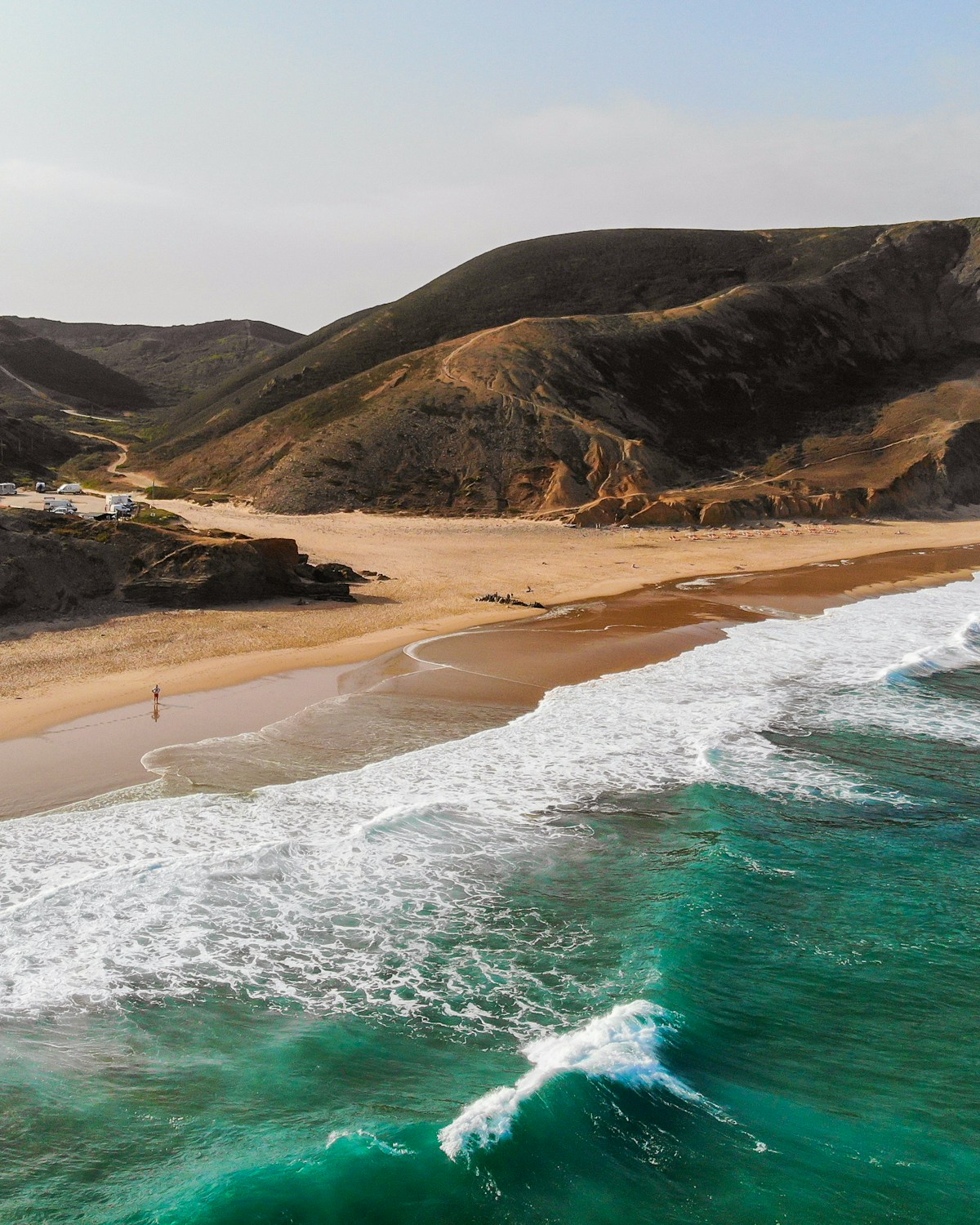

The Ultimate Guide to Surfing in Cascais
What makes Cascais unique
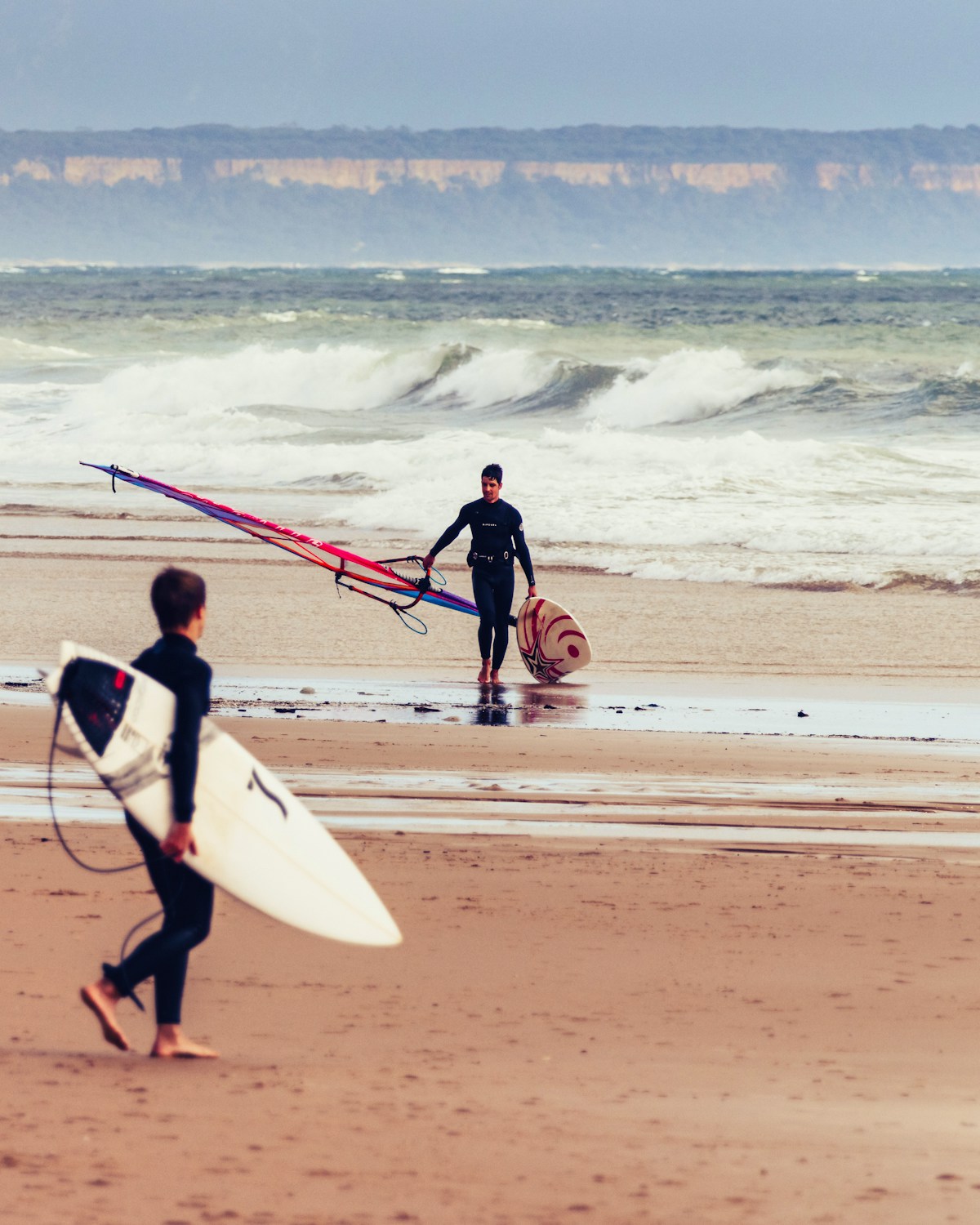
Few surf towns let you ride a metro-equivalent train from a European capital, eat grilled bream by a marina, and reach a WSL-grade beach break inside an hour. Cascais does. The town built its identity on royal patronage — Portugal's last kings summered here in the late 1800s, the casino opened in 1931, and the cobblestone old centre has been polished into one of the wealthiest postcodes in Portugal. What sits 9km up the coast is the editorial counterweight: Praia do Guincho, an exposed Atlantic strip pinned between Cabo da Roca (Europe's westernmost point) and the Sintra hills, famous for hollow lefts and rights, shifting sandbanks, and the nortada northerly that turns it into one of the windiest reliable waves on the continent. Guincho hosts WSL QS events alongside stops on the windsurf and kitesurf world tours — a triple-discipline pedigree few European beaches can claim. The result is a hybrid trip: city polish on the bay side, raw Atlantic on the back side.
Cascais surf spots by skill level
Praia do Guincho is the marquee. Long sand-bottom beach break facing W to NW, with multiple peaks shifting along 1.5km of coast. Best on a 1.5–3m NW swell with E offshore at dawn — by midday the nortada usually swings cross-shore and chops it up. Advanced when overhead, intermediate at chest-high. Peak season runs October to April for size, July to September for warmer, smaller days.
Praia da Crismina sits just south of Guincho behind a small headland that filters wind and swell size by a notch. Same sand-bottom setup, slightly more sheltered, often the bail-out when Guincho is closing out. Intermediate.
Praia do Abano, north of Guincho toward Cabo da Roca, is the quiet alternative — fewer surfers, harder access (dirt track), similar exposure. Intermediate to advanced.
Praia da Conceição and Praia do Tamariz sit inside Cascais Bay and Estoril, both protected by the headland that forms the bay's western arm. Small, gentle reform on most days, the kind of waist-high mush every school in town runs first lessons on. Beginners.
Carcavelos, technically halfway back to Lisbon and the closest big-wave-capable beach to the capital, is a frequent overflow option for Cascais-based intermediates when Guincho is unsurfable. All levels depending on size.
When to surf Cascais: month-by-month
November to March delivers the heavy season at Guincho. Waves run 4–10ft on stacked NW Atlantic swell, water sits at 13–15°C, and the wind drops enough at dawn to clean the lineup before frontal systems arrive. Crowds stay manageable — the town empties of summer tourists. April to June is the shoulder: 3–5ft swell, water climbing to 15–18°C, and the nortada starting to bite by late morning. July and August flip the script. The bay beaches see 18–21°C water, glassy mush at Conceição and Tamariz, and Guincho turns into a kitesurf and windsurf arena most afternoons — surfers chase 6am or 7am sessions before the wind ruins it. September and October are the local sweet spot: water still 18–20°C, swell rebuilding, the August holiday tide gone, and Guincho rideable on cleaner mornings.
Where to stay in Cascais
Cascais centre is the obvious base. Walkable to the marina, the bay beginner beaches, the train station to Lisbon and a dense restaurant scene around Largo Luís de Camões. Higher prices than the coast north of town, but you skip the rental car. Estoril, the older resort suburb 2km east, leans quieter and slightly cheaper, with the casino, golf, and direct access to Tamariz. Guincho-area villas and guesthouses put you 5 minutes from the wave and zero minutes from the dunes, but you give up the town feel — no walkable centre, dinner by car only. Pick this if Guincho is the entire reason for the trip.
How to get to Cascais from Lisbon
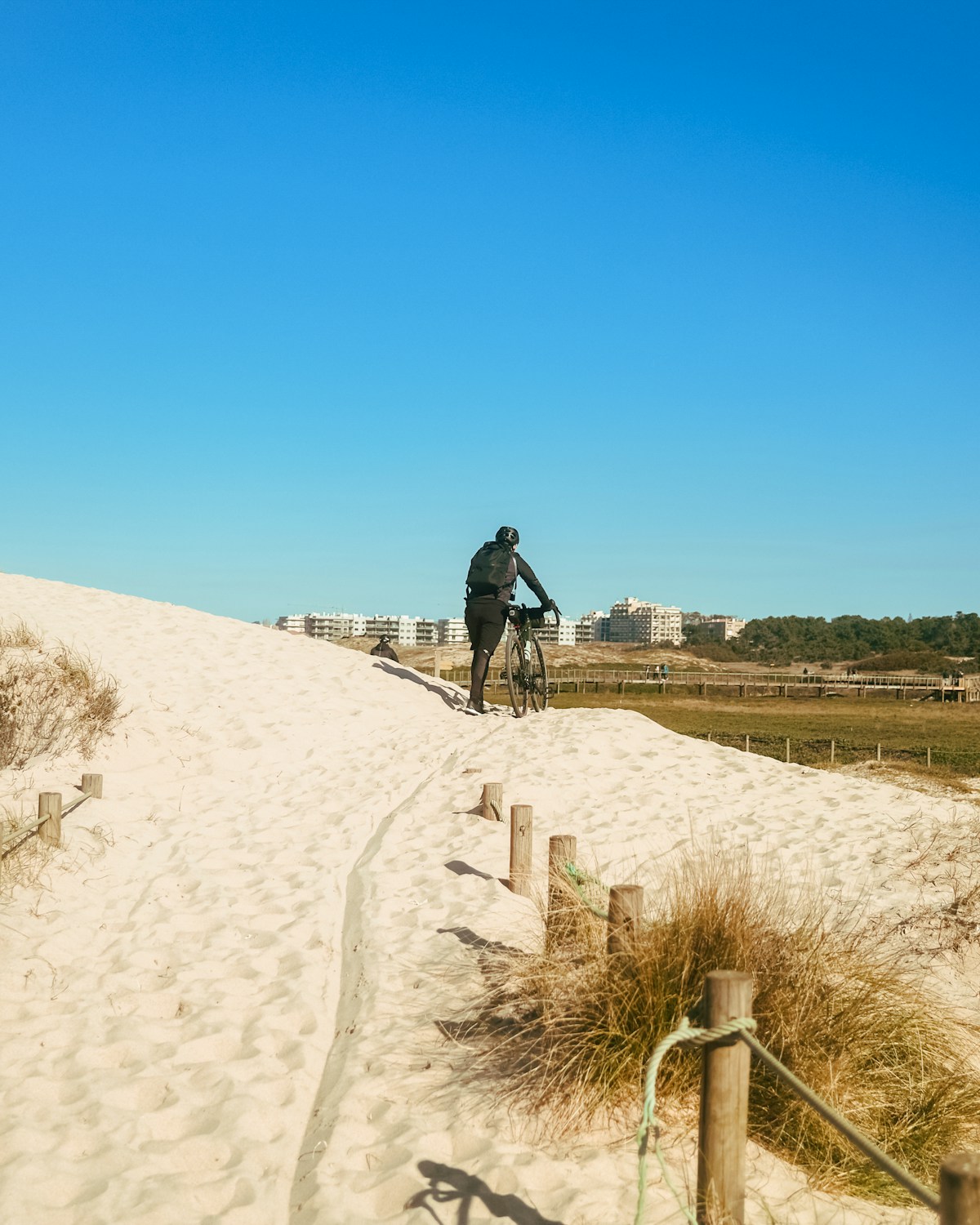
The Linha de Cascais train runs from Cais do Sodré station in central Lisbon every 20 minutes — 30 to 40 minutes end-to-end, €1.85 one way on a reloadable Navegante card. From Lisbon airport, take the red metro line to Alameda, switch to green for Cais do Sodré, then board the train. Driving the A5 motorway is similar off-peak, around 30 minutes with €2 in tolls. Once in town, BusCAS line 405 connects Cascais station to Guincho roughly every 30 minutes for €2.30; renting a bike is the local move — the coastal cycle path covers the 9km in 25 minutes, mostly flat.
Surf schools, gear rentals and local culture
Three schools anchor the lesson scene: Moana Surf School at Guincho, Carcavelos Surf School on the Lisbon-side beach, and Guincho Surf School above the dunes — useful reference points whether you book with them or not. Board rentals run €15–€20/day for soft-tops and €25–€35/day for shortboards. Visit the official tourism site at Visit Cascais for up-to-date event calendars during WSL or windsurf tour stops.
A cultural note: Cascais surfs differently from Lisbon's northern neighbours like Ericeira and Peniche. The lineup mixes commuting Lisbon weekenders, retirees on standup paddles, expat families and the small core of locals who grew up at Guincho. Etiquette is friendlier than at Coxos or Supertubos — but the wind, current and shifting sandbanks at Guincho do most of the gatekeeping. Respect the conditions, watch the rip running north along the beach, and ask the lifeguards which peak is working before you paddle out.