

LISBON
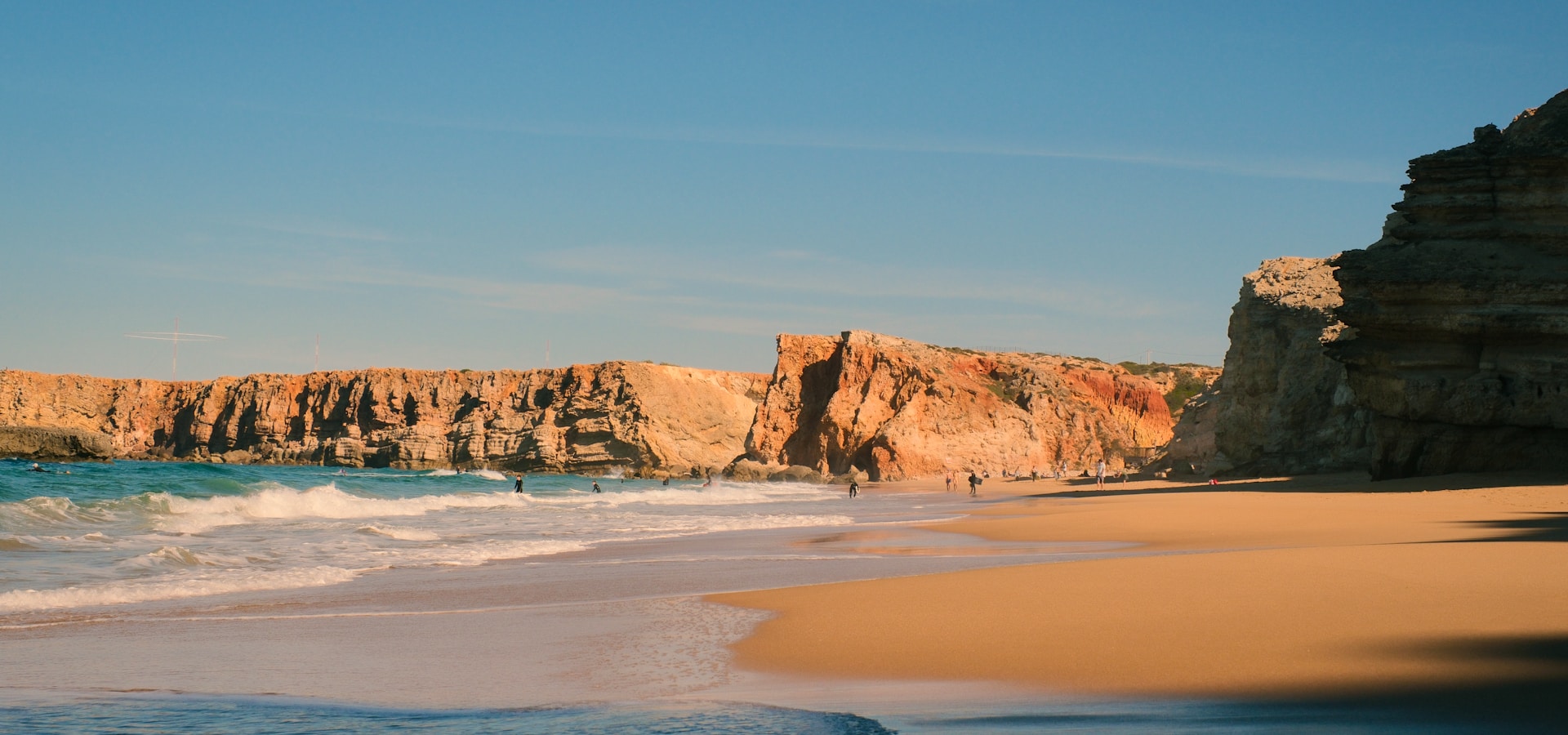
Surf Lisbon as a city trip — 20min by train from Cais do Sodré drops you at Carcavelos, while Costa de Caparica's 8km of sand sits a ferry ride south of the river.
About Lisbon
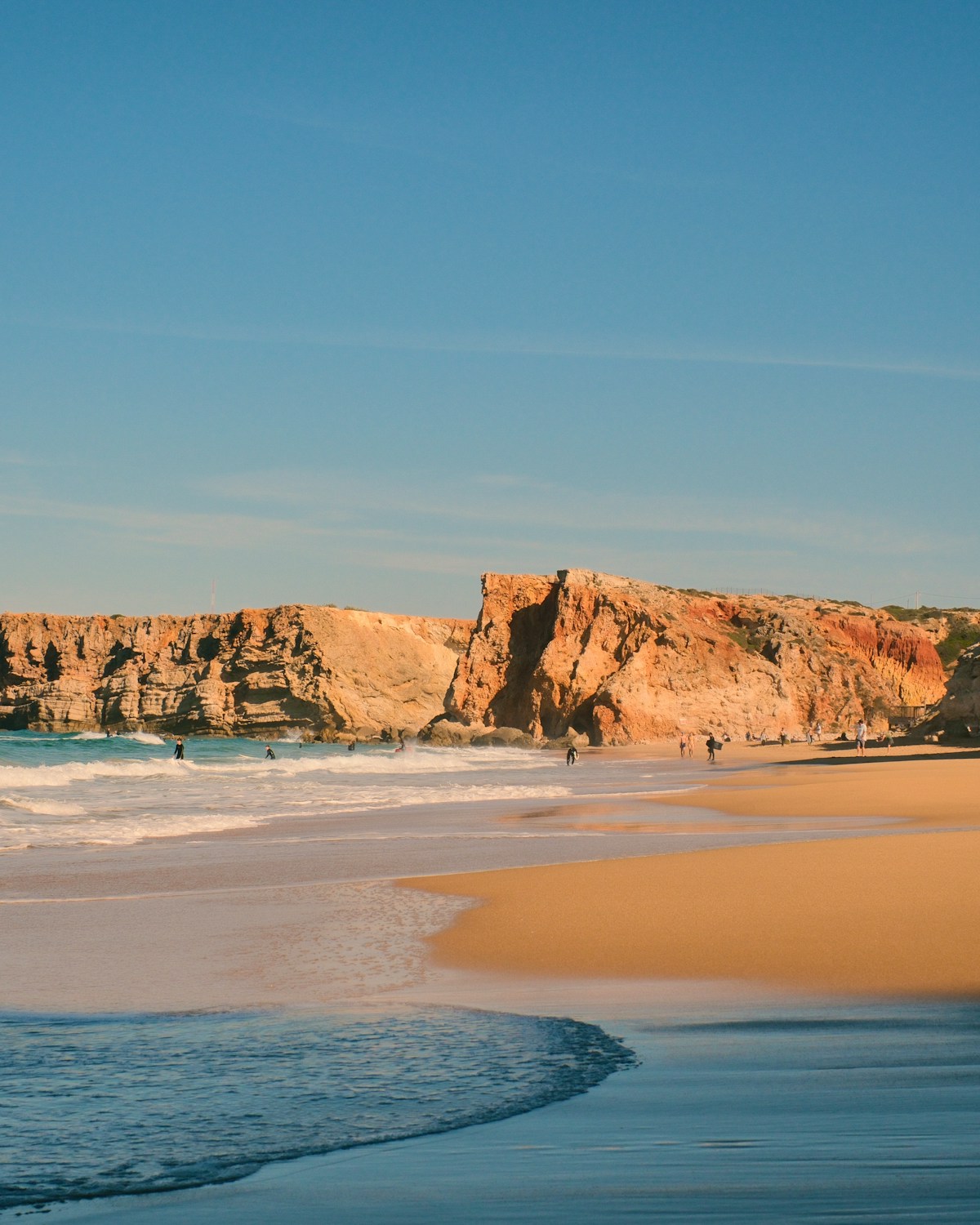
Lisbon is the only European capital where you can finish a morning at a sand-bottom beach break and be eating pastéis de nata in a tiled cafe by lunch. The city's two surf zones bracket the Tejo river: Praia de Carcavelos, a forgiving beach break 20 minutes west by commuter train, and Costa de Caparica, an 8km strip of sand south of the bridge.
Together they hold the highest density of surf schools in Portugal — over 30 operators across the two beaches.
Surf level
| Skill level | Jan-Feb | Mar-Apr | May-Jun | Jul-Aug | Sep-Oct | Nov-Dec |
|---|---|---|---|---|---|---|
| Beginners | ||||||
| Intermediate | ||||||
| Advanced |
- Best time to go
- Good time to go
- Ok time to go
- Less desirable time to go
- Not recommended time to go
Weather & Travel Comfort


| Metric | Jan-Feb | Mar-Apr | May-Jun | Jul-Aug | Sep-Oct | Nov-Dec |
|---|---|---|---|---|---|---|
| Weather | ~12–15°C | ~14–20°C | ~19–26°C | ~23–30°C | ~19–24°C | ~13–16°C |
| Rainy days | 10d | 8d | 4d | 2d | 7d | 11d |
| What to Pack |  Water Temperature~14°C Water Temperature~14°C | Water Temperature~14–15°C | Water Temperature~17–20°C | Water Temperature~22°C | Water Temperature~19–21°C | Water Temperature~15–16°C |
- Boots if neededFor cold water or reef breaks
- Full protection wetsuitCold water
- Shorty / springsuitMild conditions
- No wetsuitWarm water
Tips for Surfing Lisbon
Lisbon's surf coast sits twenty minutes from Rossio Station — skip the car, ride the Linha de Cascais, and you're at Carcavelos for €1.85. The four tips below cover beginner-friendly beach breaks, the wetsuit by season, and where to walk for emptier peaks.

Beginners go to Carcavelos
Beginners: head to Praia de Carcavelos. Group lessons run €35–€50 for 2 hours.
Train Beats the Traffic
Skip the car — the Linha de Cascais train hits Carcavelos in 20min for €1.85.

Wetsuit by Season
3/2mm June–October, 4/3mm November–May. Water rarely drops below 13°C in February.

Mind the WSL Crowd
Carcavelos packs out on weekends. Walk east toward Bafureira for emptier peaks.
Frequently Asked Questions
When is the best time to surf in Lisbon?
Match your season to your level. Beginners score June through August at Carcavelos and northern Caparica, when 2–4ft mush and 20–22°C water make for forgiving sessions. Intermediates peak in May and September — cleaner 3–5ft swell, smaller crowds, water still warm. Advanced surfers come November through February for 6–10ft NW Atlantic pulses, NE offshore winds at dawn, and 13–15°C water that demands a 4/3.
Is Lisbon good for beginners?
Yes — it's one of the most beginner-friendly setups in Europe. Praia de Carcavelos is a sand-bottom beach break with multiple gentle peaks and a forgiving inside reform, and over 20 schools run lessons here from May through October. Costa de Caparica's northern beaches work just as well. The biggest advantage is logistics: a 20-minute train ride from central Lisbon means you can take a lesson without renting a car or moving hotels.
How big do the waves get in Lisbon?
Waves run 2–4ft most of summer and 4–10ft from November to February. Carcavelos holds clean head-high peaks on a medium NW swell and stays rideable up to 6ft before closing out, while Costa de Caparica's southern beaches (Sereia, Cabana do Pescador) absorb 8–10ft on solid winter pulses with far less crowd than the city beach. Small days send the schools and longboards to São Pedro do Estoril.
Do I need a wetsuit to surf in Lisbon?
Yes, year-round. Water sits between 13.5°C in February and 22°C in August. A 3/2 fullsuit covers June through October, and a 4/3 handles November through May. Boots, gloves and hoods are usually unnecessary — winter water rarely dips below 13°C, and most locals skip them entirely. There are no boardshort-only months on this coast, even in peak summer.
How do I get to Lisbon's surf beaches from the city?
For Carcavelos, take the Linha de Cascais train from Cais do Sodré — trains run every 20 minutes, the trip is 20 minutes, and tickets cost €1.85. For Costa de Caparica, the TST 161 bus leaves Praça de Espanha for €4 and takes 35–45 minutes, or take the Cais do Sodré ferry to Cacilhas plus a short bus. Driving over the Ponte 25 de Abril costs €1.85 in tolls southbound.
Where should I stay in Lisbon for surfing?
Stay in central Lisbon (Baixa, Chiado, Bairro Alto) if you want the full city experience and don't mind a 20-minute train commute to Carcavelos. Pick Carcavelos or Oeiras for surf-first trips with quick beach access and easy train rides into the city for dinner. Costa de Caparica town is the cheapest, most local option — beach-side living, fewer tourists, slightly longer journey back to the city centre.
Other regions in Portugal
 2
2 1
1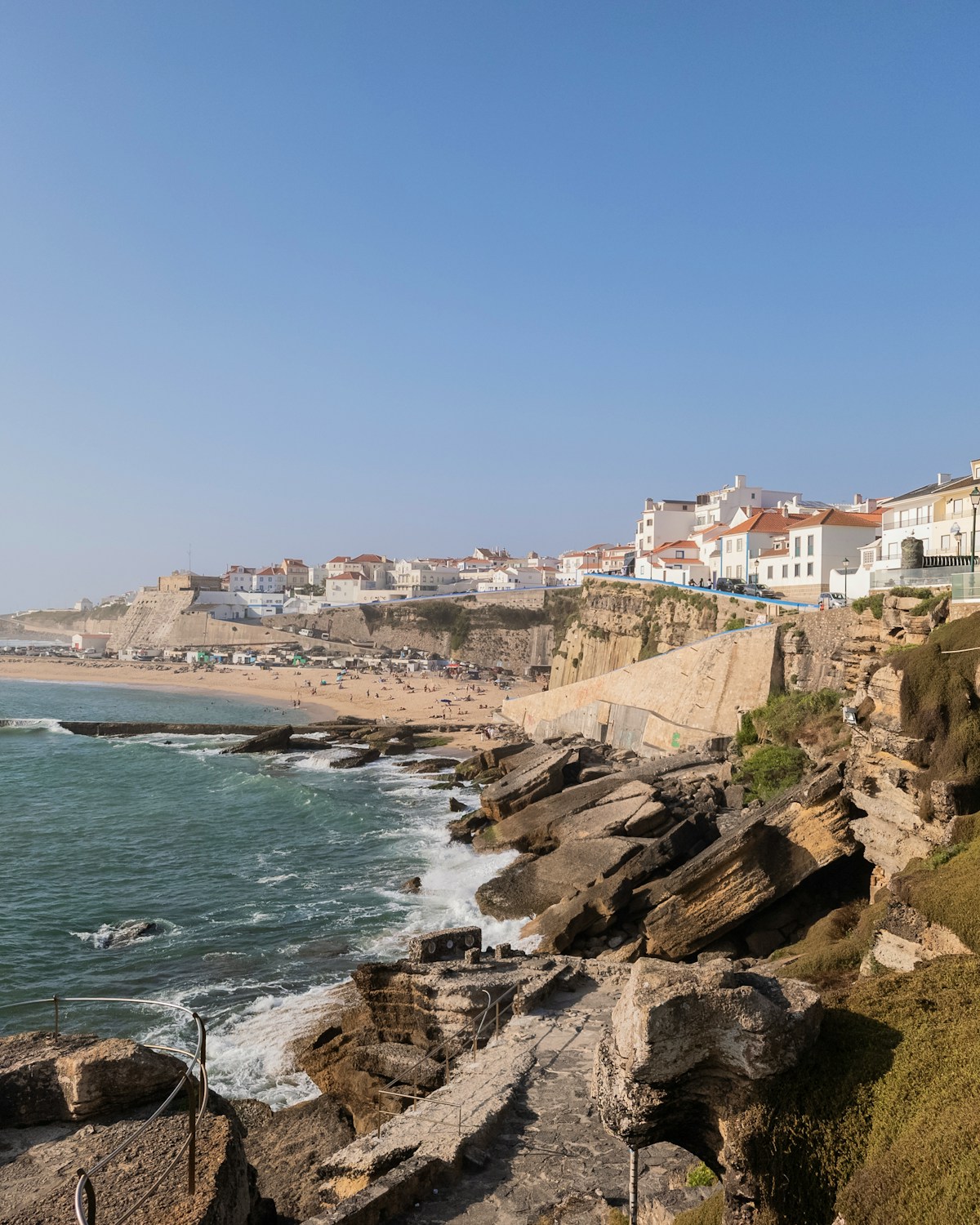
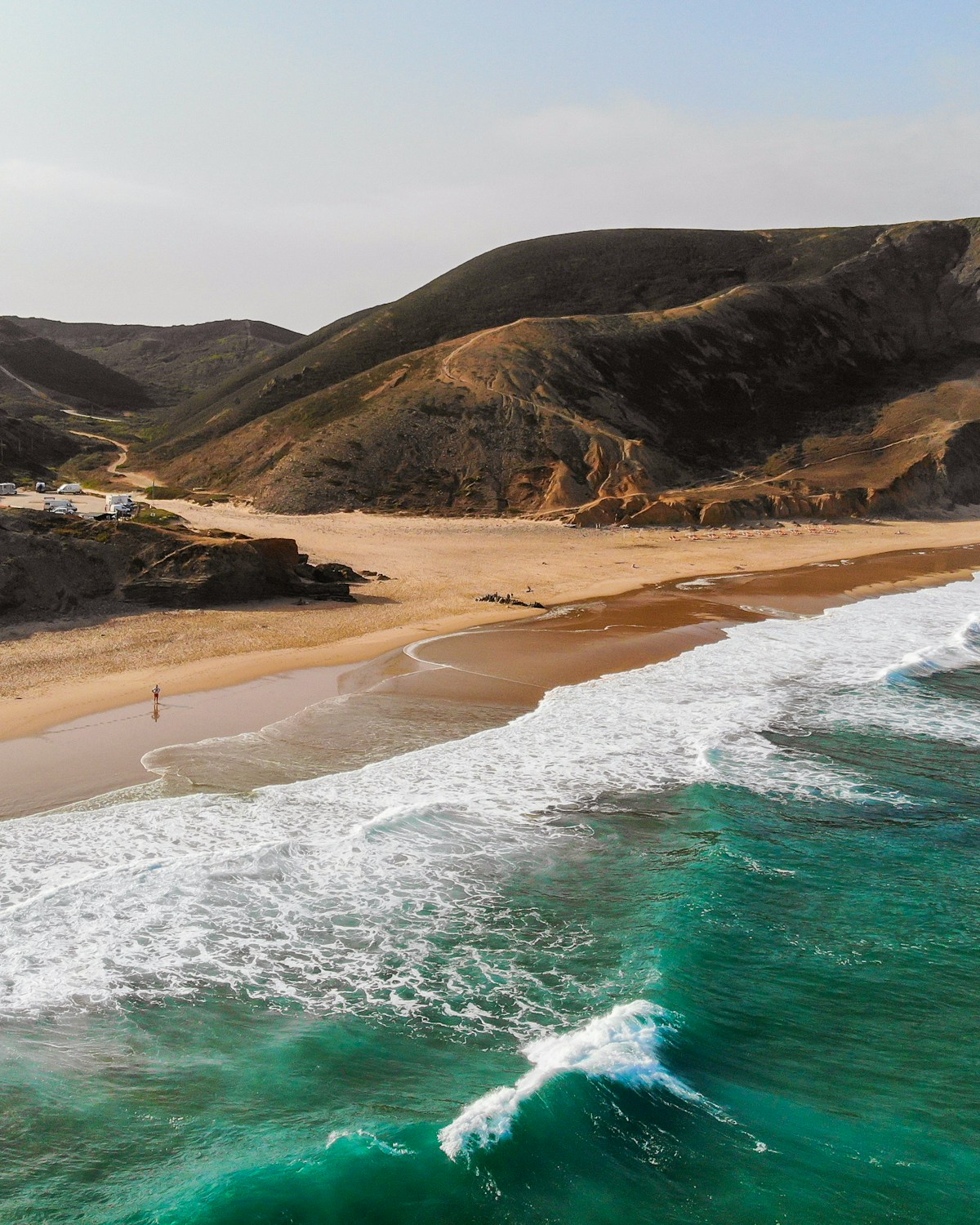
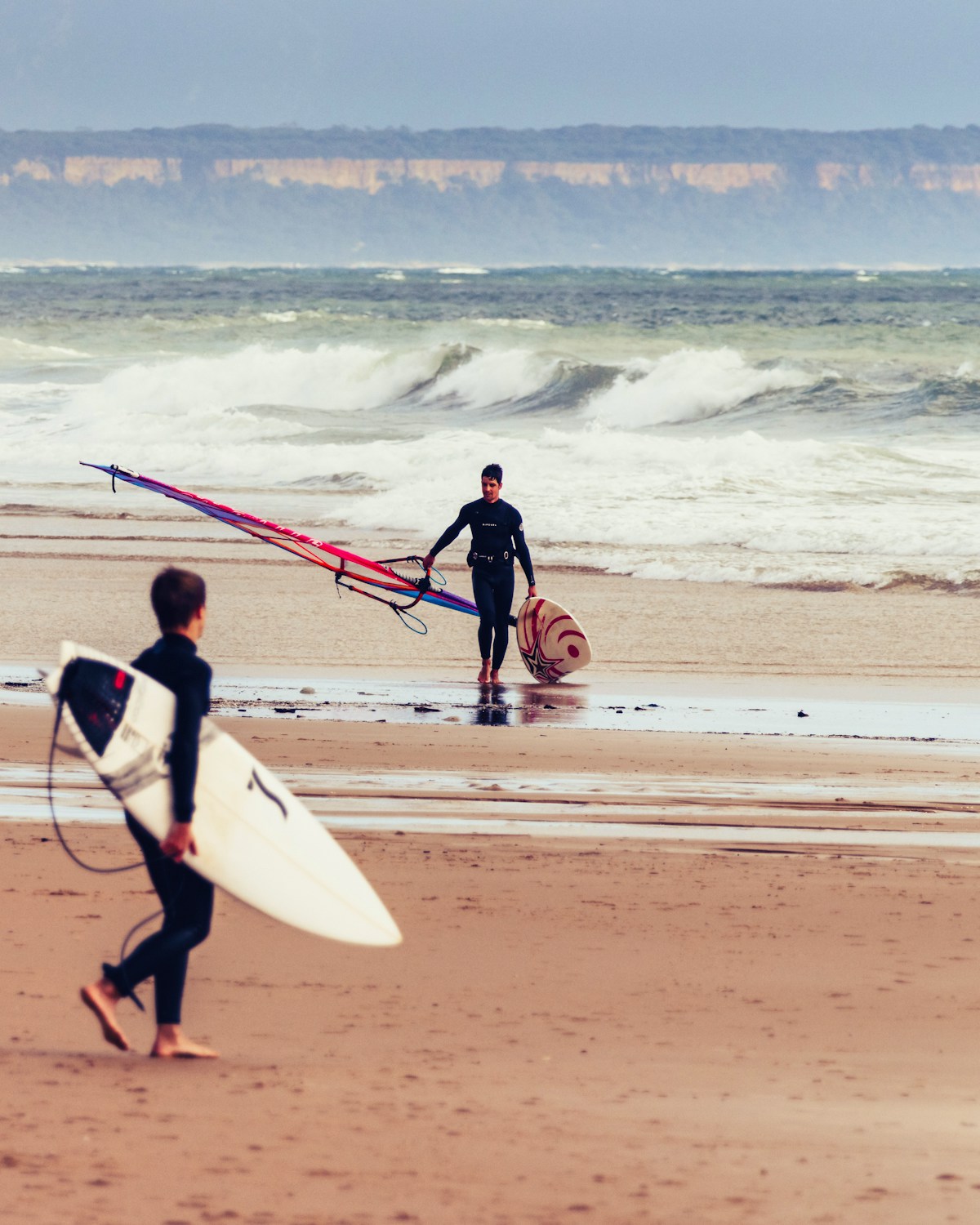
The Ultimate Guide to Surfing in Lisbon
Why Lisbon works as a surf-and-city trip
No other European capital puts you 20 minutes from a working beach break. From central Lisbon, the Linha de Cascais commuter train rolls along the Estoril coast and drops you at Praia de Carcavelos for €1.85; cross the river by ferry from Cais do Sodré and a short bus ride lands you on the 8km open sand of Costa de Caparica. Stay in a tiled apartment in Bairro Alto, surf at dawn, ride tram 28 in the afternoon, eat grilled bacalhau at night — that combination is what makes the city different from its sibling Portugal regions, which trade urban life for closer proximity to the lineup. The official tourism board, Visit Lisboa, markets the angle hard for good reason: density of breaks, density of trains, and a 30+ surf-school cluster across the two beaches, the highest in the country.
Lisbon surf spots by skill level
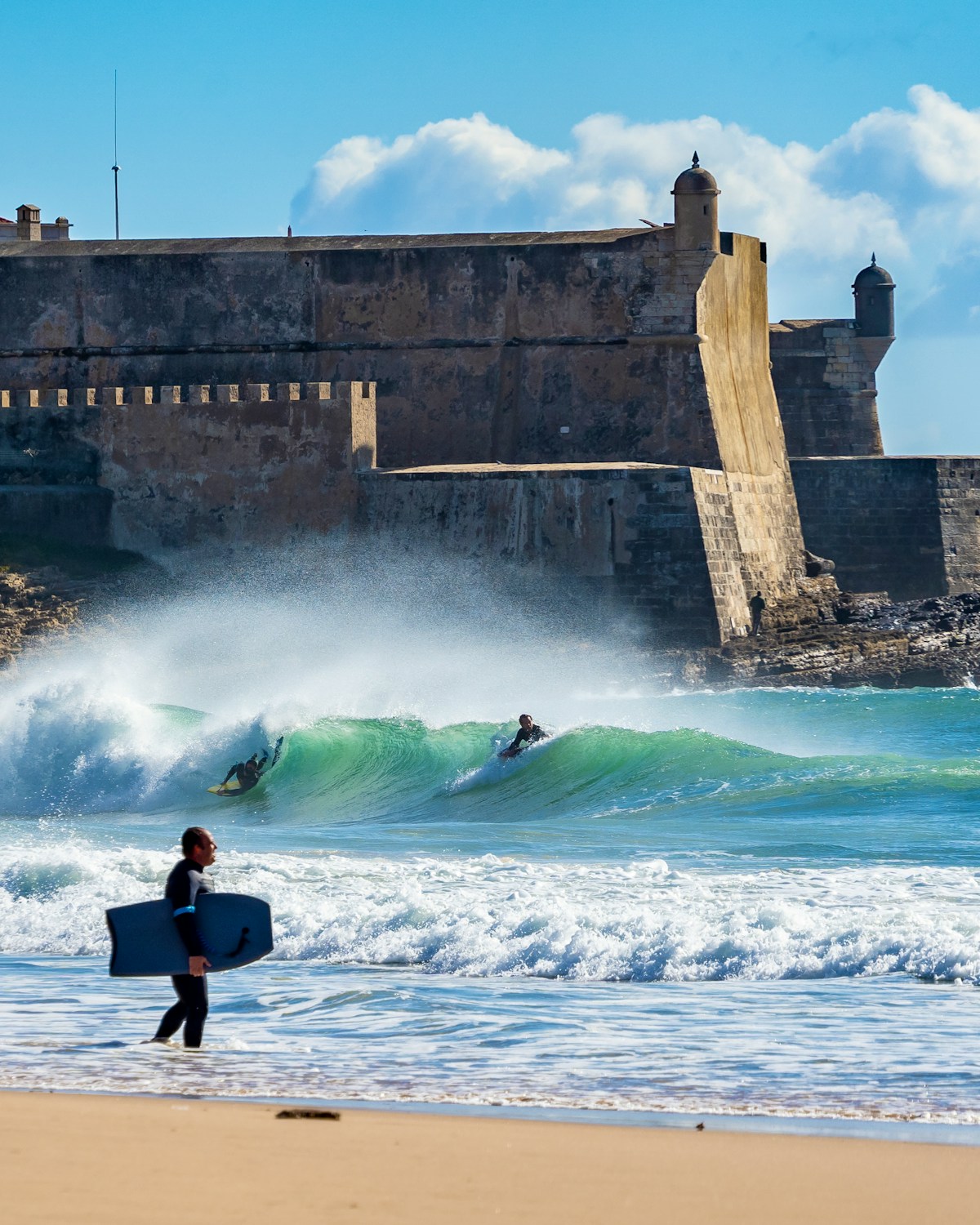
Praia de Carcavelos is the city's main surf beach and the default for almost everyone. Sand-bottom A-frames, multiple peaks across a 1.5km stretch, and a forgiving inside reform that keeps schools busy year-round. WSL events have run here. Best on a small-to-medium NW or W swell with N or NE offshore wind. Beginners through intermediates, with a few sharper peaks at the western end for shortboarders.
Costa de Caparica stretches south of the Tejo river for kilometres, with new peaks every few hundred metres of sand. The northern beaches near the town are walkable and beginner-friendly; the further south you go (toward Sereia and Cabana do Pescador), the bigger and emptier the waves get. Best on NW swell with E offshore. Beginners to intermediates in the north, intermediates to advanced on the southern stretches.
São Pedro do Estoril, three train stops up the coast from Carcavelos, is a mellow alternative when small. Mixed bottom, gentler shoulder, fewer crowds on weekday mornings. Beginners and longboarders when waves are 2–3ft.
São João do Estoril and Bafureira, both walkable east from Carcavelos along the seafront, pick up overflow when the main beach packs out. Sand and rock mix; check at low tide before paddling. Intermediates.
Bigger winter NW pulses light up Caparica's southern beaches at 6–10ft — uncrowded, but no lifeguards outside summer, so paddle with someone who knows the rip channels.
When to surf Lisbon: month-by-month
June through August is beginner prime. Water hits 20–22°C, the air sits at 28–30°C, swell drops to 2–4ft mush, and Carcavelos and northern Caparica become outdoor classrooms — expect 30+ schools on a weekday and a wait for parking. May and September are the intermediate sweet spot: water still 17–21°C, swell rebuilding to 3–5ft, the August holiday crowd thinner, and the wind cooperating into the late morning. March, April and October thin further — 4–6ft swell, water 14–18°C, fewer schools, more shortboarders. November through February is the advanced window. Powerful 6–10ft NW Atlantic swells, 13–15°C water, NE offshore winds that groom Carcavelos at dawn, and rain on roughly 10–11 days a month, so pack a 4/3 and a hooded jacket.
Where to stay in Lisbon
Central Lisbon — Baixa, Chiado, Bairro Alto, Alfama — is the obvious pick if you want the full city alongside surf. Tiled apartments, fado bars, miradouro sunsets, and a 20-minute train commute to Carcavelos morning and evening. Higher prices, but you get the trip most travellers come for. Carcavelos and Oeiras sit between the city and the beach. Walk to the lineup, take the train into Lisbon for dinner, pay less than the centre. Best for surf-first trips that still want city access two evenings a week. Costa de Caparica town is the beach-side, locals-only option: lower prices, fewer tourists, simple seafood restaurants on the boardwalk, and the trade-off of a 30-minute ferry-plus-bus journey to reach central Lisbon.
How to get to Lisbon and around the breaks
Lisbon Humberto Delgado Airport sits 7km from the city centre — 15 minutes by Aerobus or red-line metro to Saldanha for €1.85. To reach Carcavelos, take the Linha de Cascais train from Cais do Sodré station — trains every 20 minutes, 20-minute ride, €1.85 one way. To reach Costa de Caparica, the cheapest option is the TST 161 bus from Praça de Espanha (35–45min, around €4); a faster combo is the ferry from Cais do Sodré to Cacilhas (€1.45) plus a short bus. Driving over the Ponte 25 de Abril is 20 minutes off-peak with a €1.85 toll southbound only.
Surf schools, gear rentals and city culture
The lesson scene is the densest in Portugal. Reference points include Carcavelos Surf School and Lisbon Surf Academy at Carcavelos, and Surfaventura at Caparica — useful whether you book with them or not. Board rentals run €15–€20/day for soft-tops and €25–€35/day for performance shortboards; longboard stock is thinner, so reserve ahead in summer.
A cultural footnote: surfing arrived in Lisbon in the 1960s through expats and pioneering locals at Carcavelos, but the city stayed a fishing-and-finance capital first. The lineup carries that mix today — bankers paddling out before the office, students after class, schools running back-to-back two-hour groups, plus a small core of weekend regulars who hold the western peaks. Drop in once and you'll be reminded; sit wide for two sessions and you'll get waves. For a contrast trip, the train continues 20 minutes further west to Cascais, and the surf belt extends 50km north into Ericeira's reefs.