

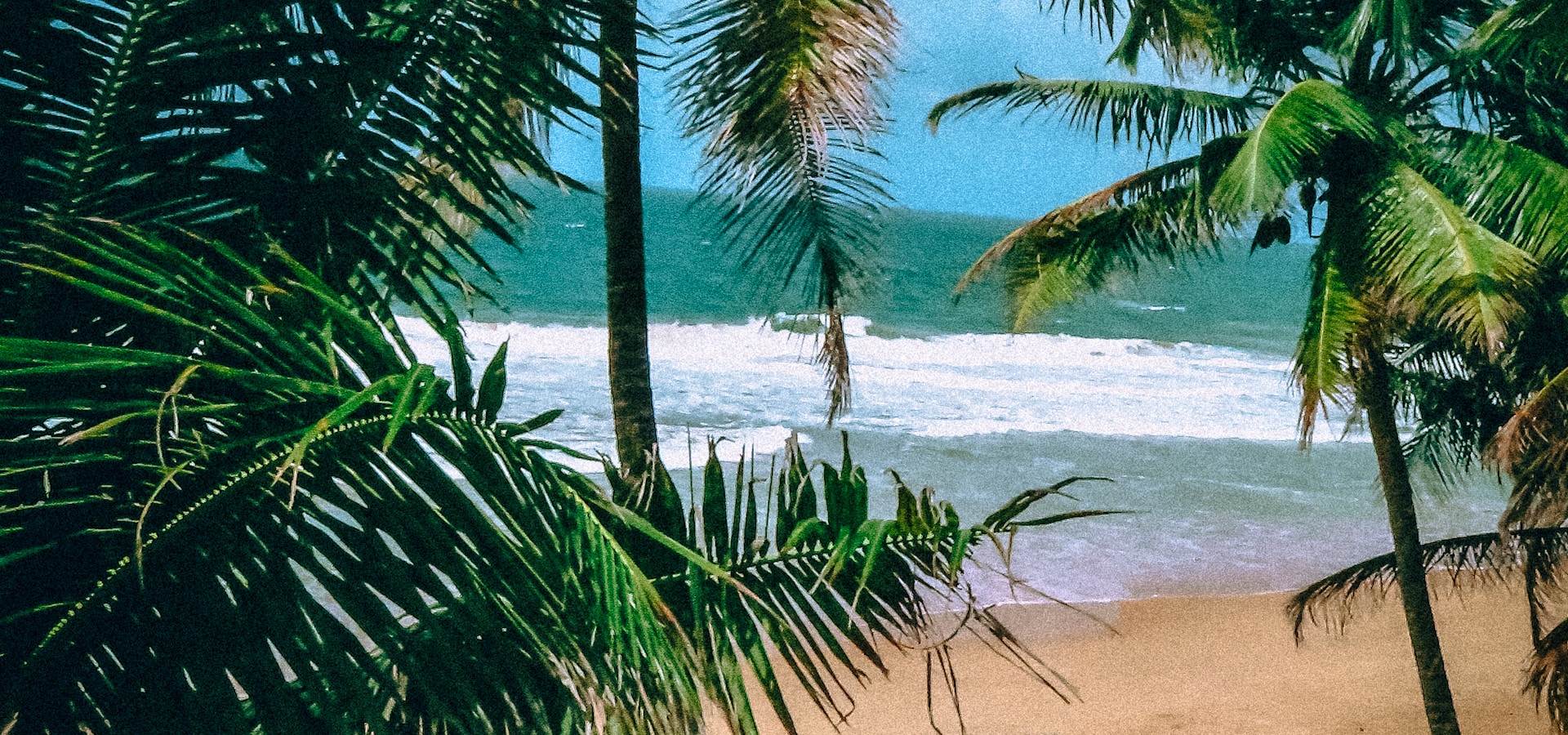
HIKKADUWA
Sri Lanka's first surf town — Australians found Main Reef in 1972 and the country's surf scene started here. Hikkaduwa offers 6 reef breaks 100km south of Colombo.
About Hikkaduwa
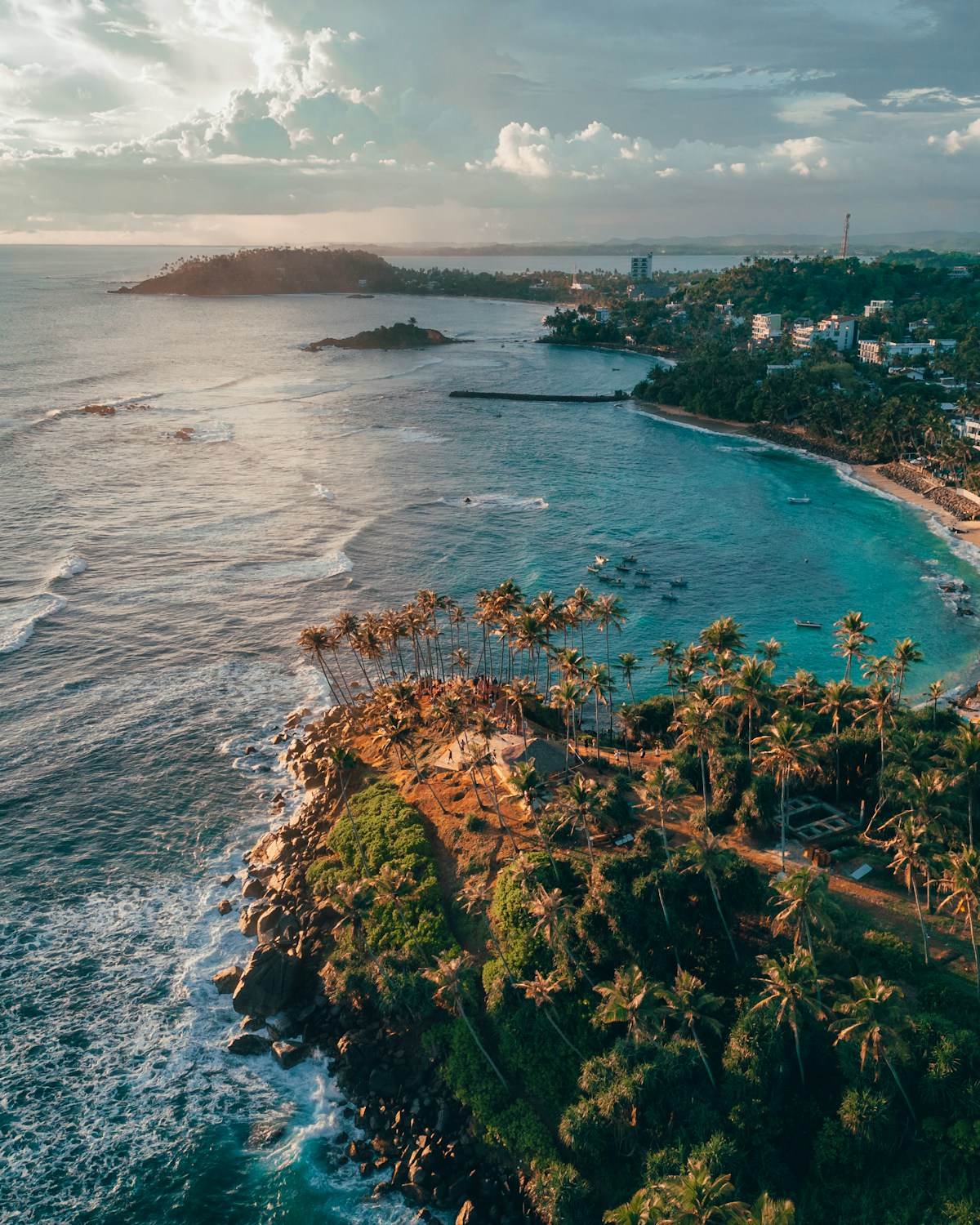
Hikkaduwa was Sri Lanka's first surf town — Australian travellers found a clean right-hand reef in front of the village in the early 1970s, and the country's surf-tourism economy started here. The town sits 100km south of Colombo on the south-coast monsoon line, between trendy Ahangama and the cruise-ship port of Galle.
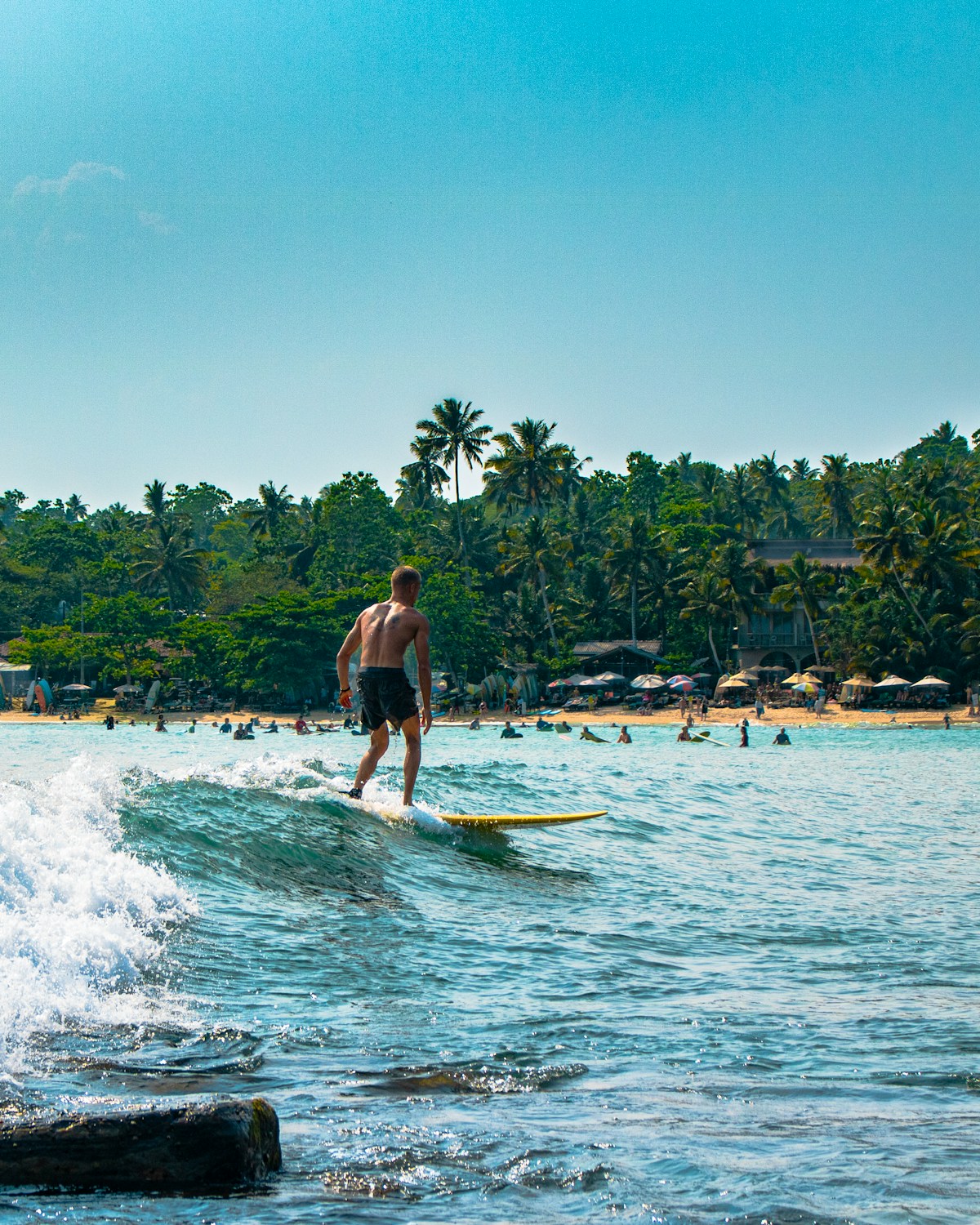
The signature wave is Main Reef, a head-high right that peels in front of town. Benny's Reef to the south offers a longer, mellower take-off for intermediates working up the ladder.
Surf level
| Skill level | Jan-Feb | Mar-Apr | May-Jun | Jul-Aug | Sep-Oct | Nov-Dec |
|---|---|---|---|---|---|---|
| Beginners | ||||||
| Intermediate | ||||||
| Advanced |
- Best time to go
- Good time to go
- Ok time to go
- Less desirable time to go
- Not recommended time to go
Weather & Travel Comfort


| Metric | Jan-Feb | Mar-Apr | May-Jun | Jul-Aug | Sep-Oct | Nov-Dec |
|---|---|---|---|---|---|---|
| Weather | ~24–29°C | ~25–29°C | ~25–28°C | ~25–28°C | ~25–28°C | ~24–28°C |
| Rainy days | 9d | 16d | 21d | 21d | 20d | 17d |
| What to Pack |  Water Temperature~28–29°C Water Temperature~28–29°C | Water Temperature~30°C | Water Temperature~29–30°C | Water Temperature~28°C | Water Temperature~28–29°C | Water Temperature~29°C |
- Boots if neededFor cold water or reef breaks
- Full protection wetsuitCold water
- Shorty / springsuitMild conditions
- No wetsuitWarm water
Tips for Surfing Hikkaduwa
Sri Lanka's classic south-coast town wakes up November through April with mellow Main Reef and Beach beats for newcomers. The four tips below cover sand-bottom lessons, the dry-season window, and reef booties at low tide.

Beginners go to the Beach
Beginners: head to Hikkaduwa Beach or North Jetty. Group lessons run US$15–US$25 for two hours.

Dry Season Only
Surf November to April — the SW monsoon brings rain and chop May through October.

No Wetsuit Needed
Water 27–30°C year-round — boardshorts and a long-sleeve rashguard. No wetsuit needed.
Booties at Low Tide
Wear reef booties at Main Reef and Benny's at low tide — sharp coral underfoot.
Frequently Asked Questions
When is the best time to surf in Hikkaduwa?
The dry season November through April is prime, with consistent SW swell, light offshores and 28–30°C water. Beginners can surf year-round at Hikkaduwa Beach since the wave is always small and forgiving. Intermediates peak December through March on Main Reef and Benny's. The SW monsoon May through October brings heavy rain and chop — head to Arugam Bay on the east coast instead.
Is Hikkaduwa good for beginners?
Yes — Hikkaduwa is one of the most beginner-friendly surf towns in Sri Lanka. Hikkaduwa Beach in front of town offers soft, forgiving whitewater on small days, and North Jetty at the north end has a sandy beach plus a small reef bank. Both work for first-time and improving surfers. Avoid Main Reef and Benny's until you can handle a head-high wave on a coral bottom.
How big do the waves get in Hikkaduwa?
Waves run 2–4ft typical and 3–6ft on prime SW pulses during the dry season. Main Reef holds head-high rights on a clean swell, Benny's Reef stays rideable up to 5ft, and A-Frame picks up wedgy peaks on solid days. Hikkaduwa is smaller and friendlier than Ahangama or Weligama on big days — surfers chasing serious size head south. The beach reforms with playful 1–3ft mush on flat days.
Do I need a wetsuit to surf in Hikkaduwa?
No. Water sits between 27°C and 30°C year-round, so boardshorts and a long-sleeve rashguard are all you need. The rashguard handles equatorial sun and reef rash, but no neoprene of any kind is required at any time of year. Reef booties are recommended for Main Reef and Benny's at low tide — the coral and cobble bottom is sharp on the take-off.
How do I get to Hikkaduwa from Colombo?
From Bandaranaike International (CMB) at Negombo, the Southern Expressway E01 runs to Hikkaduwa in 1h 30min — US$40 by airport taxi or roughly US$25 via the PickMe ride-hail app. The scenic alternative is the slow coastal train from Colombo Fort station: 2h 30min, around LKR 150 (under US$1) in second class, with palm-shade ocean views the whole way.
Where should I stay in Hikkaduwa for surfing?
Stay in Hikkaduwa town centre along the Galle Road strip if you want walkable access to Main Reef, beachfront restaurants and the social scene — mid-range guesthouses run US$25–US$50 a night. Pick Narigama at the southern end of the strip if you surf A-Frame and Benny's daily; it is quieter and most surf-focused guesthouses cluster here. Budget rooms in Wewala at the north end start around US$15.
Other regions in Sri Lanka
 1
1
The Ultimate Guide to Surfing in Hikkaduwa
What makes Hikkaduwa unique
Hikkaduwa was the first surf town in Sri Lanka. Australian travellers found a clean right-hand reef in front of the village in the early 1970s, paddled out, and the country's surf-tourism economy started in this stretch of south coast. Today the town sits 100km south of Colombo on the dry-season monsoon line, between the boutique scene that has migrated to Ahangama, Weligama and Mirissa and the international cruise-ship trade of Galle 20km further south. Identity has shifted: Hikkaduwa is now the affordable, family-friendly, easy-access option closer to the airport, with smaller and friendlier waves than its southern neighbours on a big-day SW swell. The 2004 Boxing Day tsunami hit this village hard — the memorial museum at Telwatta remembers the worst single rail-accident death toll in history.
Hikkaduwa surf spots by skill level
Main Reef (also called Hikkaduwa Main Reef) is the original right-hand reef break in the centre of town and the wave Australian surfers paddled out to in 1972. Cobble-and-sand bottom, head-high on a clean SW swell, and a 100-metre right that walls up nicely on the take-off. Intermediate to advanced. Peak season runs November through April.
Benny's Reef sits south of Main and is the go-to right-hander when Main is crowded — long peeling shoulder, mellower take-off, easier paddle out. Intermediate.
A-Frame Reef, south of the village proper, is a wedgy peak that breaks left and right on solid swells. Intermediate.
North Jetty is the exposed sandy beach with a small reef section to one side. The bank reforms after monsoon rain and is the best mid-tide beginner spot in town. Beginner to intermediate — but watch for strong currents at the river mouth after heavy rain.
Hikkaduwa Beach is the long sandy beach in front of the town. Soft, forgiving whitewater on small days, and where most schools run their first lessons. Beginners.
Boncha's Reef is a clean right-hander that works on smaller days when Main is flat. Intermediate.
When to surf Hikkaduwa: month-by-month
The dry season November through April is prime: 2–4ft typical, 3–6ft on prime SW pulses, water 28–30°C, light morning offshores. December and January draw the heaviest crowds — Australian and European surfers stack into Main Reef from sunrise. February and March are the tactical sweet spot: clean swell, water at its warmest, fewer crowds than the holiday weeks. April wraps the season with smaller, mellower days that suit improvers. The SW monsoon runs May through October — heavy onshore wind, daily rain (19–21 rainy days a month), and choppy unrideable surf at most reefs. Surfers chase the east coast (Arugam Bay) during these months instead. Late October to early November is the swing back: rain easing, swell rebuilding, water still bath-warm, and most of the dry-season crowd not yet arrived.
Where to stay in Hikkaduwa
Hikkaduwa town centre (Galle Road strip) is the obvious base: beachfront restaurants, reggae bars, batik shops, walkable access to Main Reef and the beach. Mid-range guesthouses run US$25–US$50 a night. Narigama, the southern half of the strip closer to A-Frame and Benny's, is quieter and where most surf-focused guesthouses cluster. Slightly higher prices. Patuwatha and Wewala (north end) put you closer to North Jetty and the tuk-tuk rank to Telwatta and Galle, with the cheapest budget rooms in town starting around US$15. Solo travellers and family groups split between the strip and the inland lanes — the tourist district is small enough that any choice works.
How to get to Hikkaduwa from Colombo
From Bandaranaike International (CMB) at Negombo, the Southern Expressway E01 runs straight to Hikkaduwa — 1h 30min, US$40 by airport taxi or roughly US$25 via the PickMe ride-hail app. Most surf travellers go this route. The slow-train option from Colombo Fort station is one of the country's most scenic 2h 30min trips: coastal track, palm shade, fishermen waving from the rocks, and tickets at LKR 150 (under US$1) in second class. There is no airport rail link, so taxi or PickMe to Colombo Fort first. Once in Hikkaduwa, tuk-tuks dominate local transit at LKR 200–500 per hop. A scooter rental at US$5–US$10 a day is the cheapest way to chase swell up and down the coast.
Surf schools, gear and local culture
Three operators anchor the lesson scene: Hikka Surf School, A-Frame Surf Hikkaduwa, and Mambo's Surf Camp. Group lessons run US$15–US$25 for two hours, soft-top rentals US$5–US$10 a day, and shortboard rentals US$10–US$15. Most schools run two daily slots — sunrise and late afternoon — to dodge the midday heat. A word on the local lineup: respect the order at Main Reef, where a small but consistent local crew rides every morning. Eye contact, a smile, and a few sessions on the shoulder open the rotation. Off the water, the town's identity froze around the 1970s–90s reggae-bar era — kottu rotti from a roadside stall, hopper breakfasts, and the coral-reef sanctuary inside Hikkaduwa National Park for non-surf swim and snorkel days. Visit the tsunami memorial at Telwatta to understand what the village rebuilt from.