

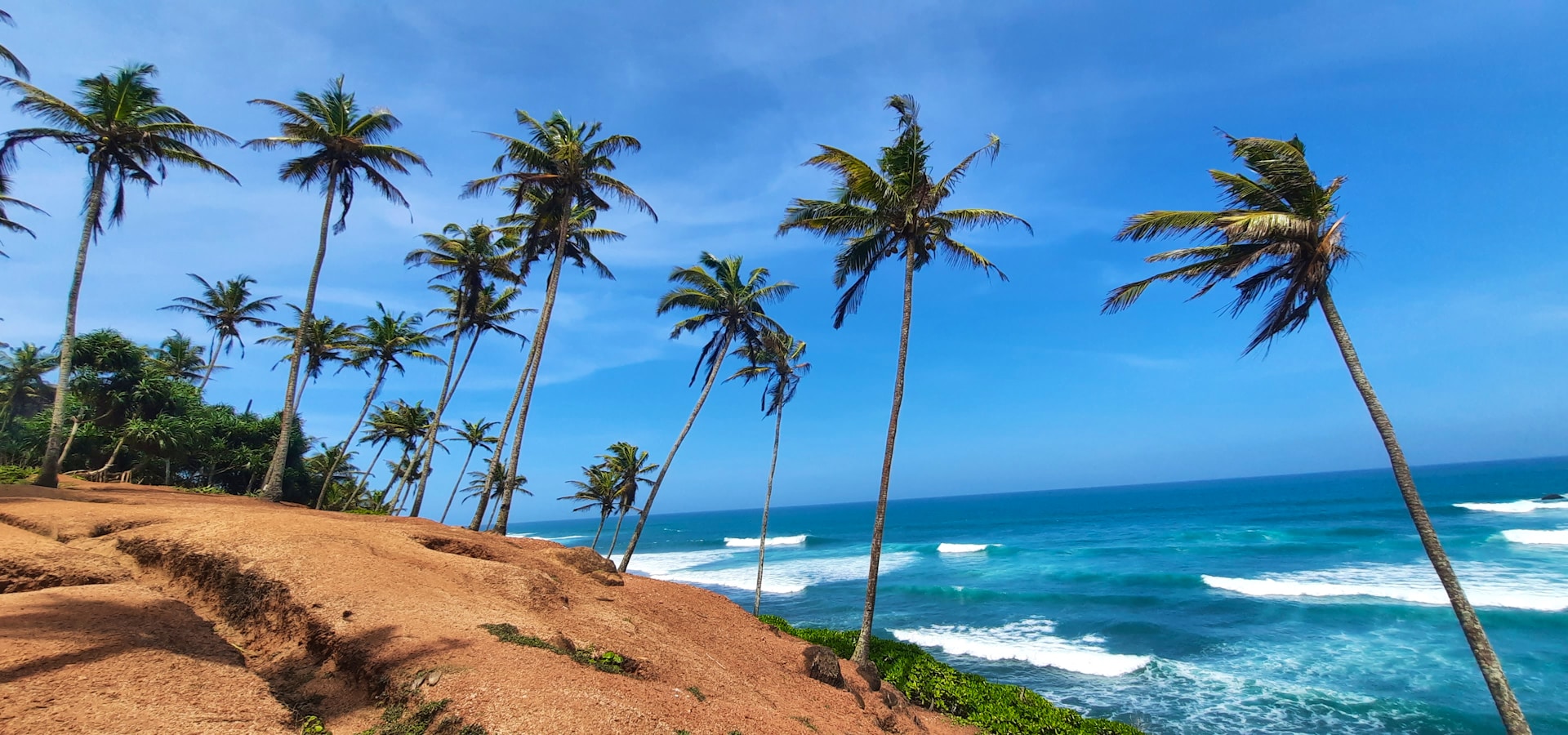
ARUGAM BAY
Sri Lanka's east coast flips the calendar — Arugam Bay's prime swell runs April–October when the south coast shuts down, with Main Point peeling 200–300m right.
About Arugam Bay
Arugam Bay sits on Sri Lanka's east coast and runs an opposite-monsoon calendar to Hikkaduwa, Mirissa and Weligama — its prime season is April to October, exactly when the south coast closes out in rain. The signature wave is Main Point, a long peeling right-hand point break that wraps the cape over a cobble-and-sand bottom for 200–300 metres.
Five kilometres north, Whisky Point offers a softer right-hand point for beginners and intermediates. The Tamil-Muslim village rebuilt after the 2004 tsunami and remains the country's classic right-point trip.
Surf level
| Skill level | Jan-Feb | Mar-Apr | May-Jun | Jul-Aug | Sep-Oct | Nov-Dec |
|---|---|---|---|---|---|---|
| Beginners | ||||||
| Intermediate | ||||||
| Advanced |
- Best time to go
- Good time to go
- Ok time to go
- Less desirable time to go
- Not recommended time to go
Weather & Travel Comfort


| Metric | Jan-Feb | Mar-Apr | May-Jun | Jul-Aug | Sep-Oct | Nov-Dec |
|---|---|---|---|---|---|---|
| Weather | ~24–28°C | ~25–30°C | ~27–32°C | ~26–32°C | ~26–31°C | ~24–28°C |
| Rainy days | 12d | 12d | 6d | 5d | 11d | 17d |
| What to Pack |  Water Temperature~28°C Water Temperature~28°C | Water Temperature~30°C | Water Temperature~29–30°C | Water Temperature~28–29°C | Water Temperature~28–29°C | Water Temperature~28–29°C |
- Boots if neededFor cold water or reef breaks
- Full protection wetsuitCold water
- Shorty / springsuitMild conditions
- No wetsuitWarm water
Tips for Surfing Arugam Bay
Sri Lanka's east coast flips the script: prime swell lands April through October, exactly when the south is rained out. The four tips below cover Whisky Point lessons, the opposite-monsoon window, and why mosquito repellent matters more than you'd think.

Beginners go to Whisky
Beginners: head to Whisky Point. Group lessons run US$15–US$25 for 2 hours.

Surf the Opposite Monsoon
April–October is prime — south coast is rained out, A-Bay's SW swell pumps clean.

Boardshorts Year-Round
Water sits 27–30°C all year. Pack a long-sleeve rashguard for UV — no wetsuit needed.
Bring Mosquito Repellent
East-coast mosquito risk is real — pack DEET repellent and ask about anti-malarials.
Frequently Asked Questions
When is the best time to surf in Arugam Bay?
Skill drives the answer. Beginners score from September through April at Whisky Point and Baby Point, when smaller 2–3ft swell makes for forgiving sessions. Intermediates peak from April to October across Main Point, Whisky and Peanut Farm. Advanced surfers come May through August for 4–8ft SW swell at Main Point — the signature right-hand point holds head-high+ cleanly with offshore winds grooming the cape at dawn.
Is Arugam Bay good for beginners?
Yes — at the right spot. Whisky Point, 5km north of the bay, is a mellow right-hand point with a soft take-off and long shoulder that schools use for stepping up from whitewater. Baby Point inside the village handles first-timers. Avoid Main Point in your first week — it gets crowded with 30+ intermediates and advanced locals mid-season, and the take-off zone is enforced. Peanut Farm offers a sand-bottom alternative.
How big do the waves get in Arugam Bay?
Waves run 2–4ft in early season (April) and build to 4–8ft from July through August. Main Point holds clean head-high+ rides for 200–300 metres on a SW swell, Whisky Point stays rideable up to 6ft thanks to the headland filtering size, and Pottuvil Point absorbs the overflow when Main is packed. Smaller days send everyone to Peanut Farm and Elephant Rock for sand-bottom alternatives.
Do I need a wetsuit to surf in Arugam Bay?
No wetsuit — water sits between 27°C and 30°C year-round. Boardshorts are the standard, and a long-sleeve rashguard is mandatory for UV protection through the equatorial sun. Some surfers ride in a thin lycra top during long sessions to prevent sunburn and rash. Pack reef-safe sunscreen for face and ears, since you'll be in the water for hours. Locals usually wear less than visitors — boardshorts only is fine.
How do I get to Arugam Bay from Colombo?
Three options from Colombo (CMB). Drive 7–8 hours via the southern expressway and Wellawaya — taxi around US$120, the most popular route. Fly Ratmalana to Batticaloa (BTC) with Cinnamon Air, then 2 hours south by car — fastest but seasonal. Train + bus is cheapest: Colombo Fort to Ella in 5 hours, then Pottuvil bus 4 hours — a full day, scenic through tea country. Plan for cash; tuk-tuks rarely take cards.
Where should I stay in Arugam Bay for surfing?
Stay in Arugam Bay village if you want the main strip — cafes, repair shops, tuk-tuks lined up, 5 minutes' walk to Main Point and Baby Point. Pick Whisky Point if you longboard daily and want 30-second beach access to the mellower right-hand point. Pottuvil town, 4km north, is the budget option with lower nightly rates and the main bus station, though you'll commute to every break.
Other regions in Sri Lanka
 1
1
The Ultimate Guide to Surfing in Arugam Bay
What makes Arugam Bay unique
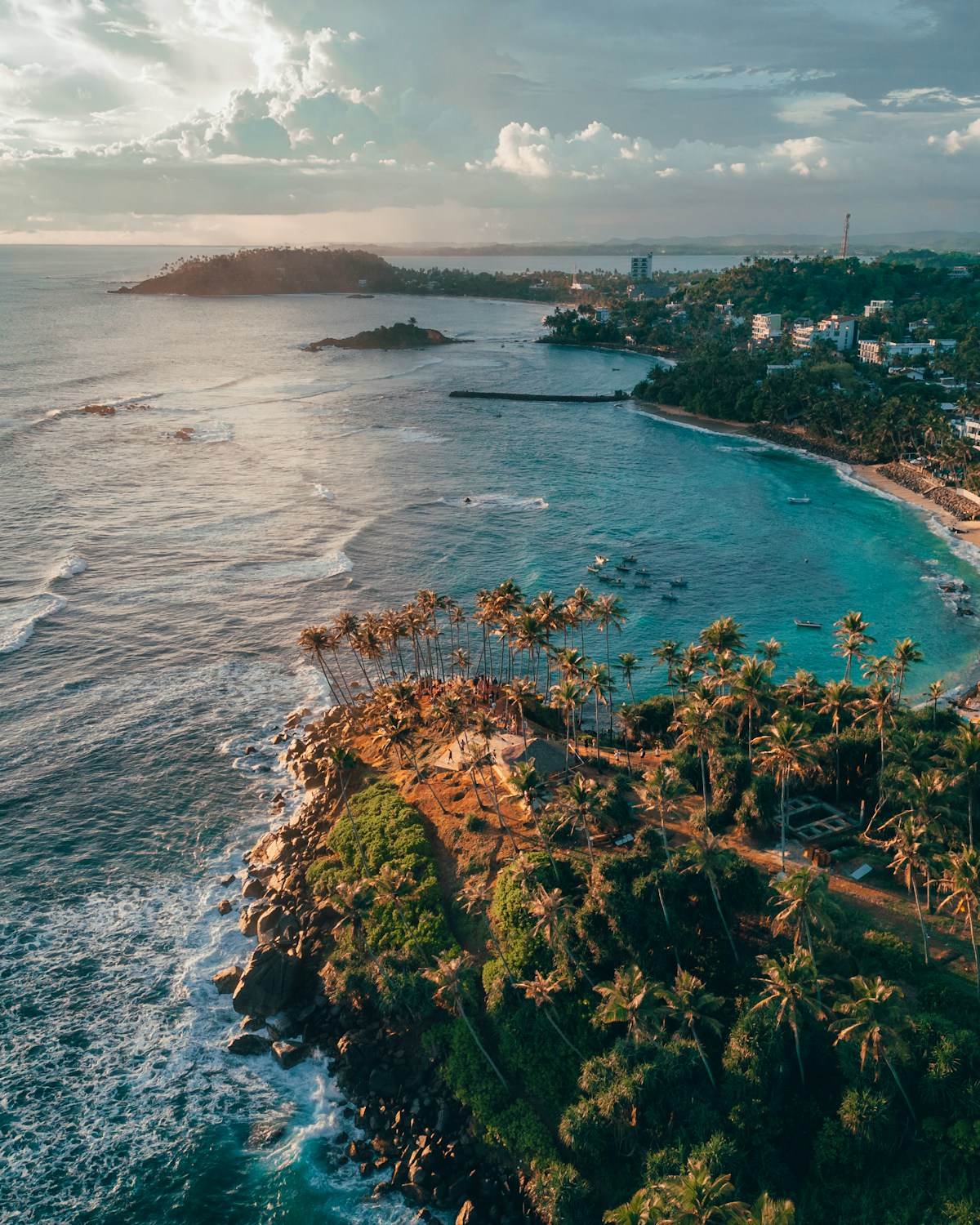
Arugam Bay — A-Bay to anyone who has been — sits on the east coast of Sri Lanka, 320km from Colombo across the island. Its single biggest editorial fact is the calendar flip: while the south-coast surf zone of Hikkaduwa, Mirissa and Weligama is shut down by monsoon rain from April through October, A-Bay runs its dry season and clean SW swell window in exactly that same stretch. The signature wave, Main Point, is a long right-hand point that wraps the cape and peels for 200 to 300 metres on a clean swell — one of the classic right points anyone planning a trip wave learns about early. The village itself is Tamil-Muslim majority, distinct from the Sinhalese-Buddhist south, with rice and curry plates that earn their reputation as post-session culture.
Arugam Bay surf spots by skill level
Main Point is the marquee. A long right-hand point breaking over a cobble-and-sand bottom, wrapping the cape with 200–300m rides on a clean SW swell, holding head-high+ and bigger. Peak season is May to August. Intermediate to advanced — and crowded with 30+ surfers mid-season.
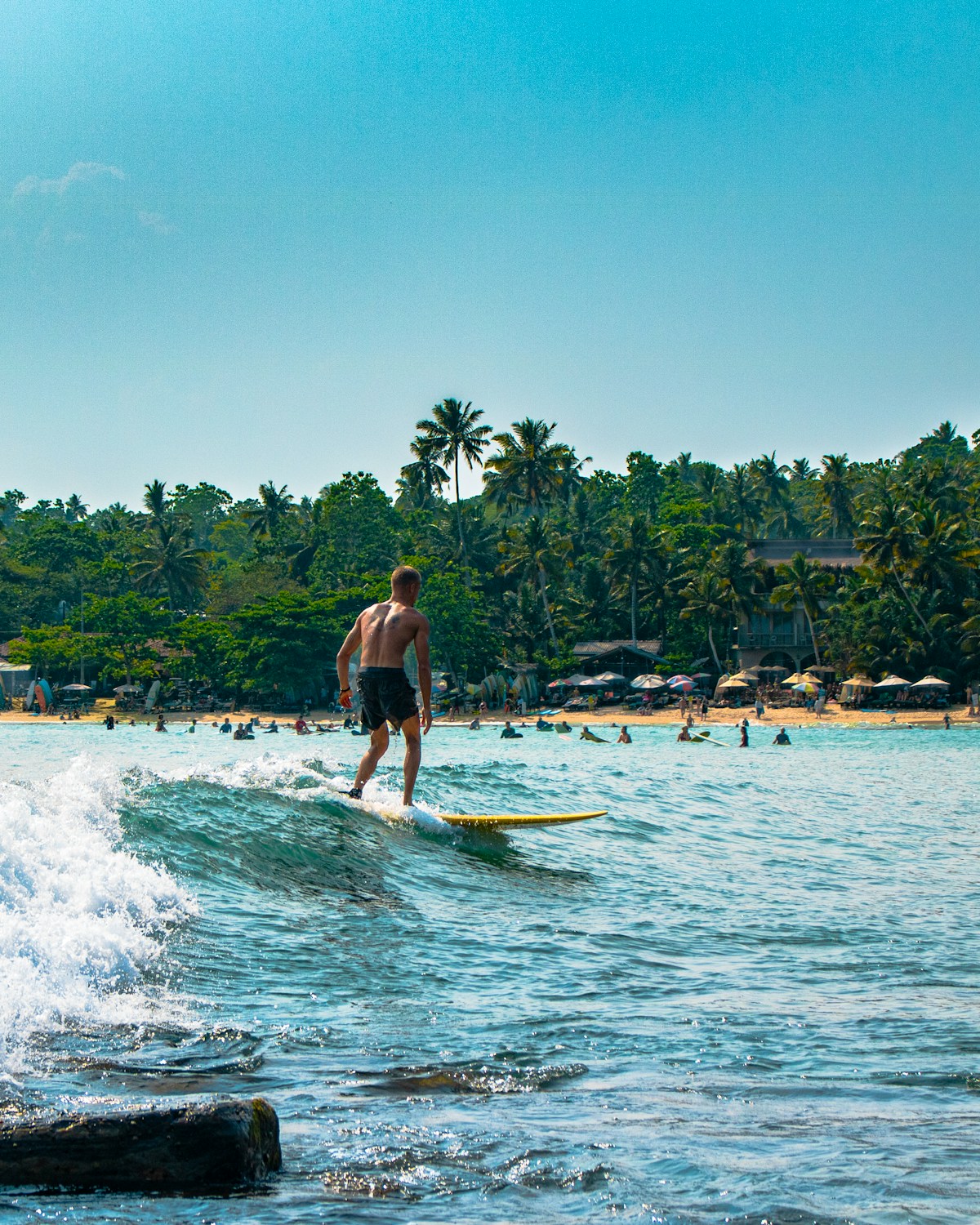
Whisky Point, 5km north, is the friendly alternative. A mellower right-hand point with a soft take-off and a long shoulder that suits longboards and improvers. Beginner to intermediate.
Pottuvil Point sits 7km north of A-Bay — a long, slower right-hand point that turns on when the southern points get crowded. Intermediate.
Peanut Farm, 5km south, breaks over sand with a long, slow shoulder that's ideal for learners stepping up from whitewater. Intermediate-friendly.
Elephant Rock is a sand-bottom beach 15 minutes south with multiple peaks — beginner to intermediate, mellower than Main on bigger days.
Crocodile Rock offers a protected reef-and-sand mix and is the gentlest option in the region. Beginner.
Baby Point sits inside Arugam Bay village itself — a small, protected wave that schools use for first lessons. Beginner-friendly. Lighthouse, an exposed reef south, rounds out the menu for advanced surfers.
When to surf Arugam Bay: month-by-month
April opens the season — 2–4ft on early SW pulses, water around 30°C, rainy days down from March highs. May and June rebuild — 4–6ft swell, lighter crowds before mid-season. July and August are peak — 4–8ft, Main Point holding head-high+ cleanly, water at 28–29°C, but 30+ surfers in the Main lineup midday. Whisky and Peanut Farm absorb the overflow. September is the tactical sweet spot — swell still consistent, August holiday crowds gone home. October is the shoulder, with rainy days climbing back to 15 a month. November to March is the off-season for surf — A-Bay's monsoon, with 11–18 rainy days and inconsistent swell. The whole village quiets down.
Where to stay in Arugam Bay
Arugam Bay village is the obvious pick — the strip along the main road puts you a 5-minute walk from Main Point and Baby Point, with cafes, repair shops and tuk-tuks lined up. Nightly rates run from budget guesthouses at US$15 to mid-range bungalows at US$60–US$120. Whisky Point has a small cluster of beach-front guesthouses that put you 30 seconds from the longboard wave — quieter, but you'll need a tuk-tuk to reach Main Point. Pottuvil town, 4km north of the bay, is the budget play with lower nightly rates and proximity to the bus station, though you'll commute to every break.
How to get to Arugam Bay from Colombo
Bandaranaike International (CMB) at Negombo is the entry point. From there, three options. Drive the southern expressway then inland through Wellawaya: 7–8 hours, around US$120 for a private taxi — the most popular route. Fly Colombo Ratmalana to Batticaloa (BTC) with Cinnamon Air, then 2 hours by car south to A-Bay — the fastest option but seasonal. Train + bus is the cheapest and most scenic: Colombo Fort to Ella runs 5 hours through tea country, then a 4-hour Pottuvil bus connects east. The combined journey takes a full day. Plan for cash — Sri Lankan rupee culture means tuk-tuks rarely take cards.
Surf schools and local culture
Three schools anchor the lesson scene: Surf N Sun, A-Bay Surf School and Hideaway Arugam Bay (a resort with in-house lessons). Surf Mama Arugam Bay rounds out the operator list. Group lessons run US$15–US$25 for two hours; soft-top rentals are US$5–US$10 per day.
A word on the lineup and the village. Modern surf travel arrived in the 1970s with Australians, but the 2004 Boxing Day tsunami flattened the village and killed over 250 people in Pottuvil district alone. The community rebuilt with help from international surf NGOs and small-business loans, and the 2009 end of Sri Lanka's civil war reopened the east coast to mass tourism. Etiquette at Main Point matters — sit down the line on your first sessions and don't drop in on the local crew. For half-day breaks from the water, the Department of Wildlife Conservation runs Lahugala Kitulana and Kumana national parks nearby — easy elephant-spotting trips between sessions.