

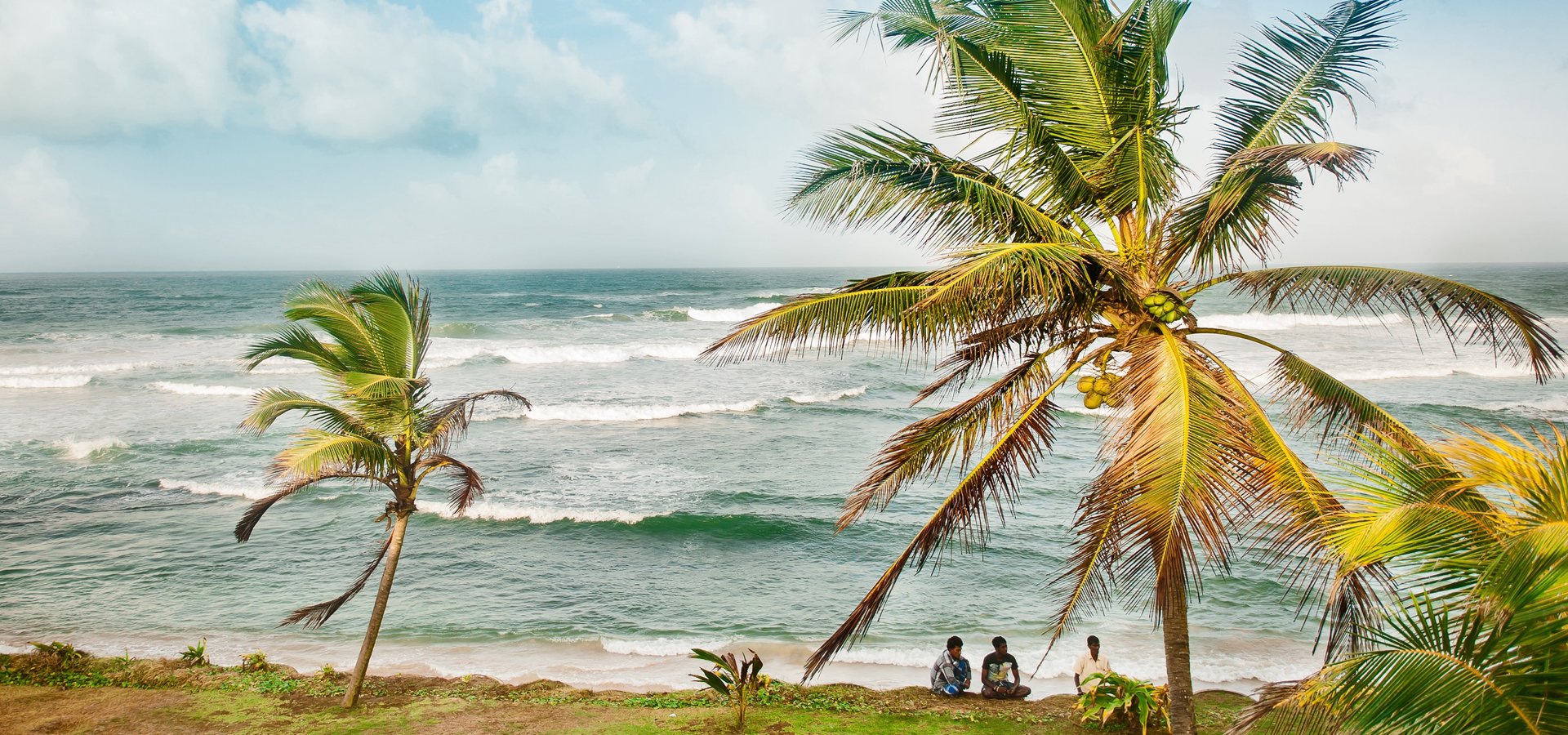
AHANGAMA
Sri Lanka's south-coast surf-camp epicentre — Ahangama packs 6 named reefs into 7km of coast, with mellow Marshmallows, hollow Insanity and warm 28C water year-round.
About Ahangama
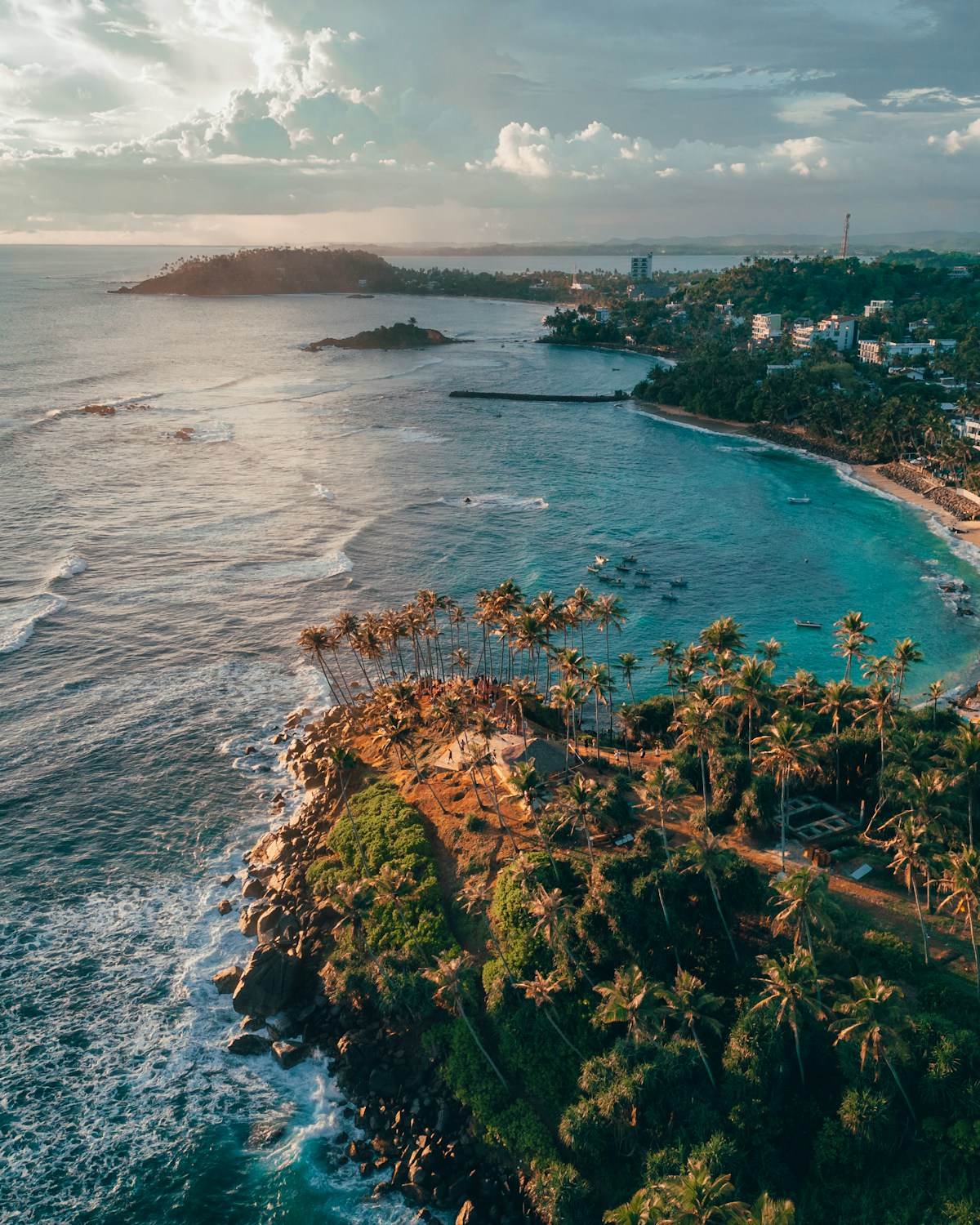
Ahangama is a 7km stretch of south-coast Sri Lanka, 10km west of Mirissa and 25km east of Hikkaduwa, with six named reef breaks inside a 2km radius. Where Hikkaduwa carries the dated 1970s pioneer scene and Weligama runs as the country's beginner factory, Ahangama is the boutique surf-camp and cafe-culture hub that exploded after 2018.
The marquee wave is Marshmallows, a soft right reef that suits learners and longboarders. Insanity breaks heavier next door for intermediates chasing speed and a short barrel section.
Surf level
| Skill level | Jan-Feb | Mar-Apr | May-Jun | Jul-Aug | Sep-Oct | Nov-Dec |
|---|---|---|---|---|---|---|
| Beginners | ||||||
| Intermediate | ||||||
| Advanced |
- Best time to go
- Good time to go
- Ok time to go
- Less desirable time to go
- Not recommended time to go
Weather & Travel Comfort


| Metric | Jan-Feb | Mar-Apr | May-Jun | Jul-Aug | Sep-Oct | Nov-Dec |
|---|---|---|---|---|---|---|
| Weather | ~24–29°C | ~25–29°C | ~25–28°C | ~25–28°C | ~25–28°C | ~24–28°C |
| Rainy days | 10d | 15d | 21d | 21d | 20d | 17d |
| What to Pack |  Water Temperature~28–29°C Water Temperature~28–29°C | Water Temperature~30°C | Water Temperature~29–30°C | Water Temperature~28°C | Water Temperature~28–29°C | Water Temperature~29°C |
- Boots if neededFor cold water or reef breaks
- Full protection wetsuitCold water
- Shorty / springsuitMild conditions
- No wetsuitWarm water
Tips for Surfing Ahangama
Sri Lanka's south coast wakes up November through March, when the SW monsoon retreats and Marshmallows offers soft right-reef peelers for newcomers. The four tips below cover everything from booties at Insanity to the boardshorts-year-round reality.

Start at Marshmallows
Beginners: head to Marshmallows for soft right-reef whitewater. Group lessons run US$25–US$35.

Surf the Dry Season
South-coast monsoon runs April–October. Time your trip November to March for clean offshore mornings.

Boardshorts All Year
Water sits 27–30°C every month. Skip the wetsuit — pack a long-sleeve rashguard.
Booties at Insanity
Insanity and The Right dry out on low tide. Wear booties for sharp coral.
Frequently Asked Questions
When is the best time to surf in Ahangama?
Skill drives the answer. Beginners score year-round at Marshmallows and Madiha, with the calmest water from December to March. Intermediates peak from November to March — clean SW swell, north offshore winds at dawn, and 28°C water. April to October is the south-coast monsoon, when most surfers either pause or relocate to Arugam Bay on the east coast where the wind reverses and the breaks fire instead.
Is Ahangama good for beginners?
Yes — it's one of Sri Lanka's strongest learner setups. Marshmallows is a soft right-hand reef with a mellow take-off and a long shoulder, and every school in the village runs group lessons here. Madiha, a sandy beach 5 minutes east toward Mirissa, is the alternative for first-timers who want sand bottom over reef. Avoid Insanity and The Right in your first week — both break heavier over shallower coral.
How big do the waves get in Ahangama?
Waves run 2–4ft most days and 3–6ft on prime southwest pulses from December to March. Marshmallows holds head-high cleanly on a solid swell, Insanity gets hollower and faster as size builds, and The Right holds shape up to head-high. Sri Lanka's south coast doesn't reach the Indonesian 10ft+ heights — Ahangama is an accessible-size destination, not a big-wave one.
Do I need a wetsuit to surf in Ahangama?
No. Water sits between 27°C and 30°C every month of the year, so boardshorts and a long-sleeve rashguard cover every session. The rashguard matters more than the warmth — equator sun on the south coast burns shoulders and back fast, especially mid-morning. Reef booties are the only extra piece worth packing, useful at Insanity and The Right where low tide exposes sharp coral entries.
How do I get to Ahangama from Colombo?
Fly into Bandaranaike International Airport (CMB) at Negombo, then drive south on the Southern Expressway E01 toll road. An airport taxi runs around US$50 for the 2h 30min trip; PickMe ride-hail covers the same route for around US$25. The slow scenic option is the coastal train from Colombo Fort station to Ahangama — a 4-hour ride for around 200 LKR (~US$1) in second-class.
Where should I stay in Ahangama for surfing?
Stay in central Ahangama if you want walkable cafes, surf-coliving spaces and 2-minute access to Marshmallows and Cabana Point — most trips work best here. Pick Kabalana, just east, if you want quieter beach access and mid-range guesthouses without the cafe density. Midigama, 5 minutes west, is the budget option: cheaper guesthouses and simpler food, with a short tuk-tuk hop to every break in the cluster.
Other regions in Sri Lanka
 1
1
The Ultimate Guide to Surfing in Ahangama
What makes Ahangama unique
Ahangama is a 7km coastal village on the south coast of Sri Lanka, sitting 10km west of Mirissa and 25km east of Hikkaduwa. Six named reef breaks stack inside a 2km section of coast, which is unusual density for a country whose surf scene started in the 1970s at Hikkaduwa and grew slowly until the south coast caught up. What separates Ahangama from its neighbours is the post-2018 boom: Australian and German operators opened the first boutique surf-coliving spaces — Verse Collective and Salt House catalysed the wave — and specialty coffee, cafe culture and reliable Wi-Fi turned a fishing strip into a remote-work surf hub. The 2004 Boxing Day tsunami hit this coast hard; the surf-tourism rebound since has been one of the country's clearest economic recoveries, and the Tsunami memorial sites at Telwatta and Galle, 30 minutes west, give the lineup its context.
Ahangama surf spots by skill level
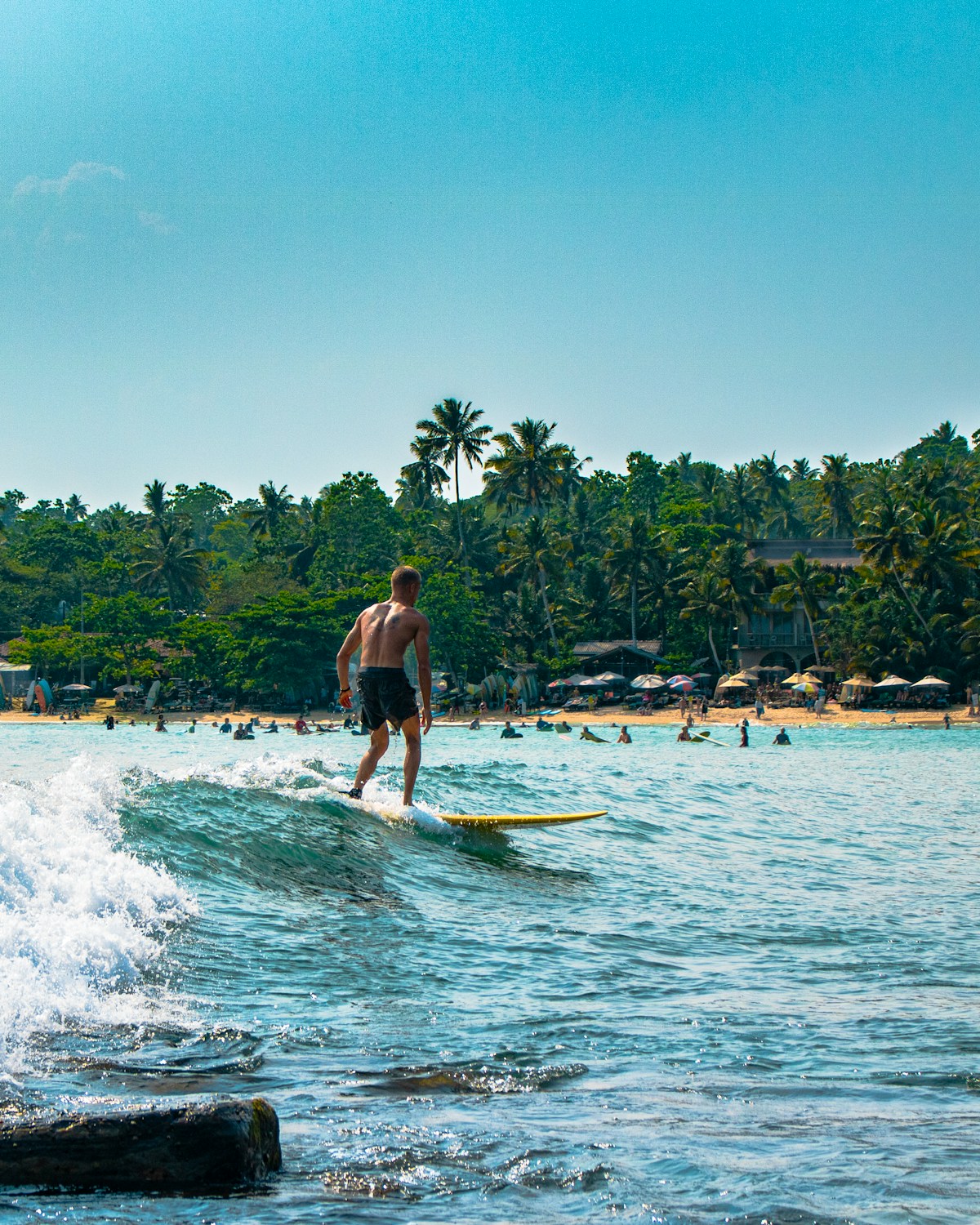
Marshmallows (also called Marshys) is the marquee. A soft right-hand reef break on the west end of Ahangama with a mellow take-off and a long shoulder, breaking on most south-southwest swells with a north offshore wind. Beginner to intermediate — schools run group lessons here daily.
Insanity sits right next to Marshmallows and breaks heavier — a faster, hollower right with a short barrel section over shallower reef. Best on a clean SW pulse with light morning offshore. Intermediate to advanced.
The Right (Ahangama Right) is a longer right-hander next to the main reef, holding head-high on solid swell with a workable wall for turns. Intermediate.
Plantation Point is the exposed left, west of the main cluster. Punchier, less crowded, and best when SW swell wraps in clean. Intermediate.
Cabana Point sits central in Ahangama — a clean right reef that breaks on most south swells over a forgiving inside section. Intermediate.
Bay Point is a small protected reef tucked inside the bay, often the answer when bigger breaks max out. Beginner to intermediate.
Madiha, a sandy beach 5 minutes east toward Mirissa, rounds out the menu for first-timers when the reefs feel busy.
When to surf Ahangama: month-by-month
November to March is the prime window. Wave size runs 2–4ft typical with 3–6ft pulses, water sits at 28–29°C, and the dry season delivers clean north-and-northeast offshore winds at dawn. Expect Marshmallows and Insanity to crowd up by 8am — schools time the lesson rotation early. April and October are the shoulder months: still rideable but the south-coast monsoon ramps up rain and onshore wind. May to September is monsoon season — heavy rain, blown-out south-coast surf, and most camps either close or relocate guests to Sri Lanka's east coast (Arugam Bay) where wind reverses and the breaks fire. Water temperature barely moves all year, sliding between 27.9°C in August and 29.9°C in April.
Where to stay in Ahangama
Central Ahangama — the strip between Marshmallows and Cabana Point — is the obvious pick. Boutique surf-coliving spaces, cafes serving egg hoppers and flat whites, and 2-minute walks to the reefs. Higher prices but no transport hassle. Kabalana (just east) groups several mid-range guesthouses around a quieter beach, useful if you want surf access without the cafe scene. Midigama (5 minutes west) is the budget play: cheaper guesthouses, simpler food, and a 5-minute tuk-tuk to the main breaks. Roti, kottu (chopped roti stir-fry), egg hoppers and dhal are the post-session staples — every village has a rice-and-curry kitchen worth eating at.
How to get to Ahangama from Colombo
Fly into Bandaranaike International Airport (CMB) at Negombo — the country's only international hub. From there, the Southern Expressway E01 toll road runs straight south. Airport taxi to Ahangama costs around US$50 and takes 2h 30min; a PickMe ride-hail covers the same trip for around US$25 if you book at the airport curb. Trains run from Colombo Fort station south on the coastal line — Ahangama station sits on the track, a 4-hour slow scenic ride that costs around 200 LKR (~US$1) for second-class. Tuk-tuks handle every trip inside the village; fix the price (LKR 200–500) before you get in.
Surf schools, gear rentals and local culture
Three operators anchor the lesson and rental scene: Verse Collective for surf-coliving, Salt House Sri Lanka for boutique camps, and Bay Surf School Ahangama plus Sunshine Stories for daily group lessons. Soft-top rentals run US$8–US$12/day, performance shortboards US$15–US$20/day, and longboards US$20–US$25/day with limited stock in peak season. A note on etiquette: Marshmallows fills with school groups by mid-morning, so dawn is the only quiet window for non-students. Locals at Insanity and The Right surf hard and expect respect — sit wide on your first sessions and let the regulars rotate. For wider context on the country, Sri Lanka Tourism Promotion Bureau and Lonely Planet's south-coast guide cover food, transport and the tsunami recovery story in more depth.