

CADIZ
Spain's warmest surf water (14–22°C) wraps Costa de la Luz — Cadiz delivers Atlantic NW swells at El Palmar, south swells at Caños de Meca and boardshorts July–August.
About Cadiz
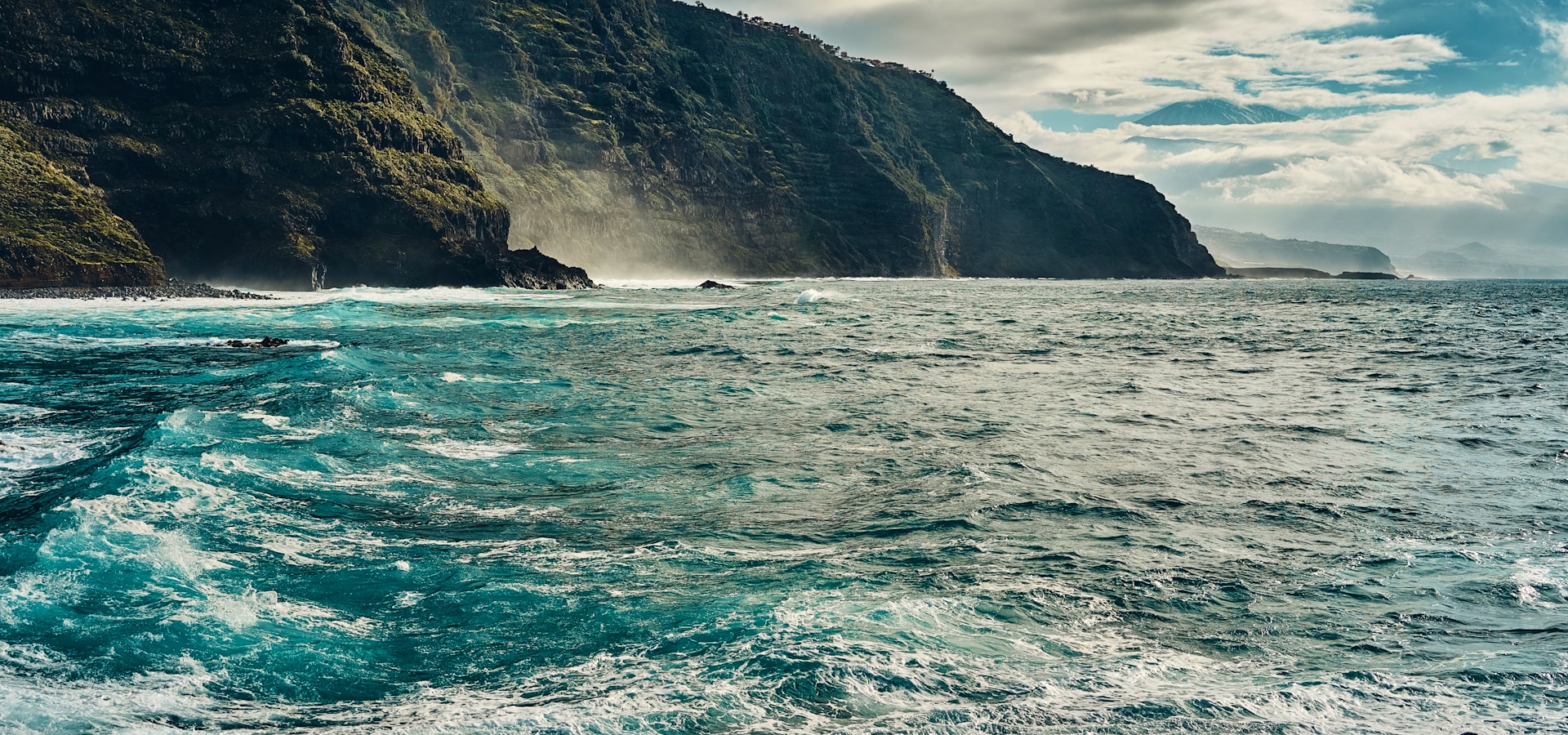
Cadiz anchors Andalusia's Costa de la Luz, a 70km Atlantic coastline of white-washed villages and sand dunes southwest of Seville. The water here is the warmest in mainland Spain — 22°C in August, never below 14°C in winter — and the southwest exposure picks up both NW Atlantic swells and rare south swells.
The basecamp break is El Palmar, a long sandy beach where every school sets up. Down the coast, Caños de Meca throws A-frames near Cape Trafalgar.
Surf level
| Skill level | Jan-Feb | Mar-Apr | May-Jun | Jul-Aug | Sep-Oct | Nov-Dec |
|---|---|---|---|---|---|---|
| Beginners | ||||||
| Intermediate | ||||||
| Advanced |
- Best time to go
- Good time to go
- Ok time to go
- Less desirable time to go
- Not recommended time to go
Weather & Travel Comfort


| Metric | Jan-Feb | Mar-Apr | May-Jun | Jul-Aug | Sep-Oct | Nov-Dec |
|---|---|---|---|---|---|---|
| Weather | ~12–18°C | ~15–22°C | ~20–28°C | ~24–32°C | ~21–27°C | ~13–19°C |
| Rainy days | 8d | 5d | 2d | 0d | 3d | 7d |
| What to Pack |  Water Temperature~14–15°C Water Temperature~14–15°C | Water Temperature~14–15°C | Water Temperature~17–20°C | Water Temperature~22°C | Water Temperature~19–22°C | Water Temperature~15–17°C |
- Boots if neededFor cold water or reef breaks
- Full protection wetsuitCold water
- Shorty / springsuitMild conditions
- No wetsuitWarm water
Tips for Surfing Cadiz
Spain's southernmost Atlantic stretch reads two winds — Levante grooms the west beaches, Poniente cleans the south-facing Caños. The four tips below cover El Palmar for newcomers, when to switch coasts, and why you'll skip Tarifa entirely.

Start at El Palmar
Beginners: head to El Palmar. Group lessons run €25–€40 for 2 hours.

Read the Two Winds
Levante (E) grooms west beaches; Poniente (W) cleans south-facing Caños — switch coasts daily.

Wetsuit by Season
Boardshorts July–August (22°C), 3/2mm spring and autumn, 4/3mm December–February.
Skip Tarifa for Surf
Tarifa belongs to kite and windsurf crews — drive 40min back to El Palmar for clean lines.
Frequently Asked Questions
When is the best time to surf in Cadiz?
Skill drives the answer. Beginners score March to November at El Palmar, when 2–4ft mush and 17–22°C water make for forgiving sessions. Intermediates peak October to April — clean NW swell at El Palmar and Caños de Meca with Levante offshores grooming the lineups. Advanced surfers come December through February for 5–8ft Atlantic groundswell, when the coast holds size and the crowds drop to local-only.
Is Cadiz good for beginners?
Yes — El Palmar is one of the friendliest learning beaches in Europe. The 4km strip of soft sand bottom produces forgiving whitewater across most of its length, and the warm water (17–22°C from May through November) means longer sessions in less rubber. Schools cluster on the southern half. Avoid Caños de Meca and Roche your first week — the peaks are punchier and the takeoff zones tighter.
How big do the waves get in Cadiz?
Waves run 2–4ft most of summer and 4–8ft from October to March. El Palmar holds clean head-high peaks on solid NW swell, Caños de Meca throws fast A-frames up to head-and-a-half when south swell lines up, and Bolonia opens up on the bigger Atlantic pulses. Genuine double-overhead days are rare here — the continental shelf softens the biggest North Atlantic swells before they reach the coast.
Do I need a wetsuit to surf in Cadiz?
Not always. Water sits at 22°C in July and August, so most surfers ride boardshorts or a swimsuit through high summer. A 3/2 fullsuit covers spring and autumn (15–20°C), and a 4/3 handles December through February when the sea drops to 14°C. Boots and gloves are unnecessary year-round — Cadiz has the warmest surf water in mainland Spain.
How do I get to Cadiz from Jerez?
Fly into Jerez Airport (XRY) and rent a car for the 45-minute drive south on the A-48 to El Palmar. Seville (SVQ) is 1h 45min away with more international routes and often cheaper long-haul fares. From Madrid, the drive is around 6 hours on the A-4 toll motorway. Renfe trains connect Cadiz city to Seville hourly (1h 45min, €17), but you'll still need wheels for the coast — see Andalucia.org for routes.
Where should I stay in Cadiz for surfing?
Stay in El Palmar if you want to walk to the lineup — surf hostels and beach houses sit 30 metres from the sand, the perfect dawn-patrol setup. Pick Conil de la Frontera for white-village charm, a working fishing harbour and tapas bars, with a 10-minute drive to El Palmar. Vejer de la Frontera, a clifftop pueblo blanco 12km inland, is the cultural and budget option for non-surf days.
Other regions in Spain
The Ultimate Guide to Surfing in Cadiz
Why Cadiz works year-round
Three facts separate Cadiz from every other surf region in Spain. First, the water: the Costa de la Luz sits where the Atlantic meets the Strait of Gibraltar, and a quirk of currents keeps the sea between 14°C in February and 22°C in August — the warmest mainland Spanish coast by 4–6°C. Second, the swell window: the coastline arcs southwest, so it catches the same NW Atlantic groundswells that light up Algarve reefs 80km west, but it also picks up rare south swells that the Portuguese coast misses entirely. Third, the wind regime: two named coastal winds dominate, the Levante blowing east and offshore for west-facing beaches like El Palmar, and the Poniente blowing west and offshore for south-facing breaks like Caños de Meca. When one beach is blown out, drive 20 minutes and the other is glassy. The official tourism board, Andalucia.org, maps the dual-wind logic in detail.
Cadiz surf spots by skill level
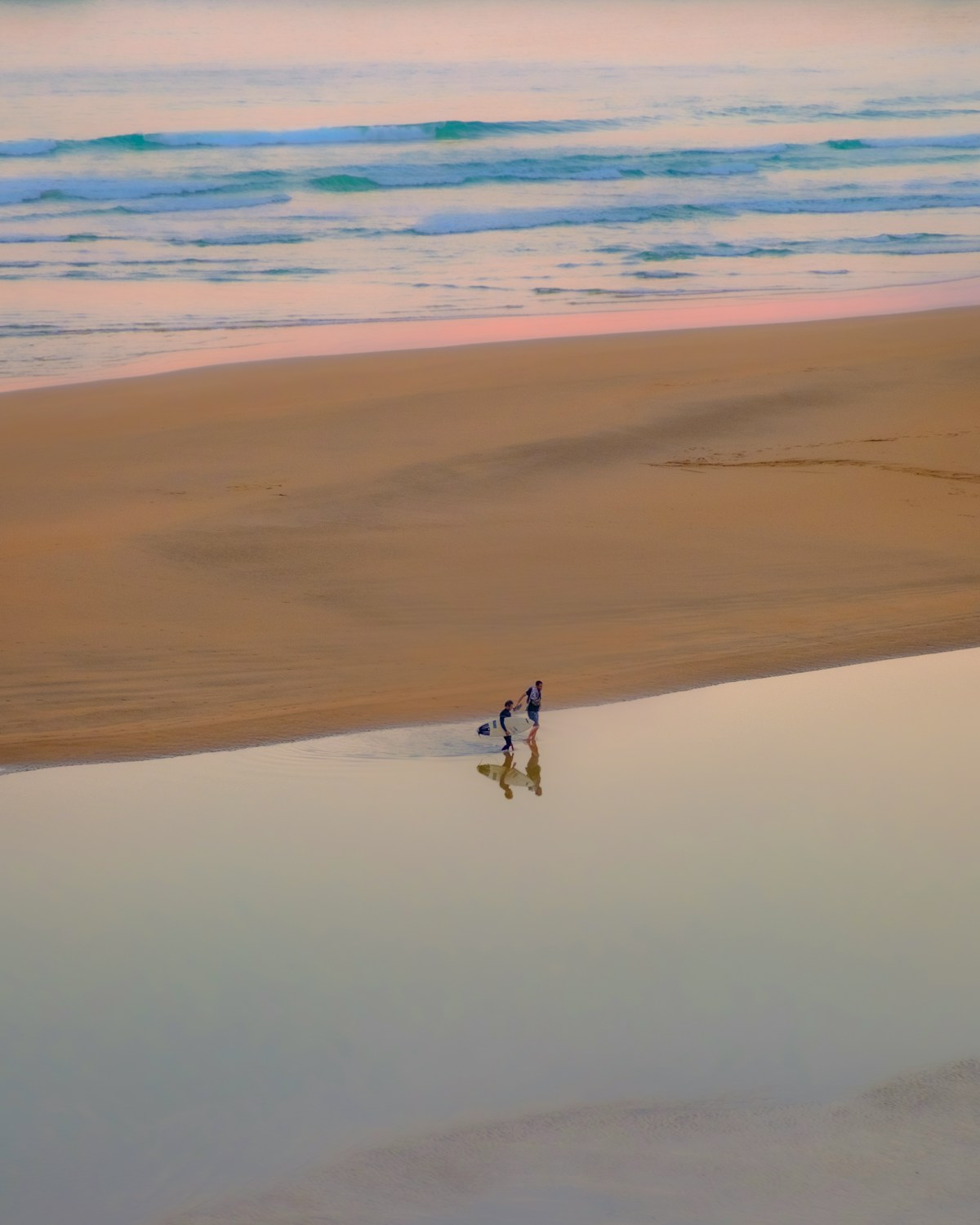
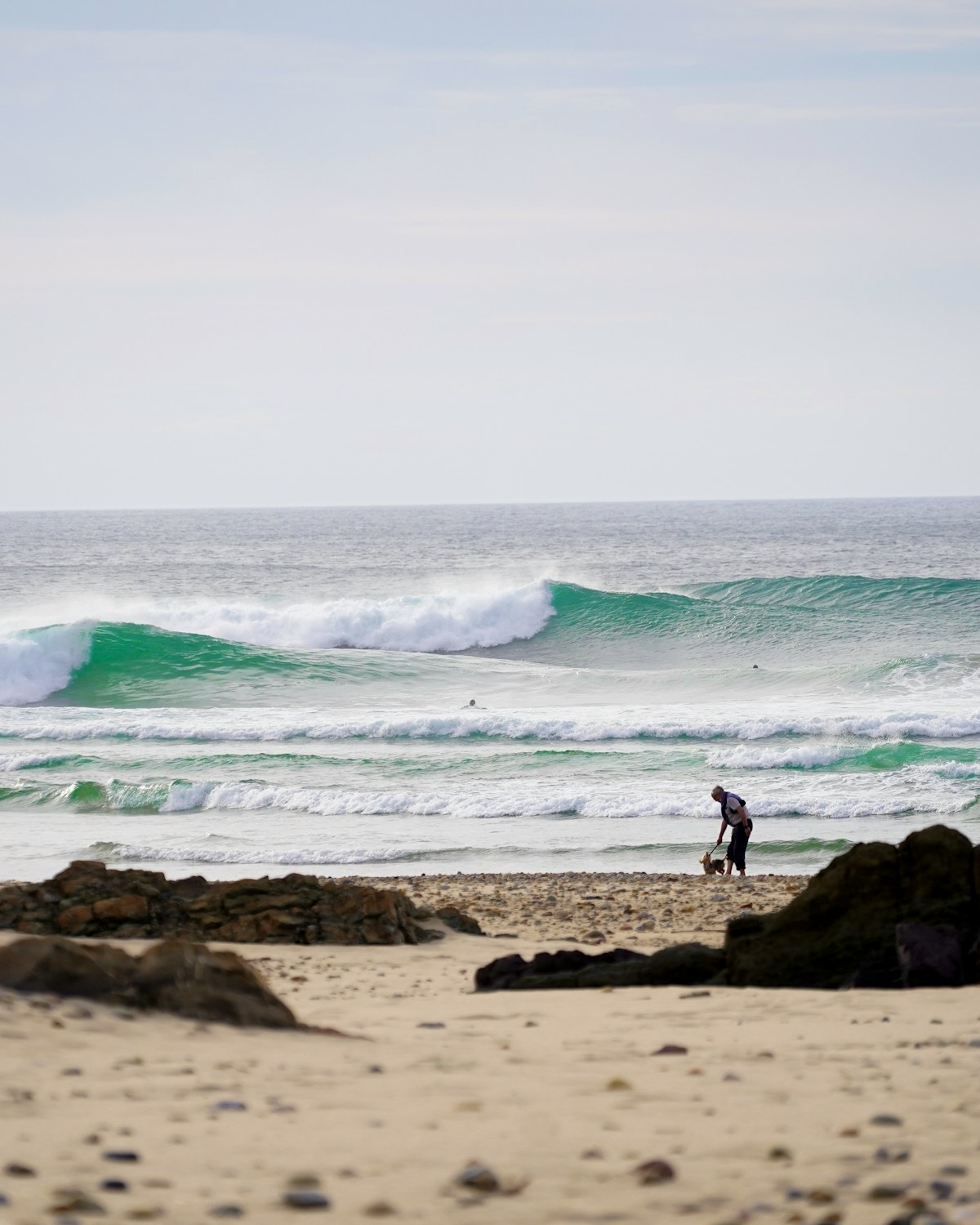
El Palmar is the marquee. A 4km west-facing sandy beach break that produces consistent shoulder-to-head-high peaks on NW swell with E Levante offshore. Every school in the region clusters along the southern half. Peak season runs October to April. Beginners through intermediates.
Conil de la Frontera strings sandy beach breaks along the cliffs north of El Palmar — Fuente del Gallo and Cala del Aceite both pick up NW pulses on smaller days. Mellow walls, soft sand bottom. Beginners and improvers.
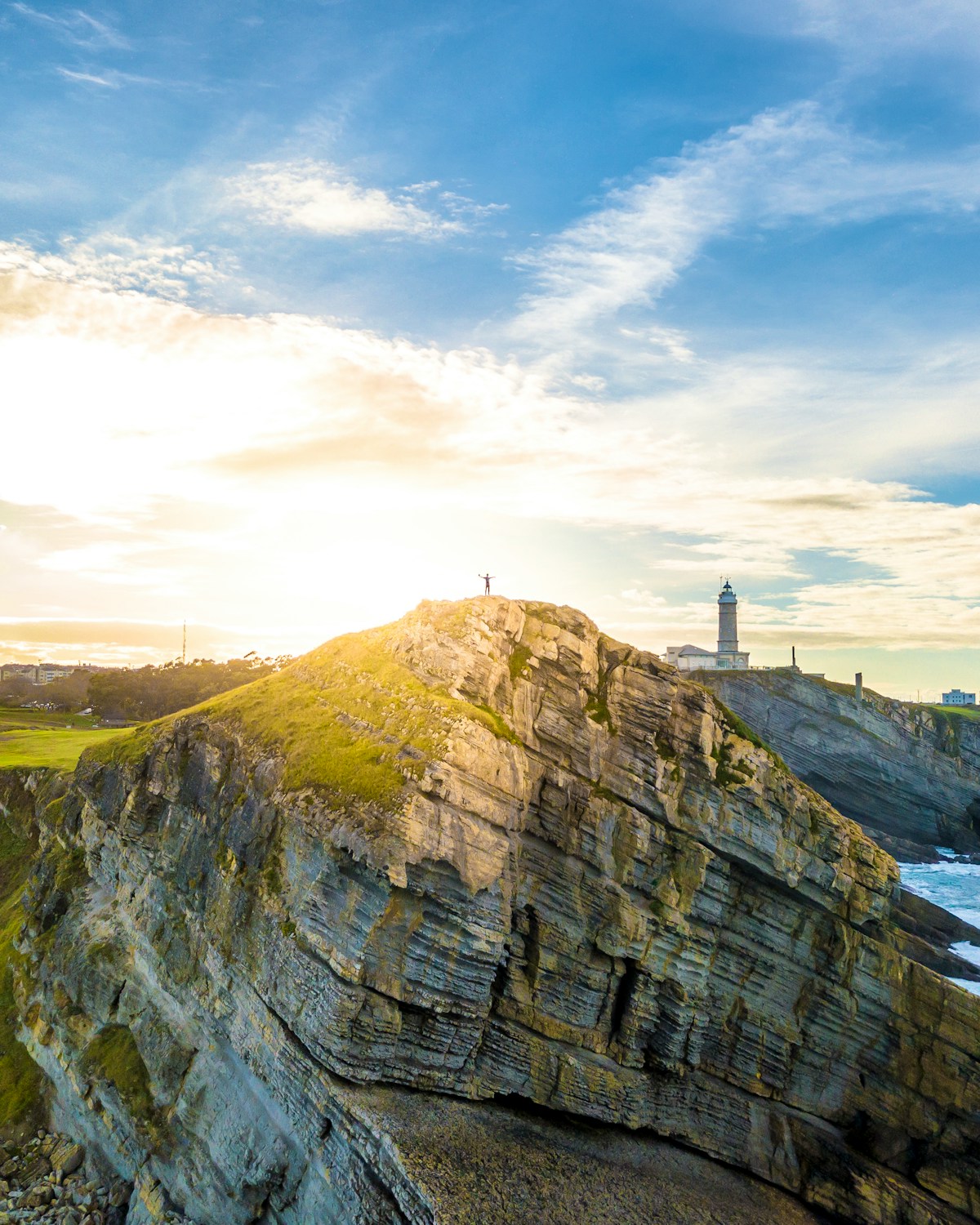
Caños de Meca sits near the Cape Trafalgar lighthouse, where the coast bends south. South-facing peaks throw fast A-frames on south or southwest swell with W Poniente offshore. The wave is punchier than El Palmar and crowds thin out fast. Intermediates and advanced.
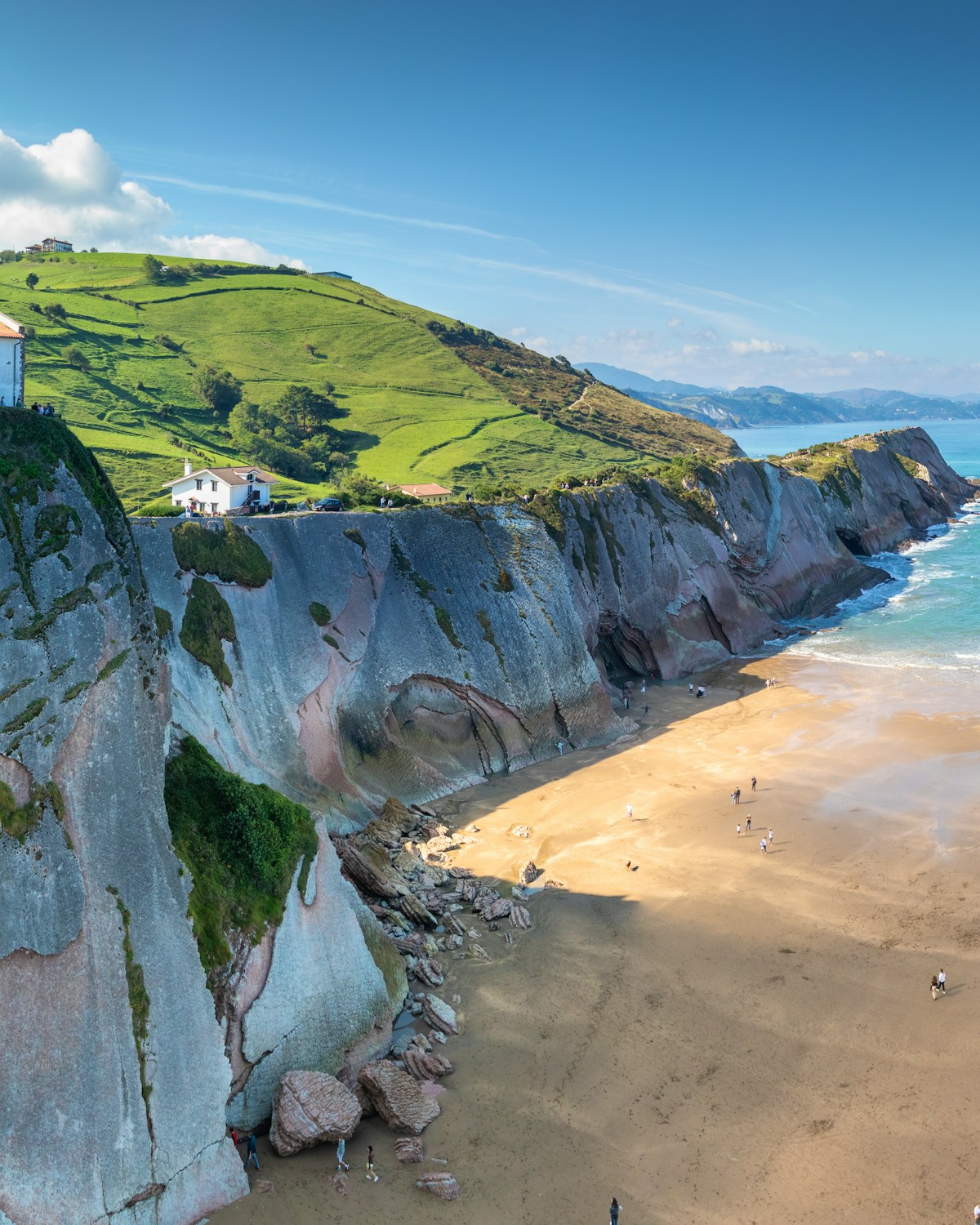
Bolonia is the postcard break — a wide bay backed by Europe's largest natural sand dune (30m tall) and Roman ruins. Sand-bottom peaks that work on NW and W swell. Wind-exposed: surf early before the afternoon thermals kick in. All levels when small, intermediates when bigger.
Roche sits between Conil and El Palmar under low cliffs, with sandy peaks that reward solid NW swell and patient line-up reading. Intermediates.
Note on Tarifa, 40km southeast: the wind funnels through the Strait at 30+ knots most days, which is why the global kite and windsurf scene lives there. For surfboards, drive back northwest.
When to surf Cadiz: month-by-month
October to March is the swell window. NW Atlantic groundswell stacks in at 4–8ft, water cools from 19°C in October to 14°C in February, and Levante mornings groom El Palmar at dawn. December through February run the biggest, coldest sessions — a 4/3 fullsuit is mandatory and rain hits eight days a month. April to June opens the shoulder: 3–5ft swell, water climbing to 17–20°C, only 1–4 rainy days, and the crowds still thin. July to August is summer mode — water at 22°C, boardshorts only, 2–3ft mush, every school packed at El Palmar from 9am, and the Levante blowing strong some afternoons. Beginners thrive; intermediates head to Caños on south swell. September and October are the local sweet spot: 21°C water, swell rebuilding, and the Spanish holiday tide ebbing back to Madrid.
Where to stay in Cadiz
El Palmar is the surf basecamp. A linear strip of beach houses, surf hostels and chiringuitos sitting 30 metres from the lineup — wake up, walk across sand, paddle out. Higher prices in July–August, mellow off-season. Conil de la Frontera is the white-village pick: cobblestone streets, a working fishing harbour, tapas bars on Plaza de España, and a 10-minute drive to El Palmar. Best balance of culture and surf access. Vejer de la Frontera, a clifftop pueblo blanco 12km inland, is the non-surf-day base — Moorish lanes, sherry bars and a 15-minute drive down to the coast. Lower summer prices than the beach towns.
How to get to Cadiz from Jerez
The closest airport is Jerez (XRY), 45 minutes by car from El Palmar via the A-48. Several airlines run direct flights from London, Frankfurt and Madrid. Seville (SVQ) is 1h 45min away and carries more international routes — usually cheaper if you're flying long-haul. From Madrid, the drive is about 6 hours on the A-4. Cadiz city has a Renfe train station with hourly service from Seville (1h 45min, around €17 one way), but you'll need a car or a bus from there to El Palmar — public transport along the coast is thin, and most surfers rent at the airport.
Surf schools, gear rentals and local culture
The established schools cluster on the El Palmar beachfront: 9 Pies Surf School, Cádiz Wave Surf and Buena Onda — useful reference points whether you book with them or elsewhere. Group lessons run €25–€40 for two hours, board and wetsuit included. Soft-top rentals run €10–€15/day, performance shortboards €20–€30/day. Longboards are limited stock; reserve ahead in summer.
A cultural note: surfing arrived in Cadiz in the 1980s, decades after it took root in northern Spain, and the region still wears that late-bloomer character. Lineups are smaller and more relaxed than Ericeira or Hossegor, locals share waves freely with respectful visitors, and the post-session ritual — sherry from Jerez, fried fish at the chiringuito, a sunset over the Atlantic — defines the rhythm here as much as the surf itself.