

BASQUE COUNTRY
European competitive surfing was born here in the 1960s — the Basque Country pairs Mundaka's legendary left with pintxos bars, from Bilbao 45min to a WSL-stop river mouth.
About Basque Country
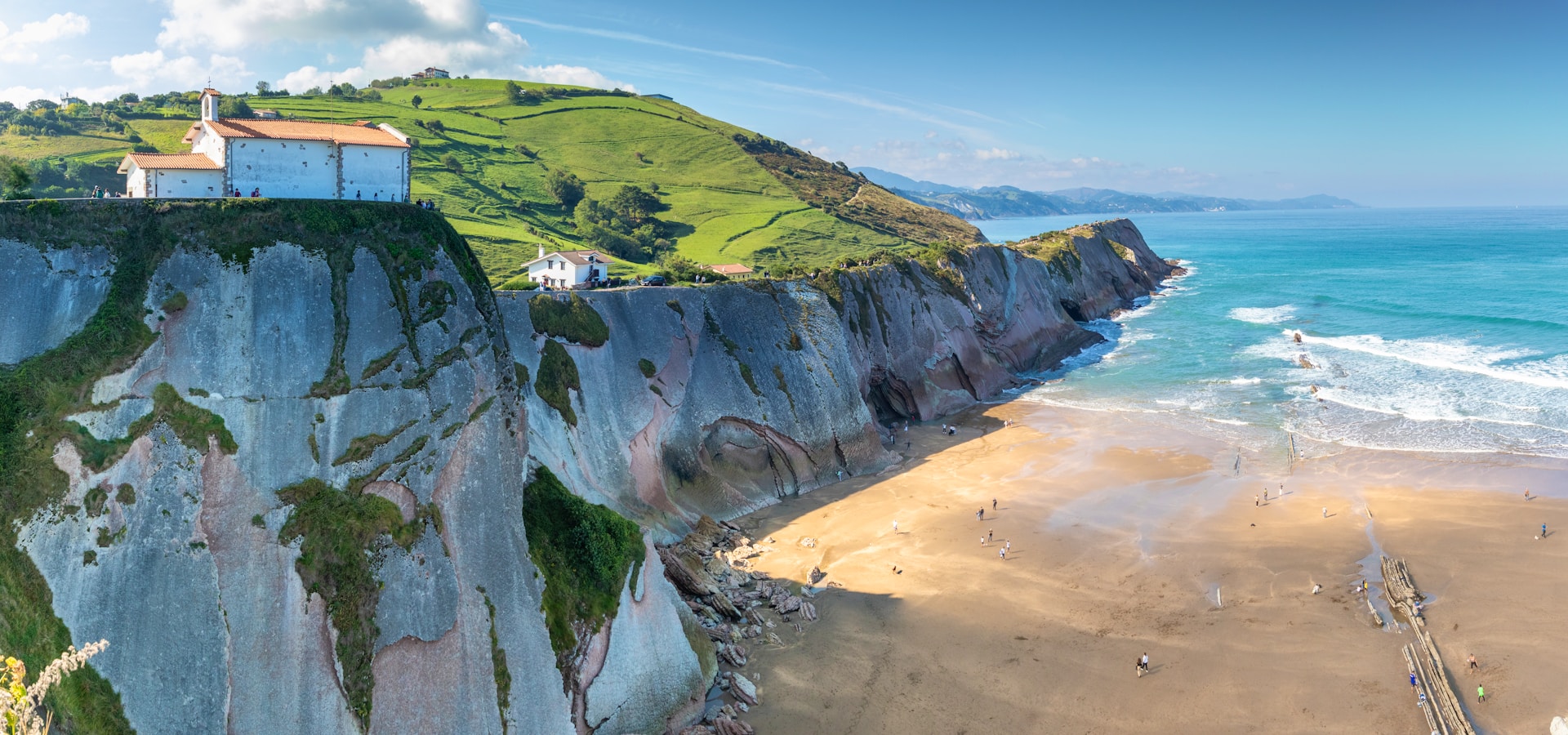
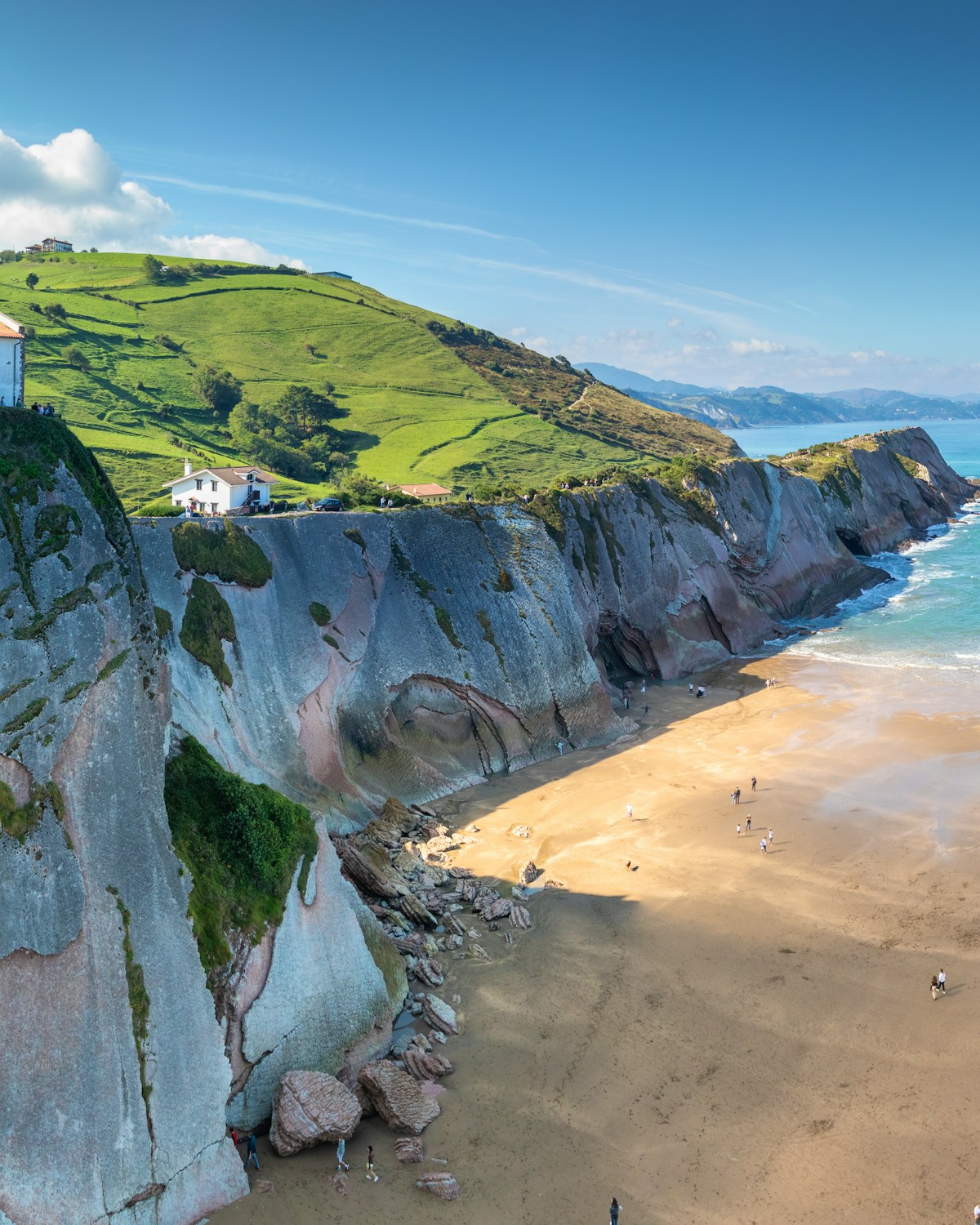
The Basque Country (Euskadi) wraps the Bay of Biscay along Spain's northern edge, where Euskara-speaking fishing villages sit beneath green cliffs. Surfing crossed into continental Europe through this coastline in the 1960s, making it the historical heart of the sport on the continent.
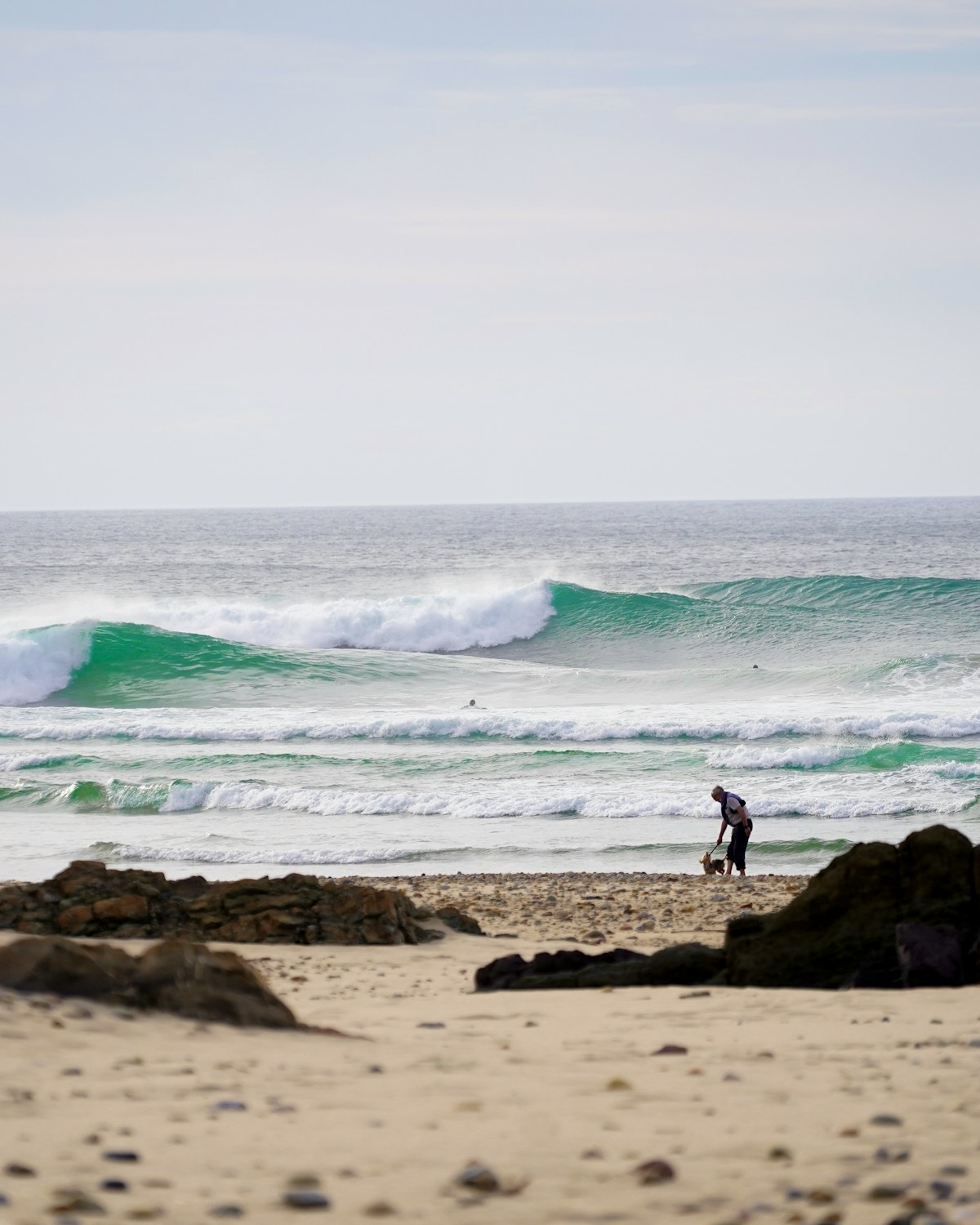
The marquee wave is Mundaka, a sand-on-river-mouth left that has hosted the WSL Championship Tour. Zarautz stretches 2.5km of beach break for schools, and city surfers ride La Zurriola under San Sebastián's belle-époque skyline.
Surf level
| Skill level | Jan-Feb | Mar-Apr | May-Jun | Jul-Aug | Sep-Oct | Nov-Dec |
|---|---|---|---|---|---|---|
| Beginners | ||||||
| Intermediate | ||||||
| Advanced |
- Best time to go
- Good time to go
- Ok time to go
- Less desirable time to go
- Not recommended time to go
Weather & Travel Comfort


| Metric | Jan-Feb | Mar-Apr | May-Jun | Jul-Aug | Sep-Oct | Nov-Dec |
|---|---|---|---|---|---|---|
| Weather | ~7–13°C | ~9–16°C | ~14–21°C | ~17–24°C | ~14–20°C | ~8–14°C |
| Rainy days | 13d | 12d | 11d | 8d | 11d | 13d |
| What to Pack |  Water Temperature~11–12°C Water Temperature~11–12°C | Water Temperature~11–12°C | Water Temperature~14–16°C | Water Temperature~18–19°C | Water Temperature~16–18°C | Water Temperature~12–13°C |
- Boots if neededFor cold water or reef breaks
- Full protection wetsuitCold water
- Shorty / springsuitMild conditions
- No wetsuitWarm water
Tips for Surfing Basque Country
Spain's Atlantic corner builds with September–March NW swells that can light up Mundaka into one of Europe's heaviest left-hand barrels. The four tips below cover Zarautz for newcomers, sandbank reports for chasing, and Mundaka's zero-tolerance pecking order.

Start at Zarautz
Beginners: head to Zarautz. Group lessons run €35–€55 for 2 hours.

Chase NW Swell at Mundaka
Mundaka lights up Sept–Mar on big NW swells — check sandbank reports before driving.

Wetsuit by Season
4/3mm November–May, 3/2mm July–October. Boots optional in February's 11°C water.

Sit Wide at Mundaka
Mundaka has zero tolerance for inside hassling. Earn the lineup with three respectful sessions first.
Frequently Asked Questions
When is the best time to surf in the Basque Country?
Skill drives the answer. Beginners score from May to August at Zarautz and La Zurriola, when 2–4ft mush and 16–19°C water make for forgiving sessions. Intermediates peak May through September — clean shoulder swell at Sopelana and Bakio, smaller crowds, water still warm. Advanced surfers come September through March for Mundaka, Meñakoz and the big NW Atlantic pulses, with S offshore winds grooming the river-mouth bank.
Is the Basque Country good for beginners?
Yes — but pick the right beach. Zarautz, a 2.5km sand-bottom break 25km west of San Sebastián, is where every regional surf school sets up from May through September. The wave takes size gently and forgives mistakes. Avoid Mundaka, Meñakoz and Pedra Branca-style reef setups in your first weeks: they're heavy waves with strict local pecking orders that punish hassling.
How big do the waves get in the Basque Country?
Waves run 2–4ft most of summer and 4–12ft from September to March. Mundaka holds head-and-a-half lefts on a clean NW swell, Meñakoz absorbs 10–15ft on giant winter pulses, and Zarautz stays rideable up to 6ft thanks to its long beach footprint. Small days send everyone to La Zurriola and the inside reform at Sopelana.
Do I need a wetsuit to surf in the Basque Country?
Yes, year-round. Water sits between 11°C in February and 18.8°C in August. A 3/2 fullsuit covers July through October, while a 4/3 handles November through June. In deep winter, some surfers add 3mm boots when the water dips to 11°C — a hood is rarely needed. Locals tend to wear less than tourists; pack the warmer suit if in doubt.
How do I get to the Basque Country from Bilbao?
Fly into Bilbao Airport (BIO) — most European hubs connect direct. From Bilbao to Mundaka is a 45-minute drive on the BI-631. The Euskotren narrow-gauge train runs every 30 minutes from Bilbao-Atxuri to Zarautz (2h 20min) and San Sebastián (2h 35min) for €6–€11. The Bizkaibus A3247 covers Bilbao to Bakio in 50 minutes for €2.50.
Where should I stay in the Basque Country for surfing?
Stay in San Sebastián (Donostia) if you want pintxos bars, walkable cliffs and La Zurriola out the door — most trips work best here. Pick Zarautz if you want a dedicated surf-town hub with the longest beach break and easy rail access. Mundaka village is the play for chasing the wave: a tiny fishing port with guesthouses 30 seconds from the lineup, but plan on a rental car.
Other regions in Spain
The Ultimate Guide to Surfing in Basque Country
What makes the Basque Country unique
Long before Spain had a surf industry, Basque pioneers were paddling out at Zarautz and La Zurriola — the first organised surf clubs on the continent took shape here in the late 1960s, and the region produced the early generation of European competitors who later took the sport south to Cantabria, Asturias and Portugal. That history still shapes the lineup. Etiquette is older and stricter than in newer Iberian surf towns, surfboards are shaped in workshops that have been running for forty years, and Euskara — the unrelated, pre-Roman Basque language — is the working tongue of harbourmasters and surf-shop owners alike. Add Mundaka, a sand-on-river-mouth left rated among the best in the world, plus pintxos bars where dinner is a counter of skewered tapas and txakoli wine, and you get a coastline that prices itself on culture as much as surf.
Basque Country surf spots by skill level
Mundaka is the headline. A long, hollow left-hand point that breaks where the Oka river meets the Bay of Biscay, peeling for up to 400 metres on big NW swell with S offshore wind. The wave only fires when the river deposits enough sand on the bank — typically September to March. Advanced only: deep takeoff, fast sections, and a tight local crew that polices the inside.
Zarautz is the workhorse. A 2.5km sand-bottom beach break 25km west of San Sebastián, with multiple peaks that take size from waist-high mush to 6ft walls. Every surf school in the region clusters along the promenade. Beginners through intermediates depending on the day.
La Zurriola is the city wave — San Sebastián's central beach, sand bottom, A-frame peaks that work on small to medium NW swell. Walkable from any hotel in the old town. All levels.
Sopelana covers a string of beach-break peaks 25min from Bilbao, including Salvaje and Atxabiribil. Heavier than Zarautz, exposed to bigger swells, sand bottom. Intermediates.
Bakio, between Bilbao and Mundaka, is the consistency play when the river-mouth bank isn't lining up. Sand-bottom beach break with a rivermouth peak on the south end. Intermediates.
Meñakoz is the big-wave reef west of Sopelana — a heavy right-hand point that holds 10–15ft on giant winter swells, deep takeoff, rocky bottom. Advanced and big-wave only.
When to surf the Basque Country: month-by-month
September to March is when Mundaka and Meñakoz come alive. Waves run 4–12ft on stacked NW Atlantic swell, water cools from 18°C in September to 11°C in February, and S offshore winds groom the river-mouth bank at dawn. Mundaka draws crowds within minutes of first light when the forecast lines up. April to June is shoulder — 3–5ft swell, water climbing to 13–14°C, fewer crowds, and an ideal window for intermediates at Zarautz and Sopelana. July and August flip the script: 2–4ft mush at Zarautz and La Zurriola, 18–19°C water, packed beginner schools, and Mundaka usually flat. May and September are the tactical sweet spots for travelling intermediates — warm enough to surf in a 3/2 with the August holiday tide either still rising or already gone.
Where to stay in the Basque Country
San Sebastián (Donostia) is the gourmet basecamp — La Zurriola is walkable from the old town, the pintxos bars on Calle 31 de Agosto are a destination in their own right, and Pukas Surf Eskola sits on the beachfront. Higher prices, but you skip the car. Zarautz is the surf-town hub: 2.5km of beach break out the front door, surf shops on every corner, and a 25-minute Euskotren ride to San Sebastián. Mid-range pricing. Mundaka village itself is the play if you're chasing the wave — a tiny fishing port with a handful of guesthouses, a 30-second walk to the lineup, and minimal nightlife. Expect to need a car.
How to get to the Basque Country from Bilbao
Fly into Bilbao Airport (BIO) — most Northern European hubs connect direct, and rentals are cheaper than at the smaller San Sebastián Airport (EAS). From Bilbao to Mundaka is a 45-minute drive on the BI-631 coast road. From Bilbao to Zarautz or San Sebastián, the Euskotren narrow-gauge train runs every 30 minutes from Bilbao-Atxuri or Bilbao-Casco Viejo for €6–€11 — about 2h 20min to Zarautz, 2h 35min to San Sebastián. The Bizkaibus A3247 covers Bilbao to Bakio in roughly 50 minutes for €2.50. For information on the regional tourism board's coast guide, see Tourism Euskadi.
Surf schools, gear rentals and local culture
Three operators anchor the lesson scene: Pukas Surf Eskola (founded 1972 in San Sebastián, the oldest surf school in Spain), Moor Surf Eskola in Zarautz, and Zarautz Surf — useful reference points whether you book with them or not. Board rentals run €15–€20/day for soft-tops, €25–€35/day for performance shortboards, and €30–€40/day for longboards. Pukas also shapes its own boards in a workshop that has supplied European pros since the 1980s.
A cultural note: surfing rooted itself in the Basque Country before anywhere else in continental Europe, and the lineup still treats waves as community property rather than a tourist resource. At Mundaka especially, locals expect three sessions on the shoulder before you join the inside rotation — eye contact, no inside paddling, and a working knowledge of basic Euskara greetings (kaixo, eskerrik asko) go a long way. Get that right, the wave count opens up. Sibling region Asturias, 200km west, offers a similar Atlantic coastline with thinner crowds when Mundaka clogs.