

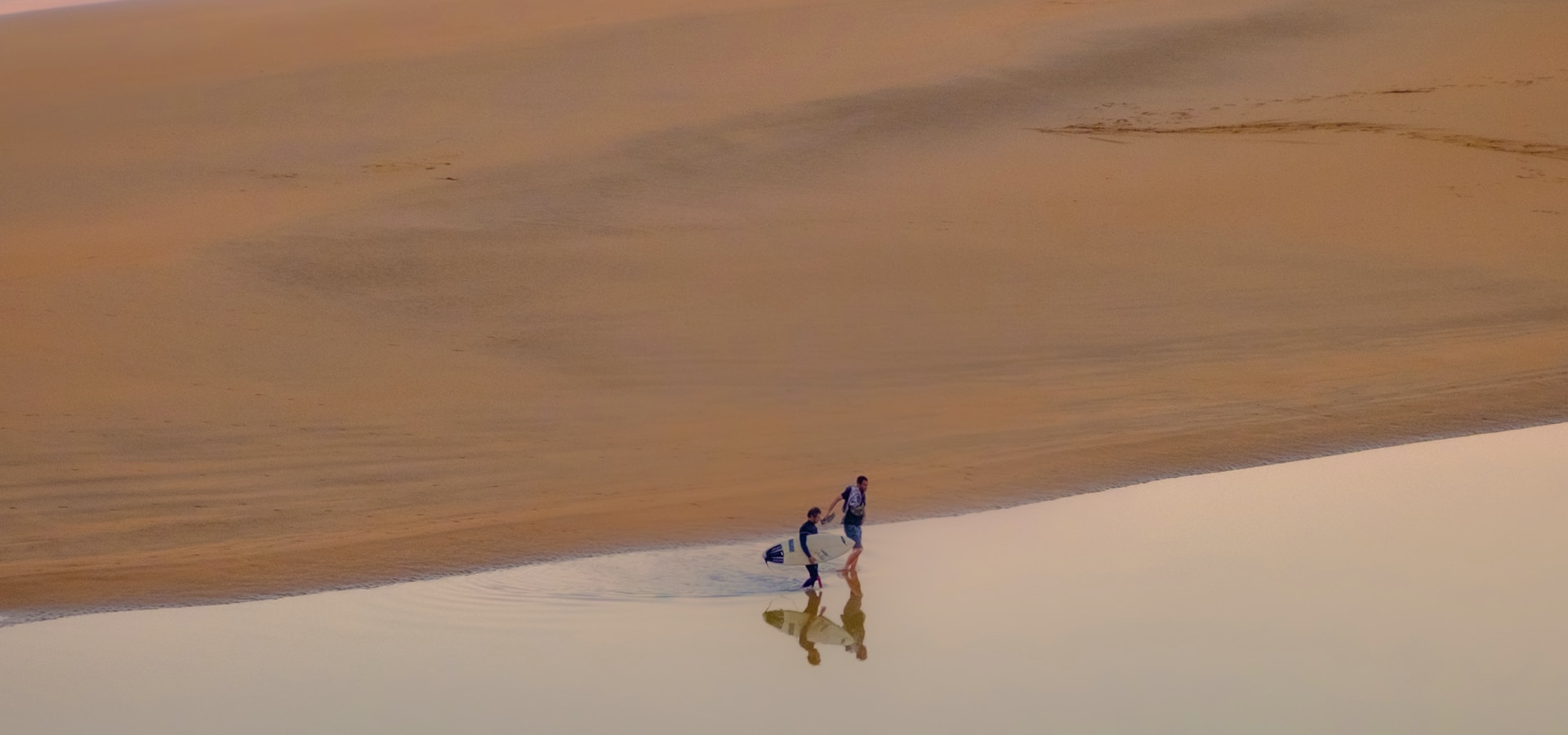
ASTURIAS
Cold-water Bay of Biscay coast with 6+ uncrowded breaks — Asturias hides Rodiles, the left-hand cobblestone point often called northern Spain's answer to Mundaka.
About Asturias
Asturias is a green, mountainous strip of northern Spain pressed between the Picos de Europa and the Bay of Biscay, catching the same NW Atlantic swell as the Basque Country with a fraction of the crowd. The defining wave is Rodiles, a left-hand cobblestone river-mouth point that fires on big NW pulses and gets compared to Mundaka.
Long beach breaks at Salinas and San Lorenzo anchor the beginner and intermediate scene year-round.
Surf level
| Skill level | Jan-Feb | Mar-Apr | May-Jun | Jul-Aug | Sep-Oct | Nov-Dec |
|---|---|---|---|---|---|---|
| Beginners | ||||||
| Intermediate | ||||||
| Advanced |
- Best time to go
- Good time to go
- Ok time to go
- Less desirable time to go
- Not recommended time to go
Weather & Travel Comfort


| Metric | Jan-Feb | Mar-Apr | May-Jun | Jul-Aug | Sep-Oct | Nov-Dec |
|---|---|---|---|---|---|---|
| Weather | ~6–12°C | ~8–15°C | ~13–19°C | ~16–22°C | ~13–19°C | ~7–13°C |
| Rainy days | 12d | 12d | 10d | 8d | 10d | 13d |
| What to Pack |  Water Temperature~10–11°C Water Temperature~10–11°C | Water Temperature~10–11°C | Water Temperature~13–15°C | Water Temperature~17°C | Water Temperature~15–17°C | Water Temperature~11–12°C |
- Boots if neededFor cold water or reef breaks
- Full protection wetsuitCold water
- Shorty / springsuitMild conditions
- No wetsuitWarm water
Tips for Surfing Asturias
Spain's cobble-bottom Cantabrian coast rewards patience — Rodiles only fires on solid NW swell with S offshore, and locals there value commitment over flash. The four tips below cover when to chase, what to pack, and how to earn your waves.

Start at Salinas
Beginners: book at Salinas. Group lessons run €30–€45 for a 2-hour session.

Chase the Cobble Point
Rodiles only fires on solid NW swell with S offshore — check the chart first.

Wetsuit by Season
4/3mm + boots November–May, 3/2mm July–September. Water bottoms out near 10°C in winter.

Earn Your Waves
Locals at Rodiles prize patience over flash. Sit wide and wait your set.
Frequently Asked Questions
When is the best time to surf in Asturias?
Skill drives the answer. Beginners score June through August at Salinas and San Lorenzo, when 2–4ft mush and 17°C water make for forgiving sessions. Intermediates peak April through September — clean shoulder swell at the long beach breaks, fewer crowds outside August, water 12–17°C. Advanced surfers come October through April for 4–10ft NW swell at Rodiles, with S offshore winds grooming the cobblestone left on the right combinations.
Is Asturias good for beginners?
Yes — Salinas in Avilés is the obvious basecamp. The 2km sand-bottom beach has multiple peaks, the El Espartal headland filters the worst summer northerly, and every school in the western region clusters at the eastern end from May to October. San Lorenzo in Gijón works equally well if you want the city beach experience. Skip Rodiles entirely until you're confident on a shortboard in head-high cobble-bottom waves.
How big do the waves get in Asturias?
Waves run 2–4ft most of summer and 4–10ft from October to April. Rodiles holds clean head-and-a-half lefts on a strong NW swell, while exposed beaches like Verdicio and Tapia de Casariego can size up to double-overhead on big winter pulses. Smaller days send everyone to Salinas and San Lorenzo, where the bays filter size and keep the inside reform rideable.
Do I need a wetsuit to surf in Asturias?
Yes, year-round, and warmer than you'd pack for Portugal. Water sits between 10°C in February and 17°C in August. A 4/3 fullsuit with 3mm boots covers November through May, while a 3/2 is enough only from July to September. Gloves and a hood pay off in deep winter at Rodiles when the air drops below 7°C — most travelling surfers underpack and regret it.
How do I get to Asturias from Madrid?
Fastest is flying into Asturias Airport (OVD) near Oviedo — under an hour from Madrid Barajas. By land, the Renfe train from Madrid Chamartín to Gijón takes about 4 hours and costs €30–€55 one way. Driving the A6/AP-66 toll route runs 4–5 hours with around €25 in tolls each way. Once in the region, a rental car is the practical pick for chasing swell along the 200km coastline.
Where should I stay in Asturias for surfing?
Stay in Salinas if you want a dedicated surf town and zero car time — the beach is a 5-minute walk and most schools sit on the same strip. Pick Gijón for a city base with San Lorenzo beach in the centre, tapas in Cimavilla and a 30-minute drive to Rodiles when it fires. Llanes, an hour east, is the fishing-village budget option, with quieter eastern beaches like La Espasa nearby.
Other regions in Spain

The Ultimate Guide to Surfing in Asturias
What makes Asturias unique
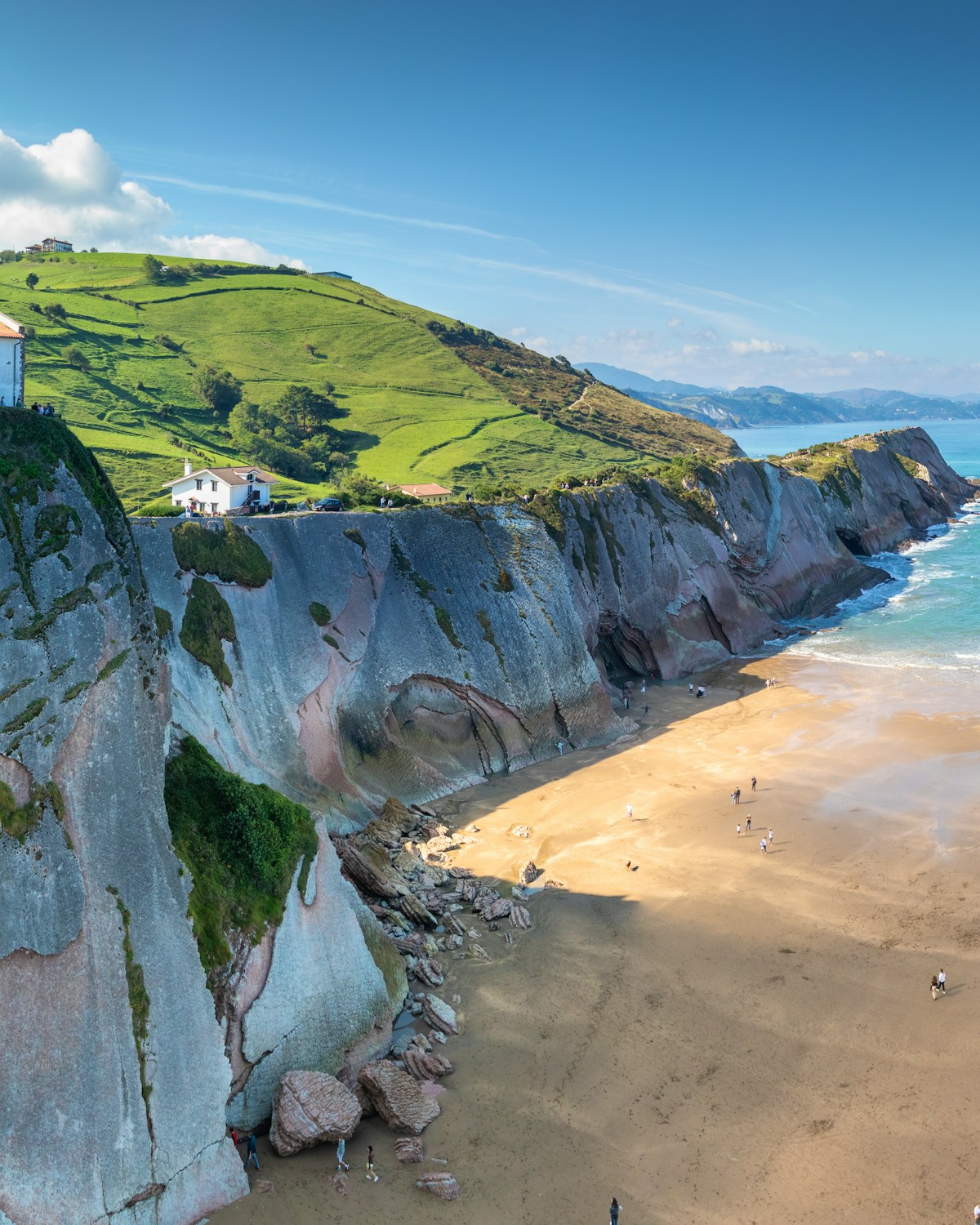
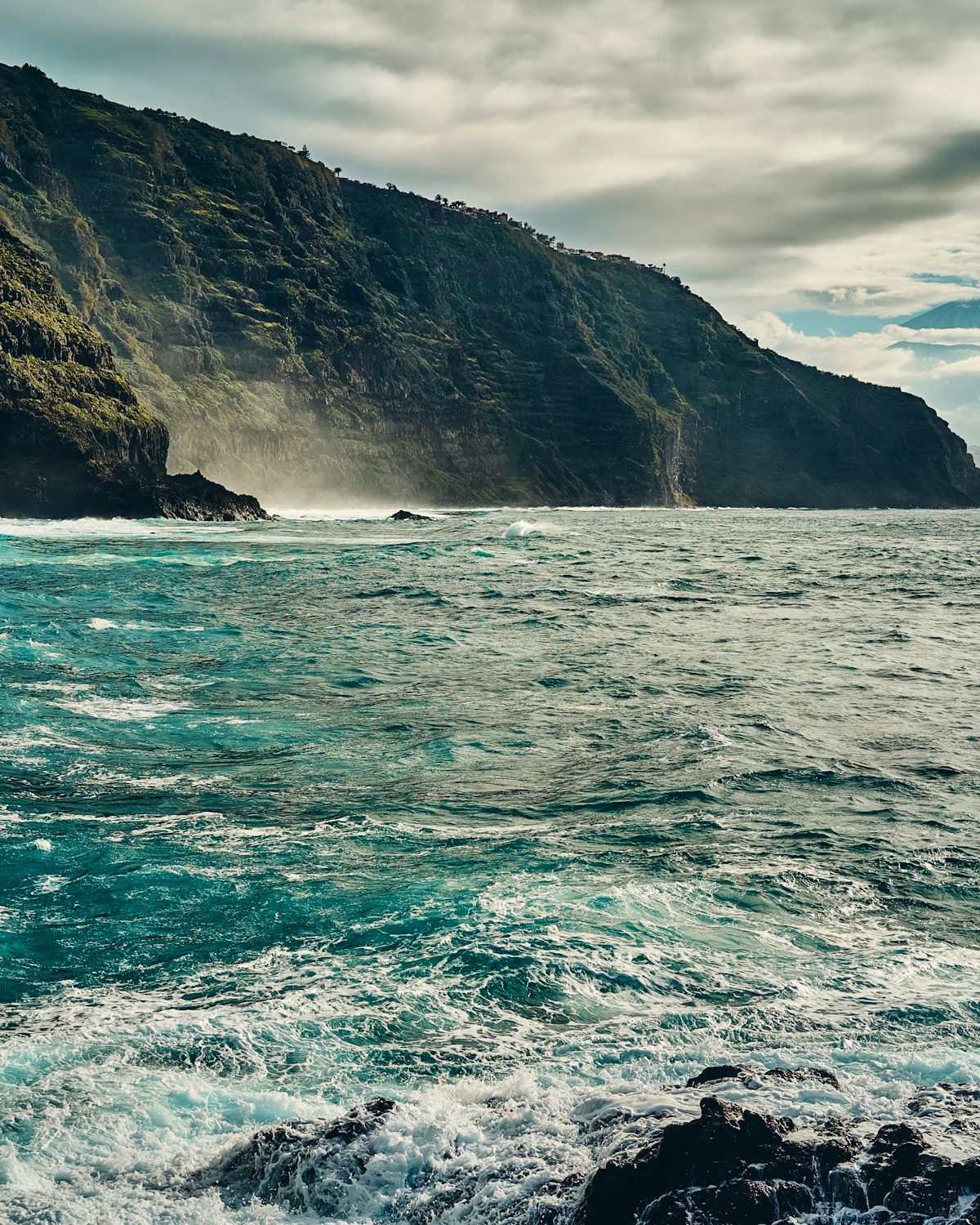
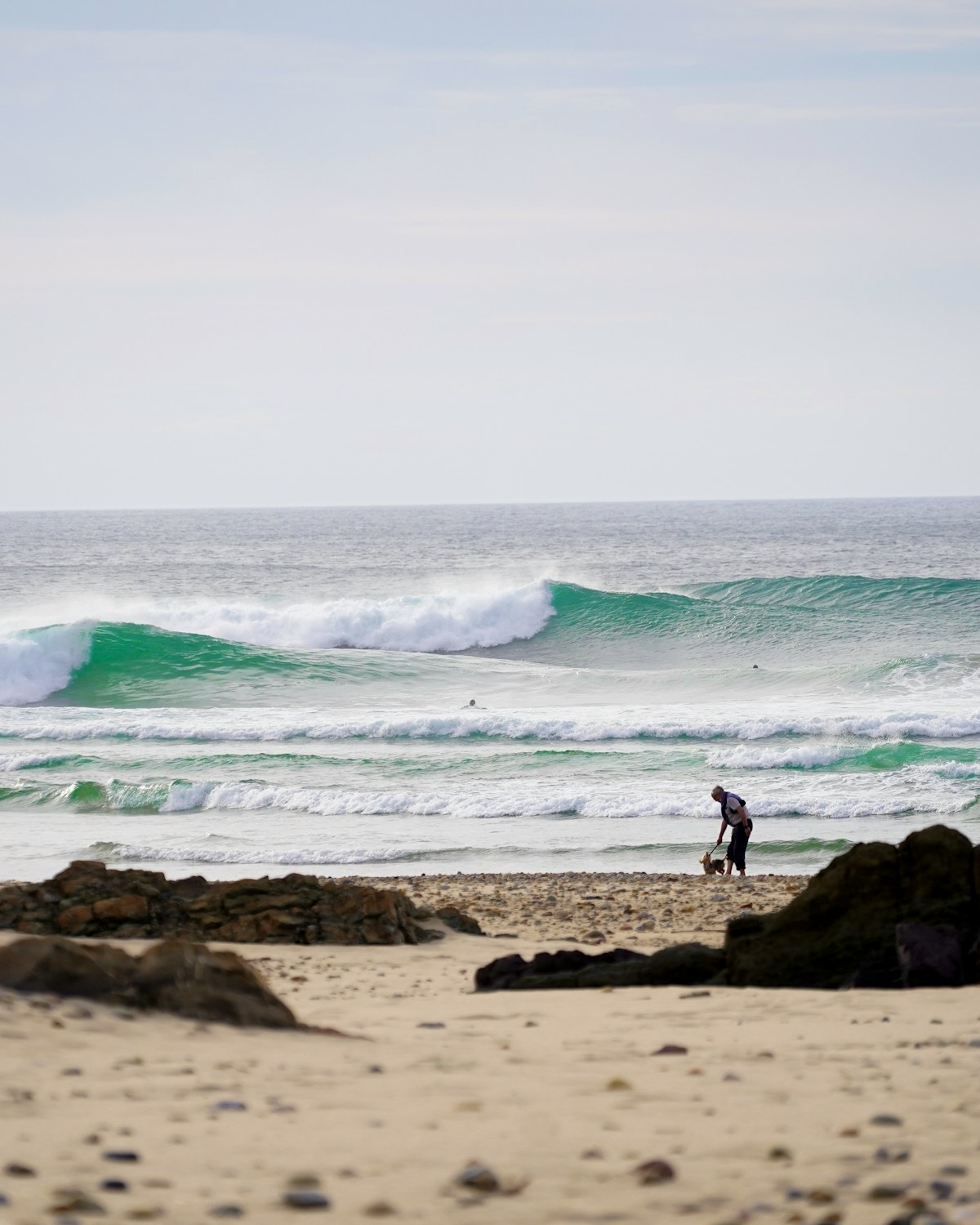
Asturias gets the same North Atlantic swell that hammers Hossegor and Mundaka, but the lineups stay quiet because the region sits off the standard European surf-trip itinerary. The geography is the draw: 350km of cliff-edge coastline where the Cantabrian Mountains fall straight into the Bay of Biscay, with river mouths spilling cobblestones onto the sand and shaping pointbreaks that don't exist further east. The single editorial fact every visitor should know is Rodiles — a long, hollow left-hand cobble point at the mouth of the Villaviciosa estuary that, on the right NW swell with a southerly offshore, is the only wave in Spain regularly compared to Mundaka. Add cold green water, sidra poured from a metre overhead, Celtic bagpipes at village fiestas, and a coastline that's quieter than its Basque Country neighbour, and you have a region where you can still find an empty peak in August.
Asturias surf spots by skill level
Rodiles is the marquee. A long left-hand point breaking over cobblestones at the Villaviciosa river mouth, peeling 150–250 metres on a clean NW-to-W swell with S offshore wind. Peak season is October to March. Advanced only above shoulder-high — the wave is fast, sectiony, and the cobble bottom doesn't forgive mistakes.
Salinas is the long sand-bottom beach in Avilés that anchors the western Asturias surf scene. Multiple peaks down a 2km strip, schools clustered at the eastern end, and the headland at El Espartal blocks the worst of the summer northerly. Best on small-to-medium NW swell. Beginners and intermediates April–October.
San Lorenzo is Gijón's city beach — a forgiving crescent of sand right under the old town, walkable from any cafe in the centre. Wave size scales gently, the inside reform runs all summer, and lessons happen daily from May to October. Beginners.
Tapia de Casariego sits at the western edge of the region, near the Galician border. A consistent A-frame beach break with cobble patches that occasionally hosts the Tapia Surf Festival — a Pantín-style longboard and shortboard contest. Intermediates.
Playa de Verdicio is the locals' overflow when Salinas crowds up — a cliff-backed beach with a pair of rocky peaks that handle bigger NW swell. Intermediates working into bigger water.
La Espasa is the central-coast option, a wide beach east of Colunga with multiple sand banks and rare crowds outside August. All levels depending on size.
When to surf Asturias: month-by-month
October to April is the season the photos sell. Waves run 4–10ft, NW swell stacks in from North Atlantic lows, water cools from 14.8°C in October to 10°C in February, and Rodiles wakes up two or three times a month on the right combination of size and southerly offshore. Crowds at the marquee point stay surprisingly thin — a forecast day might draw 20 surfers, not 200. April to June is the shoulder — 3–5ft swell, water climbing from 11°C to 15°C, and the long beaches at Salinas and San Lorenzo coming into their own. July and August are beginner heaven: 2–4ft mush, 17°C water, every school running back-to-back lessons, and rideable conditions before noon when the breeze still sleeps. September is the local sweet spot — water still 17°C, the August holiday tide gone, and the first autumn NW pulses starting to fill in.
Where to stay in Asturias
Salinas is the dedicated surf hub. Walk to the beach, a strip of bars and sidrerías behind the dunes, and most of the region's camps and schools within five minutes on foot. Best pick if you want zero car time. Gijón mixes a real Spanish city with surf access — San Lorenzo beach in the centre, tapas bars in Cimavilla, and a 30-minute drive to Rodiles when the chart lights up. Llanes, an hour east, is the fishing-village pick: harbour, cliff walks, and quieter beaches like La Espasa within a short drive. Pricing runs lowest in Llanes, mid-range in Salinas, highest in central Gijón.
How to get to Asturias from Madrid
Fly into Asturias Airport (OVD) near Oviedo, served from Madrid, Barcelona and a handful of European hubs. From the airport, Salinas is 10 minutes by taxi, Gijón is 35 minutes, Llanes 90 minutes. Driving from Madrid takes 4–5 hours on the A6/AP-66 toll route; budget around €25 in tolls each way. The faster public-transport play is the Renfe train from Madrid Chamartín to Gijón — about 4 hours, €30–€55 one way, hourly in peak season. Once in the region, a car beats buses for chasing the swell across 200km of coast.
Surf schools, gear rentals and local culture
Three operators anchor the lesson scene: Surfcamp Salinas, Asturias Surf School and Escuela Cántabra de Surf (which runs camps on the Asturias coast in season) — useful reference points whether you book with them or not. Soft-top rentals run €15–€20/day; performance boards €25–€35/day. Longboard stock is limited everywhere but Salinas — reserve early in summer.
A cultural note: surfing took hold in Asturias in the late 1960s and 1970s, brought back by sailors who saw boards in France and shaped the first local quivers in Gijón garages. The region's identity is older and broader than surf — Celtic heritage, the Reconquista's first chapter at Covadonga, and the daily ritual of escanciar la sidra, pouring cider from arm's reach into a glass held at the waist to aerate it. Order a bottle in any sidrería, attempt the pour yourself, and you'll meet half the lineup before you've finished the second pint.