

SANTA TERESA
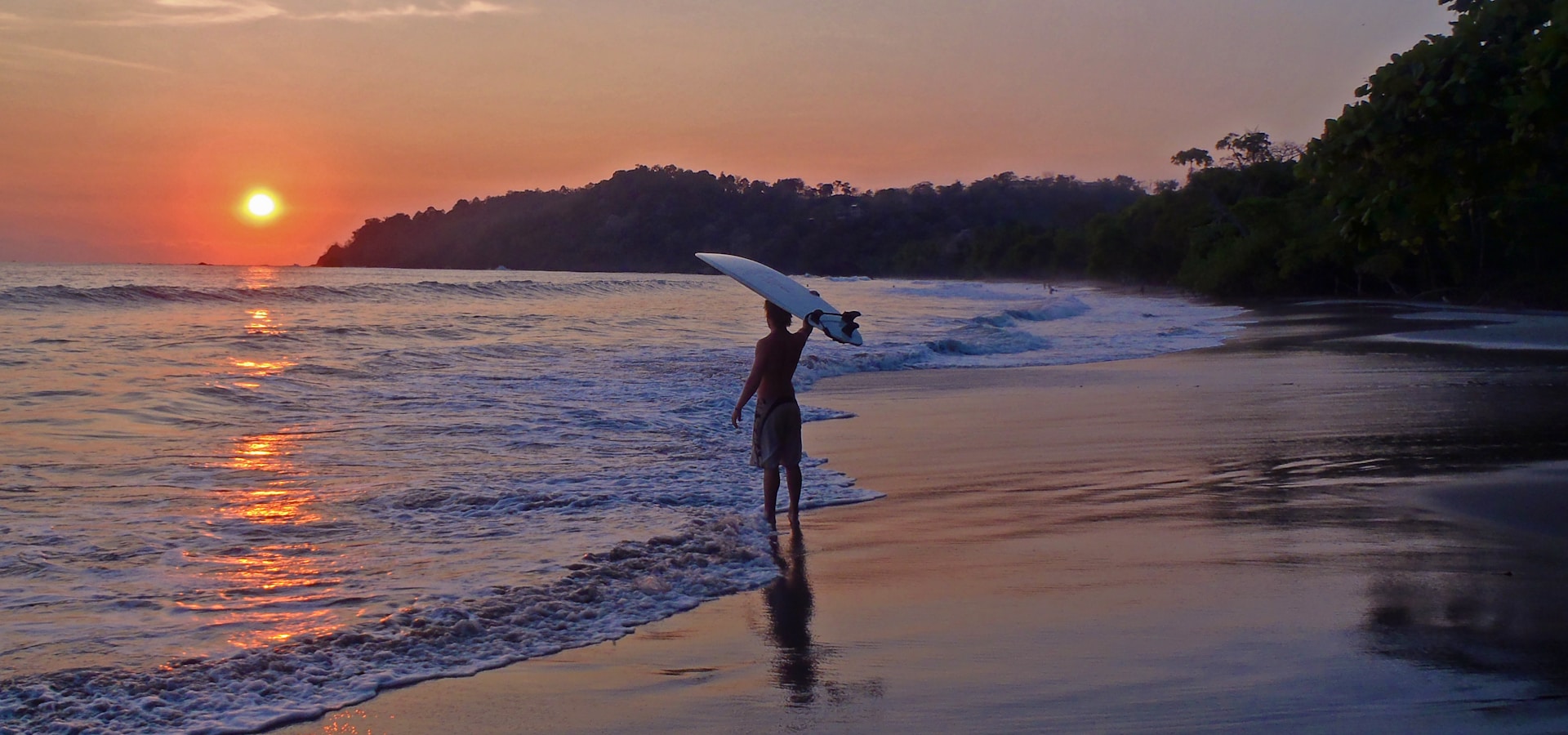
A 6km dirt road tracks an open Pacific beach at the south tip of Nicoya — Santa Teresa stacks 6 sand-bottom A-frame peaks, warm water and digital-nomad cafes.
About Santa Teresa
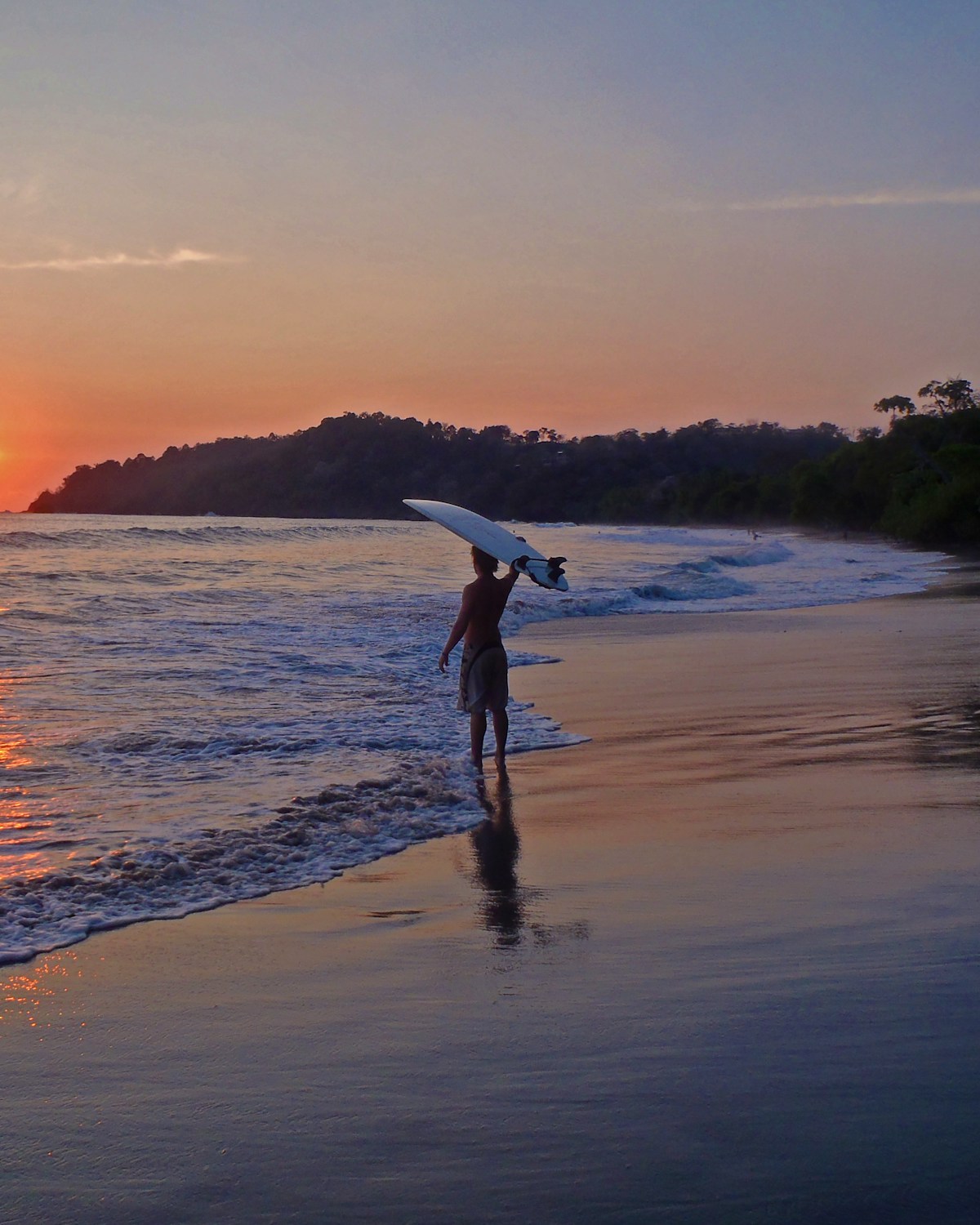
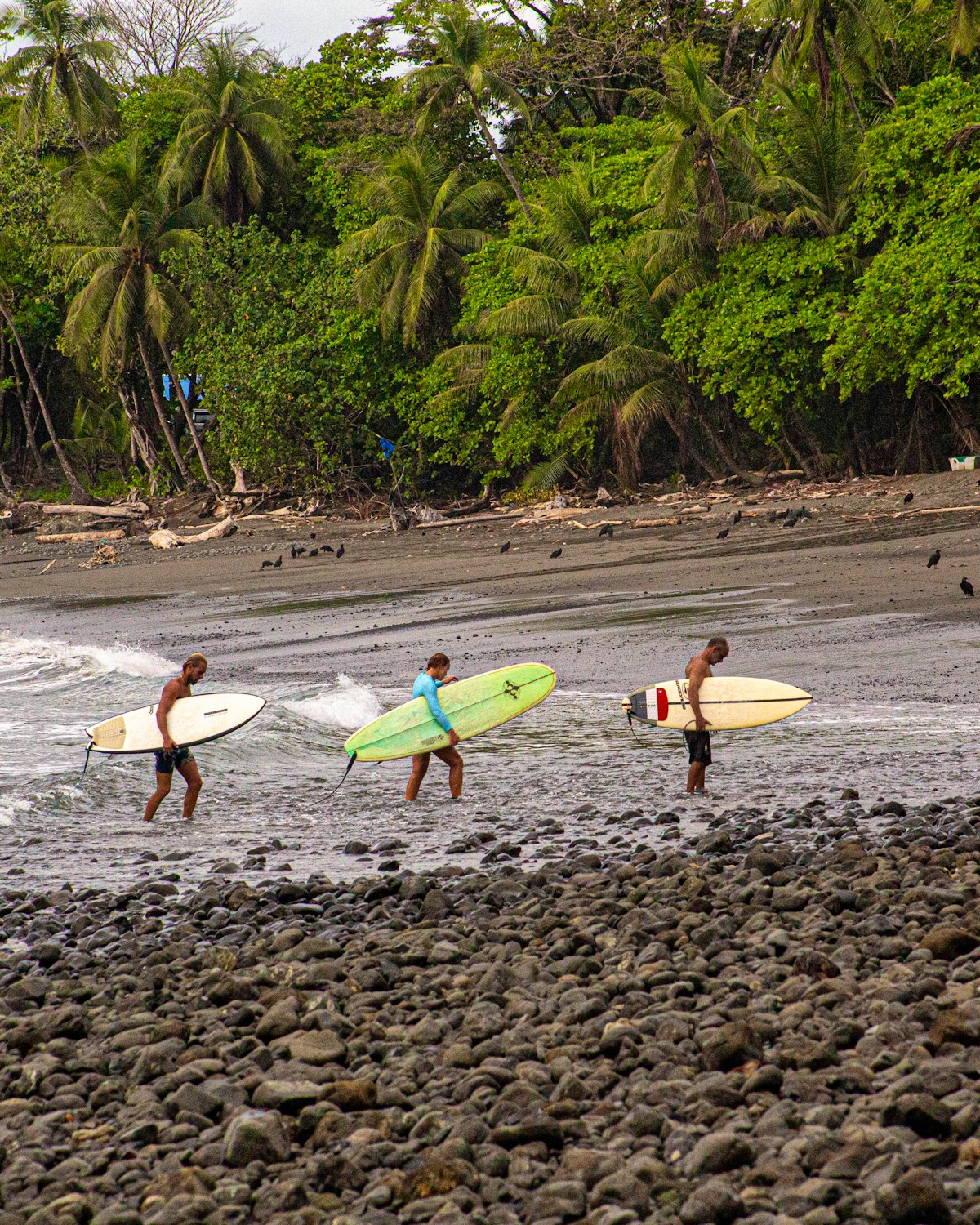
Santa Teresa sits at the southern tip of the Nicoya Peninsula, where a single 6km dirt road runs along an open Pacific beach with consistent waist-to-chest A-frames at multiple peaks. Playa Carmen is the surf-school hub in the centre of town, while Playa Santa Teresa north of it offers longer sand-bottom walls for intermediates.
Once a remote end-of-road outpost in the 2000s, the town flipped into Central America's digital-nomad surf-and-yoga capital after 2018 — Starlink, vegan kitchens, howler monkeys at dawn.
Surf level
| Skill level | Jan-Feb | Mar-Apr | May-Jun | Jul-Aug | Sep-Oct | Nov-Dec |
|---|---|---|---|---|---|---|
| Beginners | ||||||
| Intermediate | ||||||
| Advanced |
- Best time to go
- Good time to go
- Ok time to go
- Less desirable time to go
- Not recommended time to go
Weather & Travel Comfort


| Metric | Jan-Feb | Mar-Apr | May-Jun | Jul-Aug | Sep-Oct | Nov-Dec |
|---|---|---|---|---|---|---|
| Weather | ~25–29°C | ~25–30°C | ~25–28°C | ~24–28°C | ~24–27°C | ~24–28°C |
| Rainy days | 3d | 8d | 20d | 21d | 21d | 12d |
| What to Pack |  Water Temperature~28°C Water Temperature~28°C | Water Temperature~29°C | Water Temperature~29°C | Water Temperature~29°C | Water Temperature~28°C | Water Temperature~28°C |
- Boots if neededFor cold water or reef breaks
- Full protection wetsuitCold water
- Shorty / springsuitMild conditions
- No wetsuitWarm water
Tips for Surfing Santa Teresa
Costa Rica's Nicoya peninsula glasses off at dawn before 9am wind ruins Santa Teresa's A-frames. The four tips below cover Playa Carmen for beginners, the dawn paddle-out, and why a 4WD and stingray shuffle are non-negotiable.

Beginners go to Carmen
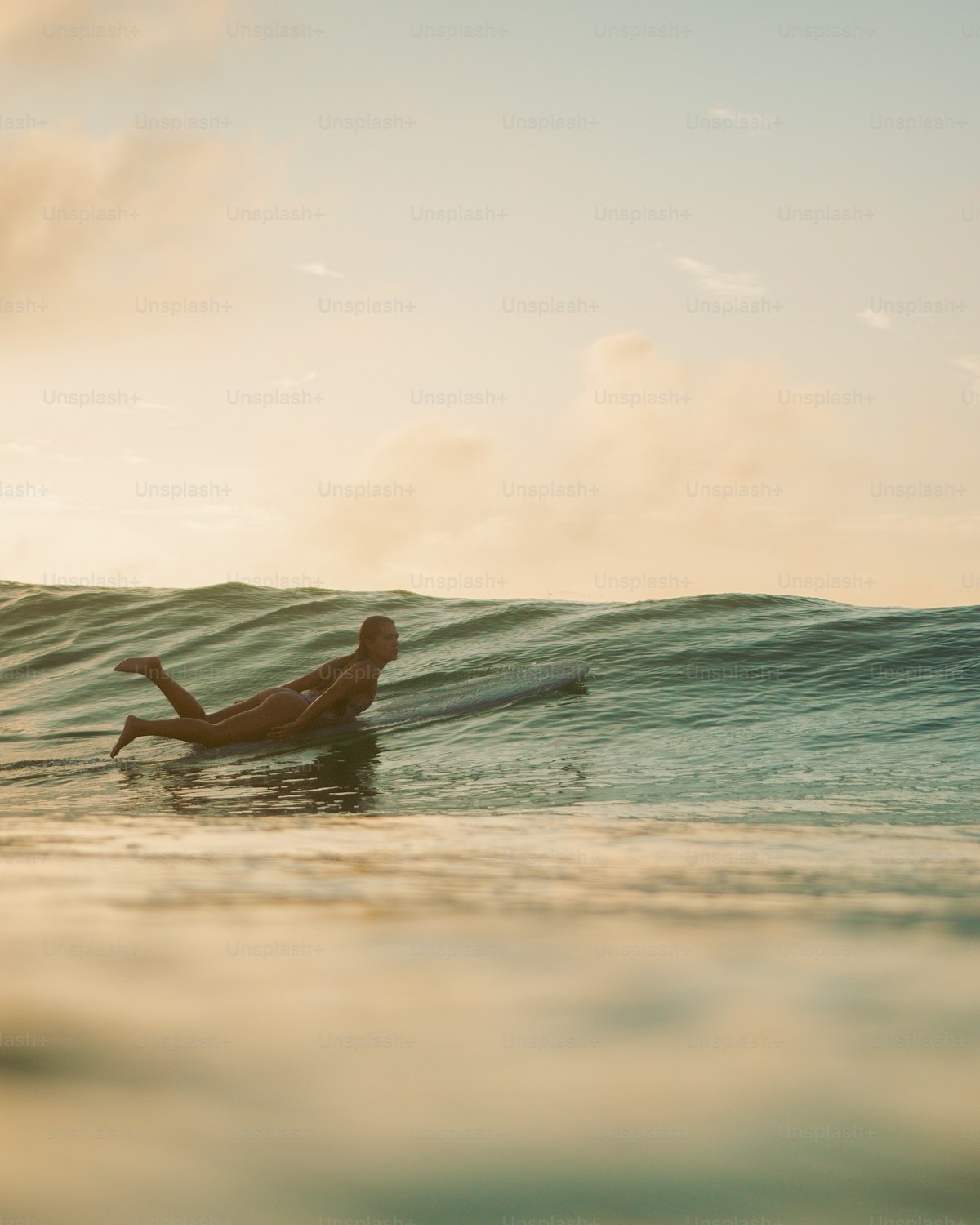
Beginners: book at Playa Carmen with KuraKura. Group lessons run $50–$70 for 2 hours.

Surf the Dawn Glass
Offshore wind dies after 9am — paddle out at Santa Teresa before sunrise for clean A-frames.

Boardshorts Year-Round
Water sits 27–29°C all year. Pack boardshorts plus a long-sleeve rashguard for sun.
Shuffle and 4WD
Shuffle your feet for stingrays at Carmen. Rent a 4WD — the dirt road dusts everything.
Frequently Asked Questions
When is the best time to surf in Santa Teresa?
Skill drives the answer. Beginners score October to April, when dry-season trade winds keep mornings clean at Playa Carmen and the swell drops to a forgiving 2–4ft. Intermediates peak May to November on consistent 4–8ft S and SW pulses with warm 28°C water. Advanced surfers come May to September for 6–10ft swells at Playa Santa Teresa, Mal País and Suck Rock — fewer crowds and the most powerful pulses of the year.
Is Santa Teresa good for beginners?
Yes — Playa Carmen in the centre of town is the beginner basecamp. Soft sand bottom, mellow whitewater inside, gentle reform at low tide, and every surf school in the region works this stretch from sunrise. KuraKura Surf Club and Don Olo run group lessons for $50–$70 over two hours. Avoid Mal País and Suck Rock until you can paddle confidently — they are reef-bottom and pick up size fast on a SW pulse.
How big do the waves get in Santa Teresa?
Waves run 2–6ft most of the year and 4–10ft on prime S and SW pulses from May to October. Playa Santa Teresa holds the cleanest size on the open beach, while Suck Rock to the south absorbs the biggest pulses with reef-bottom shape. Small days send everyone to Playa Carmen for waist-high reform and beginner sessions. Wave size is consistent rather than huge — Santa Teresa rewards repeat sessions, not one-off charging.
Do I need a wetsuit to surf in Santa Teresa?
No. Water sits between 27°C and 29°C year-round, so locals and visitors surf in boardshorts and a long-sleeve rashguard. The rashguard matters more for sun protection than warmth — equatorial UV is intense, sessions stretch past two hours, and sunburn through a wet t-shirt is a real risk. A 1mm vest is overkill except for the most cold-sensitive surfers in January when air-min temperatures briefly dip to 24°C at dawn.
How do I get to Santa Teresa from San José?
Three options. Drive 5 hours from SJO via Puntarenas, then take the Naviera Tambor ferry (1h 15min, around $30 per car) and a final 1h 30min on dirt road. Drive from Liberia (LIR) in 4–5 hours via the Tempisque bridge — no ferry. Fly Sansa Airlines SJO to Tambor (TMU) in 30 minutes, then a 1h 30min taxi south for around $80. Plan a full travel day either way.
Where should I stay in Santa Teresa for surfing?
Stay in Playa Carmen if you want walkable cafes, supermarkets, surf schools and the beginner beach across the road — most first-time trips work best here. Pick Playa Santa Teresa (north end) for quieter retreat-style accommodation with the longer A-frame peaks at your doorstep. Mal País, 5 minutes south, is the budget-and-quiet option with cheaper guesthouses. A 4WD matters for some inland properties, especially in dry-season dust or wet-season mud.
Other regions in Costa Rica
The Ultimate Guide to Surfing in Santa Teresa
What makes Santa Teresa unique
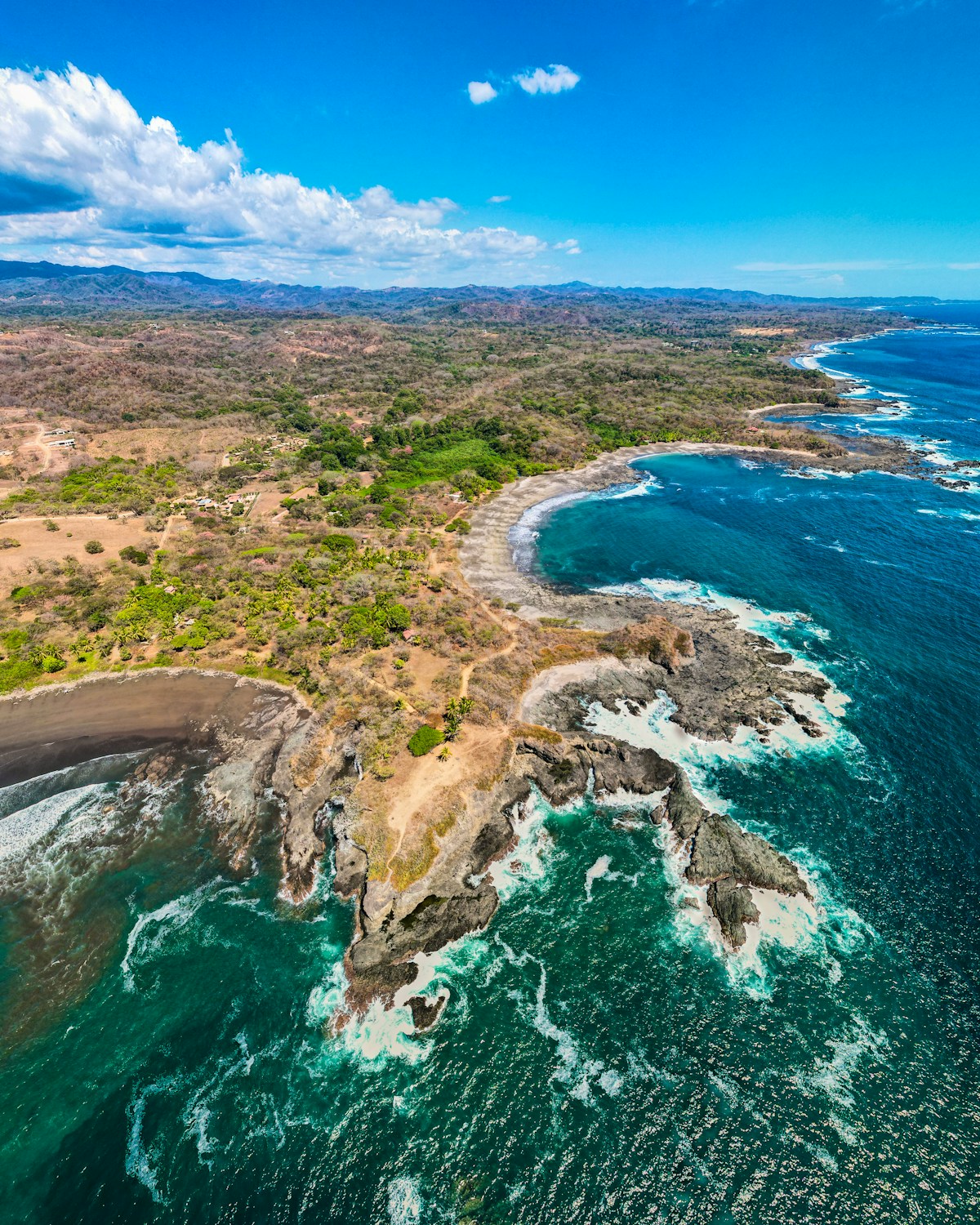
A 6km strip of open Pacific beach with a single dirt road running parallel to it — that is the entire geometry of Santa Teresa. The town sits at the southern tip of the Nicoya Peninsula in Costa Rica, and that beach holds at least four named peaks that work on almost any tide. Two decades ago this was the end of a brutal road; European surf-and-yoga travellers found the open coast in the late 2000s and started building bamboo retreat centres. The 2018 onwards digital-nomad wave finished the transformation — Starlink internet, third-wave coffee, vegan kitchens, co-working spaces, mantled howler monkeys howling at dawn. Quieter than Tamarindo, more hipster than Nosara, Santa Teresa now reads as the surf-and-yoga capital of Central America. Pura vida is everyday vocabulary, and Don Olo, the original surf-shop owner, is still a town fixture. See the regional overview at Visit Costa Rica for context on the wider Nicoya region.
Santa Teresa surf spots by skill level
Playa Santa Teresa is the main wave, fronting the Cobano-end of town. Long sand-bottom beach, multiple peaks, holds size when bigger swells arrive on a SW pulse. Intermediate to advanced when overhead, fun for everyone at waist-high.
Playa Carmen is the central beach in town and the surf-school hub. Soft, mellower whitewater inside, gentle reform at low tide, and every school in the region works this stretch. Beginner to intermediate.
Playa Hermosa runs north of Santa Teresa for several kilometres. Multiple peaks, fewer crowds, slightly longer paddle. Intermediate.
Mal País is the quieter southern village, 5 minutes south by road. Sand-and-reef bottom, more shape than the open beach when a clean S swell wraps in. Intermediate to advanced.
Manzanillo is the long uncrowded sandy beach 20 minutes north — worth the drive on a crowded weekend. Intermediate.
Playa Suck Rock is the heavy reef break to the south, a step up on bigger pulses. Advanced only.
When to surf Santa Teresa: month-by-month
May to October is prime — 4–10ft on consistent S and SW swells, water around 28–29°C, and the rainy season filling rivers but rarely killing morning sessions. Mornings stay glassy, afternoons get tropical thunderstorms. November and December are the best weather window: dry, 4–6ft swells still landing, water 27–28°C, smaller crowds before the holiday rush. January to March is the dry season — 2–4ft typical swell, postcard offshore mornings, and a busier scene with North American snowbirds. Dry-season trade winds from the north groom the breaks at dawn but kick up dust on the road. April is the shoulder — wave size climbing back, crowds thinning before May rains start.
Where to stay in Santa Teresa
Playa Carmen is the central pick — supermarket, bakeries, surf schools and yoga studios within a 5-minute walk, and the beginner beach across the road. Mid-range nightly rates. Playa Santa Teresa (north end) is quieter, more retreat-style accommodation, with the longer A-frame peaks at your doorstep — ideal if you ride daily and want a calmer base. Mal País, 5 minutes south, is the budget-and-quiet play: cheaper guesthouses, fewer restaurants, and a different lineup at sunrise. A 4WD matters for some properties up the inland tracks — confirm before booking in dry-season dust or wet-season mud.
How to get to Santa Teresa from San José
Three options, all slow. By car from San José (SJO): roughly 5 hours via Puntarenas, then the Naviera Tambor ferry (1h 15min crossing, around $30 per car) to Paquera, then 1h 30min on dirt road south through Cóbano. Total 5–6 hours door to door. By car from Liberia (LIR): 4–5 hours via the Tempisque bridge and Cóbano — no ferry, simpler logistics, often the better choice if you fly into LIR. By air: Sansa Airlines runs SJO to Tambor (TMU) in 30 minutes, then a 1h 30min taxi south for around $80. Most expensive, fastest. Pre-book the airport-to-Tambor leg.
Surf schools, gear rentals and local culture
Three schools to know: KuraKura Surf Club at Playa Carmen, Sea & Surf Adventures for camp packages, and Don Olo Surf — the original shop, run by the namesake town fixture. Costa Rica Surf School Santa Teresa is a fourth name worth checking. Group lessons run $50–$70 for two hours; soft-top rentals $15–$25/day; performance shortboards $25–$40/day; longboards $30–$45/day.
A word on safety. Crocodiles live in some river mouths north of town — never wade across rivers, especially at dusk. Stingrays bury in the shallow sand at Carmen; shuffle your feet when walking out. Opportunistic theft from cars and unattended bags on the beach is real — never leave valuables visible. The howler monkeys you hear at 4am are not a threat, just loud. For broader trip planning context, Lonely Planet keeps a useful Nicoya overview.