

DOMINICAL
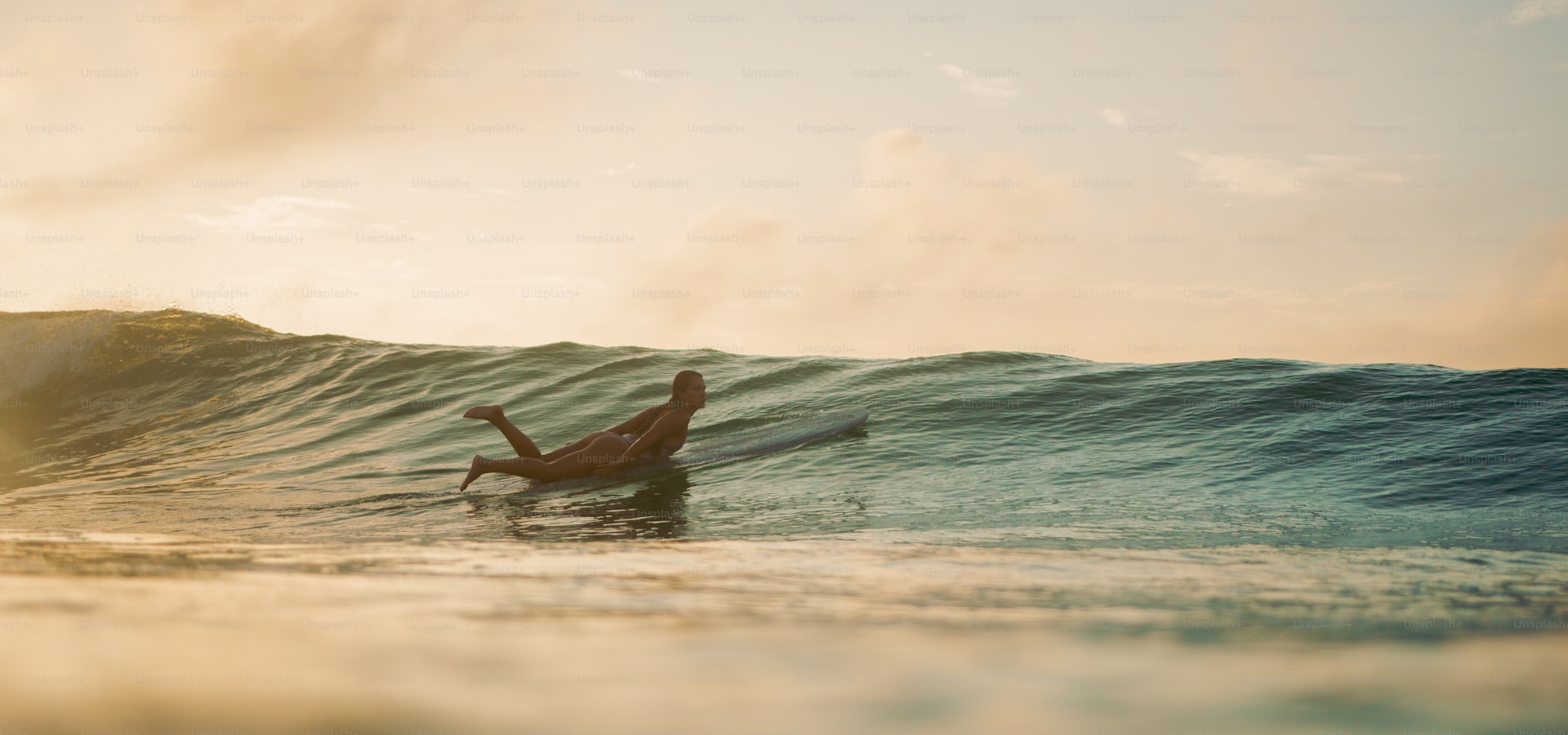
Heavy sand-bottom A-frames where the Talamanca rainforest meets Costa Rica's south Pacific — Dominical packs 6 named breaks plus whale-watching 4h south of San José.
About Dominical
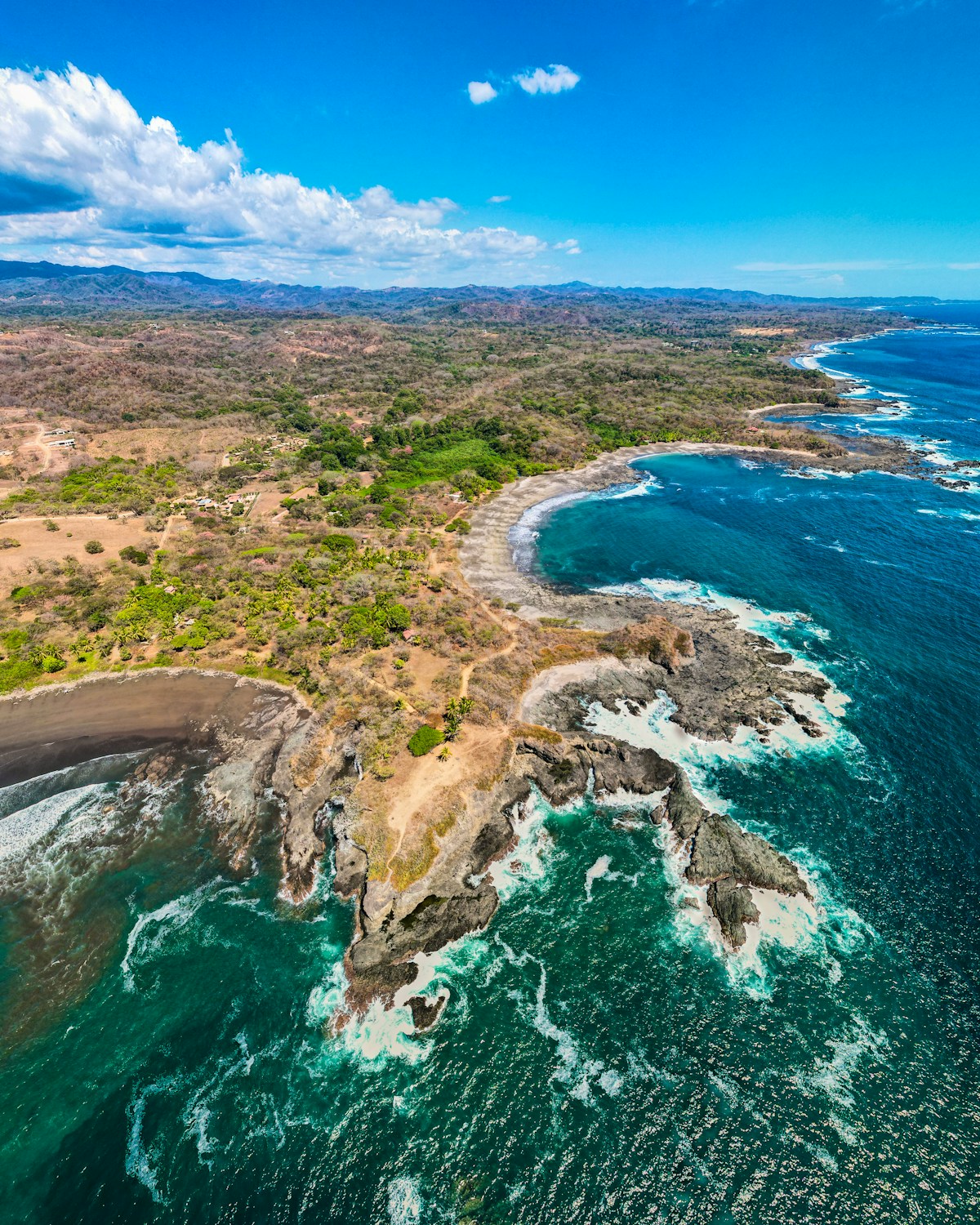
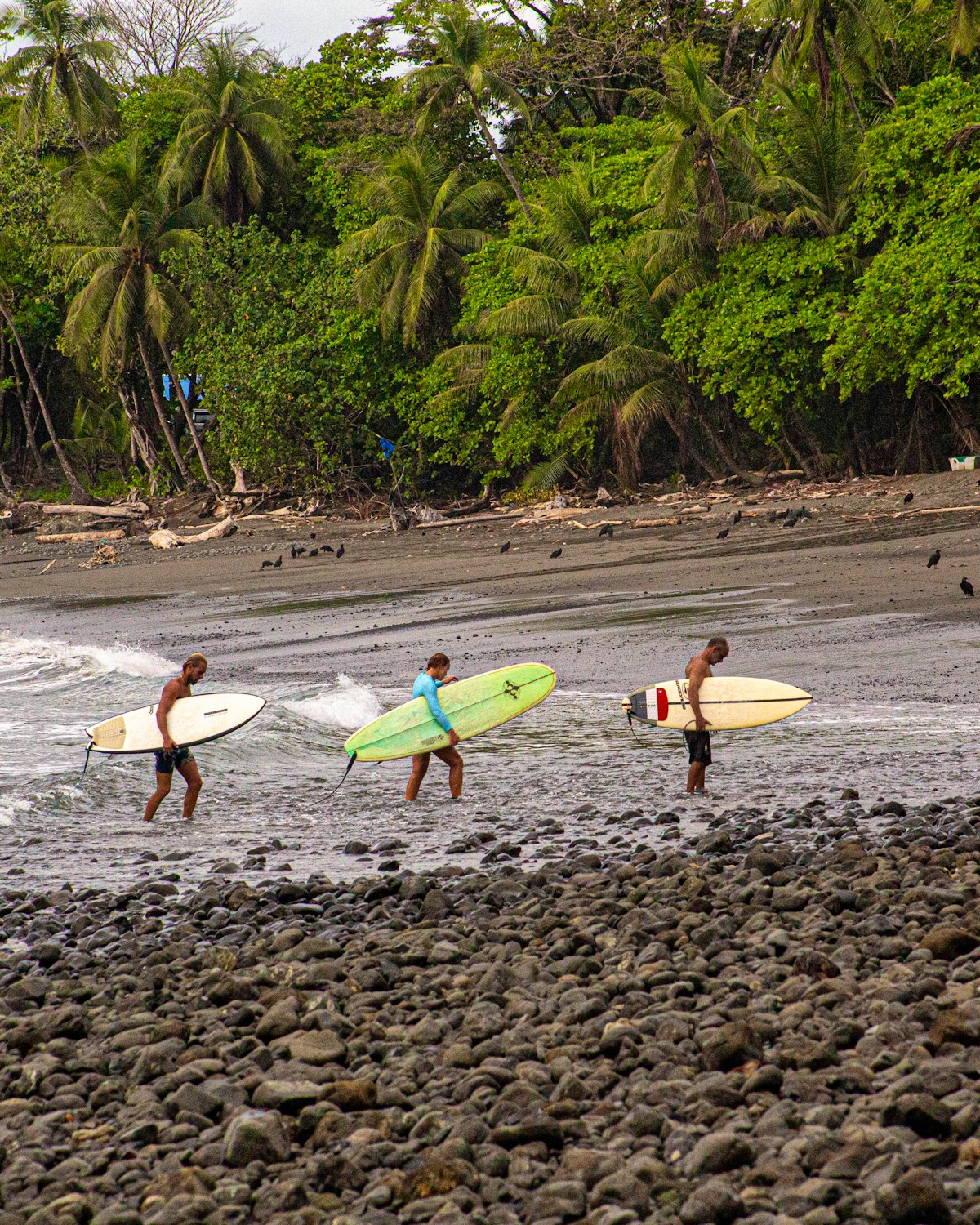
Dominical sits on the Costa Ballena, Costa Rica's south Pacific coast, where the Talamanca mountain range drops straight into the surf. The marquee wave is Playa Dominical — a heavy, fast sand-bottom A-frame that closes out hard above 5ft and demands intermediate-to-advanced experience.
Mellower Dominicalito sits 3km south in a protected cove for improvers, while Playa Ventanas near Marino Ballena National Park suits true beginners. The town is rougher-edged and less developed than Tamarindo or Santa Teresa.
Surf level
| Skill level | Jan-Feb | Mar-Apr | May-Jun | Jul-Aug | Sep-Oct | Nov-Dec |
|---|---|---|---|---|---|---|
| Beginners | ||||||
| Intermediate | ||||||
| Advanced |
- Best time to go
- Good time to go
- Ok time to go
- Less desirable time to go
- Not recommended time to go
Weather & Travel Comfort


| Metric | Jan-Feb | Mar-Apr | May-Jun | Jul-Aug | Sep-Oct | Nov-Dec |
|---|---|---|---|---|---|---|
| Weather | ~23–31°C | ~24–31°C | ~24–29°C | ~24–28°C | ~23–28°C | ~23–28°C |
| Rainy days | 5d | 13d | 21d | 22d | 22d | 17d |
| What to Pack |  Water Temperature~28–29°C Water Temperature~28–29°C | Water Temperature~29°C | Water Temperature~29°C | Water Temperature~29°C | Water Temperature~28–29°C | Water Temperature~28°C |
- Boots if neededFor cold water or reef breaks
- Full protection wetsuitCold water
- Shorty / springsuitMild conditions
- No wetsuitWarm water
Tips for Surfing Dominical
Costa Rica's southern Pacific delivers SW pulses May through October, but afternoon thunderstorms shut sessions down by midday. The four tips below cover Playa Ventanas for beginners, the dawn-patrol window, and the river-mouth crocodiles you should never wade past.

Beginners head south
Beginners: book at Playa Ventanas or Dominicalito. Group lessons run US$50–US$70 for 2 hours.

Surf the May–October window
S/SW pulses fire May–October. Paddle out at dawn before afternoon thunderstorms shut the session down.

Boardshorts year-round
Water sits 27–29°C. Pack boardshorts and a long-sleeve rashguard — no wetsuit needed any month.
Crocs and rips at Dominical
Avoid river-mouths after rain — crocodiles drift downstream. Surf Playa Dominical between lifeguard flags only.
Frequently Asked Questions
When is the best time to surf in Dominical?
Skill drives the answer. Beginners score October to May at Playa Ventanas, when 2–4ft surf and 28°C water make for forgiving sessions. Intermediates peak May to October — clean S/SW swell at Dominicalito and Playa Hermosa, water still 28–29°C. Advanced surfers come June to September for 4–10ft pulses on the main Playa Dominical A-frame, with E offshore winds grooming the bank at dawn before afternoon storms.
Is Dominical good for beginners?
Yes — but only at the right beach. Playa Ventanas, near Marino Ballena National Park, is a wide sand-bottom beach with slow forgiving waves ideal for first sessions. Dominicalito, the protected cove 3km south, also suits improvers. Avoid the main Playa Dominical beach in your first week: it is a heavy, fast A-frame that closes out hard and produces strong rip currents — never your first Costa Rican wave.
How big do the waves get in Dominical?
Waves run 3–6ft most of the year and 4–10ft on prime S/SW pulses from May to October. Playa Dominical is the size barometer: head-high A-frames are typical in winter, and double-overhead sets stack up on solid southern-hemisphere groundswells in June, July and September. Smaller days send everyone to Dominicalito, Playa Hermosa and the calmer banks at Playa Ventanas inside Marino Ballena National Park.
Do I need a wetsuit to surf in Dominical?
No. Water sits between 27°C and 29°C every month of the year, so a wetsuit is unnecessary. Pack boardshorts and a long-sleeve rashguard — the rashguard handles tropical sun on long sessions and saves your ribs from board rash. A thin neoprene vest is overkill outside the very rare cool eddy. Reef booties are unnecessary at the sand-bottom beaches but useful at Punta Dominical's reef.
How do I get to Dominical from San José?
Fly into San José Juan Santamaría (SJO) and drive 4 hours south on the Costanera Sur Highway 34. Shared shuttle runs around US$60 per person hotel-to-hotel; private taxi runs around US$200. The fastest route is a 30-minute domestic flight on Sansa Airlines into Quepos La Managua (XQP), 30 minutes north. Liberia (LIR) handles direct international flights but sits 5–6 hours north.
Where should I stay in Dominical for surfing?
Stay in Dominical village if you want a 30-second walk to the main peak, dirt-road beach-town vibe, and budget-to-mid-range hostels and cabinas. Pick Escaleras, the ridge above town, for ocean-view jungle lodges and a 5-minute drive to the surf — best for couples. Uvita, 15 minutes south, offers more restaurant range, supermarkets and proximity to Marino Ballena National Park if you want whale-watching alongside daily sessions.
Other regions in Costa Rica
The Ultimate Guide to Surfing in Dominical
What makes Dominical unique
Few surf towns in Costa Rica carry the geography Dominical does. The Talamanca mountain range — the spine of southern Costa Rica — drops directly into the south Pacific here, so you paddle out beneath primary rainforest rather than condo blocks. The stretch is called the Costa Ballena (Whale Coast) for a reason: humpback populations from both the northern and southern hemispheres converge in Marino Ballena National Park five minutes south, where a sandbar forms a famous "whale's tail" shape at low tide. Whale-watching tours run from August to October and December to March. The result is a rougher-edged, less developed alternative to Tamarindo or Santa Teresa, with a heavy sand-bottom beach break in the centre of town and a string of mellower beaches inside a 10km radius. Pura vida is the conversational ground state — adopt it for tip exchanges and lineup etiquette.
Dominical surf spots by skill level
Playa Dominical is the marquee. Heavy, fast sand-bottom A-frame peaks that hold head-high-plus on a clean S or SW swell with E offshore wind — and close out hard above 5ft. Intermediate to advanced. Genuinely punchy: never your first Costa Rican wave.
Dominicalito is the protected cove 3km south. Sand-and-rock bottom, mellower shoulder, holds its shape on bigger swells when Dominical closes out. Beginner to intermediate.
Playa Hermosa (the south-Pacific one, not the Jacó namesake) is a long sandy beach 8km south of town. Multiple peaks across the strand, fewer crowds than the main beach, picks up the same S/SW swell. Intermediate.
Playa Linda sits 5km north — a quiet beach with sand-bottom peaks that work on small-to-medium days. Intermediate.
Playa Ventanas is the beginner basecamp near Marino Ballena. Wide sand-bottom beach, slow waves, two sea caves at the south end that whoosh on a high tide. Beginners.
Punta Dominical is the south headland reef — short, hollow, breaking over rock on solid swells. Advanced only.
When to surf Dominical: month-by-month
May to October is the engine room. South and southwest groundswells from storms in the southern hemisphere stack up the coast and deliver 4–10ft sets on prime pulses, with 27–29°C water and consistent dawn offshores before the afternoon thunderstorms roll off the Talamanca range. June through September is peak. November and December see swell taper and rainfall drop sharply — water still 28°C, lineups thinner, points at Dominicalito and Linda working in the 2–4ft range. January to April is the dry season: smaller, cleaner 2–5ft surf, the lightest crowds at the main beach, and the easiest learning conditions at Ventanas. April is the swing month when the southern swell window cracks open again.
Where to stay in Dominical
Dominical village itself is the obvious base — dirt-road beach town with sodas, a Friday farmers' market, and 30-second walk to the main peak. Budget hostels and mid-range cabinas dominate. Escaleras, the ridge above town, trades beach access for ocean-view jungle lodges and a 5-minute drive down to the surf. Best for couples and families. Uvita, 15 minutes south, is the slightly larger neighbour town with more restaurant range, supermarkets and proximity to Marino Ballena National Park. Mosquitoes are intense in jungle accommodation across all three areas — bring repellent.
How to get to Dominical from San José
Fly into San José Juan Santamaría (SJO) — the main international airport. From SJO, the Costanera Sur Highway 34 runs roughly 4 hours south to Dominical. Shared shuttle: around US$60 per person, hotel-to-hotel. Private taxi: around US$200. The fastest option is a 30-minute domestic flight on Sansa Airlines from SJO into Quepos La Managua (XQP), 30 minutes north of Dominical. Liberia (LIR) in Guanacaste handles direct international flights but sits 5–6 hours north — only worth it if Liberia tickets are dramatically cheaper.
Surf schools and local culture
Three operators anchor lessons: Costa Rica Surf Camp, Dominical Surf Adventures and Sunset Surf School Dominical. Green Iguana Surf Camp runs week-long packages. Lesson rates run US$50–US$70 for a 2-hour group session, US$80–US$120 private.
The Costa Ballena's surf scene rooted itself in the late 1990s when surf-camp pioneers leveraged the south Pacific's swell consistency away from the Tamarindo crowds. Costa Rica abolished its army in 1949 and re-invested the budget into education and conservation — the rainforest you see surfing here is partly that dividend. Reference the Lonely Planet southern-zone guide for further reading on the region's protected-area network.