

TENERIFE
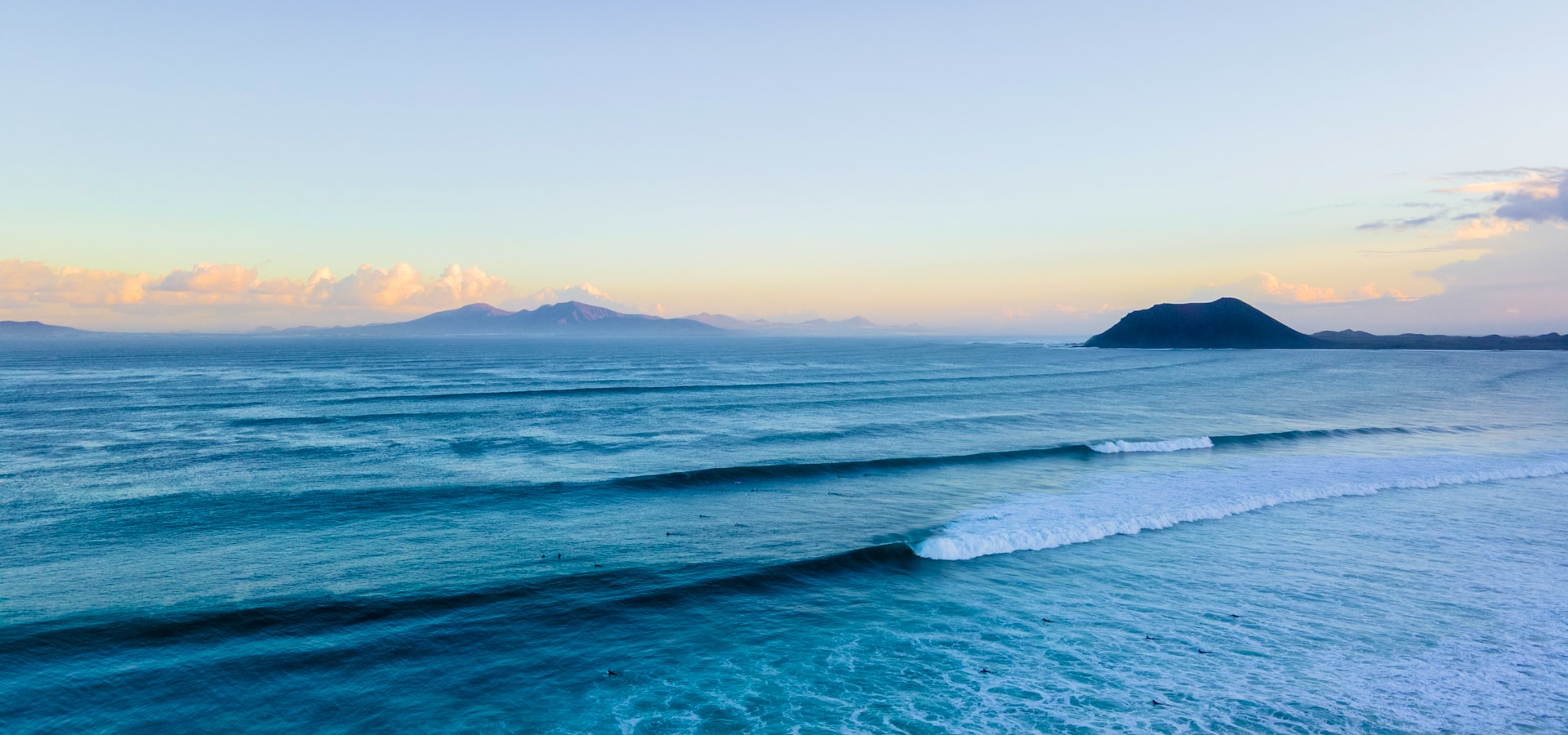
Mt Teide splits the largest Canary Island into two surf zones — beginner-friendly Las Américas in the south and heavy lava reefs across Tenerife's exposed north coast.
About Tenerife
Tenerife is the largest Canary Island, dominated by Mt Teide — at 3,718m, Spain's highest peak — which splits the coast into two distinct surf zones. The dry, busy south around Playa de las Américas is the learner zone, anchored by La Fitenia for beginners and the heavy left reef of La Izquierda, known across Spain as the Spanish Left.
The exposed, green north — Puerto de la Cruz, El Socorro and the Anaga peninsula — is reef-bottom, lava-edged, and serious. Santa Cruz hosts one of the world's largest February Carnivals.
Surf level
| Skill level | Jan-Feb | Mar-Apr | May-Jun | Jul-Aug | Sep-Oct | Nov-Dec |
|---|---|---|---|---|---|---|
| Beginners | ||||||
| Intermediate | ||||||
| Advanced |
- Best time to go
- Good time to go
- Ok time to go
- Less desirable time to go
- Not recommended time to go
Weather & Travel Comfort


| Metric | Jan-Feb | Mar-Apr | May-Jun | Jul-Aug | Sep-Oct | Nov-Dec |
|---|---|---|---|---|---|---|
| Weather | ~16–22°C | ~17–24°C | ~21–27°C | ~24–30°C | ~23–28°C | ~17–23°C |
| Rainy days | 5d | 3d | 1d | 0d | 2d | 5d |
| What to Pack |  Water Temperature~17–18°C Water Temperature~17–18°C | Water Temperature~17–18°C | Water Temperature~19–21°C | Water Temperature~23–24°C | Water Temperature~22–24°C | Water Temperature~18–20°C |
- Boots if neededFor cold water or reef breaks
- Full protection wetsuitCold water
- Shorty / springsuitMild conditions
- No wetsuitWarm water
Tips for Surfing Tenerife
The Canaries' biggest island flips its surf coast by season — south for May–October at La Fitenia, north for November–March on bigger NW swells. The four tips below cover lessons in Las Américas, the seasonal switch, and which volcanic reefs require booties.

Beginners go to Fitenia
La Fitenia in Playa de las Américas runs sand-bottom whitewater. Group lessons cost €35–€45.

South Summer, North Winter
Surf the south May to October for 2–4ft; chase the north November to March.

Wetsuit by Season
3/2mm December–April, shorty or 2mm May–November. Pack booties for Almaciga and Igueste reefs.

Respect the Spanish Left
La Izquierda locals are heavy. Sit wide three sessions before paddling for the inside.
Frequently Asked Questions
When is the best time to surf in Tenerife?
Skill drives the answer. Beginners score from April to August at La Fitenia, when 2–4ft sand-bottom mush and 21–23°C water make for forgiving sessions. Intermediates peak January through September across both coasts. Advanced surfers come September to March for 4–10ft NW swell at El Socorro, Almaciga and La Izquierda, with E offshore winds grooming the north-shore reefs at dawn. The south stays rideable year-round.
Is Tenerife good for beginners?
Yes — the south coast is one of the best beginner zones in Europe. La Fitenia in Playa de las Américas is a sand-bottom inside section in front of the surf-camp strip, with forgiving whitewater April through October. Every school in the south sets up here. Avoid the north coast in your first week: El Socorro, Almaciga, Punta Blanca and Igueste are reef and lava-bottom and break heavy on winter NW swells.
How big do the waves get in Tenerife?
Waves run 2–4ft on the south coast in summer and 4–10ft on the north from November to March. El Socorro holds clean A-frames up to 8ft on NW swell, while the Anaga reefs at Almaciga and Igueste absorb bigger pulses into double-overhead. La Izquierda in Las Américas holds head-and-a-half lefts on the cleanest winter swells. Small days send everyone to La Fitenia.
Do I need a wetsuit to surf in Tenerife?
Yes, year-round, but a thin one. Water sits between 17°C in February and 24°C in August. A 3/2 fullsuit covers December through April, while a shorty or 2mm top handles May through November. Pack booties if you plan to surf the north-coast reefs at Almaciga or Igueste — the urchin-covered lava bottom punishes bare feet. Gloves and hood are not needed at any time of year.
How do I get to Tenerife from mainland Spain?
Fly into one of two airports. Tenerife South (TFS) serves Las Américas — 15 minutes by car or Titsa bus 111 or 343 for around €10. Tenerife North (TFN) serves Puerto de la Cruz, 30 minutes by car. Madrid and Barcelona run multiple daily flights to both, under three hours. Inter-island ferries from Gran Canaria via Fred Olsen and Naviera Armas take about an hour into Santa Cruz.
Where should I stay in Tenerife for surfing?
Stay in Playa de las Américas or Costa Adeje if you're learning or visiting in summer — walking distance to La Fitenia, dense school cluster, year-round 2–4ft. Pick Puerto de la Cruz on the north coast for intermediate-and-up trips: 5 minutes to El Socorro, lower prices, and a real Canarian town feel. Santa Cruz or La Laguna is the city option and the launch point for Anaga peninsula day trips to Almaciga and Igueste.
Other regions in Canary Islands
The Ultimate Guide to Surfing in Tenerife
What makes Tenerife unique
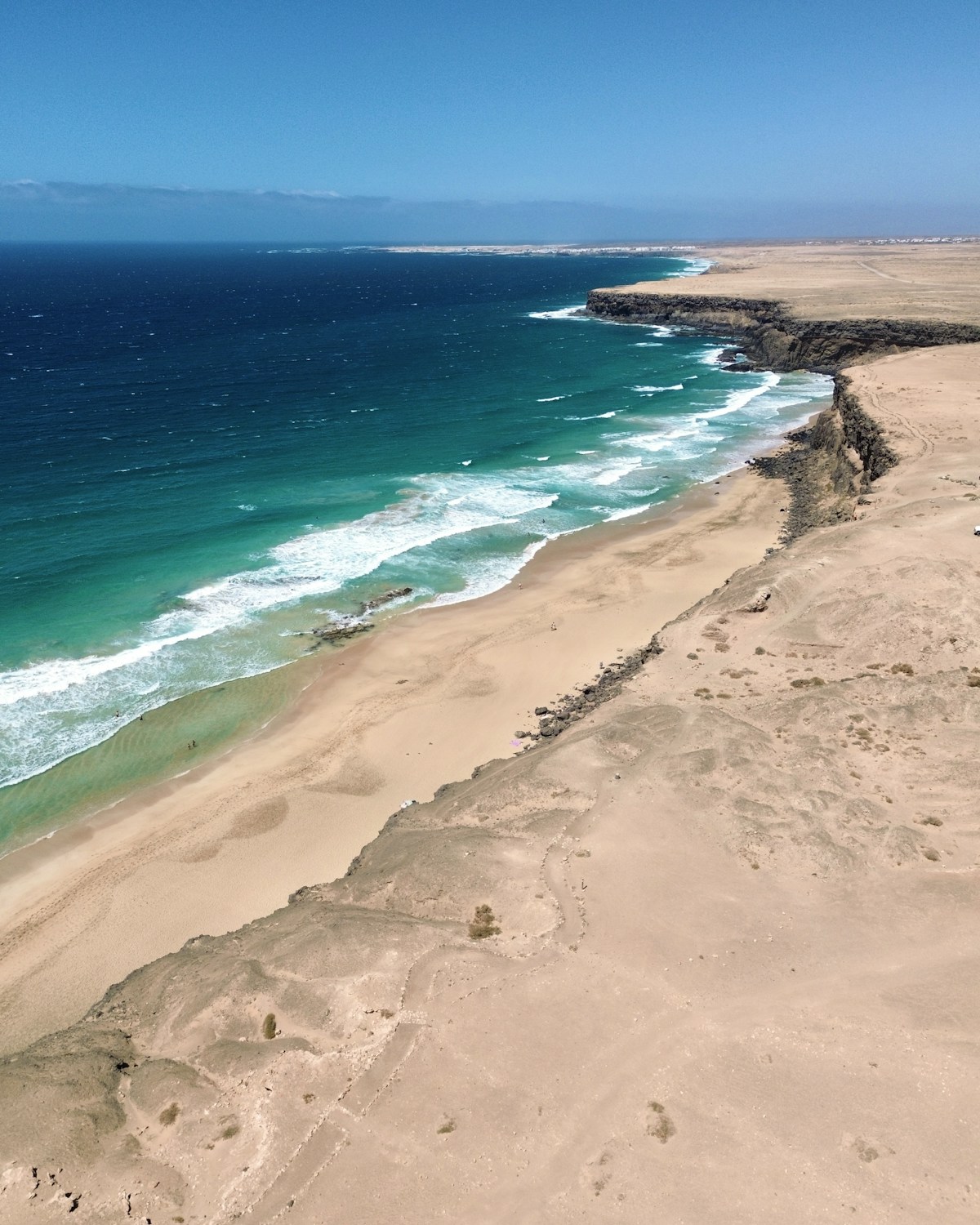
No other surf island in Europe is split by a 3,718m volcano. Mt Teide — Spain's highest peak — sits at the centre of Tenerife and creates two completely different surf experiences on opposite coasts. The dry, sun-baked south around Playa de las Américas is sheltered, mellow and built around a multi-decade learner economy. The green, exposed north — Puerto de la Cruz, El Socorro, Punta del Hidalgo and the Anaga peninsula — catches the full force of NW Atlantic swell on urchin-covered lava reefs. That north-south duality is the single most useful editorial fact about the island: pick your coast by skill, not by season. Tenerife is the most-visited Canary Island, and the Hello Canary Islands tourism board tracks year-round flight links from across Europe — meaning you can land into either zone in under five hours from London or Berlin.
Tenerife surf spots by skill level
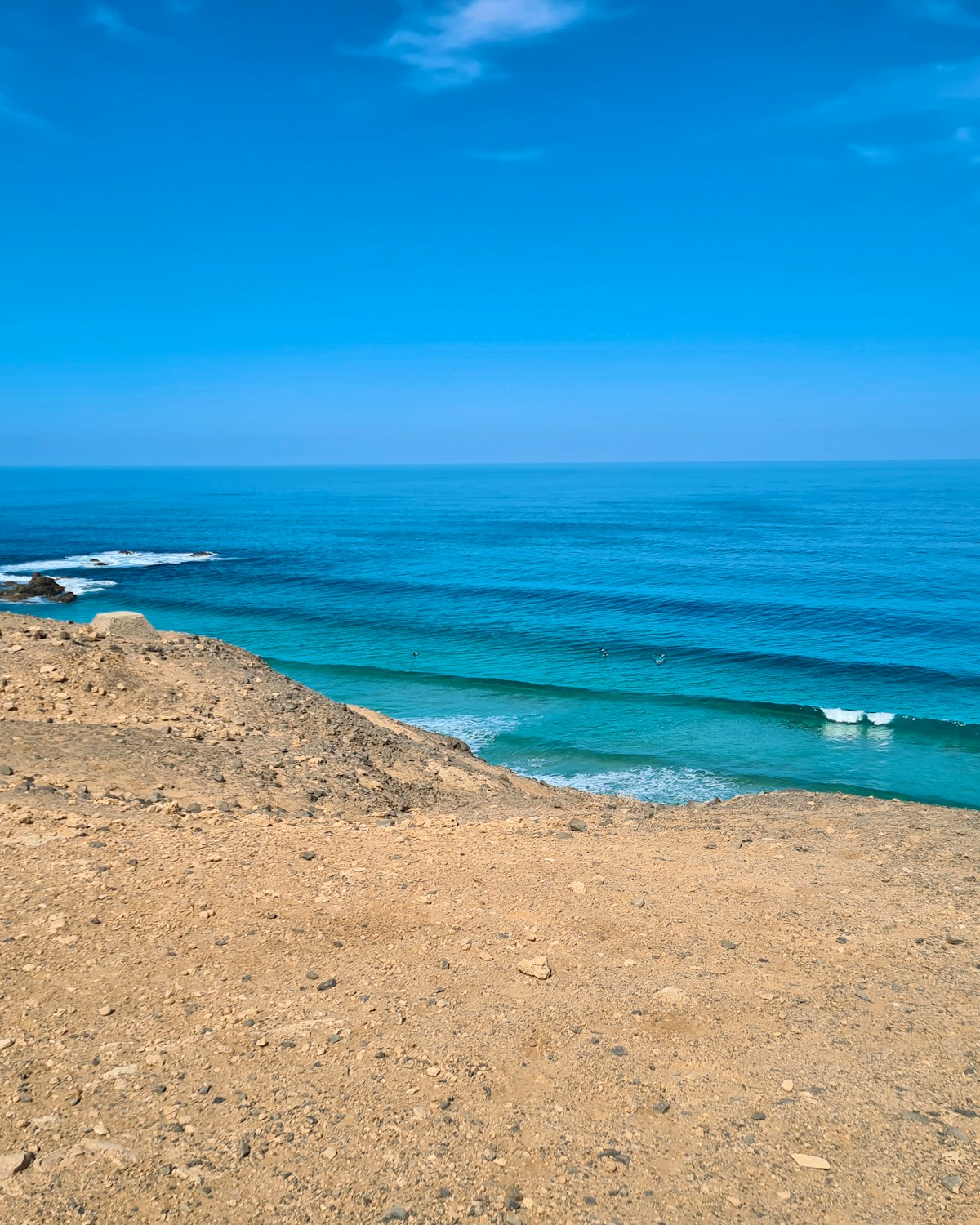
La Izquierda (Las Américas) is the marquee. A heavy left reef in Playa de las Américas, hollow on a clean NW swell with E offshore, breaking over urchin-covered rock. Known across Spain as the Spanish Left. Peak season runs October to March. Advanced only — the inside is enforced by a tight local crew.
La Fitenia sits inside the same bay as La Izquierda but breaks on a sand-bottom inside section in front of the surf-camp strip. Forgiving, knee-to-shoulder-high most of summer, and the place every school in Las Américas runs lessons. Beginners.
El Socorro, near Los Realejos on the north shore, is the main north-coast beach break. Powerful A-frame peaks on NW swell, picks up size fast, holds 4–8ft cleanly. Intermediate to advanced.
Almaciga, on the remote Anaga peninsula in the north-east, is a long left reef. Often empty when the rest of the island crowds. Rescue is far — do not paddle out alone. Advanced only.
Punta Blanca is a right reef on the north-west coast — fast, cobblestone-and-lava bottom, best on a moderate NW swell with SE offshore. Intermediate to advanced.
Martiánez in Puerto de la Cruz is a beach break beside the natural pools, rideable when small and the main beginner-to-intermediate option on the north side when the reefs are too big.
Igueste, also on the Anaga peninsula, is a heavy reef that holds size into double-overhead. Advanced only. Note: El Confital is in Gran Canaria — do not confuse it with Tenerife's spots.
When to surf Tenerife: month-by-month
November to March is when the north fires. Expect 4–10ft NW Atlantic swell at El Socorro, Almaciga and Igueste, water at 17–19°C, air at 21–24°C, and the cleanest E offshore at dawn. Anaga reefs hold even bigger. April to June is the shoulder — north quieting to 3–5ft, south picking up consistent 2–4ft, water climbing to 19–21°C, school season in full swing at La Fitenia. July and August flip the script: north is small and onshore, south runs 2–4ft sand-bottom mush at 23–24°C, and Las Américas is a 24-hour beginner playground. September and October are the tactical sweet spot — water still 22–23°C, NW swell rebuilding for the north, and the August holiday crowd gone home.
Where to stay in Tenerife
Playa de las Américas / Costa Adeje is the obvious base if you're learning or chasing summer. Walking distance to La Fitenia and La Izquierda, dense school cluster, but the most touristed strip on the island. Puerto de la Cruz, on the north coast, is the surf-trip pick for intermediate-and-up: 5-minute drive to El Socorro, 30 minutes to Punta Blanca, real Canarian town feel, lower prices than the south. Santa Cruz / La Laguna is the city play — university energy, best food, and the launch point for Anaga peninsula day trips to Almaciga and Igueste.
How to get to Tenerife from mainland Spain
Tenerife has two airports. Tenerife South (TFS) is 15 minutes by car from Las Américas, or Titsa bus 111 or 343 for around €10. Tenerife North (TFN) is the access point for Puerto de la Cruz — 30 minutes by car or Titsa bus. From mainland Spain, both airports run multiple daily flights from Madrid and Barcelona (under three hours). Inter-island ferries from Gran Canaria via Fred Olsen and Naviera Armas take roughly one hour and arrive into Santa Cruz.
Surf schools, gear rentals and local culture
Three operators anchor the lesson scene in the south: K16 Surf School, Eskimo Surf and Costa Adeje Surf School all run beginner programmes out of La Fitenia. Tenerife Surf Point covers both coasts for guiding. Board rentals run €15–€20/day for soft-tops and €25–€35/day for shortboards, with limited longboard stock in winter.
A word on the lineup: surfing rooted itself on the south coast in the 1980s and the Las Américas crew at La Izquierda treats the wave as a working-class inheritance. Eye contact, three sessions on the shoulder, no burns. The Anaga biosphere reserve in the north-east shelters the most pristine reef breaks on the island — Almaciga and Igueste — but rescue is genuinely far if you snap a leash. Santa Cruz Carnival every February is on par with Rio's, and the surf community is part of the parade.