

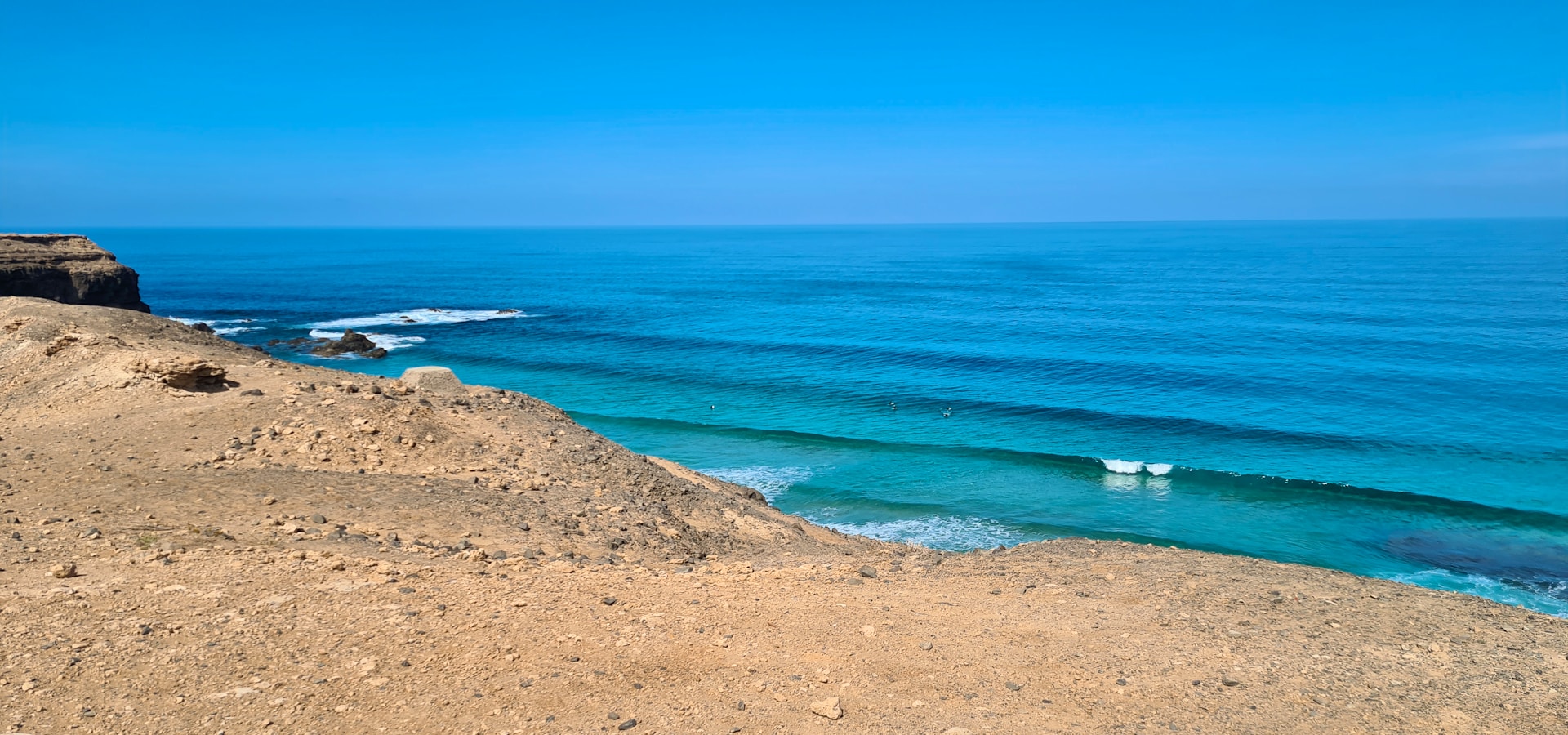
GRAN CANARIA
Round volcanic Spanish island 200km off Morocco — Gran Canaria pairs urban beach surf at La Cicer with serious north-shore reefs from El Confital to Galdar.
About Gran Canaria
Gran Canaria is a round, mountainous Spanish island 200km off the coast of Morocco, and its capital Las Palmas is one of the only true urban surf cities in Europe. The serious wave zone runs along the north shore from Las Palmas through Banaderos to Galdar.
El Confital, a heavy urchin-covered right reef on the headland north of the city, is regularly cited among Europe's best right-handers. La Cicer, on the 3km Las Canteras beach, sits 100m from the city centre and works year-round on small swells.
Surf level
| Skill level | Jan-Feb | Mar-Apr | May-Jun | Jul-Aug | Sep-Oct | Nov-Dec |
|---|---|---|---|---|---|---|
| Beginners | ||||||
| Intermediate | ||||||
| Advanced |
- Best time to go
- Good time to go
- Ok time to go
- Less desirable time to go
- Not recommended time to go
Weather & Travel Comfort


| Metric | Jan-Feb | Mar-Apr | May-Jun | Jul-Aug | Sep-Oct | Nov-Dec |
|---|---|---|---|---|---|---|
| Weather | ~16–21°C | ~17–24°C | ~21–27°C | ~24–29°C | ~22–28°C | ~17–23°C |
| Rainy days | 5d | 3d | 1d | 0d | 2d | 5d |
| What to Pack |  Water Temperature~17–18°C Water Temperature~17–18°C | Water Temperature~17°C | Water Temperature~19–21°C | Water Temperature~23°C | Water Temperature~22–23°C | Water Temperature~18–20°C |
- Boots if neededFor cold water or reef breaks
- Full protection wetsuitCold water
- Shorty / springsuitMild conditions
- No wetsuitWarm water
Tips for Surfing Gran Canaria
The capital's beginner-friendly La Cicer sits inside Las Palmas, but the real swell is twenty minutes north at Banaderos when winter NW pulses top six feet. The four tips below cover lessons, the wetsuit transition, and which lava reefs need booties.

Beginners go to La Cicer
Beginners: head to La Cicer on Las Canteras beach. Group lessons run €30–€45 for 2 hours.

North Shore for Real Swell
Drive 20 minutes from Las Palmas to Banaderos when winter NW swell tops 6ft.

Wetsuit by Season
3/2mm December–April, shorty or 2mm May–November. Water sits between 16°C and 23°C.
Booties at El Confital
Wear booties at El Confital and El Fronton — urchins and lava reef cut feet fast.
Frequently Asked Questions
When is the best time to surf in Gran Canaria?
Skill drives the answer. Beginners score from April to August at La Cicer, when 2–4ft mush and 20–23°C water make for forgiving sessions. Intermediates have the widest window — December to October works, with shoulder months May, September and October the cleanest. Advanced surfers come September to March for 4–12ft NW swell at El Confital, El Lloret and La Guancha, with E-to-SE offshore wind grooming the north-shore reefs at dawn.
Is Gran Canaria good for beginners?
Yes — La Cicer on Las Canteras beach is one of the most beginner-friendly setups in Europe. The 3km city beach has sand bottom, multiple peaks and a sheltered bay that rarely lets the wave exceed 5ft. Schools cluster here year-round, with group lessons from €30–€45 for two hours. Avoid the north-shore reefs (El Confital, El Fronton, La Guancha) in your first week: all are reef bottom and locally enforced.
How big do the waves get in Gran Canaria?
Waves run 2–4ft most of summer and 4–12ft on the north shore from December to March. El Confital holds clean head-and-a-half rights on solid NW swell, La Guancha and El Lloret light up at 6–10ft in mid-winter, and El Fronton absorbs heavy slab swells through the bodyboard season. La Cicer rarely exceeds 5ft thanks to the protective curve of Las Canteras bay, so beginners stay safe even on big winter days.
Do I need a wetsuit to surf in Gran Canaria?
Yes, but a thin one. Water sits between 16°C in February and 23°C in August. A 3/2 fullsuit covers December through April, while a shorty or 2mm springsuit handles May through November. Many locals surf in boardshorts and a rashguard from July to October. Pack booties if you plan to surf El Confital or El Fronton — both reefs are urchin-heavy and the lava rock cuts unprotected feet fast.
How do I get to Gran Canaria from Europe?
Fly into Las Palmas / Gran Canaria Airport (LPA), which has direct flights from most major European cities. From the airport into Las Palmas city, take the Global bus 60 — it runs every 15–30 minutes, takes 30 minutes and costs around €2.95. A taxi is about €30 and 25 minutes. To reach El Confital direct from the airport allow 40 minutes by car. Rent a car if you plan to surf the Banaderos and Galdar reefs.
Where should I stay in Gran Canaria for surfing?
Stay in Las Canteras / Las Palmas city centre if you want to walk to La Cicer, eat at beachfront cafes and reach El Confital on foot — best for most trips. Pick Banaderos if you're chasing the reef points (El Lloret, La Guancha, Quintanilla) and have a rental car: guesthouses sit five minutes from the lineup and rates run lower than the city. Galdar town is the budget option, ten minutes from El Fronton on the quieter west end.
Other regions in Canary Islands
The Ultimate Guide to Surfing in Gran Canaria
What makes Gran Canaria unique
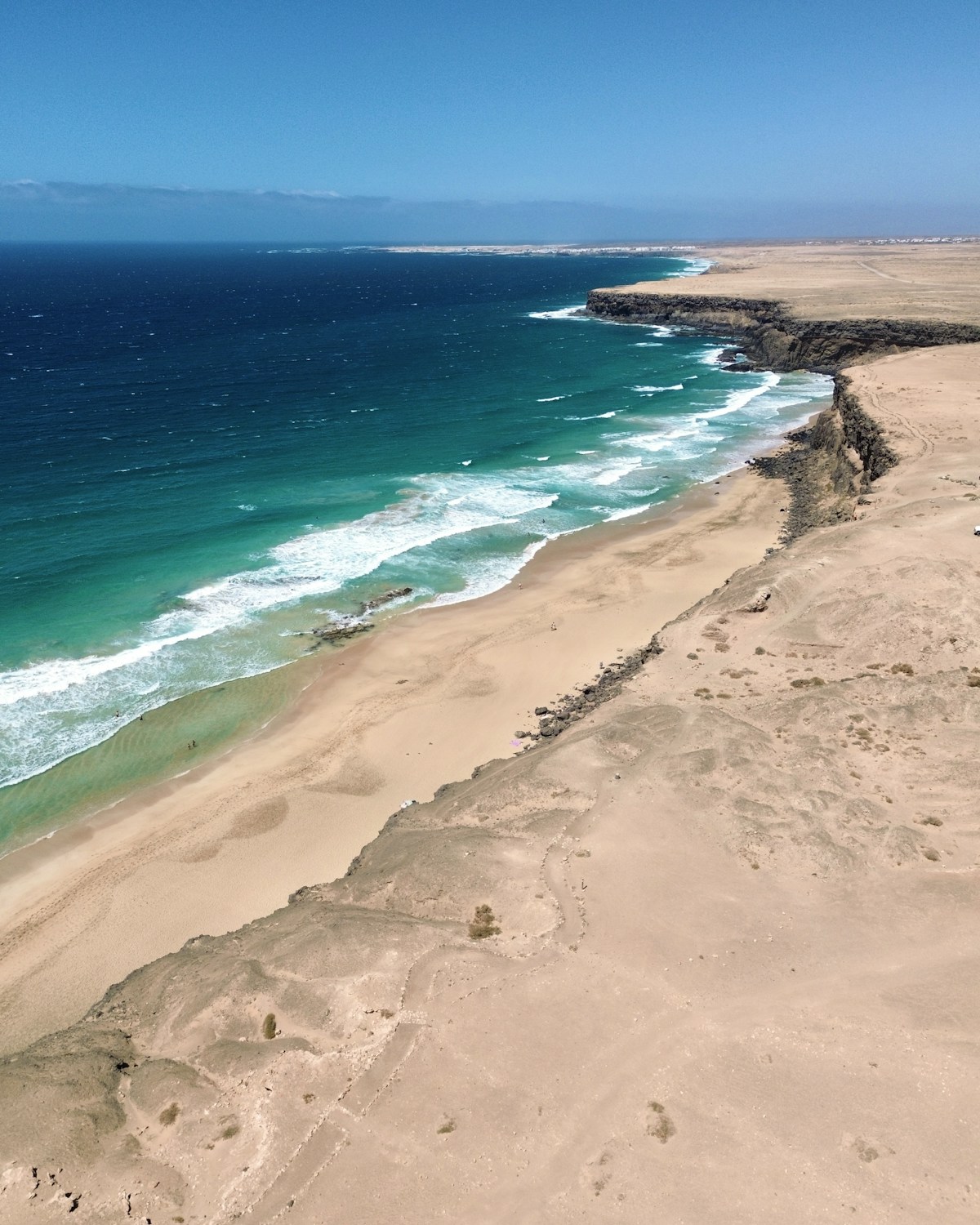
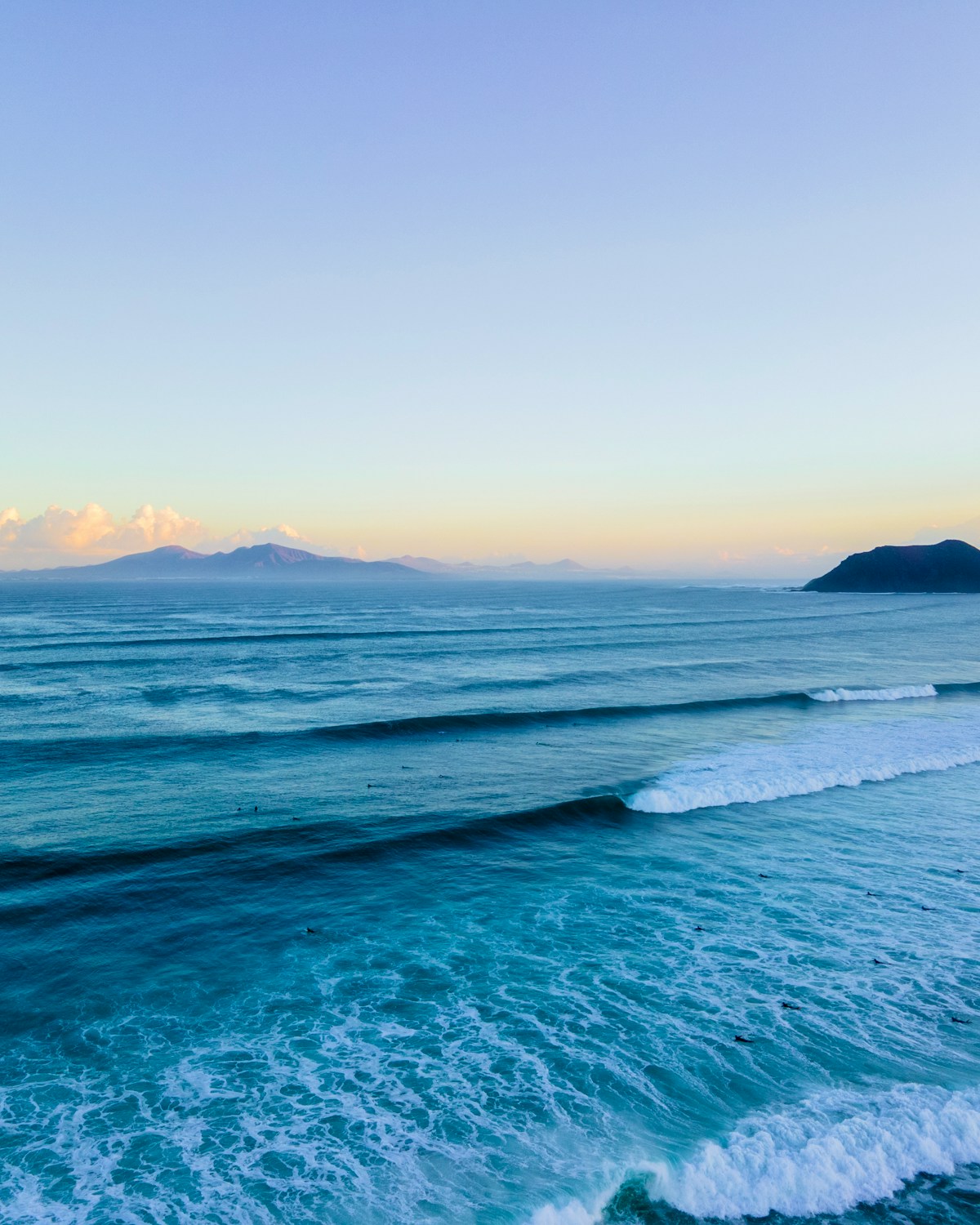
Few European surf regions sit inside a city the way Gran Canaria does. Las Palmas wraps around a 3km urban beach called Las Canteras, and the wave at its southern end — La Cicer — peels 100 metres from cafe terraces, tram stops and apartment blocks. Walk 20 minutes north up the headland and the city ends at El Confital, a heavy right-hand reef that regularly appears on shortlists of Europe's best righthanders. Drive another 20 minutes west and you reach Banaderos and Galdar, a string of reef points that pick up every winter NW swell. The island itself is round, mountainous and volcanic, with Mt Roque Nublo in the centre — part of the Canary Islands archipelago, 200km off the Moroccan coast. Surf rooted itself in Las Palmas in the late 1960s under pioneers like Jose Manuel "Oneka" Sosa, and the city still carries an intertwined skate, longboard and bodyboard culture that you don't find on mainland Spain.
Gran Canaria surf spots by skill level
El Confital is the marquee. A heavy right reef on the headland north of Las Palmas, hollow, urchin-covered, with a rocky takeoff that punishes mistakes. Best on solid NW swell with E-to-SE offshore wind, October to March. Advanced only, and hyper-localised — sit wide for several sessions before you angle for the inside.
La Cicer (Las Canteras Beach) is the city wave. Sand bottom, multiple peaks across a 3km stretch, beginner-friendly inside whitewater and intermediate-friendly outside peaks. Works year-round on small swells and rarely exceeds 5ft thanks to bay protection. Beginners and intermediates.
El Fronton (Galdar) is the bodyboard arena — a flat-shelf reef famous as Europe's premier bodyboard wave, hosting the APB Pro Tour Fronton King event. Stand-up surfers can ride it but it's bodyboard-priority. Heavy slabs onto a flat shelf. Advanced only.
El Lloret (Banaderos) is the long right reef in the middle of Banaderos village — multiple peaks, less localised than El Confital. Intermediate to advanced.
La Guancha is an A-frame reef in Banaderos that splits left and right on solid swell. Intermediate to advanced.
Las Monjas sits next to El Confital and offers a softer right alternative when the main reef is firing and crowded. Intermediate.
Quintanilla (Banaderos) is the long left reef that lights up only on bigger pulses. Advanced. El Pajar, near Maspalomas in the south, picks up overflow swell when the north shore goes flat. Intermediate.
When to surf Gran Canaria: month-by-month
December to March is the prime window. Waves run 4–12ft on stacked North Atlantic swell, water cools to 16–18°C, and El Confital, El Lloret and La Guancha go through their best run. Expect tight crowds at El Confital from first light. April to June is the shoulder — swell drops to 3–6ft, water climbs to 17–19°C, and the north-shore reefs thin out. July and August flip flat: 2–4ft trade-wind chop, 22–23°C water, and La Cicer carries the whole island for beginners and longboarders. September to November is the tactical sweet spot — water still 21–23°C, crowds gone home, and the first winter NW pulses reactivating Banaderos and Galdar.
Where to stay in Gran Canaria
Las Canteras / Las Palmas city centre is the obvious base. You walk to La Cicer, eat at the beachfront cafes on Paseo de Las Canteras, and reach El Confital in a 20-minute walk along the headland. Higher prices but no car needed. Banaderos (between Arucas and Galdar) is the reef-hunter base — guesthouses and apartments within five minutes of El Lloret, La Guancha and Quintanilla. Lower nightly rates than the city, but you'll want a rental car. Galdar town is the third option, ten minutes from El Fronton and the western end of the surf zone, with a quieter old-town feel and the cheapest beds on the north coast.
How to get to Gran Canaria from Europe
Fly into Las Palmas / Gran Canaria Airport (LPA), which has direct connections from most major European hubs. From the airport into Las Palmas city, the Global bus 60 runs every 15–30 minutes, takes 30 minutes and costs around €2.95. Taxi runs about €30 and takes 25 minutes. From the airport directly to El Confital is a 40-minute drive. Once on the island, the Global bus network covers the whole coast at low cost, but if you plan to surf the Banaderos and Galdar reefs you'll want a rental car — the buses don't sync neatly with dawn sessions.
Surf schools, gear rentals and local culture
Four operators anchor the lesson and rental scene: Las Canteras Surf School, Pukas Surf School Gran Canaria, Mojo Surf School and Bottom Surfers. Most cluster around La Cicer for beginner lessons; a few run guided surf-trips to the north-shore reefs for intermediates with their own boards. Soft-top rentals run €15–€20/day and performance shortboards €25–€35/day.
A word on local culture: Las Palmas is a bodyboard capital as much as a surf town, and the APB Pro Tour Fronton King at El Fronton is the calendar fixture every November. Stand-up beginners should stay off El Fronton entirely — the wave drops riders onto a flat shelf and bodyboarders have priority. At El Confital, the etiquette is simple: locals own the inside, watch for urchins (erizos) on the rocky takeoff, and earn your wave count over multiple sessions. Get that right and one of Europe's best right reefs opens up.