

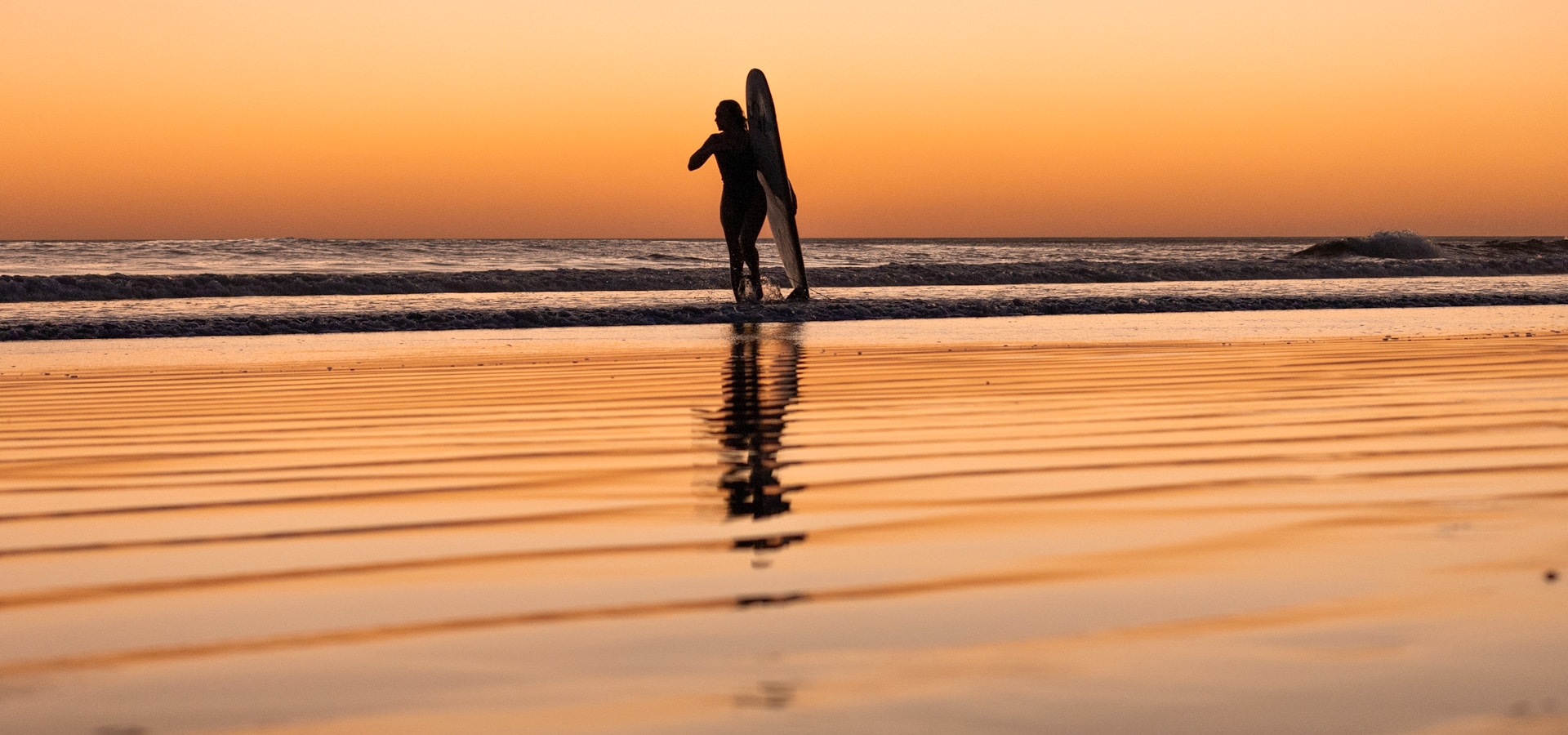
SAYULITA
Pueblo Mágico on Mexico's Riviera Nayarit, 40km north of Puerto Vallarta — Sayulita pairs a forgiving sand-bottom main beach with 6 named Punta Mita breaks.
About Sayulita
Sayulita sits on Mexico's Riviera Nayarit coast, 40km north of Puerto Vallarta, and earned Pueblo Mágico status in 2015 for its colourful streets and bohemian-surf identity. The forgiving sand-bottom Sayulita Beach out front is where most of Mexico learns to surf — soft A-frames and inside whitewater run all year.
Twenty minutes south, the Punta Mita peninsula stacks 6 named reefs and points across one cape, with La Lancha the long peeling right that intermediates graduate onto.
Surf level
| Skill level | Jan-Feb | Mar-Apr | May-Jun | Jul-Aug | Sep-Oct | Nov-Dec |
|---|---|---|---|---|---|---|
| Beginners | ||||||
| Intermediate | ||||||
| Advanced |
- Best time to go
- Good time to go
- Ok time to go
- Less desirable time to go
- Not recommended time to go
Weather & Travel Comfort


| Metric | Jan-Feb | Mar-Apr | May-Jun | Jul-Aug | Sep-Oct | Nov-Dec |
|---|---|---|---|---|---|---|
| Weather | ~20–25°C | ~20–26°C | ~23–29°C | ~25–29°C | ~24–28°C | ~22–26°C |
| Rainy days | 2d | 1d | 4d | 14d | 13d | 3d |
| What to Pack |  Water Temperature~25°C Water Temperature~25°C | Water Temperature~24–25°C | Water Temperature~28–29°C | Water Temperature~30–31°C | Water Temperature~30°C | Water Temperature~27–29°C |
- Boots if neededFor cold water or reef breaks
- Full protection wetsuitCold water
- Shorty / springsuitMild conditions
- No wetsuitWarm water
Tips for Surfing Sayulita
Mexico's Riviera Nayarit village delivers sand-bottom Sayulita Beach for beginners and Punta Mita's wraparound S-swell rights from May. The four tips below cover lessons, the swell window, and the stingray shuffle you'll want before walking out.

Beginners Start at Main
Book Sayulita Beach with WildMex. Group lessons run MXN 700–900 for 90 minutes.

Punta Mita on S Swell
Time intermediate sessions May–November, when S/SW swells wrap into La Lancha and Anclote.

Boardshorts Year-Round
Water sits 24–30°C: boardshorts plus long-sleeve rashguard. 2mm shorty helps December–March.
Shuffle for Stingrays
Shuffle your feet walking out at Sayulita Beach — stingrays bury in the shallow sand.
Frequently Asked Questions
When is the best time to surf in Sayulita?
Skill drives the answer. Beginners score from September to May at Sayulita Beach, when 1–4ft sand-bottom A-frames make for forgiving sessions. Intermediates peak May to November, when S and SW swells wrap into La Lancha and Anclote on the Punta Mita peninsula. Advanced surfers come June to August for 4–8ft swell at Stinky's, Burros and El Faro, with water at its 30°C summer peak.
Is Sayulita good for beginners?
Yes — it is one of the easiest places to learn to surf in Mexico. Sayulita Beach, the main beach in front of the village, is sand-bottomed with mellow A-frames and soft inside whitewater that runs almost every day of the year. Schools cluster on the main pack, so sit east or west of the lesson zone for cleaner takeoffs. Avoid the Punta Mita reefs (Stinky's, Burros, El Faro) until you are paddling confidently.
How big do the waves get in Sayulita?
Sayulita Beach itself runs 1–4ft most of the year — small, mellow and beginner-friendly. The size lives 20 minutes south at Punta Mita, where S and SW swells from May to November push 4–8ft sets through La Lancha, Stinky's, Burros and El Faro. June, July and August are the biggest months. December through April is small and dry — perfect for learners but quiet for advanced surfers chasing size.
Do I need a wetsuit to surf in Sayulita?
No, not really. Water sits between 24°C in February and 30°C in August — boardshorts and a long-sleeve rashguard cover most travellers year-round. The rashguard matters more than thickness: UV at this latitude is intense and sessions run long. From December to March, when water dips to 24°C, some surfers add a 2mm shorty for dawn sessions. Reef booties are not needed at the sand-bottom main beach; bring them only if surfing Stinky's or Burros.
How do I get to Sayulita from Puerto Vallarta?
Fly into Puerto Vallarta International (PVR), the closest airport, 1 hour south by car. A private taxi to Sayulita runs around MXN 700 for the 60-minute coast-highway ride. Budget travellers take the Compostela bus from outside the airport for around MXN 50 — the trip takes 90 minutes and runs frequently. Once in town, walking covers the village and main beach; colectivo vans handle Punta Mita and San Pancho for MXN 30–50.
Where should I stay in Sayulita for surfing?
Stay in Sayulita village centre if you want the colourful streets, the mercado, late taquerías and a 3-minute walk to the main beach — most surf trips work best here. Pick Gringo Hill and the south side for quieter ocean-view guesthouses still 5 minutes from the sand. San Pancho, 5km north, is the calmer, lower-priced alternative with a quieter beach and a 10-minute colectivo van back to Sayulita's nightlife and lesson zone.
Other regions in Mexico
The Ultimate Guide to Surfing in Sayulita
What makes Sayulita unique
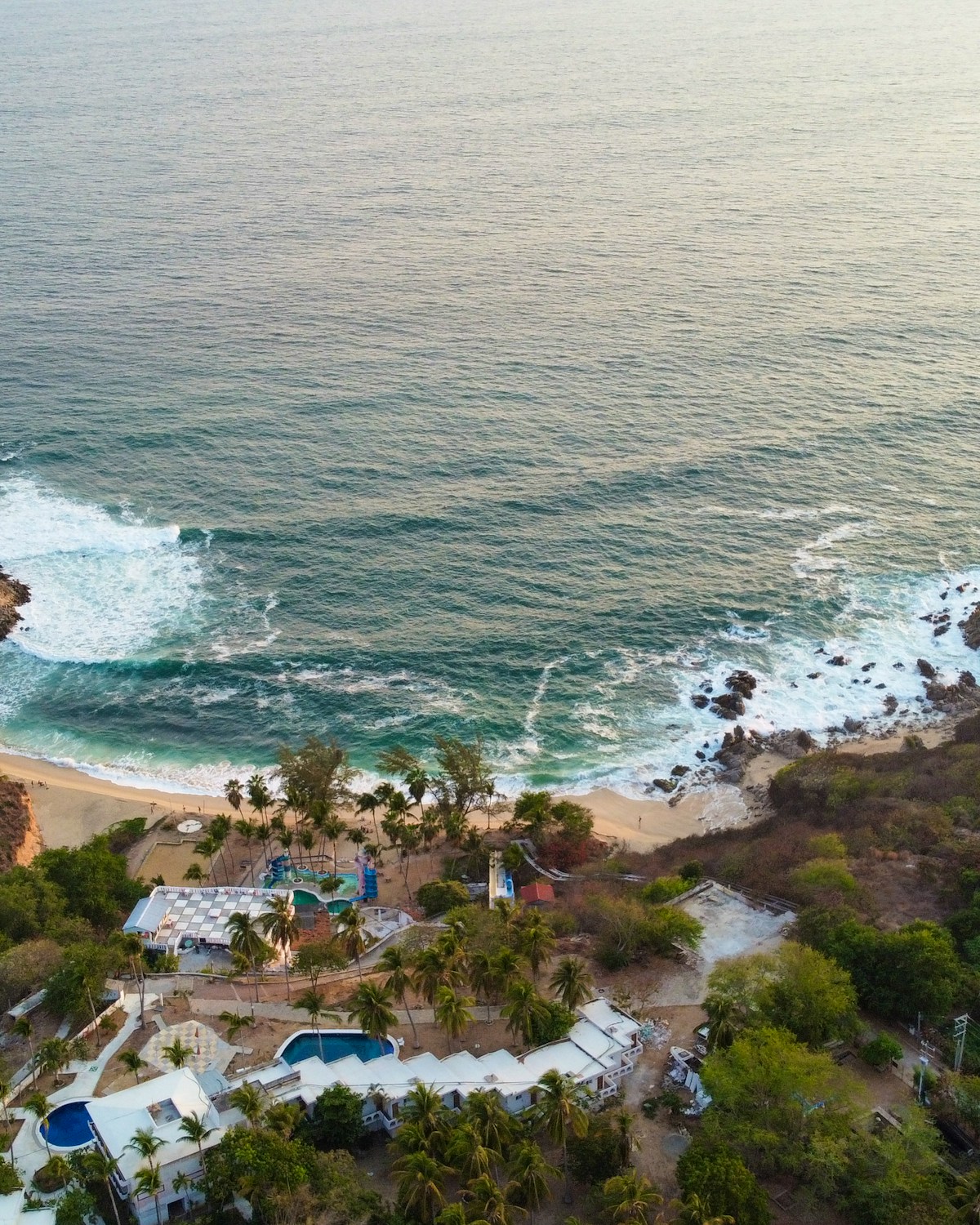
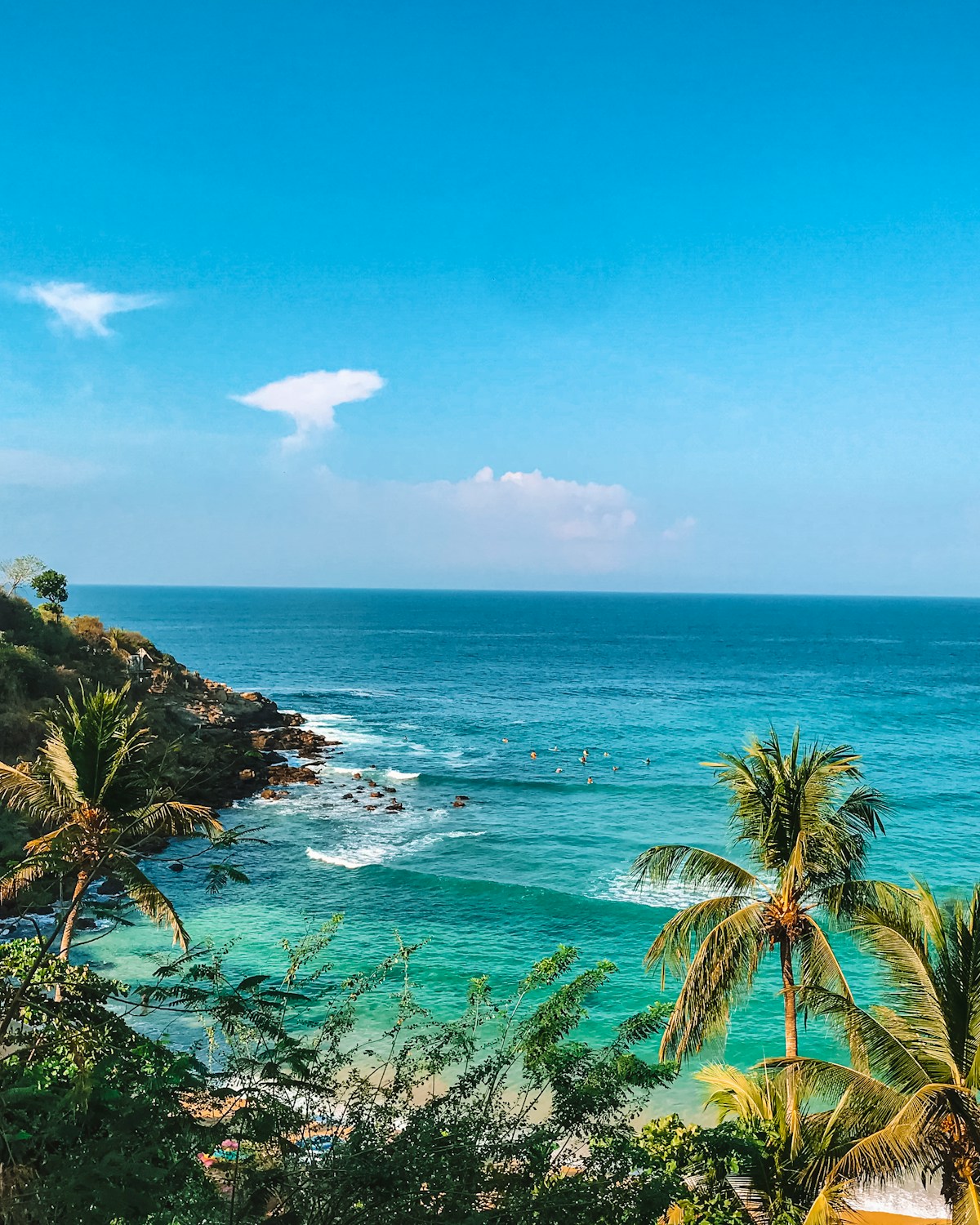
Sayulita is the answer to the question every traveller eventually asks: where do I learn to surf in Mexico? The Mexican government formalised the town's identity in 2015 with a Pueblo Mágico designation, recognising the colourful streets, indigenous Wixárika beadwork on Calle Revolución and the cliff-and-jungle backdrop that wraps the bay. The surf reputation rests on two facts. First, the main beach in front of the village is sand-bottomed, gentle and consistent — the most school-friendly setup on the entire Pacific coast of Mexico. Second, the Punta Mita peninsula 20 minutes south stacks six named breaks across a single cape, giving intermediates a graduation ladder rare anywhere in Latin America. Together they explain why Riviera Nayarit tourism boards quote 60-minute drive distances from Puerto Vallarta in every brochure: this is the most accessible beginner-to-intermediate surf zone on the Pacific side.
Sayulita surf spots by skill level
Sayulita Beach is the basecamp. A long sand-bottom beach in front of the village producing mellow A-frames and soft inside whitewater on most days, working from 1ft up to a manageable 4ft. School groups fill the inside daily — sit east or west of the main pack to find space. Beginners.
La Lancha sits on the south side of the Punta Mita peninsula, a long peeling right-hand point that throws 200-metre rides on a clean S or SW swell. The walk in is a 15-minute jungle path through palms — wear shoes. Intermediate-friendly, peak May to November.
Anclote is the mellowest of the Punta Mita breaks, a long slow right-hand point reef that takes the same swell as La Lancha at smaller size. Beginner-to-intermediate.
Stinky's is the fast hollow right-hand reef on the outside of the cape. Holds head-high and bigger, breaks shallow over reef, and has a tight local crew — sit wide for two sessions. Advanced.
Burros is the heavier left-hand reef on the same peninsula, demanding paddle fitness and reef-respect. Advanced.
El Faro (also called The Cove) is the outside reef break that picks up the biggest swell on the peninsula. Advanced.
San Pancho, 5km north of Sayulita, is the overflow option — a long sandy beach with punchier shorebreak that suits beginner-to-intermediate surfers when the main beach is crowded.
When to surf Sayulita: month-by-month
May to November is the prime intermediate-and-advanced window: S and SW swells march up from the southern hemisphere, Punta Mita lights up with 4–8ft sets on the marquee days, and water climbs to 30°C through July, August and September. The trade-off is the wet season — June through October sees 7 to 16 rainy days a month, with August and September the soggiest at 15 and 16 days respectively. December to May is the dry-and-mellow season: 1–4ft on Sayulita Main, beginner heaven, almost zero rain (1–3 rainy days a month), water cooling to a still-warm 24–25°C in February. June to August is the advanced sweet spot — biggest Punta Mita swell on the longest days, before the September storm peak. September itself rewards travellers who tolerate rain — the swell is on, the August holiday crowd is gone, and the water is at its 30°C peak.
Where to stay in Sayulita
Sayulita village centre is the obvious pick — colourful streets, the daily mercado, taquerías open until midnight, and a 3-minute walk to the main beach. Higher prices in peak season (December–April), but you skip the car. Gringo Hill and the south side of the village put you on quieter streets with ocean views, 5-minute walk to the beach, and the bulk of the boutique guesthouses. San Pancho, 5km north, is the calmer, more residential alternative — lower prices, a quieter beach, and a 10-minute colectivo van back to Sayulita whenever you want the noise.
How to get to Sayulita from Puerto Vallarta
Fly into Puerto Vallarta International (PVR) — direct flights from LAX, Dallas, Houston, San Francisco, NYC, Mexico City and Canadian gateways. From the airport, a private taxi to Sayulita runs around MXN 700 and takes 1 hour up the coast highway. Budget travellers take the Compostela bus from outside the airport for around MXN 50 — slower at 90 minutes, but reliable. Once in Sayulita, the village and main beach are walkable. For Punta Mita, take a colectivo van for MXN 30–50 (15 minutes) or rent a moto-scooter; San Pancho is a 10-minute colectivo north.
Surf schools, gear rentals and local culture
Three schools anchor the lesson scene: WildMex Surf School, Lunazul Surf Shop & School and Sayulita Surf School. Group lessons run MXN 700–900 for 90 minutes; soft-top rentals are MXN 250–350 a day from any shop on Calle Delfines.
A word on the cultural calendar: Sayulita was a tiny fishing-and-coconut village until international surfers found it in the 1990s, and the bohemian-surf identity took its current shape through the 2010s. Festival Sayulita in March anchors the indie-music and film calendar; the Día de Muertos parade in early November is the most visually striking night of the year. Wixárika (Huichol) Indigenous beadwork and yarn paintings sell on Calle Revolución — buying direct from artisans supports communities from the Sierra Madre Occidental. On the etiquette side, treat Stinky's and Burros as local-respect-required reefs (sit wide, eye contact, three sessions before the inside), and pack reef-safe sunscreen — UV at this latitude burns quickly.