

BAJA CALIFORNIA
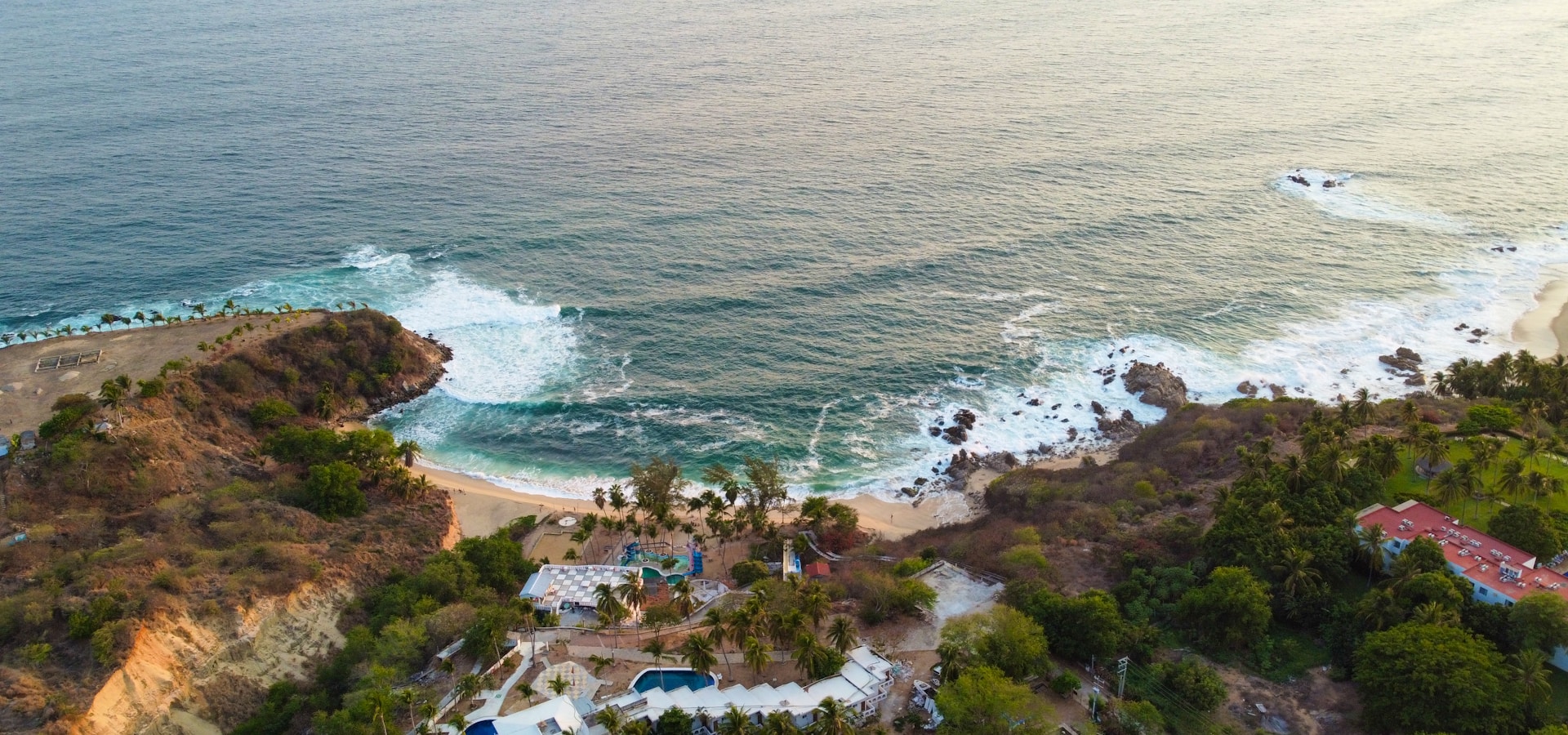
A 1,200km Mexican peninsula with two coastlines that fire in opposite seasons — Baja California stacks Pacific winter points and East Cape summer rights along Highway 1.
About Baja California
Baja California is a 1,200km Mexican peninsula running south from the US border to Cabo San Lucas, with two coastlines that work in opposite seasons. The cold Pacific side lights up September to April on NW swell, while the warmer East Cape and Sea of Cortez fire May to October on southern pulses.
Cerritos is the sandy A-frame beach south of Cabo where most travellers learn, Shipwrecks is the long East Cape right-hander, and Scorpion Bay is the multi-section cobblestone point that built the Endless Summer mythology.
Surf level
| Skill level | Jan-Feb | Mar-Apr | May-Jun | Jul-Aug | Sep-Oct | Nov-Dec |
|---|---|---|---|---|---|---|
| Beginners | ||||||
| Intermediate | ||||||
| Advanced |
- Best time to go
- Good time to go
- Ok time to go
- Less desirable time to go
- Not recommended time to go
Weather & Travel Comfort


| Metric | Jan-Feb | Mar-Apr | May-Jun | Jul-Aug | Sep-Oct | Nov-Dec |
|---|---|---|---|---|---|---|
| Weather | ~14–26°C | ~15–27°C | ~19–30°C | ~23–32°C | ~22–30°C | ~17–27°C |
| Rainy days | 1d | 0d | 1d | 8d | 7d | 1d |
| What to Pack |  Water Temperature~22–23°C Water Temperature~22–23°C | Water Temperature~21°C | Water Temperature~20–23°C | Water Temperature~27–28°C | Water Temperature~28–29°C | Water Temperature~25–27°C |
- Boots if neededFor cold water or reef breaks
- Full protection wetsuitCold water
- Shorty / springsuitMild conditions
- No wetsuitWarm water
Tips for Surfing Baja California
Mexico's 1,200-kilometre peninsula serves up two coasts and two completely different rhythms — the cold Pacific points in winter, the warm East Cape in summer. The four tips below cover Cerritos for beginners, K-Mile etiquette, and which suit you'll actually need.

Beginners go to Cerritos
Beginners: head to Cerritos near Cabo. Group lessons run $50–$80 USD for 2 hours.
Drive Highway 1 by Day
Stay off Hwy 1 after dark — livestock and unmarked hazards make night driving dangerous.

Two Coasts, Two Suits
Pacific side: 3/2 fullsuit Dec–May (16–24°C). East Cape: boardshorts May–Nov (22–29°C).

Respect the K-Mile Locals
K38, K54, K58 and Scorpion Bay value commitment — sit wide and don't drop in.
Frequently Asked Questions
When is the best time to surf in Baja California?
The answer depends on which coast. Pacific side (Cerritos, K-miles, Killers) peaks September to April on NW swell, with water 20–24°C. East Cape and Sea of Cortez (Shipwrecks, Nine Palms) peak May to October on S/SW pulses, with water 22–29°C. Beginners score year-round at Cerritos. Intermediates get the widest window — May through March covers both coasts. Advanced surfers chase Killers December to February.
Is Baja California good for beginners?
Yes — head to Cerritos, the long sand-bottom beach 1 hour northwest of Cabo San Lucas. Mellow A-frames, the highest school density on the peninsula, and forgiving 2–4ft summer waves make it the standard learner basecamp. Group lessons run $50–$80 USD for 2 hours. Avoid Shipwrecks, Nine Palms, the K-miles and Scorpion Bay until you can paddle out at chest-high reef and hold your own.
How big do the waves get in Baja California?
Cerritos runs 2–4ft summer and 4–8ft winter on Pacific NW swell. The East Cape holds 4–8ft on prime summer S/SW pulses at Shipwrecks and Nine Palms. Scorpion Bay can connect head-high-plus across multiple cobblestone sections on big southern swells. Killers at Todos Santos Island absorbs 30–60ft on giant winter NW pulses — boat access, big-wave board only, and one of the heaviest waves in North America.
Do I need a wetsuit to surf in Baja California?
It depends on the coast. Pacific side (Cerritos, north Baja) is cold — water 16–24°C — so pack a 3/2 fullsuit for December through May. East Cape and Sea of Cortez are warm — water 22–29°C — so boardshorts and a rashguard cover May through November and a 2mm shorty handles December to April. North Baja (Tijuana area) needs a 4/3 in winter and a 3/2 in summer.
How do I get to Baja California from Los Angeles?
For southern Baja, fly LAX to Los Cabos (SJD) — direct flights run 2h 45min and serve Cerritos (1h drive) and the East Cape (1h drive). For north Baja's K-mile breaks, fly LAX to San Diego, then walk the CBX cross-border bridge into Tijuana airport — 30 minutes airport-to-airport. For Scorpion Bay, fly into La Paz (LAP), then drive 6+ hours south on dirt roads. A 4WD rental is standard kit at all three.
Where should I stay in Baja California for surfing?
Pick Cabo San Lucas or San José del Cabo for the easiest base — Cerritos is 1 hour northwest, the East Cape 1 hour east, and full rental infrastructure is on tap. Choose Todos Santos or Pescadero for the funky surf-town pick: walkable to Cerritos and Los Cerritos with smaller crowds. Stay on the East Cape (Los Barriles, Cabo Pulmo) if you want to wake up at Shipwrecks or Nine Palms — 4WD essential, basic services.
Other regions in Mexico
The Ultimate Guide to Surfing in Baja California
What makes Baja California unique
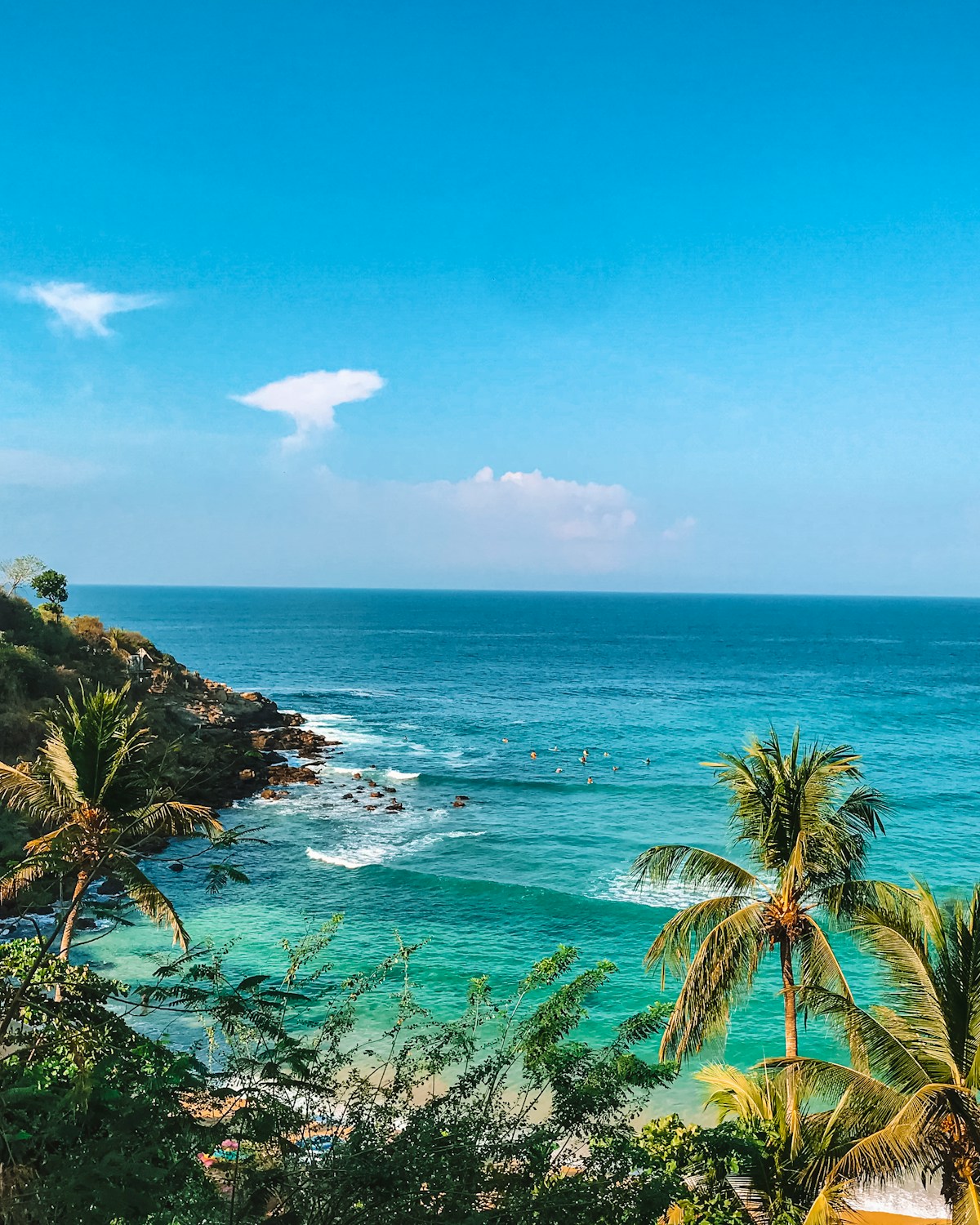
No other surf region in the world lets you drive 8 hours from a paved international airport and find an empty perfect point. Baja California is a 1,200km Mexican peninsula running south from the US border to Cabo San Lucas, and the single editorial fact that defines it is the two-coast, two-season split: the cold Pacific side faces dominant NW swell from September through April, while the East Cape and Sea of Cortez face south and turn on for S/SW pulses from May to October. Highway 1 — 1,711km of paved road end-to-end — is the spine, and a 4WD rental is the standard travel kit. The peninsula's surf identity was built on the Endless Summer (1966) road-trip mythology that pushed generations of US surfers south on Hwy 1 looking for empty waves. Cabo San Lucas anchors the southern tip, balancing mass-tourism resorts with funky surf-town suburbs at Todos Santos and Pescadero. For the wider country context, see Mexico.
Baja California surf spots by skill level
Cerritos is the basecamp. A long sand-bottom beach 1 hour northwest of Cabo on the Pacific side, with mellow A-frames and the highest school density in southern Baja. Works year-round and absorbs 2–4ft summer swell, 4–8ft winter NW swell. Beginner-to-intermediate.
Los Cerritos / Pescadero is the slightly heavier sibling — sandy beach with multiple peaks just up the road from Cerritos, more punch on bigger swells. Intermediate.
Shipwrecks sits on the East Cape, 1 hour east of San José del Cabo. Long right-hand reef and cobblestone point that holds head-high and bigger on summer S/SW swell. Intermediate-to-advanced.
Nine Palms is the East Cape's other marquee — a long, peeling right-hand point that rewards patience and a long board. Intermediate.
Scorpion Bay (San Juanico), mid-peninsula and roughly 10 hours' drive from Cabo, is the legendary right-hand cobblestone point — 4 to 6 named sections that connect on big southern pulses. Remote, dirt-road access, basic services. Intermediate-to-advanced.
Killers breaks 19km offshore from Ensenada at Todos Santos Island and holds 30–60ft on giant winter NW swells. Boat access, big-wave board only. Advanced / big-wave.
K38, K54 and K58 — the north Baja "K-mile" cobblestone-point reefs near Rosarito — round out the menu, all best on winter NW swell with E offshore. Intermediate-to-advanced.
When to surf Baja California: month-by-month
September to April is the Pacific side's window. NW Atlantic-style groundswell fires Cerritos at 4–8ft and lights up Killers and the K-miles up north on the biggest pulses. Water cools from 28°C in September to 20°C in March. May to October flips the spotlight east: S/SW swells wrap into the East Cape and Sea of Cortez, Shipwrecks and Nine Palms run 4–8ft on the prime pulses, and water sits 22–29°C with boardshorts comfort. July to October is also rainy-shoulder season — September averages 11 rainy days and the air sits 30°C — but the swell consistency makes it the East Cape's peak. November and June are the quieter pivot months: smaller crowds, both coasts firing on their respective sides.
Where to stay in Baja California
Cabo San Lucas and San José del Cabo are the obvious base — direct access to Cerritos (1h drive northwest) and the East Cape (1h east), full resort and rental infrastructure, and the closest grocery and 4WD-rental options. Todos Santos and Pescadero, 1 hour up the Pacific coast, are the funky surf-town pick: walking distance to Cerritos and Los Cerritos, smaller crowds, mid-range guesthouses and a slower pace. East Cape (Los Barriles, Cabo Pulmo area) is the play if you want to wake up at Shipwrecks or Nine Palms — 4WD essential, basic services, and a Sea of Cortez snorkelling bonus on flat days.
How to get to Baja California from Los Angeles
For southern Baja, fly into Los Cabos (SJD) in San José del Cabo — direct flights from LAX, SFO, PHX, Mexico City (MEX) and Toronto. Cerritos is a 1-hour drive northwest, the East Cape (Shipwrecks, Nine Palms) a 1-hour drive east. For north Baja's K-mile breaks, fly into Tijuana (TIJ) via the CBX cross-border walk-bridge from San Diego — 30 minutes airport-to-airport. La Paz (LAP) is the gateway for Scorpion Bay, then a 4WD-only 6+ hour drive south on dirt roads. Rent a 4WD at any of the three; carry pesos cash, extra fuel and water for remote runs. See Lonely Planet Baja for road notes.
Surf schools, gear rentals and local culture
Three operators anchor southern Baja: Mario Surf School in Todos Santos town, Cerritos Surf Town on the beach at Cerritos, and Baja Surf Adventures for multi-day road-trip tours. Costa Azul Surf Shop in San José del Cabo is the long-running rental and repair hub. Soft-top rentals run $20–$30 USD/day, performance shortboards $30–$45 USD/day.
On culture: Baja's lineup ethic is shaped by remoteness. Locals at the K-miles and Scorpion Bay value commitment over visiting talent — sit wide on your first sessions, don't drop in, and nod hello in the parking lot. Mobile signal drops south of La Paz on the Pacific coast, so download offline maps and tell someone your route. The Sea of Cortez was called "the world's aquarium" by Jacques Cousteau, and a flat day on the East Cape is a snorkelling and sea-lion day, not a wasted one.