

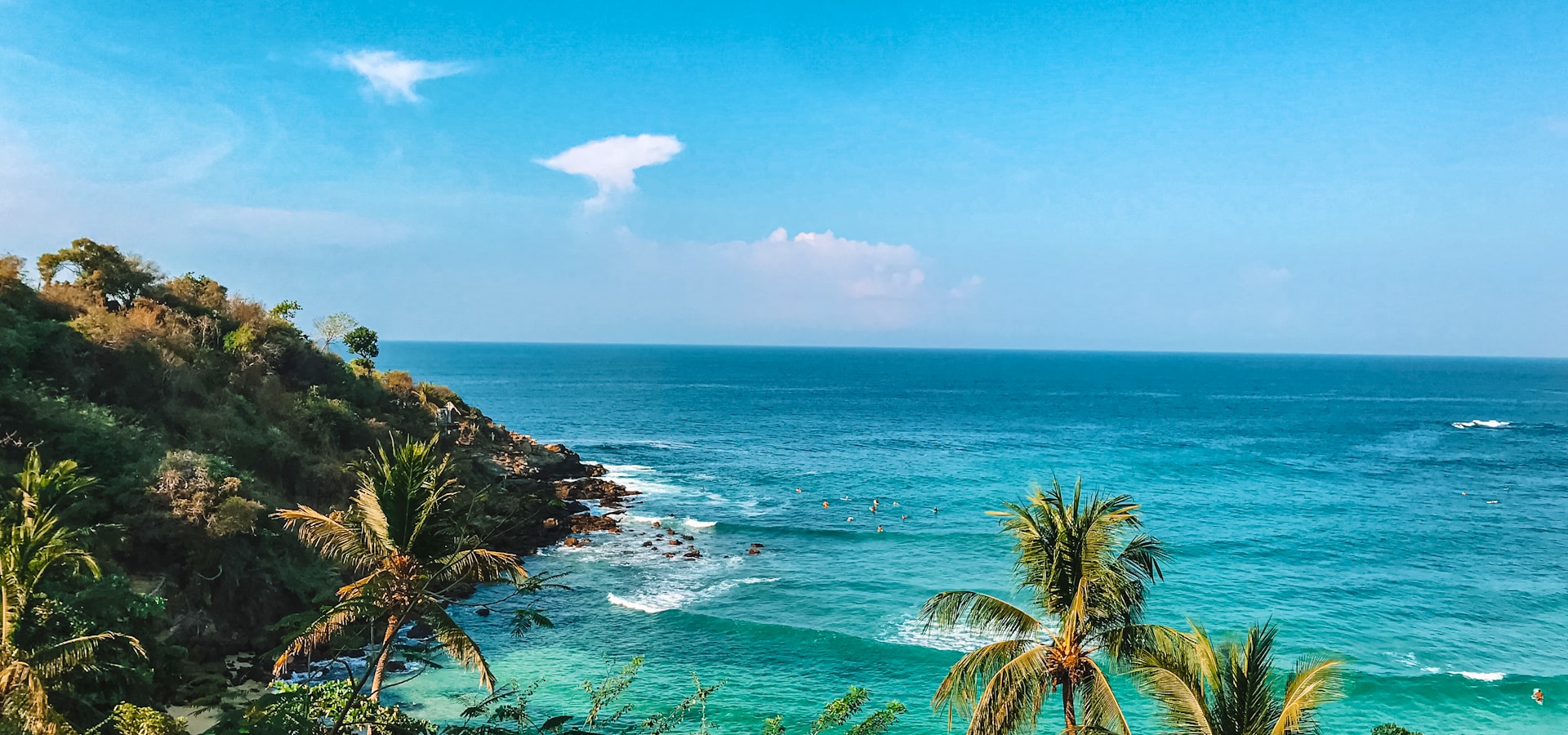
PUERTO ESCONDIDO
Oaxaca's Pacific coast town wraps the Mexican Pipeline at Zicatela, plus three other beaches — heavy barrels and beginner whitewater inside one walkable strip.
About Puerto Escondido
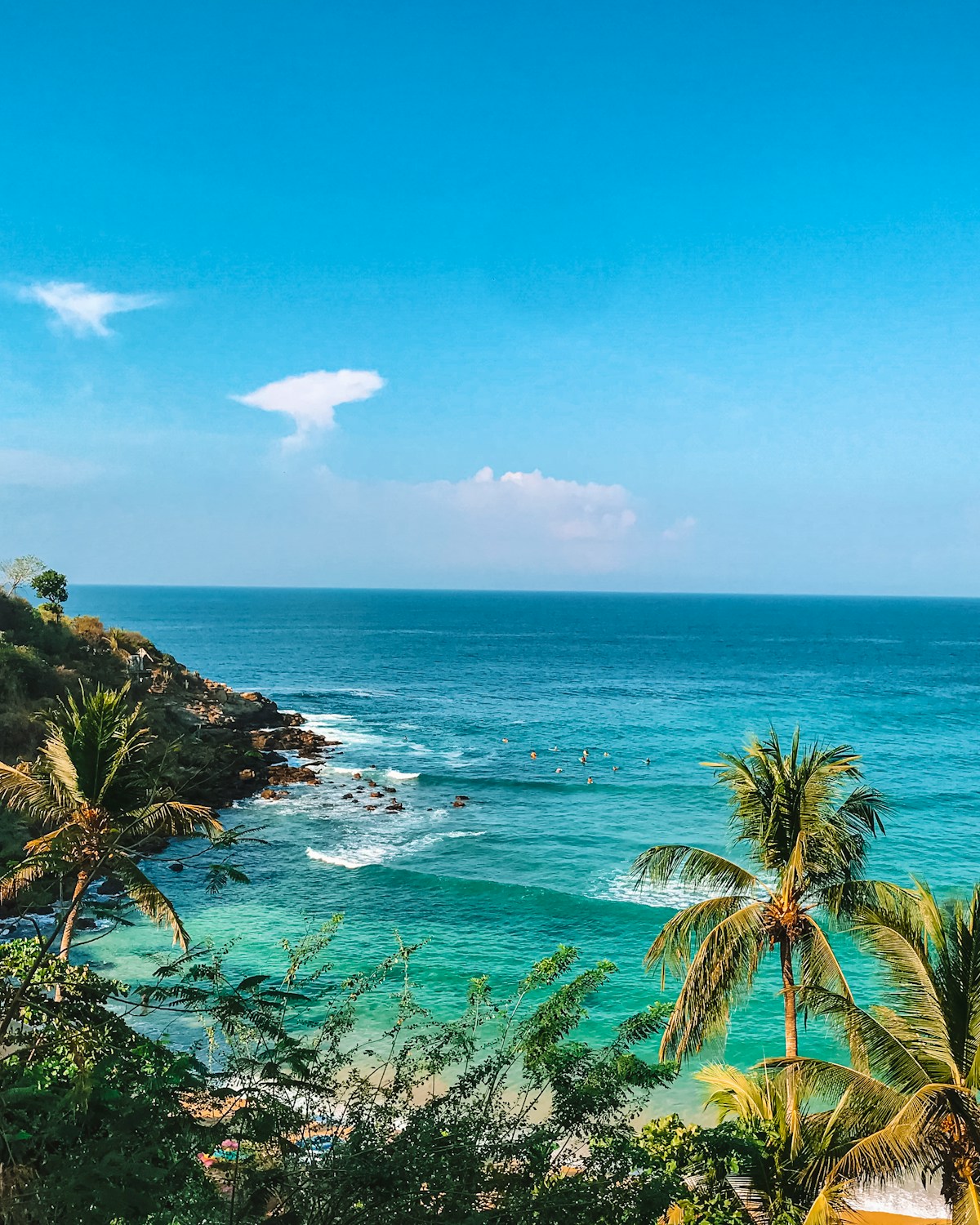
Puerto Escondido sits on Mexico's Pacific coast in Oaxaca, built around Playa Zicatela — the Mexican Pipeline, a sand-bottom beach break that throws the country's heaviest hollow closeouts and hosts the WSL Big Wave Tour. Three other beaches break inside the same town: La Punta is a long peeling left-hand point, Carrizalillo is a protected cove for beginners, and Bacocho offers intermediate sand-bottom peaks.
Few destinations stack Pipeline-grade barrels and beginner whitewater within a 15-minute walk of each other.
Surf level
| Skill level | Jan-Feb | Mar-Apr | May-Jun | Jul-Aug | Sep-Oct | Nov-Dec |
|---|---|---|---|---|---|---|
| Beginners | ||||||
| Intermediate | ||||||
| Advanced |
- Best time to go
- Good time to go
- Ok time to go
- Less desirable time to go
- Not recommended time to go
Weather & Travel Comfort


| Metric | Jan-Feb | Mar-Apr | May-Jun | Jul-Aug | Sep-Oct | Nov-Dec |
|---|---|---|---|---|---|---|
| Weather | ~21–30°C | ~23–31°C | ~24–29°C | ~24–29°C | ~23–28°C | ~22–29°C |
| Rainy days | 1d | 2d | 14d | 17d | 18d | 3d |
| What to Pack |  Water Temperature~28°C Water Temperature~28°C | Water Temperature~29°C | Water Temperature~30°C | Water Temperature~31°C | Water Temperature~30–31°C | Water Temperature~29–30°C |
- Boots if neededFor cold water or reef breaks
- Full protection wetsuitCold water
- Shorty / springsuitMild conditions
- No wetsuitWarm water
Tips for Surfing Puerto Escondido
Mexico's Mexican Pipeline lives or dies at dawn — Zicatela's onshore wind kicks in by 10am and the closeouts above 5 feet drown surfers who don't actually ride advanced barrels. The four tips below cover Carrizalillo for beginners, the dawn glass-off, and Zicatela's harsh truth.

Beginners go to Carrizalillo
Beginners: head to Carrizalillo cove. Group lessons run MXN 600–900 for 90 minutes.

Surf the Dawn Glass-Off
Wind goes onshore by 10am — paddle out at first light for cleanest Zicatela.

Boardshorts Year-Round
Water sits 28–31°C all year. Boardshorts plus a long-sleeve rashguard — no wetsuit needed.
Respect Zicatela Closeouts
Zicatela drowns surfers — only paddle out above 5ft if you genuinely surf advanced barrels.
Frequently Asked Questions
When is the best time to surf in Puerto Escondido?
Skill drives the answer. Beginners score from November to April at Carrizalillo, when the cove stays small and crowds thin. Intermediates peak October through April — La Punta runs clean 2–4ft walls, water at 29°C, rain near zero. Advanced big-wave surfers come May through October when SW Pacific groundswells stack 6–25ft barrels into Zicatela, hosting the WSL Big Wave Tour and the Mexican Pipeline Pro.
Is Puerto Escondido good for beginners?
Yes — but only at Carrizalillo. The small cliff-protected cove has sand bottom, mellow whitewater, friendly lifeguards and every school in town teaches there. Reach it by stairs from the cliff-top road. Avoid Zicatela entirely in your first week — it throws genuinely dangerous closeouts and drowning incidents are on record. La Punta has a strong parallel rip and is not a beginner spot either.
How big do the waves get in Puerto Escondido?
Carrizalillo stays 2–6ft year-round. Zicatela runs 4–6ft most of the dry season and stacks to 15–25ft on big summer SW Pacific groundswells — the Mexican Pipeline holds size that few sand-bottom beach breaks anywhere can match, which is why the WSL Big Wave Tour stops here. La Punta typically runs 3–6ft, Bacocho 3–5ft. Peak big-wave season is May through October.
Do I need a wetsuit to surf in Puerto Escondido?
No. Water sits 28–31°C year-round — the warmest of Mexico's surf coasts and among the warmest surfable water on the planet. Boardshorts or a bikini is enough. Most travellers add a long-sleeve rashguard for sun protection during 2–3 hour sessions; the equatorial sun burns through clouds. Wax at 27°C+ tropical is essential — basecoat plus tropical topcoat. Reef-safe sunscreen on face and shoulders.
How do I get to Puerto Escondido from Mexico City?
Fly direct to Puerto Escondido Airport (PXM), 2km from town. Aeroméxico, Volaris and VivaAerobus run 4–6 daily flights from Mexico City (MEX) — about 1 hour, MXN 1,500–4,000 one way. The overland alternative is fly to Oaxaca City (OAX), then a 6-hour OOCT mountain bus for around MXN 500. Motion-sickness-prone travellers should fly direct.
Where should I stay in Puerto Escondido for surfing?
Stay on the Zicatela strip to walk to the Mexican Pipeline lineup and watch the swell from your terrace — best for advanced surfers, lively at night. Pick La Punta (Calle del Morro) for slower jungle vibes, lower rates and proximity to the long left-hand point. Rinconada, on the cliff above Carrizalillo, suits beginners prioritising the cove and easy airport access. Bring mosquito repellent for jungle-side accommodations.
Other regions in Mexico
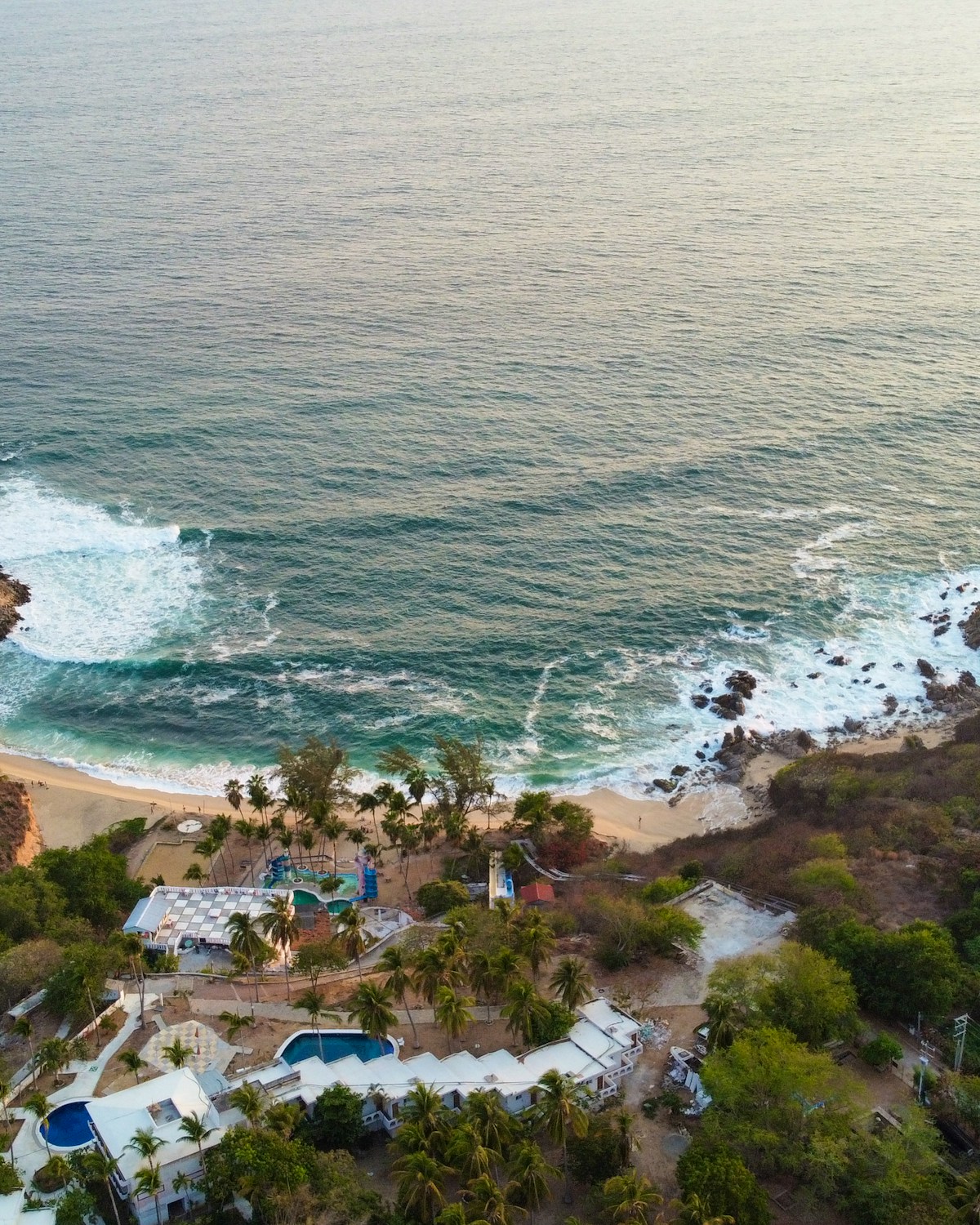

The Ultimate Guide to Surfing in Puerto Escondido
What makes Puerto Escondido unique
Puerto Escondido is the only town in Mexico that puts a Big Wave Tour venue and a beginner cove inside the same 4km strip. Playa Zicatela — known globally as the Mexican Pipeline — is a sand-bottom beach break that throws hollow, ferocious closeouts and holds 25ft on summer SW Pacific swells. The WSL Mexican Pipeline Pro and Big Wave Tour stops have run here since the 1990s. Walk fifteen minutes and you reach Carrizalillo, a cliff-protected cove with mellow whitewater where every school in town teaches first-timers. That contrast — Pipeline-grade closeouts and forgiving cove sessions inside one walkable town — is the editorial fact that anchors the region.
Puerto Escondido surf spots by skill level
Playa Zicatela is the main event. Heavy hollow beach break, sand bottom, holds 6–25ft on a SSW Pacific groundswell with light offshore wind in the morning. Closeout-prone, drowning incidents on record. Advanced only above 5ft — small days are surfable by intermediates with strong paddle.
La Punta Zicatela is the long left-hand point at the south end of Zicatela beach. Workable peeling walls run 100–200 metres on a clean SW with a mid-incoming tide. There is a strong rip running parallel to the point — paddle out with the rip on your inside, never directly at the take-off rock. Intermediate to advanced.
Carrizalillo is the beginner mecca. A small cliff-protected cove reached by stairs from the road, sand bottom, mellow whitewater on the inside and a workable shoulder out the back when small. Friendly lifeguards. Beginners.
Bacocho sits west of town — a long sand-bottom beach with multiple peaks and fewer crowds than Zicatela. Decent on an offshore morning at 3–5ft. Intermediates.
La Barra de Colotepec is a river-mouth break 15 minutes east of town. Quieter lineup, sand-bottom peaks that work on a SW. Intermediate to advanced.
When to surf Puerto Escondido: month-by-month
April through October is the prime big-wave season. SW Pacific groundswells stack into Zicatela at 6–25ft, water sits at 30°C, air at 28–31°C, and the rainy season runs June through October — short afternoon thunderstorms, mornings glass. This is when the Mexican Pipeline Pro and Big Wave Tour run.
November to March is the dry, smaller-swell window. Zicatela drops to 3–6ft most days, La Punta runs clean 2–4ft walls, and Carrizalillo offers waist-to-shoulder beginner sessions all morning. Water stays at 28–29°C, rain near zero, air 21–30°C. Intermediates score the cleanest conditions of the year December through February. Beginners find their best window November to April when Zicatela is calmer and crowds at Carrizalillo manageable.
Where to stay in Puerto Escondido
Zicatela strip is the obvious base for surfers — guesthouses and hostels line the beach road, you can watch the swell from your terrace, and the lineup is a 30-second walk. Higher noise, party scene at night. La Punta (Calle del Morro and the south end) is the slower-paced, jungle-vibe alternative — closer to the left-hand point, lower nightly rates, more vegan cafes than nightclubs. Rinconada sits on the cliff above Carrizalillo and works for travellers prioritising the beginner cove and the airport, with mid-range hotels and supermarkets within a 10-minute walk. Mosquito risk is real in jungle-side accommodations across all three areas — bring repellent.
How to get to Puerto Escondido from Mexico City
The fastest route is a direct flight to Puerto Escondido Airport (PXM), 2km from town. Aeroméxico, Volaris and VivaAerobus run 4–6 daily flights from Mexico City (MEX) — about 1h, MXN 1,500–4,000 one way depending on season. From the airport, colectivo taxis to the Zicatela strip cost MXN 25–50.
The overland alternative is to fly to Oaxaca City (OAX), then take an OOCT bus over the mountains — 6 hours, around MXN 500. The road is winding and motion sickness is common; travellers prone to it prefer the direct flight.
Surf culture in Puerto Escondido
Three schools cover the lesson scene: Coco Surf School at Carrizalillo, Oasis Surf School, and Lo Que Hay Surf Co — useful reference points whether you book with them or not. Board rentals run MXN 250–400/day for soft-tops and MXN 400–700/day for shortboards. Puerto Escondido was a sleepy fishing village until the 1970s when Australian and Californian travellers started filming Zicatela; the Mexican Pipeline cemented its global reputation through Surfer magazine and the Quiksilver Mexpipe contest in the 1990s. The town runs on a morning-surf-then-Oaxacan-coffee rhythm — try café de olla and Oaxacan mole after a session. Día de los Muertos (November 1–2) lands harder here than in most Mexican beach towns thanks to Oaxaca's Indigenous heritage. The 2022 7.6-magnitude earthquake damaged some inland infrastructure, but the Zicatela strip was unaffected. See Lonely Planet's Puerto Escondido guide for non-surf logistics.