

GOLD COAST
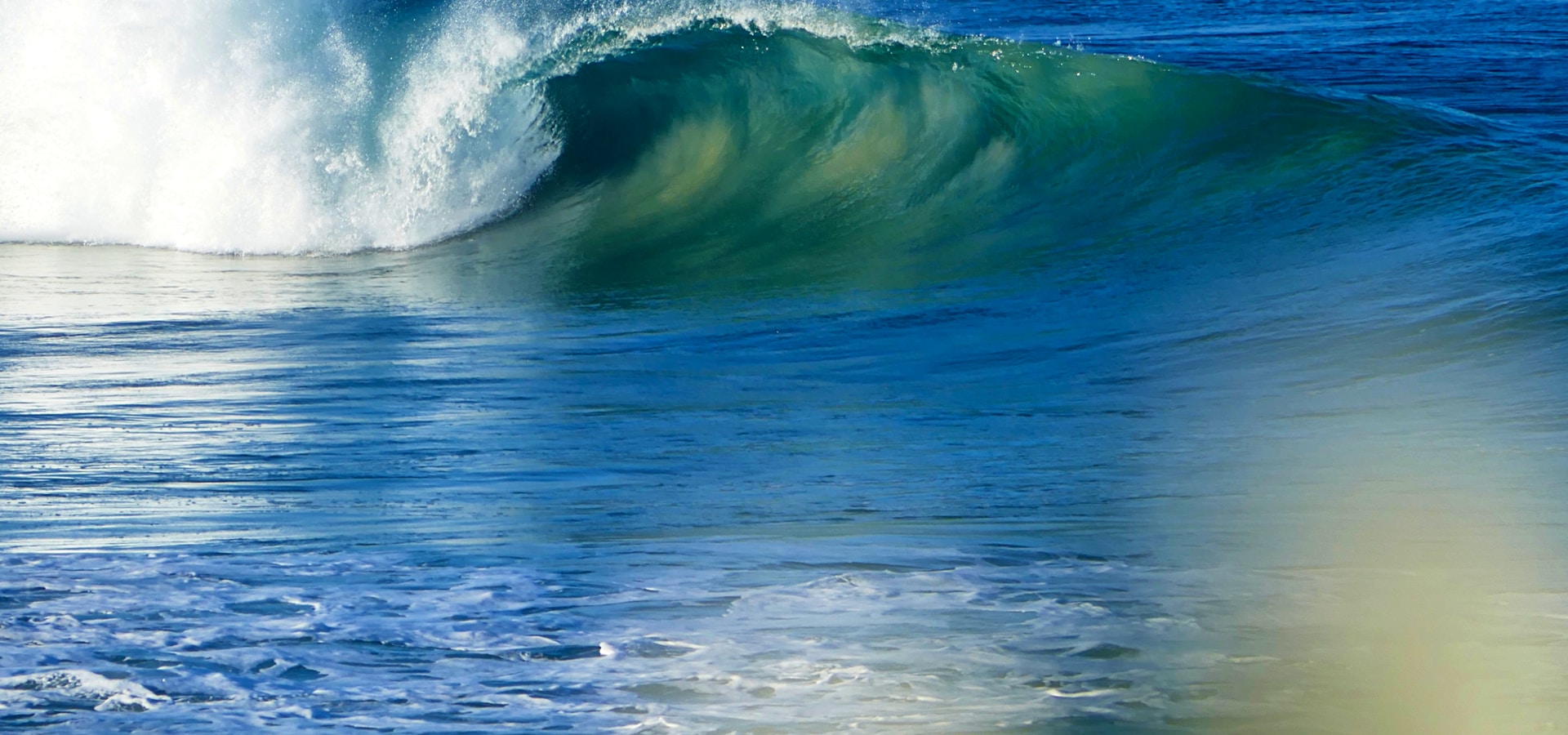
Australia's most concentrated stretch of right-hand point breaks — the Gold Coast packs the 2km Superbank from Snapper Rocks to Kirra into a 5min walk from OOL airport.
About Gold Coast
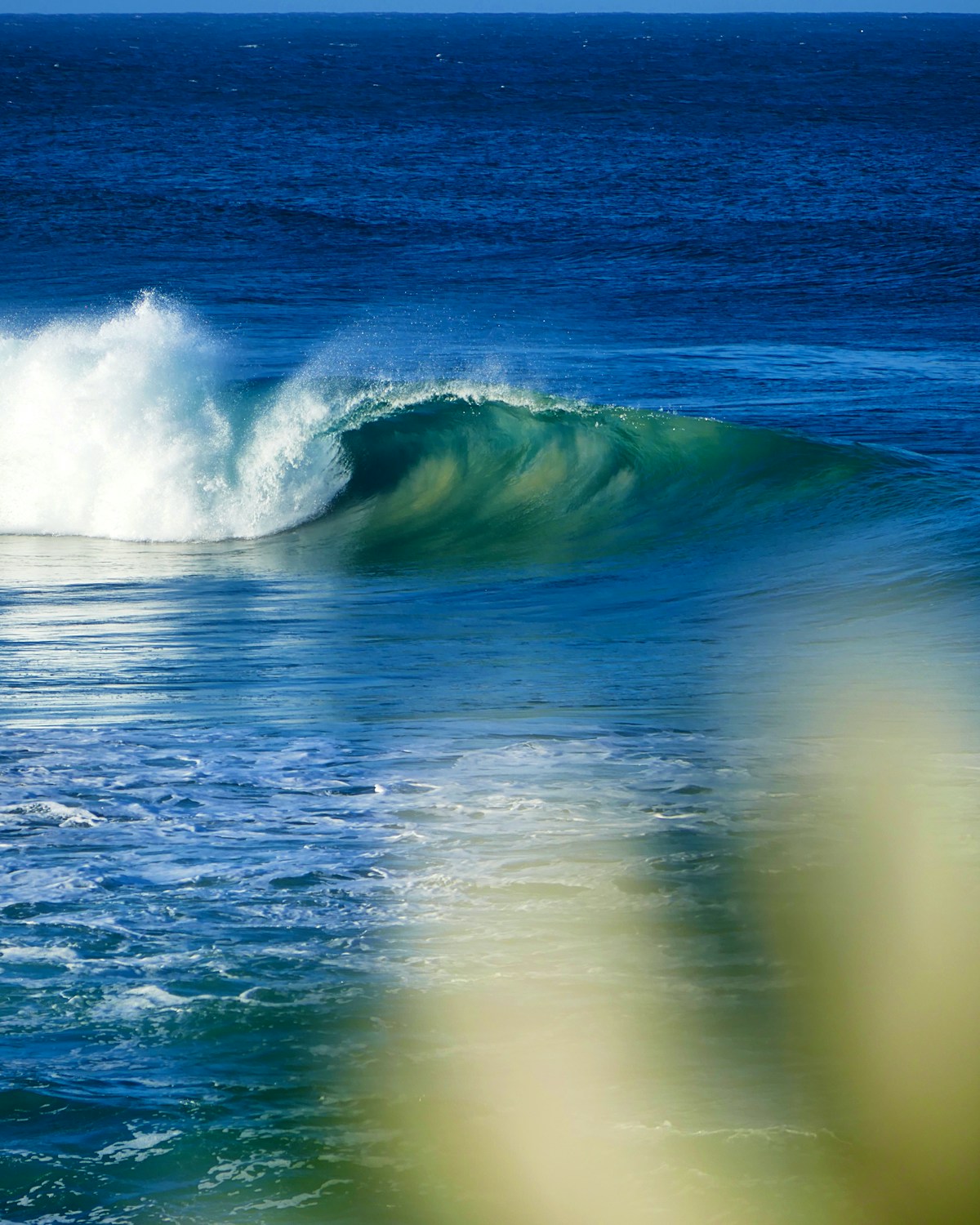
The Gold Coast holds Australia's most concentrated stretch of right-hand point breaks. Since the 2001 Tweed River sand-bypass started pumping, Snapper Rocks, Greenmount, Coolangatta and Kirra have linked into the Superbank — a 2km sand-bottom point ridden as one continuous wave on the right swell.
Mick Fanning, Joel Parkinson and Stephanie Gilmore grew up surfing this strip, and the WSL Championship Tour opens its calendar at Snapper every season. Twenty minutes north, Burleigh Heads delivers a heavier, hollower right for advanced surfers.
Surf level
| Skill level | Jan-Feb | Mar-Apr | May-Jun | Jul-Aug | Sep-Oct | Nov-Dec |
|---|---|---|---|---|---|---|
| Beginners | ||||||
| Intermediate | ||||||
| Advanced |
- Best time to go
- Good time to go
- Ok time to go
- Less desirable time to go
- Not recommended time to go
Weather & Travel Comfort


| Metric | Jan-Feb | Mar-Apr | May-Jun | Jul-Aug | Sep-Oct | Nov-Dec |
|---|---|---|---|---|---|---|
| Weather | ~22–27°C | ~20–25°C | ~15–21°C | ~13–20°C | ~17–23°C | ~20–26°C |
| Rainy days | 11d | 11d | 9d | 5d | 6d | 8d |
| What to Pack |  Water Temperature~26°C Water Temperature~26°C | Water Temperature~26°C | Water Temperature~23–24°C | Water Temperature~21°C | Water Temperature~21–23°C | Water Temperature~24–25°C |
- Boots if neededFor cold water or reef breaks
- Full protection wetsuitCold water
- Shorty / springsuitMild conditions
- No wetsuitWarm water
Tips for Surfing Gold Coast
Australia's Superbank fills with hundreds of locals by 8am at Snapper, Greenmount, and Kirra — paddle out at first light or settle for shoulders. The four tips below cover Currumbin Alley for newcomers, the dawn window, and Snapper's strict pecking order.

Beginners go to Currumbin
Head to Currumbin Alley. Group lessons run AU$65–AU$85 for 2 hours.

Surf the Dawn Glass-off
Paddle the Superbank at first light weekday mornings — Snapper and Kirra fill fast.

Wetsuit by Season
Boardshorts December–April, springsuit May and October–November, 3/2 fullsuit June–September.

Sit Wide at Snapper
Snapper Rocks locals own the inside. Sit on the shoulder for two sessions.
Frequently Asked Questions
When is the best time to surf the Gold Coast?
Skill drives the answer. Beginners score September to March at Currumbin Alley and Surfers Paradise, when 2–4ft swell and 22–26°C water make for forgiving sessions. Intermediates surf year-round — the points handle 2–8ft and the beaches mop up the rest. Advanced surfers come April to August for 4–10ft SE cyclone swells at Snapper Rocks, Kirra and Burleigh Heads, with SW offshore winds grooming the points at dawn.
Is the Gold Coast good for beginners?
Yes — at the right spot. Currumbin Alley is a long, mellow longboard wave at the rivermouth where every school sets up; the wave is forgiving on small swell and the bottom is sand. Surfers Paradise and Rainbow Bay also work for first-timers when 2–3ft. Avoid Snapper Rocks, Kirra and Burleigh Heads in your first week — the points are crowded, fast, and locals enforce a strict pecking order on the takeoff.
How big do the waves get on the Gold Coast?
Waves run 2–4ft most of the year and 4–10ft on prime SE swells from March to August. Snapper Rocks and Kirra hold 6–8ft cleanly when conditions line up, Burleigh Heads absorbs the same size with more power, and the Superbank links three breaks into a single 2km ride on the right SE pulse. Small-day overflow goes to Currumbin, Duranbah and the long sand-bottom beaches at Surfers Paradise.
Do I need a wetsuit to surf the Gold Coast?
Yes for half the year. Water sits between 20°C in August and 26°C in February. Boardshorts cover December through April, a springsuit or 2mm shorty handles May, October and November, and a 3/2 fullsuit is the call from June through September when water dips to 20–22°C. Boots, gloves and hood are unnecessary year-round on this stretch of coast.
How do I get to the Gold Coast from Brisbane?
Drive 1h 15min south from Brisbane along the M1, or take an hourly Greyhound bus from around AU$25. Most surfers fly direct into Coolangatta Gold Coast (OOL) instead — Snapper Rocks is a 5-minute walk from the terminal. From OOL, Tweed Coast Carriers and Premier Motor Service run shuttles across the strip for AU$25–AU$45.
Where should I stay on the Gold Coast for surfing?
Stay in Coolangatta or Rainbow Bay if the Superbank is your priority — walk to Snapper, Greenmount and Kirra, and the airport. Pick Burleigh Heads if you want a stronger cafe scene with quick access to its own heavy point and a 15-minute drive south to the Superbank. Surfers Paradise is the budget high-rise option with the Light Rail tram south, but the points are a 25-minute drive away.
Other regions in Australia
The Ultimate Guide to Surfing in Gold Coast
What makes the Gold Coast unique
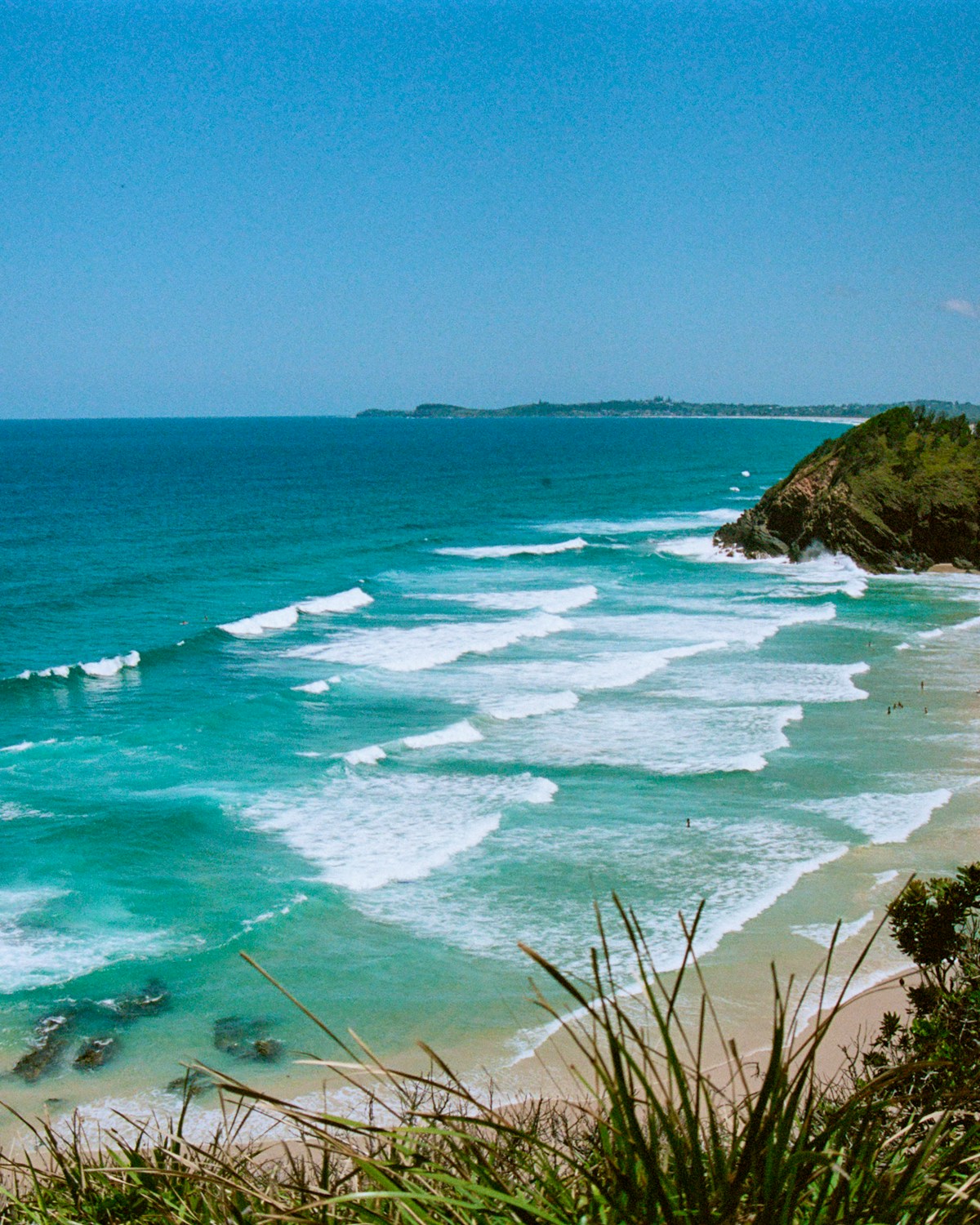
No other stretch of coast in Australia packs this many quality right-hand points into a 5km radius. The Superbank — the 2km sand-bottom point that links Snapper Rocks, Greenmount, Coolangatta and Kirra — has been called the longest sand-bottom point break on Earth since the 2001 Tweed River sand-bypass system started feeding sediment around the headland. On the right SE swell, surfers paddle in at Snapper and ride the same wave through three named breaks before kicking out at Kirra. The lineup that produced Mick Fanning, Joel Parkinson and Stephanie Gilmore — three of Australia's six modern world champions — is the same lineup the WSL Championship Tour opens its season on every year. The contrast that defines the trip: high-rise tourism in Surfers Paradise on one hand, working-class point-break culture in Coolangatta on the other, both on the same coast.
Gold Coast surf spots by skill level
Snapper Rocks is the marquee. A long peeling right-hand point with sand-bottom barrels at the inside, holding clean head-high+ on a SE swell with SW offshore wind. Peak season runs March to August. Intermediate-to-advanced — the takeoff zone is hyper-localised, sit wide for two sessions before pushing in.
Greenmount is the mellower middle section of the Superbank. Long shoulder, friendly wall, and the best longboard wave on the strip when 2–4ft. Intermediate.
Coolangatta sits between Greenmount and Kirra — a sandy beach with a reef section that handles overflow when Snapper fills up. Intermediate.
Kirra is the fast hollow inside section of the Superbank. Sand-bottom barrels on the right SE swell, head-high to overhead, racey down the line. Advanced.
Burleigh Heads, 20 minutes north, is a heavier right-hand point — hollow take-off under the headland, fast wall, urchin-free rock bottom. Holds 4–8ft cleanly. Advanced.
Currumbin Alley is a long, mellow longboard wave at the rivermouth. Forgiving on small swell and the schools' beginner basecamp. Beginner-friendly when small.
Duranbah (the NSW side of the border, but the Gold Coast surf community treats it as part of the strip) offers multiple sand-bottom peaks and works on more swell directions than the points. Intermediate.
Surfers Paradise and Rainbow Bay round out the menu — long sand-bottom beaches good for beginners and improvers when the points get crowded.
When to surf the Gold Coast: month-by-month
March to August is when the points fire. Cyclone swells from the Coral Sea push 4–10ft SE pulses onto the Superbank, water cools from 24°C to 20°C, and SW offshores groom Snapper and Kirra at dawn. September to November is the tactical sweet spot — 3–5ft swell, 21–24°C water, longer light, and the WSL CT season opener brings the lineup to peak focus. December to February is the southern summer: 2–4ft swell most days, 26°C water, hot E onshores by mid-morning, and beginner heaven at Currumbin and Surfers Paradise. June and July are the coldest months and the most consistent — pack the 3/2 and surf points before the weekend crowds arrive.
Where to stay on the Gold Coast
Coolangatta and Rainbow Bay are the surf-first pick. Walk to Snapper, Greenmount, Kirra and the airport — most trips work best from this strip. Burleigh Heads, 15 minutes north, has a stronger cafe and food scene with quick access to its own point and a 15-minute drive south to the Superbank. Surfers Paradise is the budget high-rise option: cheaper apartments, the Light Rail tram south to Burleigh, but a 25-minute drive to the points and onshore-prone beaches out front. Currumbin sits between Burleigh and Coolangatta — quieter, family-friendly, walking distance to the longboard wave at the Alley.
How to get to the Gold Coast from Brisbane
Coolangatta Gold Coast (OOL) airport sits at the southern end of the Superbank — Snapper Rocks is a 5-minute walk from the terminal, the most surf-friendly arrival in Australia. Direct flights run from Sydney (1h 30min), Melbourne (2h 15min), Auckland (3h 30min), and Singapore (8h, seasonal). Tweed Coast Carriers and Premier Motor Service run shuttles from OOL to accommodation across the strip for around AU$25–AU$45. Brisbane (BNE) is 1h 15min north by car or hourly Greyhound bus from around AU$25. Once on the Coast, the Gold Coast Light Rail tram links Surfers Paradise, Broadbeach and Burleigh.
Surf schools, gear rentals and local culture
Three operators anchor the lesson scene: Get Wet Surf School on Surfers Paradise beach, Cheyne Horan School of Surf (run by the former WSL runner-up), and Walkin' on Water at Currumbin Alley. Surfing Australia's High Performance Centre also sits on the Coast for advanced clinics. Group lessons run AU$65–AU$95 for 2 hours, board rentals AU$25–AU$40/day for soft-tops and AU$45–AU$70/day for performance shortboards.
The Gold Coast's surf identity was forged in the 1960s and 70s by Peter Townend, Wayne Bartholomew and Michael Peterson — three Coolangatta locals who became Australia's first surf icons. Mick Fanning grew up at Snapper and won three world titles (2007, 2009, 2013). The Coolangatta Gold lifesaving carnival, Coolangatta Ocean Festival and the WSL CT season opener anchor the calendar. A safety note for travellers: rip currents at Burleigh and Surfers Paradise are strong — surf between Surf Life Saving Australia flags if not confident. Bull sharks are present in rivermouths after rain — skip the rivermouth banks for 24 hours after heavy downpours.