

BYRON BAY
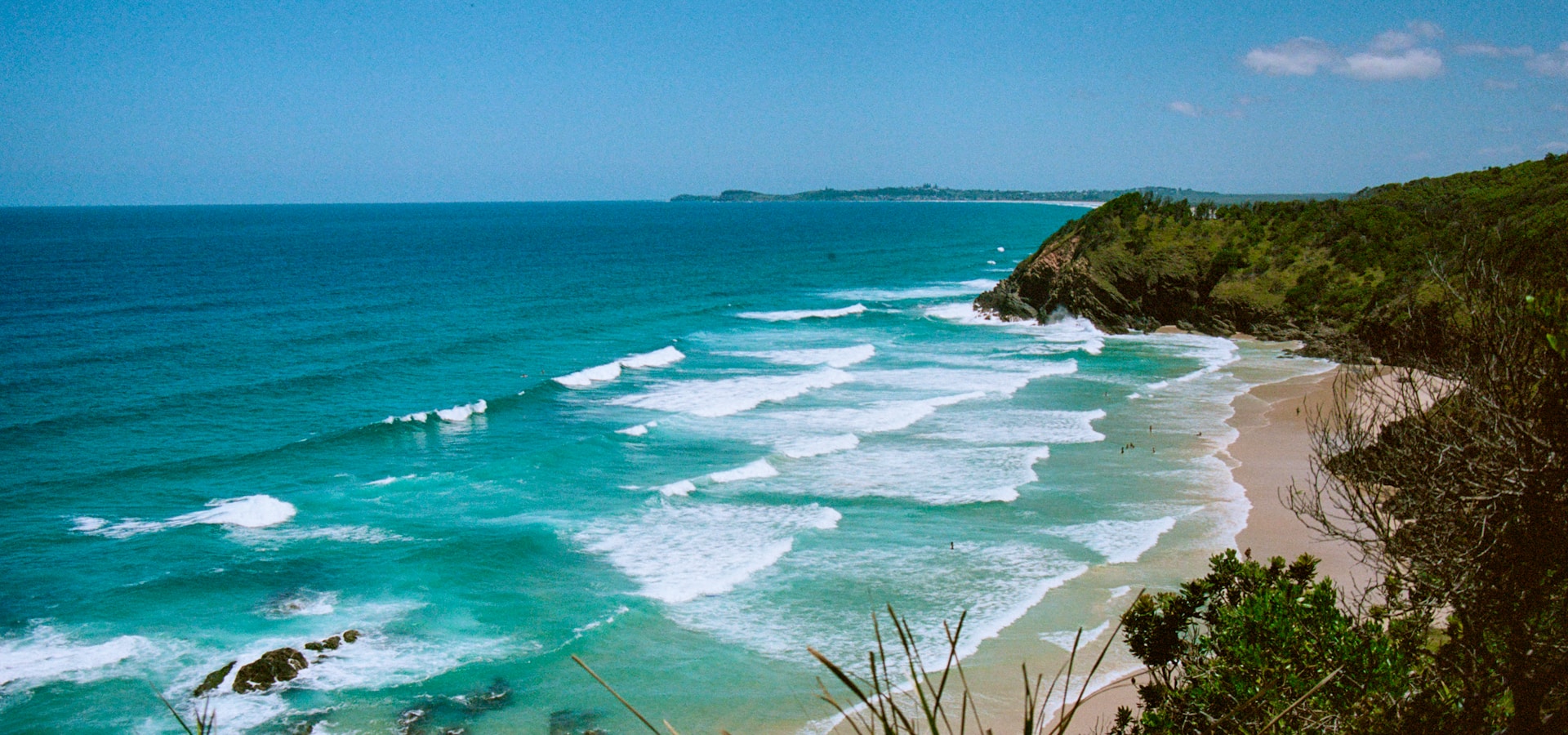
Australia's easternmost mainland point catches SE swells that wrap into long, mellow point breaks — Byron Bay is the country's signature longboard-and-yoga town, 30min from Ballina airport.
About Byron Bay
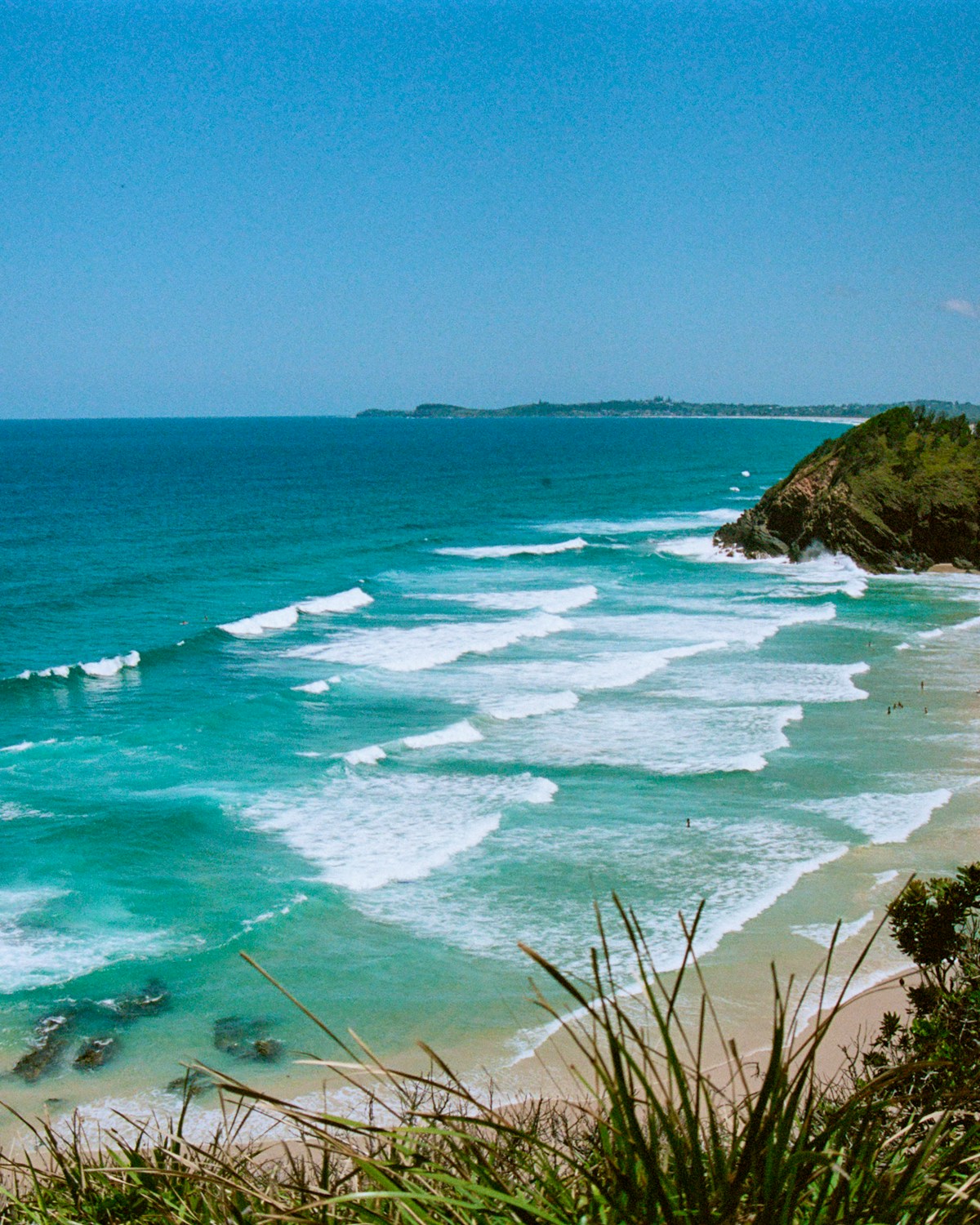
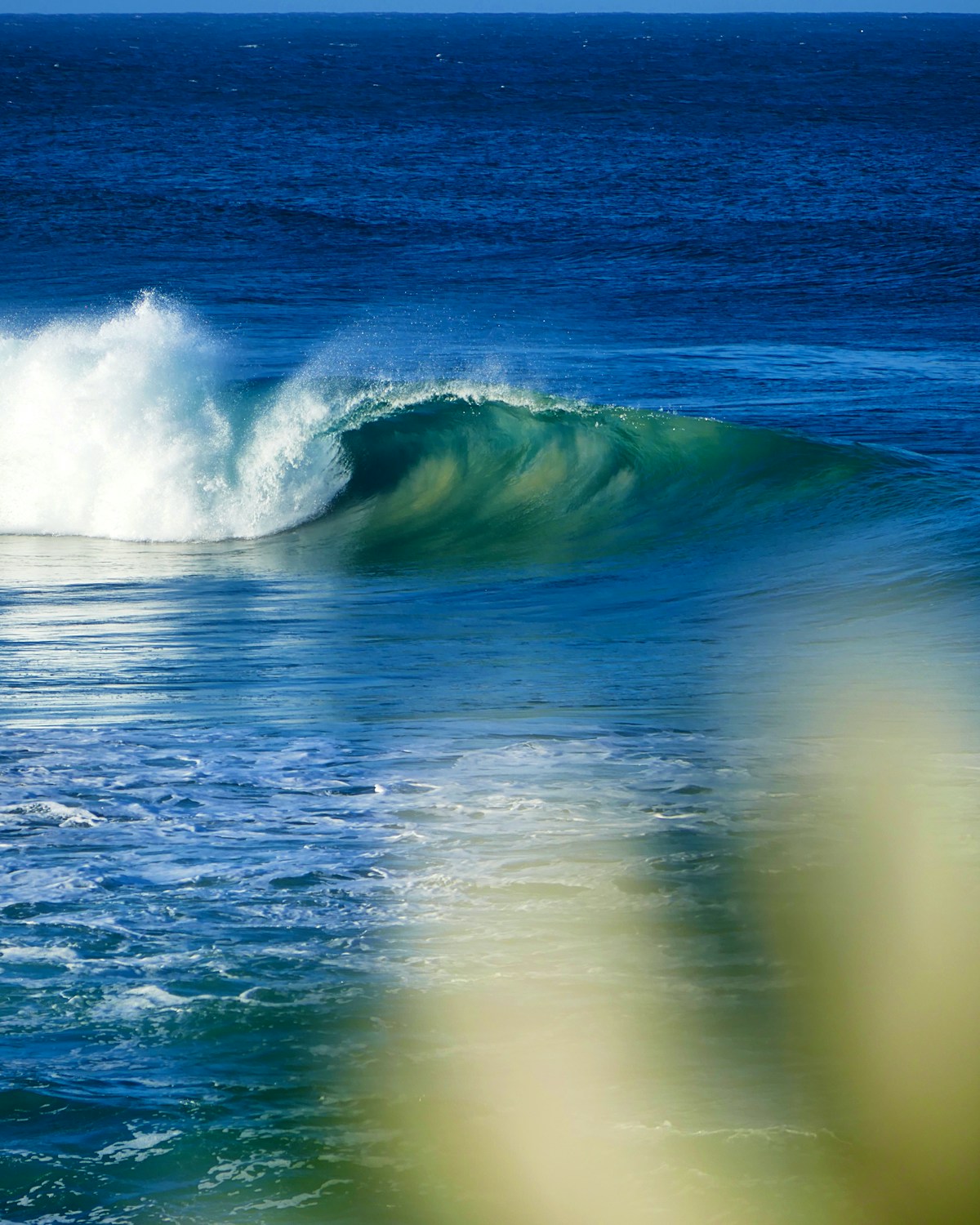
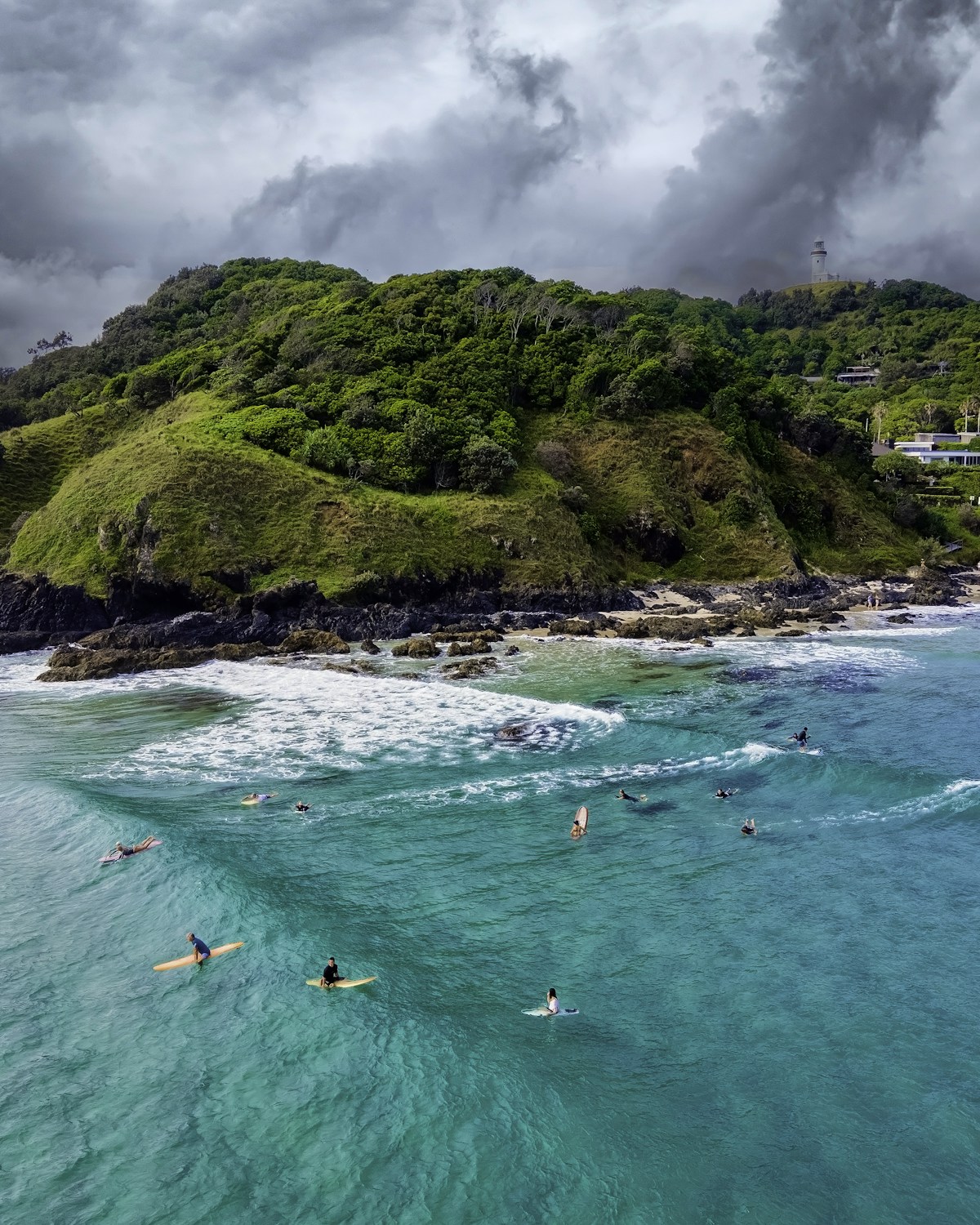
Byron Bay sits at Cape Byron, Australia's easternmost mainland point, where southeast swells wrap around the headland into a series of long, peeling point breaks. The signature wave is The Pass, a long right-hand point that holds knee-to-chest-high A-frames and ranks as the country's most-photographed longboard wave.
Inside it, Wategos offers a softer beginner reform. The town's identity was forged by the 1973 Nimbin Aquarius Festival counterculture exodus and the 1980s longboard revival led by Bob McTavish and Nat Young.
Surf level
| Skill level | Jan-Feb | Mar-Apr | May-Jun | Jul-Aug | Sep-Oct | Nov-Dec |
|---|---|---|---|---|---|---|
| Beginners | ||||||
| Intermediate | ||||||
| Advanced |
- Best time to go
- Good time to go
- Ok time to go
- Less desirable time to go
- Not recommended time to go
Weather & Travel Comfort


| Metric | Jan-Feb | Mar-Apr | May-Jun | Jul-Aug | Sep-Oct | Nov-Dec |
|---|---|---|---|---|---|---|
| Weather | ~21–27°C | ~19–24°C | ~14–20°C | ~12–19°C | ~16–23°C | ~20–26°C |
| Rainy days | 11d | 12d | 9d | 6d | 7d | 9d |
| What to Pack |  Water Temperature~26°C Water Temperature~26°C | Water Temperature~26°C | Water Temperature~23–25°C | Water Temperature~21–22°C | Water Temperature~22–23°C | Water Temperature~24–25°C |
- Boots if neededFor cold water or reef breaks
- Full protection wetsuitCold water
- Shorty / springsuitMild conditions
- No wetsuitWarm water
Tips for Surfing Byron Bay
Australia's most photogenic point break draws fifty surfers to The Pass by 8am every morning, so timing is everything. The four tips below cover Wategos for beginners, dawn paddle-outs, and the local hazards lifeguards actually warn about.

Beginners go to Wategos
Beginners: head to Wategos. Soul Surf School runs 2-hour group lessons from AU$75.

Surf The Pass at Dawn
The Pass packs 50+ surfers by 8am — paddle out before sunrise for uncrowded sets.

Wetsuit by Season
Boardshorts December–April, 2mm shorty May/Oct/Nov, 3/2 fullsuit June–September when water hits 18°C.
Shuffle and Watch
Shuffle feet at Tallows for stingrays. Heed lifeguard advisories on bull sharks bay-wide.
Frequently Asked Questions
When is the best time to surf in Byron Bay?
Skill drives the answer. Beginners score from August through April at Wategos and Belongil, when 2–4ft surf and 22–26°C water make for forgiving sessions. Intermediates find clean conditions year-round at The Pass and Broken Head. Advanced surfers come May to July for stacked SE swell at Lennox Point and Tallows, when 3–8ft sets push through and crowds thin slightly midweek.
Is Byron Bay good for beginners?
Yes — Byron is one of Australia's best beginner regions. Wategos, the protected mini-point inside The Pass, breaks soft and slow over a sandy bottom and is where every local school runs lessons. Belongil Beach and the inside of The Wreck are the next steps when you graduate from whitewater. Avoid Tallows and Lennox Point in your first weeks: both pick up more swell and break heavier.
How big do the waves get in Byron Bay?
Waves run 2–4ft most of the year at The Pass and 3–8ft on bigger SE pulses from May to July. The headland points hold up to head-and-a-half cleanly, while Tallows and Lennox Head Point absorb the biggest sets — Lennox holds head-high-plus on a solid SE swell. Small days send everyone to Wategos and the inside reform at The Wreck for forgiving sessions.
Do I need a wetsuit to surf in Byron Bay?
Sometimes. Water sits between 18°C in August and 26°C in February. Boardshorts and a rashguard cover December through April, a 2mm shorty or springsuit handles May, October and November, and a 3/2 fullsuit is needed June through September when water dips to 18–22°C. Locals often skip neoprene entirely December to March; pack the springsuit if you run cold or plan dawn sessions in winter.
How do I get to Byron Bay from Sydney?
Fly to Ballina Byron Gateway (BNK) — Jetstar, QantasLink and Virgin run direct from Sydney in 1h 30min, with the airport 30 minutes south of town. Alternatively, fly to Coolangatta (OOL) 1h north or Brisbane (BNE) 2h 30min north and drive down. Byron Bay Express and Premier Motor Service run direct shuttles from both BNK and OOL straight into the town centre.
Where should I stay in Byron Bay for surfing?
Stay in the Byron Bay town centre if you want walkable access to The Pass, Main Beach and the cafe-yoga scene — most trips work best here. Pick Suffolk Park or Tallows for cheaper holiday rentals, walkable Tallows access and a quieter residential feel 5 minutes south. Belongil and Sunrise sit north of the cape with direct access to Belongil Beach and a short cycle into town — bring or rent a bicycle.
Other regions in Australia
The Ultimate Guide to Surfing in Byron Bay
What makes Byron Bay unique
Byron Bay sits on Cape Byron, the easternmost mainland point on the Australian continent. The cape juts further east than any other piece of the country, which means southeast swells in the Tasman Sea wrap around the headland and unload as long, peeling point breaks rather than the heavier beach surf you find further south. Seven named breaks cluster within a 15-minute drive, ranging from a knee-deep beginner reform to head-high right-handers that hold cleanly in solid swell. The other half of Byron's identity is cultural: the 1973 Aquarius Festival in nearby Nimbin pulled the country's counterculture into the Northern Rivers, and through the late 1970s shapers like Bob McTavish and Nat Young rebuilt the longboard scene around The Pass. That mix — Australia's signature longboard point plus a yoga-bohemian town behind it — is why Byron now hosts the Byron Bay Surf Festival each year and remains the country's clearest reference point for mellow, style-driven surfing in Australia.
Byron Bay surf spots by skill level
The Pass is the marquee. A long right-hand point that wraps the Cape Byron headland and peels through multiple sections, holding knee-to-chest-high A-frames over a sand-and-rock bottom. Best on a clean SE swell with W or SW offshore wind. Beginner-to-intermediate, but expect 50+ surfers on a sunny weekend.
Wategos is the protected mini-point inside The Pass — short, soft, and forgiving on a sandy bottom. Schools run beginner lessons here daily. Beginner.
Tallows Beach runs long and exposed south of the cape, picking up more swell and breaking heavier than the points. Multiple shifting sand-bottom peaks. Intermediate-to-advanced.
The Wreck is the sand-and-reef peak in the main town beach — beginner-friendly inside on the whitewater, intermediate on the outside takeoff.
Belongil Beach stretches north of town with multiple sand-bottom peaks. Quieter than The Pass and forgiving on small days. Beginner-to-intermediate.
Broken Head is the sand-bottom-plus-reef beach 10 minutes south of town. Less crowded than Tallows and a good bet when the points jam up. Intermediate.
Lennox Head Point, 15 minutes south, is the long-peeling right-hand point break that holds head-high-plus on a solid SE pulse. Advanced.
Suffolk Park rounds out the menu as the overflow sandy beach when everywhere else is crowded.
When to surf Byron Bay: month-by-month
Byron is a Southern Hemisphere destination, so January is high summer. December to April brings the warmest water (24–26°C), the wettest weather (11–13 rainy days a month) and consistent 2–4ft surf at The Pass — ideal for beginners and longboarders. May to July is the pulse season: SE swell stacks up, Lennox and Tallows wake into 3–8ft, water cools to 21–24°C and crowds thin slightly midweek. This is the advanced window. August to October is the tactical sweet spot — driest months of the year (5–7 rainy days), water rebuilding to 22°C by late October, and consistent shoulder-season swell at the points. November straddles the seasons: water back to 24°C, sets still firing, and the Christmas crowd not yet arrived.
Where to stay in Byron Bay
Byron Bay town centre is the obvious base. Walking distance to The Pass, Main Beach and The Wreck, plus the cafe and yoga scene that defines the town. Higher prices — Byron is one of Australia's most expensive coastal towns, partly thanks to the Hemsworth-era property bubble. Suffolk Park and Tallows are the quieter southern option: a 5-minute drive to The Pass, walking access to Tallows, with cheaper holiday rentals and a more residential feel. Belongil and Sunrise put you north of the cape, walkable to Belongil Beach and a short cycle to town. Bicycles dominate the local commute — bring or rent one.
How to get to Byron Bay from Sydney
The fastest route is flying to Ballina Byron Gateway (BNK), 30 minutes south of town. Jetstar, QantasLink and Virgin run direct from Sydney in 1h 30min, Melbourne in 2h and Brisbane in 1h. Alternatively, Coolangatta Gold Coast (OOL) is a 1h drive north and offers a wider flight network; Brisbane (BNE) is 2h 30min by car. From either airport, Byron Bay Express and Premier Motor Service run direct shuttles. Once in Byron, the town is walkable and bicycles dominate — most surfers cycle to The Pass with a board rack.
Surf schools, gear rentals and local culture
Three operators anchor the lesson scene: Soul Surf School, Black Dog Surfing and Style Surfing School Byron Bay, plus Mojosurf for camp-style packages. Most run group lessons from Wategos and Belongil. Board rentals run AU$30–50/day for soft-tops, AU$50–80/day for shortboards and longboards.
A word on the lineup: The Pass gets extremely crowded — sit wide, pick smaller sets and put in three sessions before contesting peak waves. Bull sharks are present in the bay, especially after rain when river run-off pushes them inshore; check the daily Surf Life Saving Australia advisories. Stingrays are common in shallow sand at Tallows and Belongil, so shuffle your feet on entry. Cape Byron is Bundjalung and Arakwal Country — respect signage at sacred sites around the lighthouse headland. The 1901 Cape Byron Lighthouse marks the country's easternmost point and surfers paddle out beneath it at dawn.