

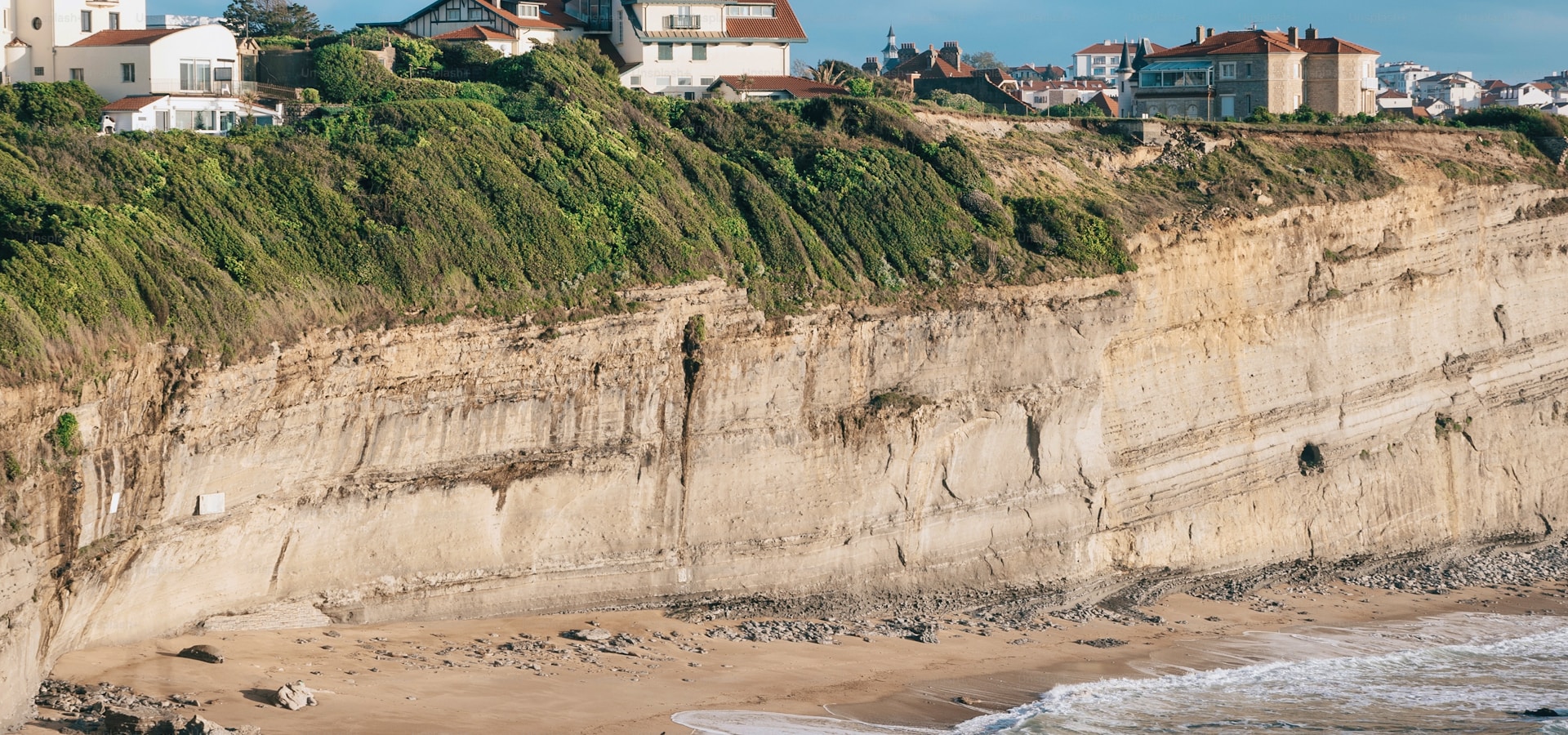
BIARRITZ
The cradle of European surfing — Biarritz packs 4 city beaches and a Belle Époque skyline into the French Basque coast, with 22°C water July–August and longboard-friendly Côte des Basques.
About Biarritz
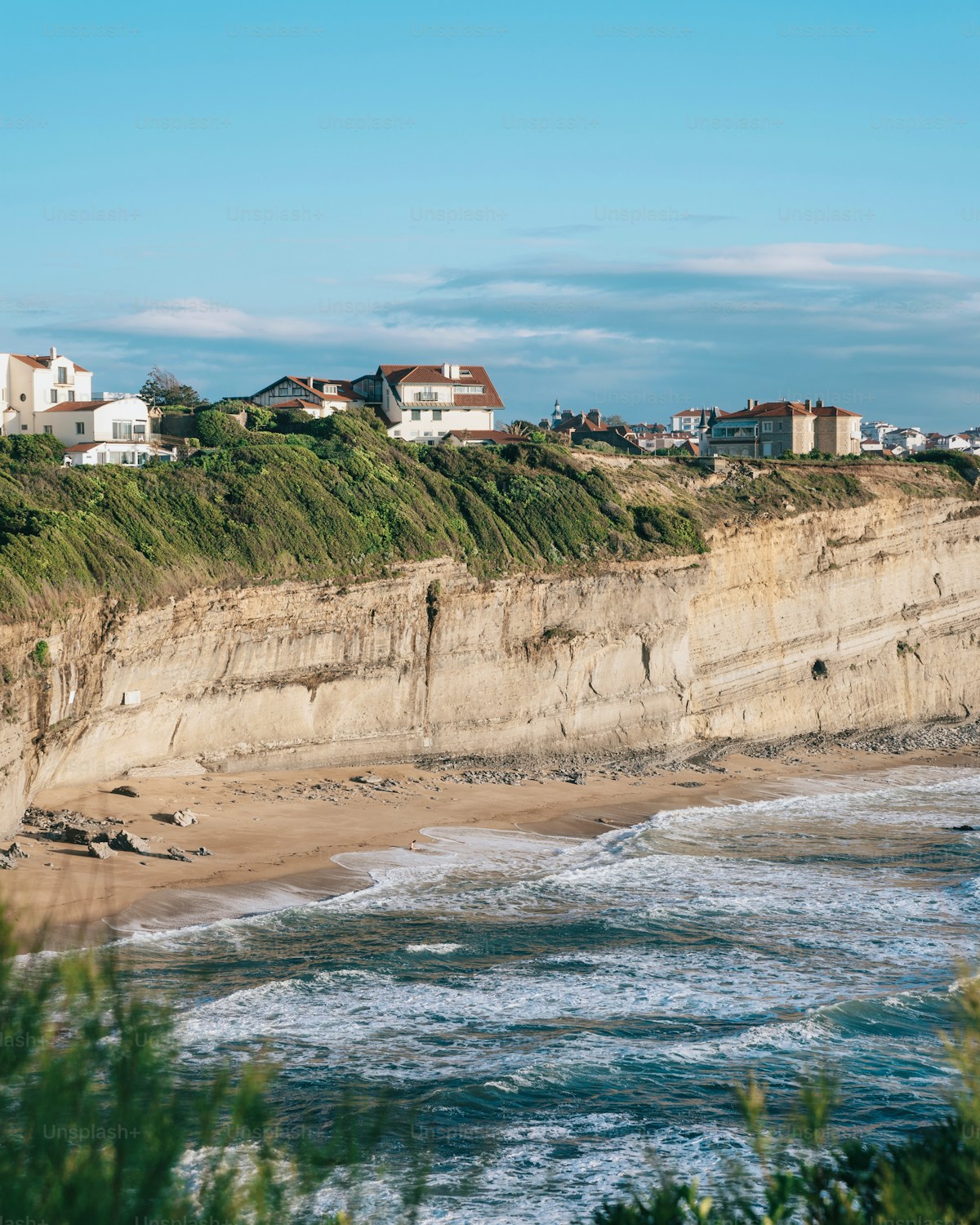
Biarritz is the historical home of European surf — Peter Viertel rode the first board on Côte des Basques in 1956, and the first European surfboards were shaped in town soon after. The cliff-top resort still wears its Belle Époque inheritance: Empress Eugénie's villa, the casino, the lighthouse promenade.
Côte des Basques is the longboard classroom, while Grande Plage delivers a sand-bottom city beach that suits every skill from May through October.
Surf level
| Skill level | Jan-Feb | Mar-Apr | May-Jun | Jul-Aug | Sep-Oct | Nov-Dec |
|---|---|---|---|---|---|---|
| Beginners | ||||||
| Intermediate | ||||||
| Advanced |
- Best time to go
- Good time to go
- Ok time to go
- Less desirable time to go
- Not recommended time to go
Weather & Travel Comfort


| Metric | Jan-Feb | Mar-Apr | May-Jun | Jul-Aug | Sep-Oct | Nov-Dec |
|---|---|---|---|---|---|---|
| Weather | ~6–11°C | ~8–15°C | ~13–20°C | ~17–23°C | ~15–21°C | ~8–13°C |
| Rainy days | 10d | 11d | 9d | 8d | 9d | 11d |
| What to Pack |  Water Temperature~12–13°C Water Temperature~12–13°C | Water Temperature~13–15°C | Water Temperature~18–21°C | Water Temperature~22°C | Water Temperature~20–22°C | Water Temperature~14–17°C |
- Boots if neededFor cold water or reef breaks
- Full protection wetsuitCold water
- Shorty / springsuitMild conditions
- No wetsuitWarm water
Tips for Surfing Biarritz
Biarritz works on a tide window — Côte des Basques only fires mid-to-low, and high tide swallows the sand entirely. The four tips below cover lessons, wetsuit timing, and which reefs to avoid until you've earned the lineup.

Learn at Côte des Basques
Beginners: book Côte des Basques at low tide. Group lessons €40–€55 for 90 minutes.

Surf the Tide Window
Côte des Basques only works mid-to-low tide — high tide swallows the sand entirely.

Wetsuit by Season
3/2mm June–October, 4/3mm November–May. Boardshorts viable July–August at 22°C.

Stay Wide of Avalanche
Avalanche reef is locals-only on size. Beginners stick to La Milady at the south end.
Frequently Asked Questions
When is the best time to surf in Biarritz?
Skill drives the answer. Beginners score April through September at Côte des Basques and La Milady, with 2–4ft mellow surf and water climbing to 22°C by July. Intermediates peak February through October on Grande Plage and Marbella — clean W swell and warmer water in shoulder months. Advanced surfers come October through March for 4–10ft NW pulses at Avalanche and Grande Plage, with E offshore winds grooming the lineup at dawn.
Is Biarritz good for beginners?
Yes — it's where European surfing was born and the beginner infrastructure is unmatched. Côte des Basques at mid-to-low tide is the classic learner wave: gentle, longboard-friendly peelers on a sand bottom, with three or four schools setting up on the beach daily from April to October. La Milady at the south end is the quieter alternative. Avoid Avalanche and the bigger Grande Plage peaks until you can paddle through head-high surf.
How big do the waves get in Biarritz?
Waves run 2–4ft most of summer and 4–10ft from October to March. Avalanche holds head-and-a-half hollow reef on a clean NW pulse, Grande Plage absorbs solid 8ft beach-break peaks in winter, and Côte des Basques rarely exceeds shoulder-high thanks to the bay's geometry. Big winter swells push everyone to the protected city beaches; small days send schools to Côte des Basques.
Do I need a wetsuit to surf in Biarritz?
Yes for most of the year. Water sits between 12°C in February and 22°C in August. A 3/2 fullsuit covers June through October, while a 4/3 handles November through May. In peak summer (July–August) some surfers ride in boardshorts or a spring suit when the water tops 22°C. Boots and gloves are rarely worn; bring a 2mm pair only if you feel the cold in deep winter.
How do I get to Biarritz from Paris?
Fly into Biarritz Pays Basque Airport (BIQ), which sits inside the city — a 10-minute taxi to the centre. By rail, the SNCF TGV runs from Paris-Montparnasse to Biarritz station in roughly 4 hours, with advance fares from €40. From Bordeaux it's a 2-hour drive south on the A63 (about €18 in tolls) or a 2h 10min train. The Chronoplus line 4 bus links the airport and station to the cliff for €1.
Where should I stay in Biarritz for surfing?
Stay in Biarritz centre if you want to walk to every city break — cliff-top hotels above Grande Plage and Côte des Basques put the lineup five minutes from your door. Pick Anglet, 10km north, for the affordable beach-side option with the Chambre d'Amour break next door. Saint-Jean-de-Luz, 12km south, is the charming Basque port choice — cobbled lanes, sheltered bay, and a 15-minute drive back to the Biarritz beaches.
Other regions in France
 1
1The Ultimate Guide to Surfing in Biarritz
Why Biarritz works as a surf trip
European surfing started here. In 1956 the screenwriter Peter Viertel paddled out at Côte des Basques with a balsa board borrowed from California, and within a decade the first surfboard factory on the continent — Barland-Rott — was shaping in town. That history matters because it shaped the personality of the lineup: Biarritz is unfussy, longboard-tolerant, and crowded with locals who treat the cliff-top promenade as their living room. The town itself is a Belle Époque resort built around Empress Eugénie's villa (now the Hôtel du Palais) and a cliff-edge casino, so a surf trip here doubles as a city break — pintxos bars, a Saturday market shared with the Spanish Basque Country, and a 19th-century thermal spa within walking distance of the beach. The WSL Longboard Championships have run on Grande Plage and Côte des Basques, anchoring the town's place on the global tour.
Biarritz surf spots by skill level
Côte des Basques is the historic break and the beginner-to-intermediate classroom. South-facing, sand-bottom on most tides but with rock at the base of the cliff, gentle peeling lefts and rights that suit longboards and soft-tops. Works mid-to-low tide only — at high tide the sand vanishes. Beginners and improvers April through October.
Grande Plage is the city beach in front of the casino. Sand-bottom, multiple peaks shifting with the banks, shoulder- to head-high on a clean W swell with E offshore wind. Lifeguarded sectors keep schools and shortboarders in separate zones. All levels May through October.
La Milady sits at the south end of town, next to the cliff park of the same name. Wide sand-bottom beach, gentler than Grande Plage, and a reliable backup when the centre crowds up. Beginners and intermediates working into bigger surf.
Marbella is a small bay between La Milady and Côte des Basques. Picks up more swell than Côte des Basques, less than Grande Plage, and rewards intermediate surfers comfortable on a shortboard. Bottom is sand with rock at the corners.
Avalanche is the heavy one — a fast, hollow reef break just off Côte des Basques that fires on solid winter NW-to-W swells. Deep takeoff over rock, tight local crew, advanced only. Sit and watch a session before paddling out.
Note: many of the heavier French Basque waves sit a 20-minute drive south at Hendaye or north at Anglet — the regional surf cluster spans 30km, but Biarritz proper is the urban core.
When to surf Biarritz: month-by-month
October to March is when the Bay of Biscay delivers. Waves run 4–10ft on stacked NW-to-W Atlantic swell, water cools from 19°C in October to 12°C in February, and clean E offshores groom Avalanche and Grande Plage at dawn. Crowds thin out once the holiday tide ebbs in late September. April to June is the shoulder — swell drops to 3–5ft, water climbs into the high teens, schools start filling Côte des Basques. July and August are beginner peak: 2–4ft mush, water at 22°C, sea-breeze westerlies onshore by midday, and Grande Plage zoned tight by the lifeguards. Boardshorts are viable for the warm-blooded. September is the local sweet spot — water still 21°C, swell rebuilding, August holiday crowds gone home.
Where to stay in Biarritz
Biarritz centre is the obvious base. Cliff-top hotels above Grande Plage and Côte des Basques mean you walk to every break, eat pintxos at Bar Jean and Le Comptoir du Foie Gras, and skip the rental car. Higher prices, but you save on transport. Anglet, 10km north, is the affordable beach-side alternative — long sand strip, the Chambre d'Amour break next door, and easier parking, at the cost of a 20-minute commute back to the Biarritz beaches. Saint-Jean-de-Luz, 12km south, is the postcard Basque port: cobbled lanes, a working fishing harbour, and a sheltered bay if you have non-surfing company. Drive to Biarritz mornings.
How to get to Biarritz from Paris or Bordeaux
Biarritz Pays Basque Airport (BIQ) sits inside the city — a 10-minute taxi or the Chronoplus line 4 bus to the centre for €1. From Paris, the SNCF TGV reaches Biarritz station in roughly 4 hours, with fares from €40 booked ahead. From Bordeaux it's a 2-hour drive south on the A63 toll road for about €18 in tolls, or 2h 10min by train. Once in town, the four city beaches are walkable along the cliff path; Anglet and Saint-Jean-de-Luz are reached by the Chronoplus and Hegobus regional networks for €1–€3.
Surf schools and Basque culture
Long-running schools include Hastea Surf School, Biarritz Surf Training and École de Surf Biarritz — all set up daily on Côte des Basques and Grande Plage in season. Board rentals run €15–€20/day for soft-tops and €25–€35/day for performance boards. Longboards are the in-demand stock — reserve early in summer, especially for July and August. The official tourism site at tourisme.biarritz.fr is a useful planning reference for events and tide tables.
A word on the lineup. Biarritz is technically France, but culturally it sits inside Pays Basque — the same ethnographic region as the Spanish Basque Country across the river. That shows up in the food (pintxos, Espelette pepper, Ossau-Iraty cheese), the language (you'll see Basque on signs alongside French) and the lineup etiquette, which leans communal rather than aggressive. Sit wide a few sessions, nod to the regulars, and the wave count opens up. For more spots up the coast, Landes starts 30km north and runs all the way to Hossegor.