

GIRONDE
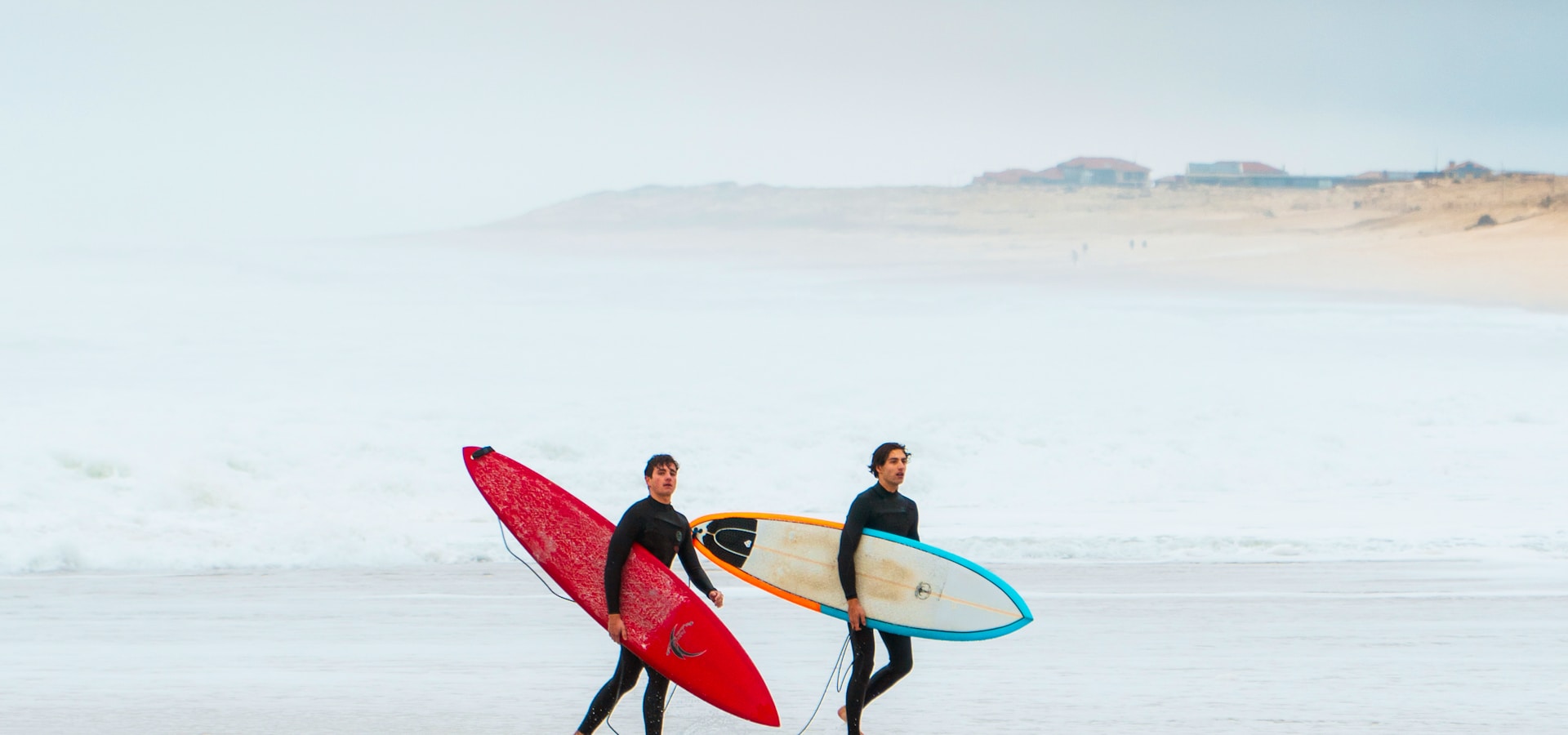
Wine country meets Atlantic surf 45min west of Bordeaux — Gironde pairs Lacanau Pro beach breaks with Médoc vineyards, plus Cap Ferret sandbars across 100km of coastline.
About Gironde
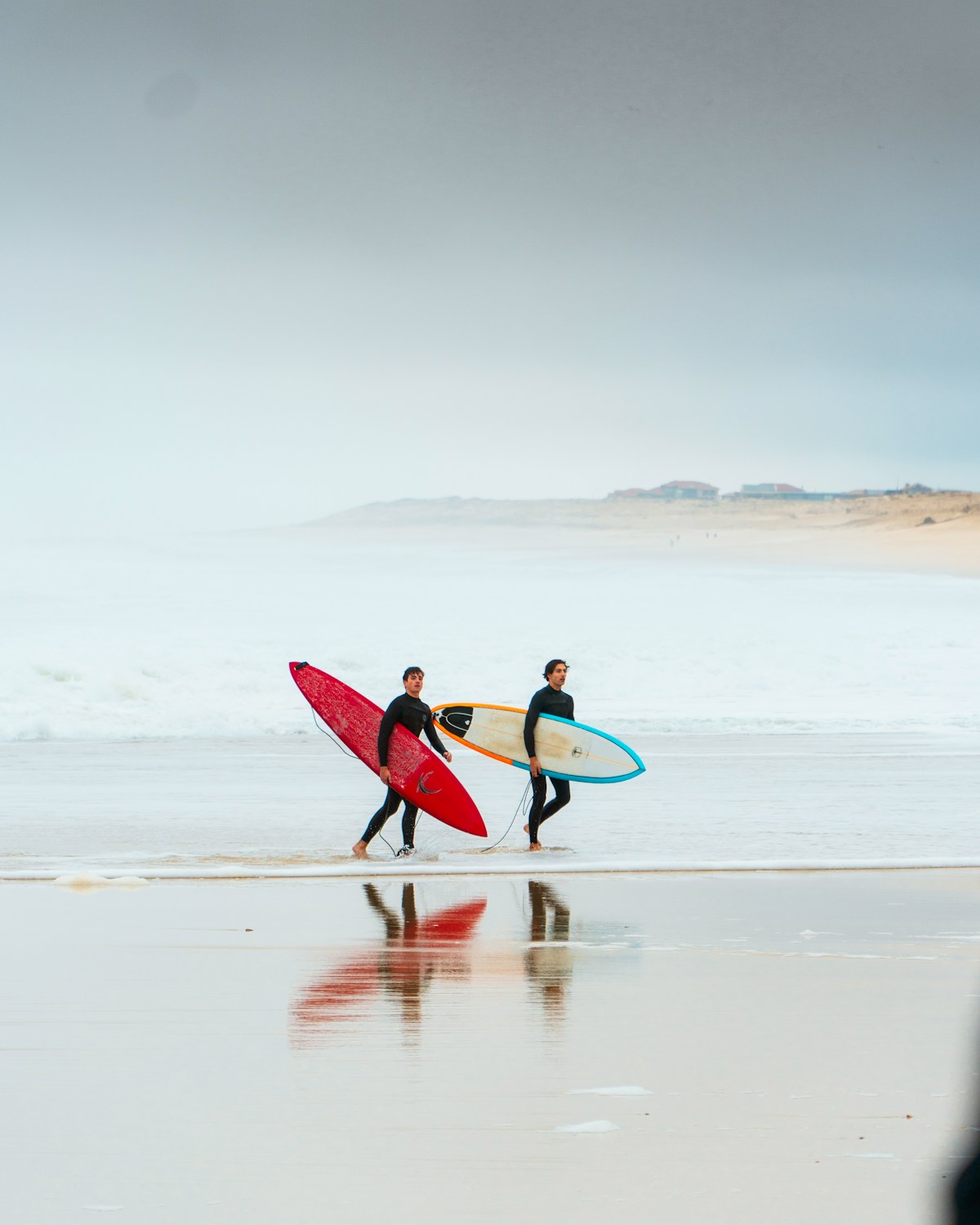
Gironde is the Bordeaux département, where the Médoc peninsula's surf coast sits 30 minutes west of the world's most famous wine villages. The marquee break is Lacanau-Océan, a long sand-bottom beach that hosts the Lacanau Pro every August on the WSL Challenger Series.
Cap Ferret offers shifting sandbars at the tip of the spit between Arcachon Bay and the open ocean, while Le Porge keeps things quieter inside a pine forest 20km north.
Surf level
| Skill level | Jan-Feb | Mar-Apr | May-Jun | Jul-Aug | Sep-Oct | Nov-Dec |
|---|---|---|---|---|---|---|
| Beginners | ||||||
| Intermediate | ||||||
| Advanced |
- Best time to go
- Good time to go
- Ok time to go
- Less desirable time to go
- Not recommended time to go
Weather & Travel Comfort


| Metric | Jan-Feb | Mar-Apr | May-Jun | Jul-Aug | Sep-Oct | Nov-Dec |
|---|---|---|---|---|---|---|
| Weather | ~5–10°C | ~8–15°C | ~14–21°C | ~18–25°C | ~14–21°C | ~7–12°C |
| Rainy days | 8d | 9d | 8d | 7d | 8d | 9d |
| What to Pack |  Water Temperature~10–11°C Water Temperature~10–11°C | Water Temperature~11–13°C | Water Temperature~16–19°C | Water Temperature~21–22°C | Water Temperature~18–21°C | Water Temperature~12–15°C |
- Boots if neededFor cold water or reef breaks
- Full protection wetsuitCold water
- Shorty / springsuitMild conditions
- No wetsuitWarm water
Tips for Surfing Gironde
France's Bordeaux coast pairs a 30-minute drive between morning waves at Lacanau and afternoon Médoc tastings. The four tips below cover Lacanau-Océan's south end for beginners, the wetsuit by season, and the sandbars that shift weekly.

Start at Lacanau South
Beginners: head to Lacanau-Océan's south end. Group lessons run €35–€50 for 2 hours.
Pair Surf with Wine
Drive 30min east from Lacanau to Pauillac for Médoc tastings between morning and evening sessions.

Wetsuit by Season
3/2mm July–September, 4/3mm October–June. Add boots December–February when water hits 10°C.
Watch the Banks
Lacanau sandbars shift weekly — scout from the boardwalk before paddling the north end.
Frequently Asked Questions
When is the best time to surf in Gironde?
Skill drives the answer. Beginners score from April to September at the south end of Lacanau-Océan, when 2–4ft sand-bottom waves and warming water make for forgiving sessions. Intermediates peak March to October — clean shoulder swell, manageable size, water 13–21°C. Advanced surfers come October to March for 4–10ft Atlantic NW swell at Lacanau north, Hourtin and Cap Ferret, with E offshores grooming the banks at dawn.
Is Gironde good for beginners?
Yes — the south end of Lacanau-Océan is one of the friendlier beach breaks on the French Atlantic. Wide sand bottom, lifeguarded zones in summer, and every school in the area runs lessons here from April through October. Avoid the north end during the Lacanau Pro week and stay clear of Hourtin and Cap Ferret point until you're comfortable on a shortboard in shoulder-high surf.
How big do the waves get in Gironde?
Waves run 2–4ft most of summer and 4–10ft from October to March. Lacanau-Océan north holds clean head-and-a-half peaks on a clean NW swell, Hourtin absorbs solid double-overhead winter pulses, and Cap Ferret rights peel longest at chest-to-head high on a working sandbar. Small days send everyone to the south end of Lacanau and to Soulac-sur-Mer at the Médoc tip.
Do I need a wetsuit to surf in Gironde?
Yes, year-round — Gironde is the coldest stretch of the French Atlantic. Water sits between 10°C in February and 21°C in August. A 3/2 fullsuit covers July through September, while a 4/3 handles October through June. Add 3mm boots from December to February when the temperature dips to 10–11°C. Hood and gloves are optional unless you feel the cold.
How do I get to Gironde from Paris?
The fastest route is the TGV from Paris Montparnasse to Bordeaux Saint-Jean — 2h 5min, €30–€90 depending on advance booking. From Bordeaux, the TransGironde 702 bus runs to Lacanau-Océan for around €2.70 in 1h 45min, or rent a car at Bordeaux Airport (BOD) and drive the D6/D107 in 50 minutes. Most surfers fly direct into BOD from European hubs.
Where should I stay in Gironde for surfing?
Stay in Lacanau-Océan if you want to walk to the lineup — surf camps, rentals and seafront brasseries cluster along the boardwalk. Pick Cap Ferret for a slower trip with oyster villages, pine-forest cycle paths and beach breaks 5 minutes from your room. Bordeaux city suits mixed groups: UNESCO old town, restaurants and Médoc wine tours, with a 45-minute drive west to the coast for dawn sessions.
Other regions in France
 1
1The Ultimate Guide to Surfing in Gironde
What makes Gironde unique
No other surf region in France sits this close to a UNESCO wine capital. Gironde wraps Bordeaux city and the Médoc peninsula, which means you can drink a 2015 Pauillac at lunch and paddle out at Lacanau-Océan two hours later — the vineyards of Saint-Estèphe, Pauillac and Margaux sit 30 to 45 minutes east of the surf coast by car. The competitive hook is the Lacanau Pro, a WSL Challenger Series event running every August on the same beach where French surf culture took root in the 1970s. Add Europe's tallest sand dune (the Dune du Pilat at Arcachon Bay's south entrance), oyster villages along the Cap Ferret peninsula, and a UNESCO-listed city centre 45 minutes inland, and Gironde becomes the rare surf trip that doubles as a food-and-wine itinerary. The waves themselves are exposed Atlantic beach breaks — colder and less crowded than the Landes coast immediately south, and stronger than what you'll find further north toward Brittany.
Gironde surf spots by skill level
Lacanau-Océan is the marquee. A 4km sand beach break that holds 2–10ft on Atlantic NW-to-W swell, breaking best on a clean E offshore wind. The south end runs softer and is where every school sets up; the north end pushes faster, hollower and heavier on solid pulses, and that's where the Lacanau Pro stages its main event in August. All levels by zone, with peak intermediate and advanced conditions September through April.
Le Porge, 20km south of Lacanau, is the quieter alternative. Parking sits inside a pine forest, the walk to the sand is 5 minutes, and the banks tend to hold shape better than the more hammered Lacanau zones. Intermediate mostly — the wave pushes harder than its neighbours suggest.
Cap Ferret and Pointe du Cap Ferret sit at the tip of the long spit that separates Arcachon Bay from the open Atlantic. Sandbars shift constantly because the bay's tidal flow rebuilds the bottom every season, but on a working bank the right peeling off the point can run 100 metres. Intermediates and advanced, and crowded on weekends because Bordeaux drives down.
Hourtin-Plage, 30km north of Lacanau, holds bigger water without crowds. A long exposed strand that opens up on solid winter NW swell. Advanced when it's overhead — the rip currents are serious and lifeguards only patrol July and August.
Soulac-sur-Mer, at the very tip of the Médoc, picks up swell first and tends to be smaller than the rest of the coast. Useful when Lacanau is too big or too crowded. All levels at modest size.
When to surf Gironde: month-by-month
October to March is when Lacanau and Hourtin come alive. Waves run 4–10ft on stacked Atlantic NW swell, water cools from 18°C in October to 10°C in February, and the offshore E grooms the sandbars at dawn. Crowds drop hard outside the Christmas holiday week. April to June is the shoulder for intermediates — 3–6ft swell, water climbing from 13°C to 19°C, and clean morning windows before the afternoon onshore. July and August are the beginner peak: 2–4ft mush, water at 21°C, every school running and the Lacanau seafront packed with families. September is the locals' month — water still 20°C, swell rebuilding, August tourists gone, and the Lacanau Pro lighting up the north end of the beach.
Where to stay in Gironde
Lacanau-Océan is the surf hub. Walk to the beach, eat at the seafront brasseries, and skip the rental car if you don't plan to leave. Camps and rentals cluster around the boardwalk — book ahead in July, August and the Pro week. Cap Ferret delivers a different trip: oyster shacks on the bay side, pine-forest cycle paths, and beach breaks 5 minutes from your guesthouse on the ocean side. Higher prices, slower pace. Bordeaux city is the play for non-surfing partners — UNESCO old town, restaurants, and a 45-minute drive west to the Lacanau lineup for dawn patrol.
How to get to Gironde from Paris
Fly into Bordeaux Airport (BOD) — about 1h from Lacanau by car. From Paris, the TGV runs Paris Montparnasse to Bordeaux Saint-Jean in 2h 5min, with tickets from €30–€90 depending on advance booking. Once in Bordeaux, the TransGironde bus 702 connects the central bus terminal to Lacanau-Océan for around €2.70 — slow at 1h 45min, but the cheapest option without a car. Most surfers rent at the airport: the toll-free D6 and D107 reach Lacanau in 50 minutes off-peak, and you'll want wheels for Cap Ferret, Le Porge and the wine villages anyway.
Surf schools, gear rentals and local culture
Established schools in Lacanau include Lacanau Surf Club (founded 1989, the oldest on the coast), École de Surf de Lacanau and Hot Surf School — useful reference points whether you book with them or elsewhere. Board rentals run €15–€20/day for soft-tops and €25–€35/day for shortboards, with longboards harder to find outside the bigger shops.
A cultural note on Gironde: surfing arrived in Lacanau in the early 1970s when the Bordelais bourgeoisie discovered Californian boards, and the town grew up around the lineup rather than the other way round. The Lacanau Pro, running since 1979, is the longest continuous pro event in France. Locals are relaxed by Atlantic standards, but the north-end peaks during the Pro and the Cap Ferret point on a working sandbar both reward patience over hustle. Drop in once and the chat at the local surf shop will let you know.