

TAGHAZOUT
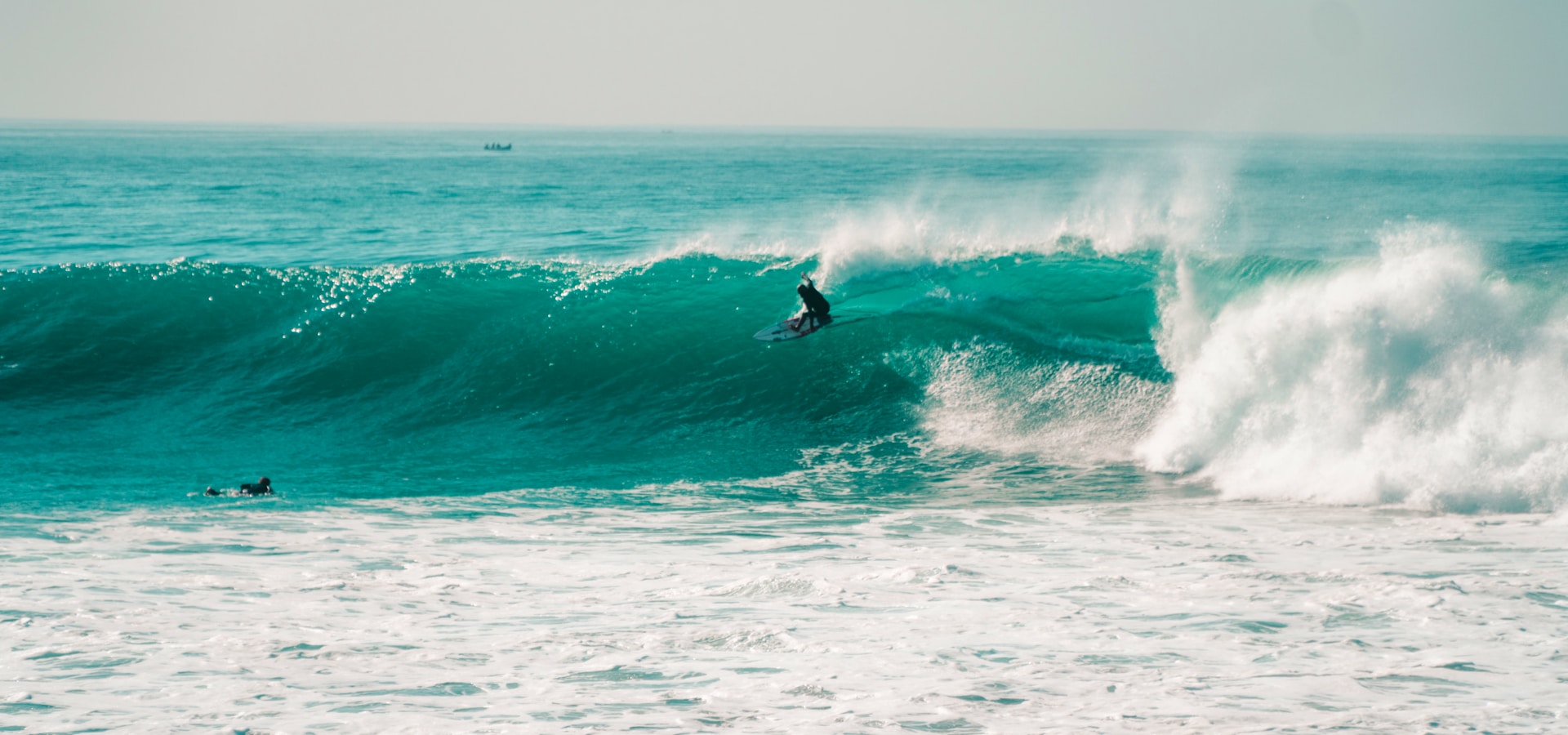
Morocco's surf capital sits 20km north of Agadir — Taghazout packs 6+ named right-hand points into 15km of coast, from Anchor Point to beginner-friendly Banana Beach.
About Taghazout
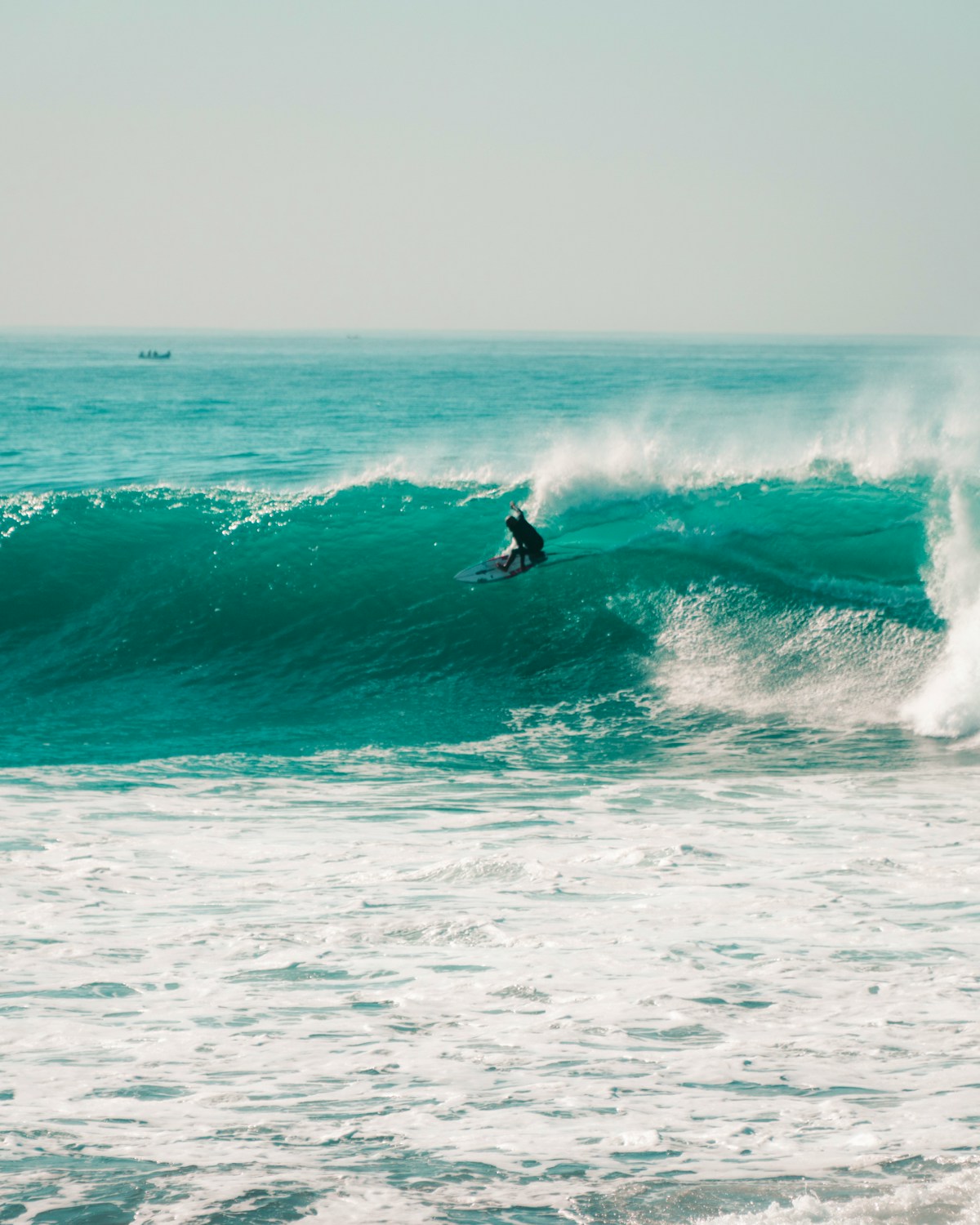
Taghazout is a former Berber fishing village 20km north of Agadir on Morocco's Atlantic coast, with a half-dozen named right-hand point breaks inside a 15km radius. The marquee wave is Anchor Point, a long peeling right named for the rusted shipping anchor on its headland — pioneers tagged it in the late 1960s and the name stuck.
Heavier surfers paddle north to Killer Point, a 15ft-capable reef. Beginners cluster at Hash Point in front of the village.
Surf level
| Skill level | Jan-Feb | Mar-Apr | May-Jun | Jul-Aug | Sep-Oct | Nov-Dec |
|---|---|---|---|---|---|---|
| Beginners | ||||||
| Intermediate | ||||||
| Advanced |
- Best time to go
- Good time to go
- Ok time to go
- Less desirable time to go
- Not recommended time to go
Weather & Travel Comfort


| Metric | Jan-Feb | Mar-Apr | May-Jun | Jul-Aug | Sep-Oct | Nov-Dec |
|---|---|---|---|---|---|---|
| Weather | ~10–18°C | ~13–22°C | ~17–26°C | ~21–31°C | ~18–26°C | ~12–20°C |
| Rainy days | 2d | 3d | 1d | 0d | 1d | 3d |
| What to Pack |  Water Temperature~17–18°C Water Temperature~17–18°C | Water Temperature~17°C | Water Temperature~18–19°C | Water Temperature~20°C | Water Temperature~20°C | Water Temperature~18–19°C |
- Boots if neededFor cold water or reef breaks
- Full protection wetsuitCold water
- Shorty / springsuitMild conditions
- No wetsuitWarm water
Tips for Surfing Taghazout
Morocco's village-turned-surf-mecca packs Anchor Point within thirty minutes of first light November through March. The four tips below cover Banana Beach for beginners, the dawn paddle-out, and the rotation Anchor Point's locals enforce on visitors.

Beginners go to Banana
Beginners: head to Banana Beach 5km north. Group lessons run 300–400 dirhams for 2 hours.

Surf the Points at Dawn
Anchor Point fills within 30 minutes of first light November–March — paddle out before sunrise.

Wetsuit by Season
3/2mm December–April, shorty or 2mm May–November. Water sits 16–20°C year-round.

Sit Wide at Anchor
Anchor Point locals enforce rotation. Sit wide two sessions. Booties mandatory at La Source.
Frequently Asked Questions
When is the best time to surf in Taghazout?
Skill drives the answer. Beginners score from May to September at Banana Beach and K11, when 2–4ft mush and 18–20°C water make for forgiving sessions. Intermediates peak from April to October — clean shoulder swell on the points, smaller crowds, water still warm. Advanced surfers come October through April for 6–12ft N/NW swell at Anchor Point, Killer and Boilers, with offshore winds grooming the reefs at dawn.
Is Taghazout good for beginners?
Yes — but only at the right spot. Banana Beach, 5km north of the village, is a long sand-bottom beach where every school in the region runs lessons from May to October. Hash Point in front of the village also works on small days. Avoid Anchor, Killer, Boilers and La Source in your first week: they're all reef or rock-bottom point breaks, often urchin-covered, with strict local rotation.
How big do the waves get in Taghazout?
Waves run 2–4ft most of summer and 6–12ft on the points from November to March. Anchor Point holds clean head-and-a-half rights for 250–400m on a clean N/NW swell, and Killer Point absorbs 15ft+ on giant winter pulses with 800m rides. Boilers stays rideable up to 8ft. Smaller days send everyone to Banana Beach, K11 and Hash Point.
Do I need a wetsuit to surf in Taghazout?
Yes, year-round, but a thin one. Water sits between 16°C in February and 20°C from July to October. A 3/2 fullsuit covers December through April when the cold N/NW swell pumps. From May to November, a shorty or 2mm spring suit is plenty — many locals trunk it in late summer. Boots, gloves and hoods are unnecessary. Booties matter more than thickness for La Source, Boilers and Mysteries.
How do I get to Taghazout from Agadir?
Fly into Agadir Al Massira (AGA), 30 minutes south by car. Most surf camps include airport transfers. A taxi runs 250–300 dirhams for the 30-minute drive. Local CTM and Supratours buses link Agadir city to Taghazout in 45 minutes for 25–30 dirhams, and the Souk to Surf shuttle runs regular transfers. From Marrakech, the A7 motorway south takes around 3 hours by car or grand taxi.
Where should I stay in Taghazout for surfing?
Stay in Taghazout village if you want walkable cafes, harbour views and dawn coffee before a session — most trips work best here. Pick Tamraght or Aourir, 5km south, if you want lower nightly rates and quick access to Banana Beach plus the points. Imsouane, 90 minutes north, is the budget play for surfers chasing the long right at the Bay; treat it as a separate trip rather than a Taghazout base.
Other regions in Morocco
The Ultimate Guide to Surfing in Taghazout
What makes Taghazout unique
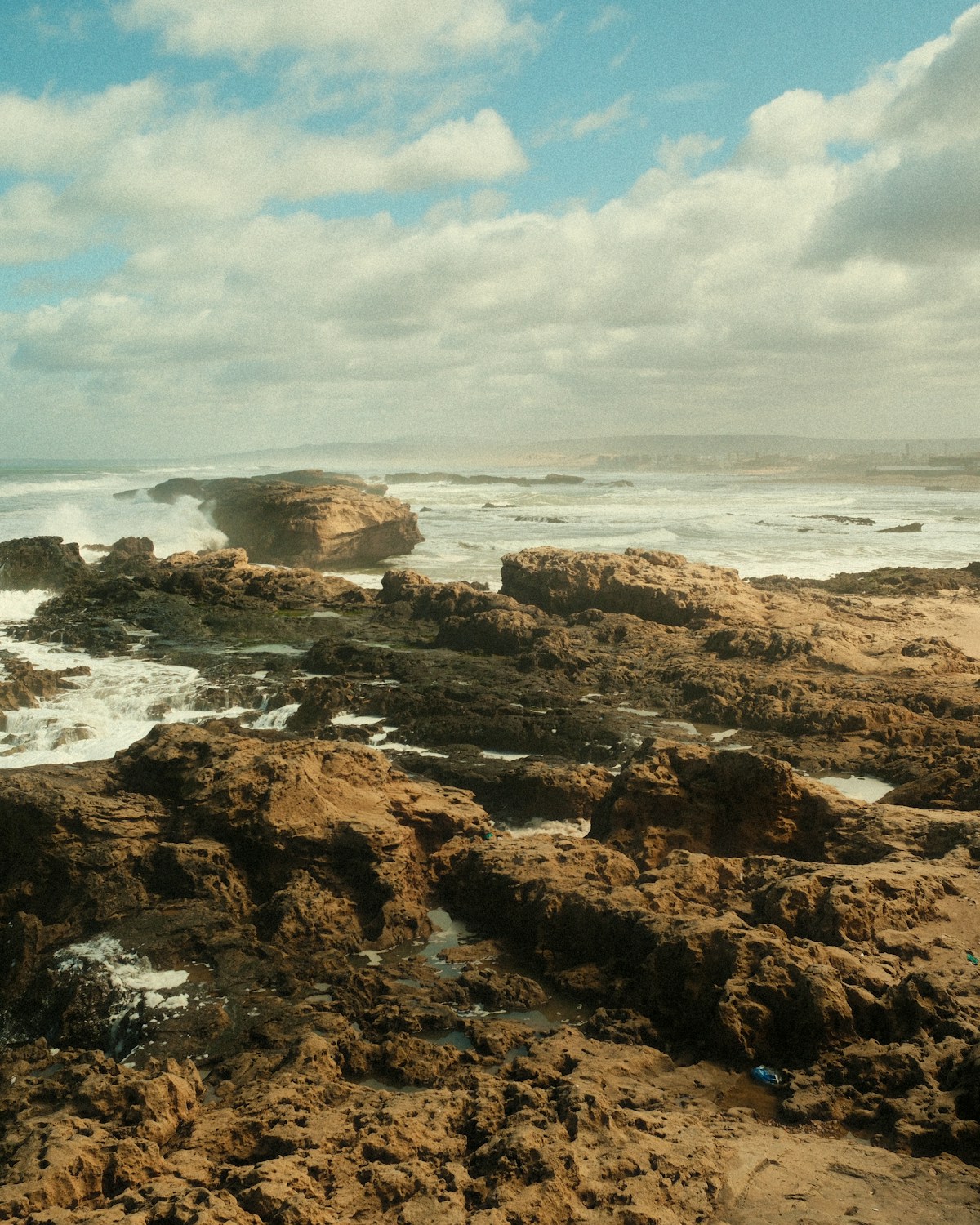
No other village in Morocco carries the surf weight Taghazout does. A former Berber fishing settlement 20km north of Agadir, it became the country's surf capital after Australian and American travellers arrived in the late 1960s and started naming the right-hand points stacked along its headlands. The marquee wave, Anchor Point, took its name from the rusted shipping anchor still lodged on the rocks above the takeoff — a pre-surf relic that stuck after 1970s surf films broadcast the wave globally. Six named right-hand points sit inside a 15km radius of the village, and the village itself sat in semi-obscurity until 2003, when Surf Maroc opened the country's first proper surf-camp business and triggered the modern boom. Inland, the UNESCO Argan Biosphere Reserve wraps the hills with argan trees and women-run cooperatives — an authentic side-trip on a flat day.
Taghazout surf spots by skill level
Anchor Point is the signature wave. A long, peeling right-hand point that breaks over rock and sand, holds 4–12ft, peels for 250–400m on a clean N/NW swell, and turns hollow on the inside section. Peak season runs October to April. Intermediate to advanced — sit wide on your first sessions while the local rotation reads you.
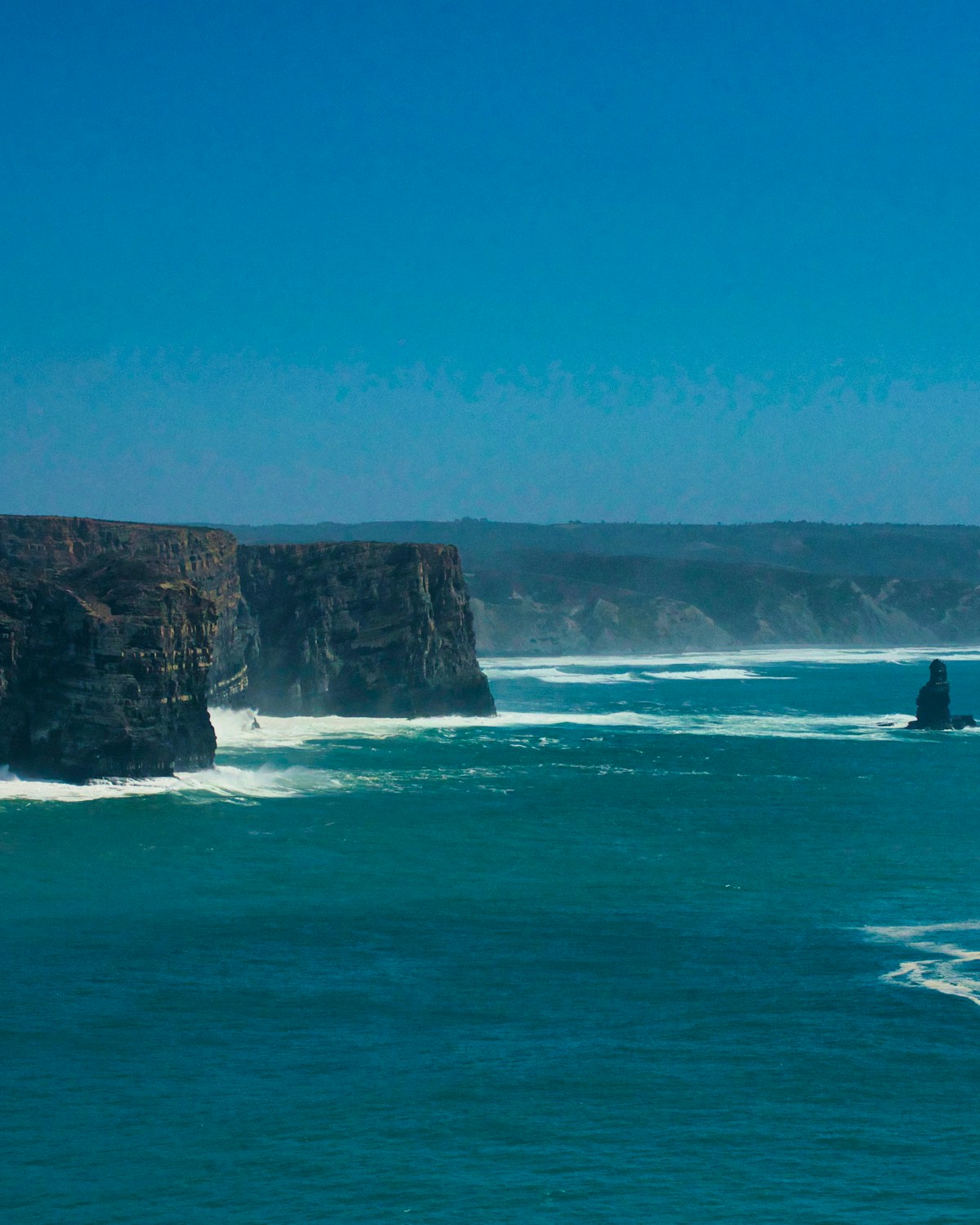
Killer Point is the heavy reef 2km north of Anchor, named because orcas have been spotted offshore. Holds 5–15ft on big swells with 800m+ rides possible. Long paddle-out, deep-water takeoff. Advanced only.
Boilers sits just south of Killer — a long right-hand reef named for the rusted ship's boiler stuck on the rocks. Reef-bottom, urchin-heavy, fast walls. Intermediate to advanced.
La Source is the short, hollow right-hand reef break right next to Anchor Point. Very localised crew, quick takeoff, urchins on every step. Advanced.
Mysteries is the fast right-hand reef a kilometre north of Boilers. Advanced.
Hash Point is the slow, mellow right point in front of Taghazout village itself — inconsistent but beginner-friendly when it breaks.
Banana Beach, 5km north, is the sandy beginner basecamp where most schools cluster. K11 is a mellow beach break 11km north for intermediates, and Tamri, 45 minutes north, is a large open beach break that holds bigger swells for intermediates and advanced.
When to surf Taghazout: month-by-month
October to April is when the points fire. Waves run 6–12ft on stacked N/NW Atlantic swell, water cools from 20°C in October to 16°C in February, and clean offshores groom Anchor and Killer at dawn. Expect Anchor's lineup to fill within 30 minutes of first light on a forecast day. May and June are the shoulder — 3–5ft swell, water climbing to 17–18°C, fewer crowds, and the points still working on the bigger pulses. July and August flip the script: 2–4ft mush, 19–20°C water, beginner heaven at Banana Beach and K11. September is the tactical sweet spot — 20°C water, swell rebuilding, and the summer holiday crowd thinning out.
Where to stay in Taghazout
Taghazout village is the obvious pick. Whitewashed houses tumbling down to the harbour, cafe culture along the main street, and a 5-minute walk to Hash Point or a 10-minute drive to Anchor. Higher prices in the surf-camp cluster, but you skip the car. Aourir and Tamraght — really the two villages 5km south on the road from Agadir — put you between Banana Beach and the points, with lower nightly rates and more local restaurants. Imsouane, 90 minutes north, is the budget play for surfers chasing the longest right in Morocco; treat it as a separate trip rather than a base.
How to get to Taghazout from Agadir
Agadir Al Massira (AGA) is 30 minutes south by car. Most surf camps include airport transfer in their package — confirm before booking. A taxi from Agadir runs 250–300 dirhams for the 30-minute drive. Local CTM and Supratours buses link Agadir city centre to Taghazout in 45 minutes for 25–30 dirhams, and the Souk to Surf shuttle runs regular transfers. From Marrakech, the A7 motorway south takes around 3 hours by car or grand taxi. Once in Taghazout, Hash Point is walkable from the village; Anchor, Killer and Banana need a 5–10 minute drive or a paid local taxi.
Surf culture in Taghazout
Three operators anchor the lesson scene: Surf Maroc (the original Taghazout outfit, opened 2003), Lunar Surf House and Original Surf Morocco, plus Berbere Surf Camp for budget travellers. Board rentals run 150–250 dirhams/day for soft-tops and 250–350 dirhams/day for performance shortboards.
A word on the lineup: Anchor Point's takeoff rock has a strict rotation between local riders and resident travellers — sit wide for at least two sessions, make eye contact, and don't burn the inside paddler. Sea-urchins blanket the reefs at La Source, Boilers and Mysteries; booties are not optional. Killer Point's paddle-out is long and exposed, so only attempt it once you're solidly past intermediate. Outside the surf zone, Taghazout village is conservative — modest dress in the souk and on the main street keeps the welcome warm.