

ESSAOUIRA
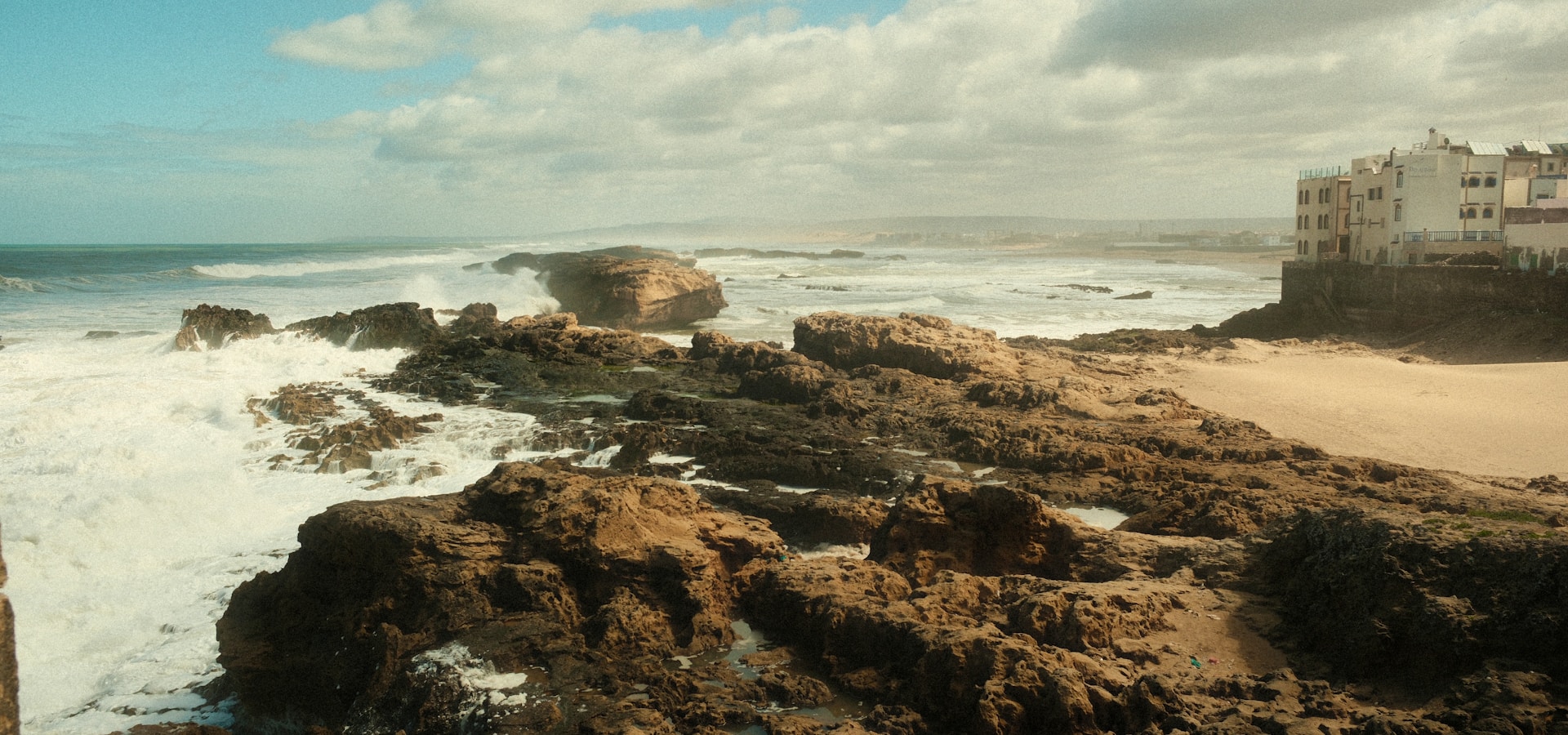
Atlantic walled medina 3h west of Marrakech — Essaouira blends UNESCO history with Morocco's kitesurf capital and 4 wind-protected reefs from Sidi Kaouki to Moulay Bouzerktoun.
About Essaouira
Essaouira is a 16th-century Portuguese-built fortified port wrapped in a UNESCO-listed medina, fronting a wide Atlantic bay 3 hours west of Marrakech. The strong N/NE alizée wind makes this Morocco's kitesurf and windsurf capital — but pushes surfers to dawn sessions and the wind-protected breaks outside town. Sidi Kaouki, 27km south, is the long sandy beach break for beginners and intermediates.
Moulay Bouzerktoun, 25km north, is a 200m right point that fires on light-wind dawns. Berber and Gnawa culture run deep here.
Surf level
| Skill level | Jan-Feb | Mar-Apr | May-Jun | Jul-Aug | Sep-Oct | Nov-Dec |
|---|---|---|---|---|---|---|
| Beginners | ||||||
| Intermediate | ||||||
| Advanced |
- Best time to go
- Good time to go
- Ok time to go
- Less desirable time to go
- Not recommended time to go
Weather & Travel Comfort


| Metric | Jan-Feb | Mar-Apr | May-Jun | Jul-Aug | Sep-Oct | Nov-Dec |
|---|---|---|---|---|---|---|
| Weather | ~11–18°C | ~14–21°C | ~17–24°C | ~20–27°C | ~18–25°C | ~13–20°C |
| Rainy days | 4d | 4d | 1d | 0d | 2d | 4d |
| What to Pack |  Water Temperature~17°C Water Temperature~17°C | Water Temperature~17°C | Water Temperature~18–19°C | Water Temperature~19–20°C | Water Temperature~20°C | Water Temperature~18–19°C |
- Boots if neededFor cold water or reef breaks
- Full protection wetsuitCold water
- Shorty / springsuitMild conditions
- No wetsuitWarm water
Tips for Surfing Essaouira
Morocco's wind-blown bay glasses off only at first light — the alizée trade flattens the surf by 11am most days. The four tips below cover Sidi Kaouki for beginners, the dawn routine, and the medina dress code you'll want to know.

Beginners go to Sidi Kaouki
Head to Sidi Kaouki, 27km south. Group lessons run 300–450 dirhams for 2 hours.

Surf the Dawn Glass-Off
The alizée blows the bay out by 11am — paddle out at first light.

Wetsuit by Season
3/2mm December–April when water hits 16°C, shorty May–November at 20°C.
Cover Up in the Medina
Modest tops walking through the medina; tip school instructors at Sidi Kaouki 10–15%.
Frequently Asked Questions
When is the best time to surf in Essaouira?
Skill drives the answer. Beginners score from April to September at Sidi Kaouki, when 2–4ft mush and 18–20°C water make for forgiving sessions. Intermediates peak March to November on cleaner shoulder swell. Advanced surfers come October to March for 4–8ft swell at Moulay Bouzerktoun and the south-coast points, with the alizée wind easing enough to hold shape past dawn. Avoid the windiest June through August midday window if you're surfing.
Is Essaouira good for beginners?
Yes — but at the right spot. Sidi Kaouki, 27km south of town, is a wide sandy beach break partly sheltered from the alizée by a headland, with multiple peaks and forgiving whitewater. Schools cluster here from spring through autumn. The main Essaouira town beach gets blown out by mid-morning wind almost daily, so beginners are better off committing to Sidi Kaouki or Diabat for the full trip.
How big do the waves get in Essaouira?
Waves run 2–6ft most of the year, pushing 6–10ft on the points from November to March. Moulay Bouzerktoun holds clean head-and-a-half rights for 200 metres on a NW swell with light wind, Sidi Kaouki stays rideable up to 6ft thanks to the headland filtering size, and Plage de Safi further north absorbs the biggest pulses for advanced surfers willing to road-trip 130km.
Do I need a wetsuit to surf in Essaouira?
Yes, year-round — the Atlantic stays 16–20°C. A 3/2 fullsuit covers December through April when water dips to 16°C, while a shorty or 2mm handles May through November as it climbs to 20°C. Boots, gloves and hood are unnecessary. Wind-chill matters more than water temp here: the alizée makes mornings feel cold even in summer, so surfers often wear more rubber than the temperature alone would suggest.
How do I get to Essaouira from Marrakech?
Take the Supratours coach from Marrakech train station — buses run hourly, the trip takes 2h 45min, and tickets cost around 80–100 dirhams. CTM runs the same route at similar prices. Most travellers fly into Marrakech Menara airport (RAK) since Essaouira-Mogador (ESU) only handles seasonal flights. Once in town, grand taxis from Bab Doukkala reach Sidi Kaouki in 30 minutes for 30 dirhams shared.
Where should I stay in Essaouira for surfing?
Stay in a medina riad if you want walkable cafes, sunset ramparts and 5-minute access to Diabat — most trips work best here. Pick Sidi Kaouki village if you're committing to the beach break daily and want zero transport hassle: a handful of guesthouses and surf camps including Ananas Surf School sit on the doorstep of the wave. Moulay Bouzerktoun has windsurf-camp guesthouses for advanced travellers chasing the right point.
Other regions in Morocco
 1
1The Ultimate Guide to Surfing in Essaouira
What makes Essaouira unique
Essaouira is the only Atlantic surf town in Morocco where the line-up sits inside a 16th-century Portuguese fortress. The walled medina — built by Sultan Mohammed III in 1764 over earlier Portuguese ramparts — is UNESCO-listed and doubled as Astapor in Game of Thrones. The same geography that made the harbour defensible — a wide bay open to N/NE wind — gave the town its other identity: Morocco's kitesurf and windsurf capital. The strong alizée trade wind blows hardest 11am to 6pm from April through September, which compresses the surf window to dawn glass-offs and pushes serious surfers to the wind-protected reefs north and south of town. The cultural mix — Berber, Gnawa and Arab — runs visibly through the daily fish auction, the rampart cafes and the Gnawa World Music Festival every June, which pulls 200,000+ visitors and reshapes the surf calendar around it.
Essaouira surf spots by skill level
Sidi Kaouki is the basecamp. A long sandy beach 27km south of town with multiple peaks and a wide takeoff zone, partly sheltered from the alizée by the headland to the north. Works on most W-NW swells, sand bottom, beginner to intermediate. Peak season runs October to April when clean 3–6ft swell rolls through.
Moulay Bouzerktoun is the marquee point. 25km north of Essaouira, mostly known to windsurfers, it produces a long right wall of 200 metres or more on light-wind dawns. Reef and boulder bottom, holds 4–8ft on a clean NW swell. Advanced surf, intermediate to expert windsurf — the lineup tilts heavily toward boards on rails when the wind is up.
Diabat is the historical hook. A beach break 5km south of town with mellow shoulders and a sand bottom; Jimi Hendrix spent time in the village in 1969 and local lore says it inspired Castles Made of Sand. Intermediate, less wind-protected than Sidi Kaouki but closer to the medina.
Tafedna is the empty option. 60km south, alongside a small Berber fishing village, with no schools and rarely more than a handful of locals out. Intermediate to advanced, beach break, fickle but rewarding when it lines up.
Mirleft North sits much further south near Sidi Ifni and works as overflow for road-trippers chasing offshore winds. Plage de Safi, a long right point 130km north, is technically a separate region but often surfed on Essaouira trips when a big NW swell lights it up — advanced only.
When to surf Essaouira: month-by-month
October to March is the surf window. Swell stacks 4–8ft on the points, pushing 6–10ft on bigger NW pulses, water cools to 16–17°C, and the alizée eases enough that the bay holds shape into late morning. April to June is the kitesurf-and-windsurf shoulder — wind ramps up, swell drops to 2–4ft, water climbs to 17–19°C, and Sidi Kaouki and Moulay become the only consistent surf options. July and August belong to wind sports; surfers stick to dawn sessions at Sidi Kaouki and Diabat in 2–3ft mush with 19–20°C water. September is the tactical sweet spot — water still 20°C, alizée slackening, swell rebuilding, and the summer crowd thinning.
Where to stay in Essaouira
The medina is the obvious pick — riads inside the ramparts, walking distance to the fish auction, sunset cafes on Place Moulay Hassan, and a 5-minute drive to Diabat. Higher prices in renovated riads, budget dar options on the inner lanes. Sidi Kaouki village is the surf-direct play: a small cluster of guesthouses and surf camps including Ananas Surf School on the doorstep of the beach break, perfect if you want zero transport hassle and don't mind quieter evenings. Moulay Bouzerktoun has a handful of windsurf-camp guesthouses for travellers chasing the right point — sparse, basic, advanced-leaning crowd.
How to get to Essaouira from Marrakech
Most travellers fly into Marrakech Menara airport (RAK) and transfer 2h 30min west by road. Essaouira-Mogador airport (ESU) handles seasonal European flights but routes are limited. From Marrakech, the Supratours coach runs hourly from the train station to Essaouira in 2h 45min for around 80–100 dirhams; CTM also runs the route at similar prices. To reach Sidi Kaouki from Essaouira, take a grand taxi from Bab Doukkala — about 30 minutes, 30 dirhams in a shared seat. Moulay Bouzerktoun runs about 35 minutes north by grand taxi or rental car.
Surf schools, gear rentals and local culture
Three operators anchor the lesson and rental scene: Magic Fun Afrika for combined windsurf and surf packages, Explora Watersports on the main beach for kitesurf and surf rentals, and Surf Berbere Essaouira for surf-focused camps. Ananas Surf School is the Sidi Kaouki specialist for travellers basing themselves at the beach break. Board rentals run roughly 200–300 dirhams/day for soft-tops, 350–500 dirhams/day for performance shortboards.
A word on culture: surfing here sits inside a much older fishing and trading tradition, and the lineup ethic reflects it — modest behaviour out of the water, full-cover tops walking through the medina, and a customary 10–15% tip for school instructors. Time a trip around the June Gnawa World Music Festival if you want the Berber and sub-Saharan music underlay; book accommodation 3 months ahead because the town doubles in population that week. The Visit Morocco tourism board and Save The Waves are useful starting points for context beyond the surf.