

SLIGO
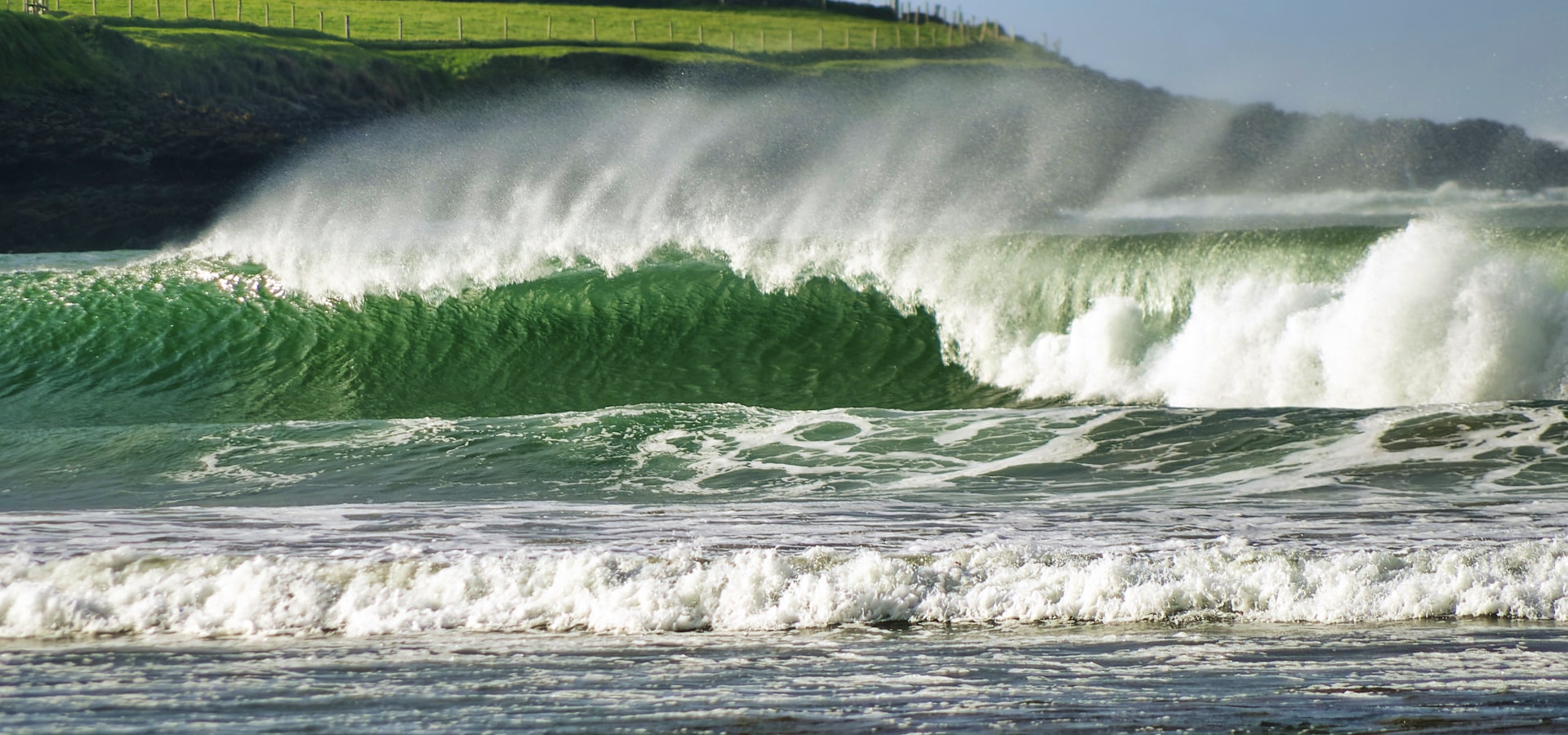
Atlantic NW corner of Ireland with Mullaghmore's 50ft+ tow-in slab and Easkey's cobblestone reef — Sligo runs cold, heavy, and uncrowded from Strandhill village.
About Sligo
Sligo sits on Ireland's Atlantic northwest coast under the flat-topped silhouette of Ben Bulben, Yeats Country with surfboards in every front garden. The marquee wave is Mullaghmore Head, a tow-in basalt slab that holds 50ft+ on giant winter swells — Conor Maguire towed into a 60ft+ bomb here in November 2020, the largest wave ever ridden in Irish waters.
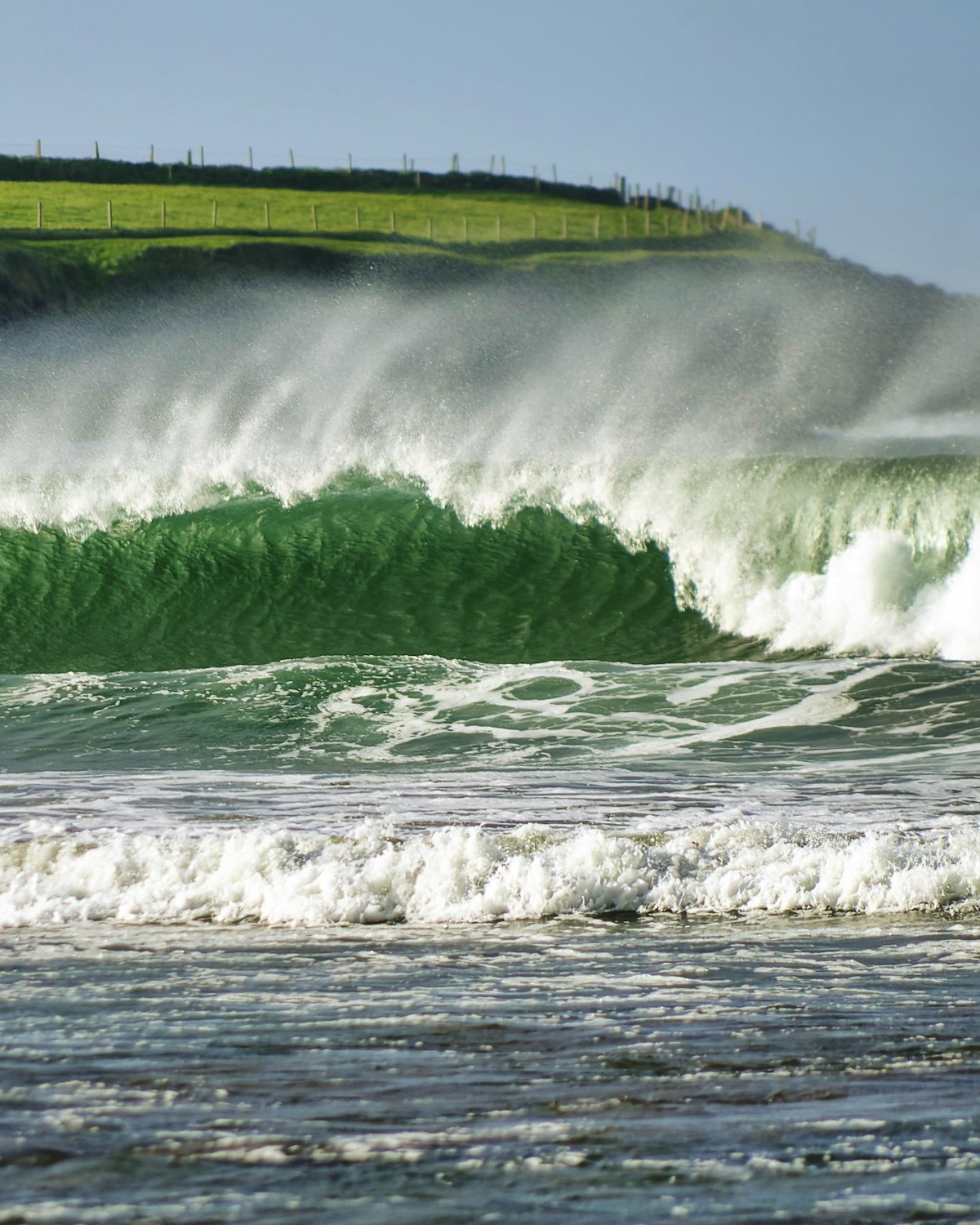
Easkey Left is the cobblestone reef Ireland's competitive scene grew up on, while Strandhill village runs the everyday beach-break sessions.
Surf level
| Skill level | Jan-Feb | Mar-Apr | May-Jun | Jul-Aug | Sep-Oct | Nov-Dec |
|---|---|---|---|---|---|---|
| Beginners | ||||||
| Intermediate | ||||||
| Advanced |
- Best time to go
- Good time to go
- Ok time to go
- Less desirable time to go
- Not recommended time to go
Weather & Travel Comfort


| Metric | Jan-Feb | Mar-Apr | May-Jun | Jul-Aug | Sep-Oct | Nov-Dec |
|---|---|---|---|---|---|---|
| Weather | ~3–7°C | ~4–10°C | ~9–15°C | ~12–17°C | ~9–14°C | ~4–8°C |
| Rainy days | 13d | 13d | 12d | 14d | 12d | 13d |
| What to Pack |  Water Temperature~8–9°C Water Temperature~8–9°C | Water Temperature~8–10°C | Water Temperature~12–14°C | Water Temperature~16°C | Water Temperature~14–16°C | Water Temperature~11–13°C |
- Boots if neededFor cold water or reef breaks
- Full protection wetsuitCold water
- Shorty / springsuitMild conditions
- No wetsuitWarm water
Tips for Surfing Sligo
Ireland's northwest packs serious surf into Strandhill's beach break, Easkey's cobblestones, and Mullaghmore's tow-only giants. The four tips below cover Strandhill for beginners, the cold-water 5/4 hood reality, and which big-wave reef is locals-only forever.

Beginners Start Strandhill
Beginners book a lesson at Strandhill beach — group sessions run €35–€45 for two hours.
Mullaghmore Is Tow-Only
Mullaghmore Head is for big-wave specialists with tow crews — never paddle out without locals.

Cold-Water Wetsuit Reality
Water 8–16°C: pack a 5/4mm with hood, boots and gloves November–April, 4/3mm with boots May–October.
Booties On The Reefs
Booties are essential at Easkey cobblestones and Pollnadivva reef — and Strandhill rips shift daily.
Frequently Asked Questions
When is the best time to surf in Sligo?
Skill drives the answer. Beginners are best from May to August, when 2–4ft mush at Strandhill and 14–16°C water make for forgiving sessions. Intermediates score from April to September — clean 3–6ft swell at Easkey and Strandhill with smaller crowds. Advanced surfers come September to April for 4–10ft NW Atlantic swell at Easkey Left and Pollnadivva, with the giant Mullaghmore tow-in days arriving October to February.
Is Sligo good for beginners?
Yes — Strandhill beach in summer is the entry point, and every school in the region sets up there. Multiple sand-bottom peaks produce forgiving whitewater from May to August, with water at 14–16°C and group lessons running €35–€45 for two hours. Dunmoran Strand, Streedagh and Enniscrone offer quieter alternatives. Avoid Mullaghmore, Easkey and Pollnadivva entirely — those are reef breaks for advanced surfers only.
How big do the waves get in Sligo?
Day-to-day waves run 3–10ft at Strandhill and Easkey, with the cleanest 6–10ft sets arriving on autumn and winter NW swells. Mullaghmore Head is a different sport entirely — it holds 25 to 60ft-plus on giant North Atlantic systems, tow-in only above roughly 25ft. In November 2020, Conor Maguire towed into a 60ft+ bomb at Mullaghmore, the largest wave ever ridden in Irish waters.
Do I need a wetsuit to surf in Sligo?
Yes, year-round, and the kit is heavier than most travellers expect. Water sits between 8°C in February and 16°C in August. From November to April, wear a 5/4mm with hood, boots and gloves — not optional. From May to October, a 4/3mm with boots is the standard setup. Locals tend to keep the hood on into late spring; pack the warmer suit if you're choosing only one.
How do I get to Sligo from Dublin?
The cleanest option is the Iarnród Éireann intercity train from Dublin Connolly to Sligo MacDiarmada — 3h 15min, around €25 advance — then a 10-minute taxi (~€15) or local Bus Éireann route 473 to Strandhill. Driving the M4/N4 takes about 3 hours from Dublin Airport. For shorter flights, Ireland West Knock Airport (NOC) is 1h 15min from Strandhill and worth checking.
Where should I stay in Sligo for surfing?
Stay in Strandhill village if you want to walk to the beach, the Voya seaweed baths and the surf shops — most trips work best here. Pick Sligo town, 8km inland, for a wider range of guesthouses, restaurants and the train station, with a short drive to the coast. Choose Easkey village if your trip revolves around the cobblestone reef — small, quiet, with both Easkey breaks at the bottom of the road.
Other regions in Ireland
The Ultimate Guide to Surfing in Sligo
What makes Sligo unique
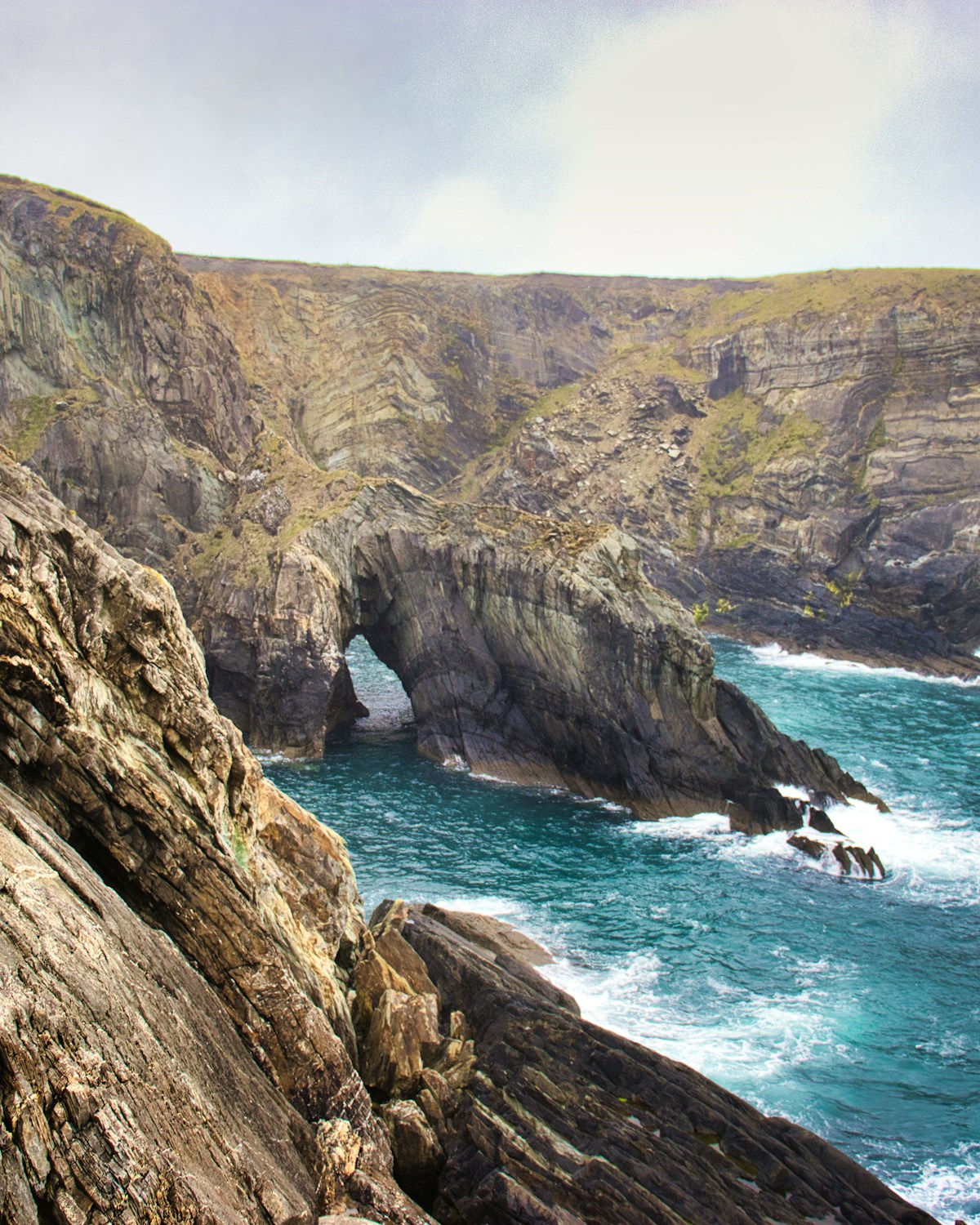
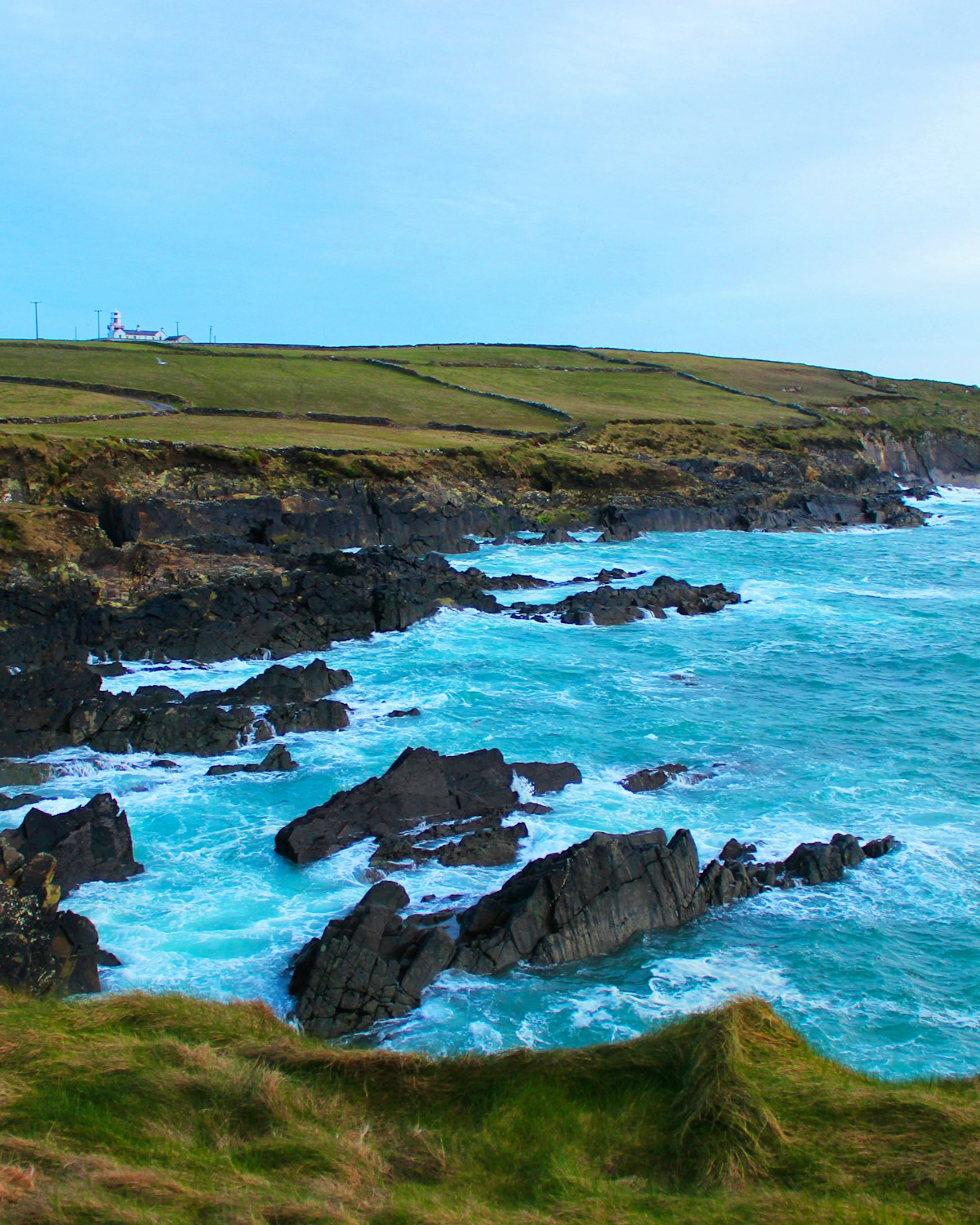
Sligo is the corner of Ireland where Atlantic surfing turned serious. Two breaks define the region. Mullaghmore Head, a basalt point on the north Sligo coast, holds 25–60ft+ on giant North Atlantic systems and became globally famous when Garrett McNamara and Conor Maguire pushed Irish big-wave surfing into the WSL Big Wave Tour conversation. In November 2020, Maguire towed into a 60ft+ bomb here — the largest wave ever ridden in Irish waters. Easkey, 20km west, is the cobblestone reef village where Ireland's competitive scene grew up. The hub for everyday surfing is Strandhill, a small village under Ben Bulben with a long beach break, the Voya Seaweed Baths for Atlantic recovery, and surfboards leaning against most front gardens. Yeats is buried 15 minutes inland at Drumcliff under the line Cast a cold eye on life, on death — a fitting epitaph for waters this cold and this honest.
Sligo surf spots by skill level
Mullaghmore Head is the heavy big-wave slab. It holds 25–60ft+ on giant winter NW swells with E offshore wind, breaking off a basalt point into deep water. Tow-in only above roughly 25ft. Big-wave specialists with local tow crews only — never attempt this wave without a vetted partner.
Easkey Left is the long left-hand reef over flat cobblestone in Easkey village. Holds 4–10ft, peels for 100m+ on a clean NW swell with SE offshore. Advanced. Booties essential.
Easkey Right breaks on the same village beach, an alternative right-hander on a slightly different swell angle. Intermediate-to-advanced.
Strandhill is the long sand-bottom beach break that fronts Strandhill village. Multiple peaks shift across the beach with the tides; rip currents are strong, so ask a school which side is working. Intermediate, with a school zone at the south end.
Dunmoran Strand is a quiet sand beach between Strandhill and Easkey — rarely crowded, gentle banks. Beginner-to-intermediate.
Streedagh is a long sand beach with a Spanish Armada wreck story (three ships lost on this bay in 1588). Mellow peaks, plenty of room. Beginner-to-intermediate.
Pollnadivva is an exposed reef on the southeast Sligo coast — fast, hollow, cobblestone bottom. Intermediate-to-advanced. Booties.
Enniscrone is the long sandy beach in west Sligo, paired with a heritage seaweed bath in town. Beginner-friendly.
When to surf Sligo: month-by-month
September to April is the engine. NW Atlantic swell stacks in, waves run 4–10ft most days at Strandhill and Easkey, and the giant systems that wake Mullaghmore arrive between October and February. Water cools from 15°C in September to 8°C in February — full cold-water kit territory. May and June are the shoulder window: 3–6ft swell, water climbing from 12 to 14°C, longer daylight (sunset past 10pm in June), and far fewer travelling surfers. July and August flatten out for advanced surfers but turn into prime beginner season — 2–4ft mush at Strandhill, water at 15–16°C, schools running back-to-back lessons. By September, the air is still warm, the water is at its yearly peak, and the first proper autumn swells start arriving — most travelling intermediates target this month.
Where to stay in Sligo
Strandhill village is the obvious choice. You walk to the beach, the seaweed baths, three pubs and two surf shops; the lineup is 30 seconds from your door. Higher rates than the town, but you skip the car. Sligo town, 8km inland, is the budget play — bigger range of guesthouses and self-catering, plus restaurants and the Iarnród Éireann train station — with a 10-minute drive or local bus to Strandhill. Easkey village suits surfers chasing the reef daily: small, quiet, a couple of B&Bs and a campsite, with both Easkey breaks at the bottom of the road.
How to get to Sligo from Dublin
The fastest air route is Ireland West Knock Airport (NOC) — 1h 15min drive to Strandhill, with seasonal connections from UK and European hubs. Dublin Airport (DUB) is the bigger gateway: 3h drive west on the M4/N4 motorway. The cleanest non-driving option is the Iarnród Éireann intercity train: Dublin Connolly to Sligo MacDiarmada takes 3h 15min, around €25 advance, then a 10-minute taxi (~€15) or local Bus Éireann route 473 from Sligo town to Strandhill. Within the region, a rental car opens up Easkey, Mullaghmore and the quieter beaches — public buses serve only the main villages.
Surf schools, gear rentals and local culture
Four schools anchor the lesson scene: Strandhill Surf School, Perfect Day Surf School, Surf Sligo and Bertra Surf Sligo — all useful reference points whether you book with them or not. Group lessons run €35–€45 for two hours; soft-top rentals €15–€20/day; performance boards €25–€35/day. Wetsuit rental is a non-negotiable line item here — water sits between 8 and 16°C year-round.
A word on Sligo culture: surfing rooted itself here in the 1960s and 70s on the Easkey reef, and the town still treats the ocean as part of daily life rather than a tourism product. The Strandhill seaweed baths at Voya are the local recovery ritual after a cold session. Mullaghmore is held in genuine reverence — the tow-team community is small, tight, and protective; visitors who paddle out on a big day uninvited are politely (then firmly) sent in. Respect the water temperature, respect the local crew at the reefs, and Sligo opens up. Organisations like Surfing Ireland and the Wild Atlantic Way have helped frame this coast as a national surf asset worth protecting.