

CLARE
Cold-water Atlantic coast holding Ireland's heaviest reefs and a beginner-friendly crescent — Clare packs 6 named breaks under the Cliffs of Moher, anchored by Lahinch village.
About Clare
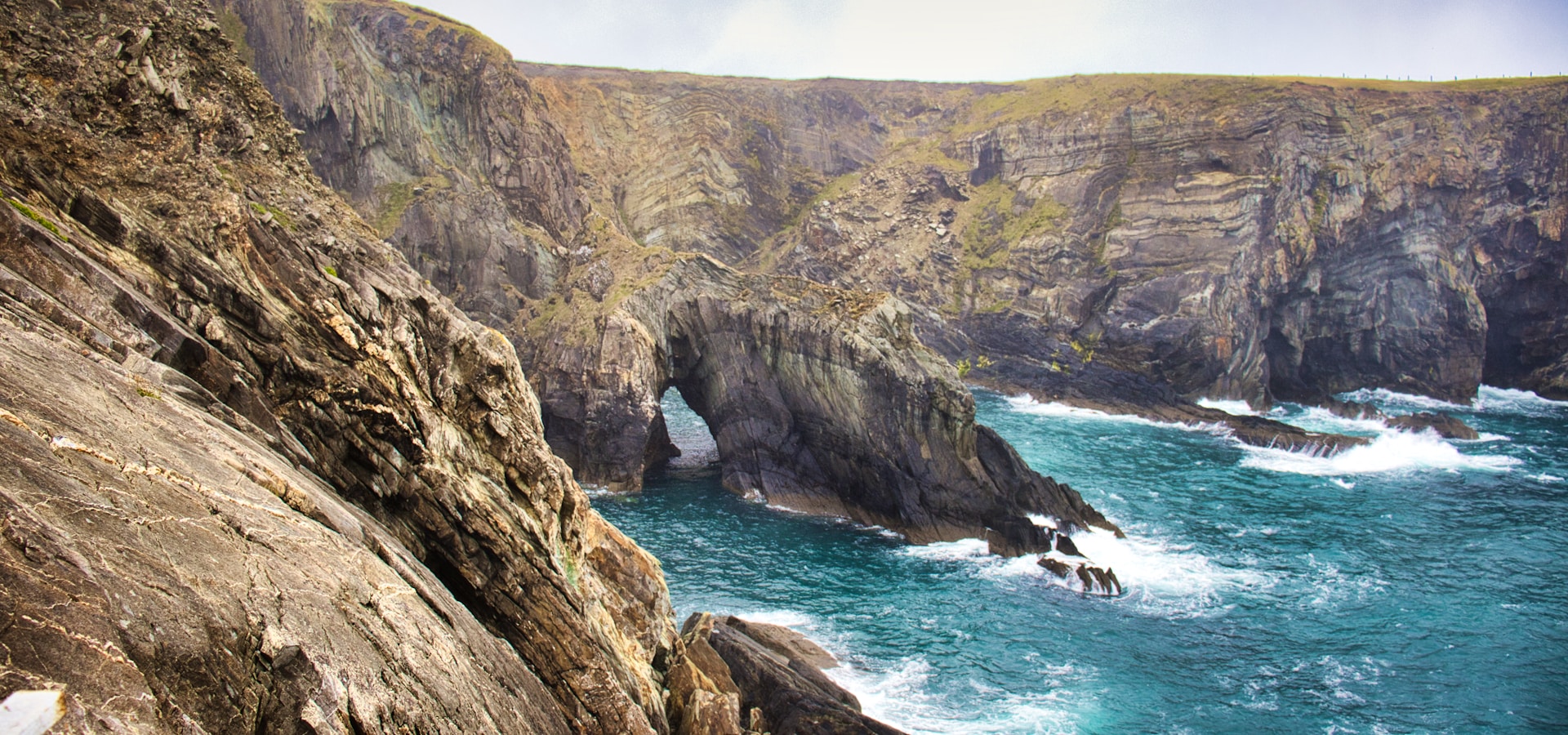
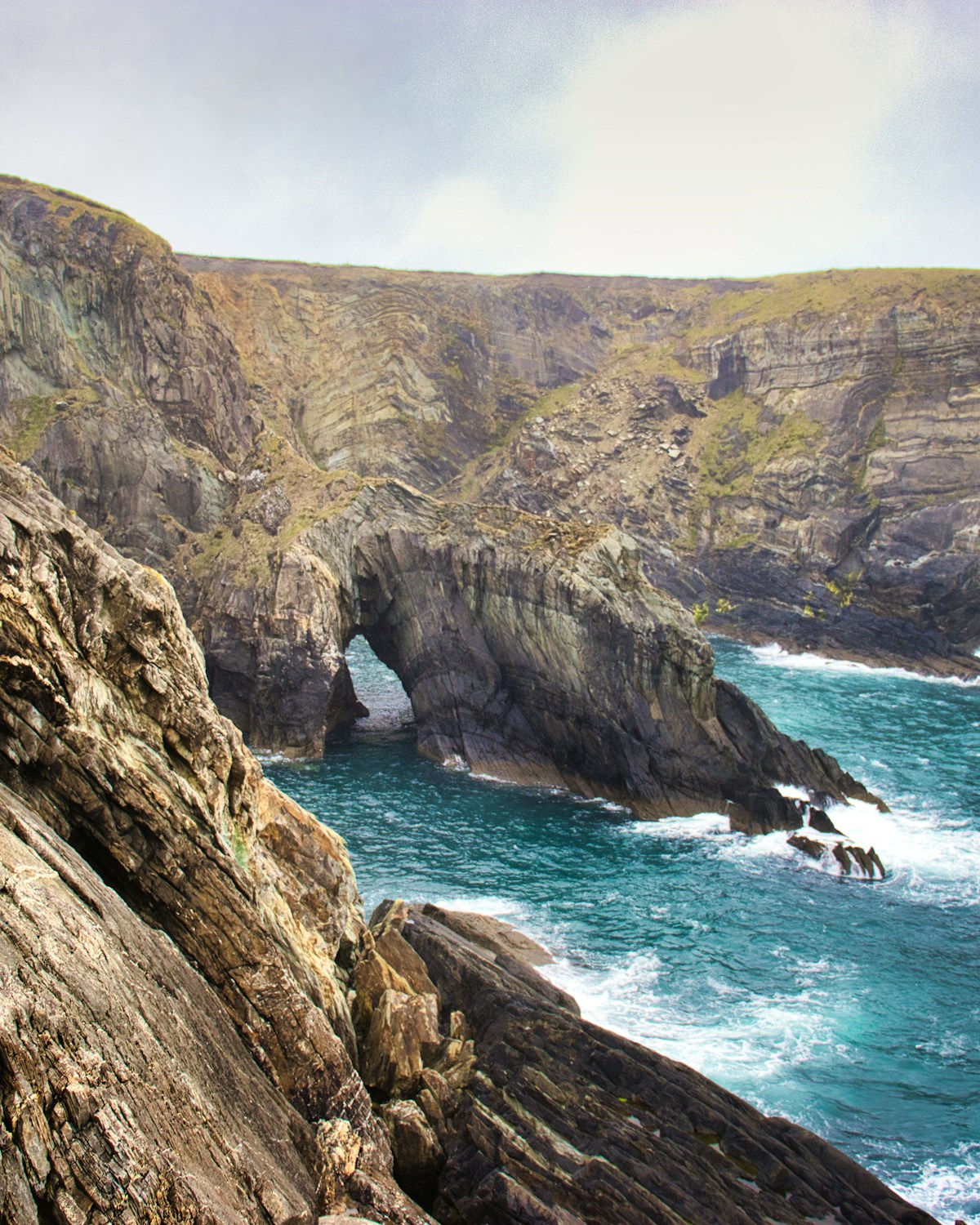
County Clare is Ireland's Atlantic west coast, a cold-water stretch where the Cliffs of Moher drop 200 metres into the sea and the country's heaviest reefs sit within 15 minutes of one shop-lined village. Lahinch Beach is the friendly crescent — sand-bottom A-frames suited to beginners and intermediates.
Aileens, the 50-metre big-wave reef directly under the cliffs, was pioneered in the 2000s by Mickey Smith and Fergal Smith and remains a tow-in arena. Lahinch hosted Ireland's first surf club in 1962.
Surf level
| Skill level | Jan-Feb | Mar-Apr | May-Jun | Jul-Aug | Sep-Oct | Nov-Dec |
|---|---|---|---|---|---|---|
| Beginners | ||||||
| Intermediate | ||||||
| Advanced |
- Best time to go
- Good time to go
- Ok time to go
- Less desirable time to go
- Not recommended time to go
Weather & Travel Comfort


| Metric | Jan-Feb | Mar-Apr | May-Jun | Jul-Aug | Sep-Oct | Nov-Dec |
|---|---|---|---|---|---|---|
| Weather | ~3–7°C | ~4–10°C | ~9–15°C | ~12–17°C | ~9–14°C | ~4–8°C |
| Rainy days | 13d | 13d | 13d | 15d | 13d | 13d |
| What to Pack |  Water Temperature~8–9°C Water Temperature~8–9°C | Water Temperature~8–10°C | Water Temperature~12–14°C | Water Temperature~16°C | Water Temperature~14–16°C | Water Temperature~11–13°C |
- Boots if neededFor cold water or reef breaks
- Full protection wetsuitCold water
- Shorty / springsuitMild conditions
- No wetsuitWarm water
Tips for Surfing Clare
Ireland's west coast asks for serious wetsuit kit — water bottoms out at 8°C in winter and Aileens is a big-wave reef best paddled with locals. The four tips below cover Lahinch for beginners, what hood to pack, and which spots are paddle-out only with a guide.

Beginners go to Lahinch
Beginners: book at Lahinch Surf School (since 1995). Group lessons run €40–€55 for 2 hours.

Pack a Hooded 5/4
Water drops to 8°C in winter — wear a 5/4mm hooded suit, boots, gloves.
Wetsuit by Season
5/4mm hood, boots, gloves Nov–April; 4/3mm with boots May–October. Never a no-suit region.
Never Solo at Aileens
Aileens and Crab Island are big-wave reefs — paddle out with a local only.
Frequently Asked Questions
When is the best time to surf in Clare?
Skill drives the answer. Beginners score from May to August at Lahinch and Fanore, when 2–4ft sand-bottom waves and 12–16°C water make sessions manageable. Intermediates peak April to September with cleaner shoulder swell and warmer water. Advanced surfers come September to April for 6–15ft North Atlantic pulses on Crab Island, Aileens and Spanish Point, when offshore E winds groom the outer reefs at dawn.
Is Clare good for beginners?
Yes — at one specific spot. Lahinch Beach is a long crescent of sand-bottom peaks protected by the Liscannor headland, with multiple schools running daily lessons from May through October. Fanore, near the Burren, is a quieter alternative on small days. Avoid Crab Island, Aileens, Spanish Point and Doolin Point in your first week — all are reef-bottom and at least one has killed surfers who paddled out without local guidance.
How big do the waves get in Clare?
Waves run 3–8ft on most days and 6–15ft+ on the outer reefs through winter. Lahinch holds chest-high to overhead in standard NW swell, Crab Island absorbs 6–15ft on big winter pulses, and Aileens under the Cliffs of Moher is paddleable up to roughly 20ft and tows up to 25ft+. Small days send everyone to Lahinch and Fanore, where the inside reform stays rideable.
Do I need a wetsuit to surf in Clare?
Yes — full cold-water kit, year-round. Water sits between 8°C in February and 16°C in August, never warm enough for a shorty. From November to April, a 5/4mm hooded suit with 5mm boots and 3mm gloves is standard. From May to October, a 4/3mm with 3mm boots handles most sessions; some locals drop the hood from July to September. Renting a full kit locally costs around €15–€20 per day.
How do I get to Clare from Shannon?
Shannon Airport (SNN) is the gateway, with direct flights from London, Boston and New York. Drive Shannon to Lahinch in about 50 minutes (~€80 by taxi), or take Bus Éireann route 333 via Ennis — roughly 1h 40min for around €15 one way. From Dublin, the M7 plus M18 takes about 3 hours by car. A rental car helps for reaching Doolin, the Cliffs of Moher and Spanish Point.
Where should I stay in Clare for surfing?
Stay in Lahinch village if you want walkable beach access, surf shops, schools and restaurants — best for a no-car trip. Pick Doolin if you prefer trad-music pubs and quick access to Crab Island and Aileens, 10–20 minutes south of the cliffs. Ennistymon and Liscannor are the budget option: 5–10 minutes inland from Lahinch, lower nightly rates, with a car needed for the further breaks.
Other regions in Ireland
The Ultimate Guide to Surfing in Clare
What makes Clare unique
No other county in Ireland packs this much surf into one stretch of coast. Lahinch village sits at the centre, and within a 25-minute drive you can paddle a beginner sand-bottom A-frame, a cobblestone left-hand point, a slabby western reef and a 50-metre big-wave arena directly under the Cliffs of Moher. The historical weight matters too: Lahinch hosted Ireland's first surf club in 1962, and the modern big-wave era launched here in the 2000s when Mickey Smith and Fergal Smith pioneered Aileens — the wave globalised by Smith's 2010 short film Dark Side of the Lens. Add the limestone karst of the Burren on one side and the trad-music pubs of Doolin on the other, and Clare offers a trip that doesn't collapse on flat days. The catch is the water: 8–16°C year-round, with cold-water gear non-negotiable.
Clare surf spots by skill level
Lahinch Beach is the basecamp. A long crescent of sand-bottom peaks protected by the Liscannor headland on big NW swell, working from chest-high to overhead on most days from September to April. Multiple A-frames spread the crowd. Beginner to intermediate.
Crab Island is an exposed right-hand reef off the Doolin coast, accessed by paddle from the pier. Heavy, ledging, holds 6–15ft, and rewards local knowledge of currents around the rock. Advanced only.
Aileens (Aill Na Searrach) breaks at the base of the Cliffs of Moher — a 50-metre reef that holds 25ft+ on tow, paddleable up to roughly 20ft in clean E offshore conditions. Big-wave only. Access is a long paddle around the headland or by boat. Big-wave specialists.
Spanish Point is a slabby reef on the western tip near Quilty. Cold, fast, and rewarding on a clean SW–W swell. Advanced.
Doolin Point is a cobblestone left near the pier — long, mellow shoulder, intermediate-friendly when small, advanced on size. Intermediate to advanced.
Doughmore (next to the Doonbeg dunes) is a fast beach break with shifting peaks. Intermediate.
Fanore, near the Burren, is a long sand-bottom beach that works for beginners on small clean days when Lahinch is blown out.
When to surf Clare: month-by-month
September to April is the prime window. North Atlantic swells stack 4–10ft on the outer reefs, the inside at Lahinch holds 3–6ft on most days, and water cools from 15.5°C in September to 8°C in February. Expect short windows of clean E offshore between fronts — the locals chase the gaps. May and June are the best beginner months: 3–5ft swell, water climbing to 12–14°C, longer daylight, and the schools fully open. July and August are flatter and warmer (15–16°C water, 2–4ft typical), with rain still likely 13–15 days a month — pack waterproof everything. September is the quiet sweet spot: warmest water of the year, swell rebuilding, kids back in school.
Where to stay in Clare
Lahinch village is the obvious pick — guesthouses, surf shops, restaurants and the main beach within a 5-minute walk. Ideal if you don't want a car. Doolin, 30 minutes north, is the trad-music base: pubs like Gus O'Connor's, McGann's and McDermott's host nightly sessions, and you're 10 minutes from Crab Island and 20 from Aileens. Ennistymon and Liscannor are the budget options: 5–10 minutes inland from Lahinch, lower nightly rates, with a car required for breaks beyond the main beach.
How to get to Clare from Shannon
Shannon Airport (SNN) is the fastest gateway, with direct flights from London, Boston and New York. Shannon to Lahinch is about 50 minutes by car (~€80 by taxi) or roughly 1h 40min by Bus Éireann route 333 via Ennis, around €15 one way. From Dublin, drive the M7 then M18 — about 3 hours total. Once in Lahinch, the village beach is walkable; Doolin, Crab Island and the Cliffs of Moher need a 25–30 minute drive, and Spanish Point sits 20 minutes south by road.
Surf schools, gear rentals and local culture
Three schools anchor the lesson scene: Lahinch Surf School — the oldest in Ireland, opened 1995 — plus Ben's Surf Clinic and Greenroom Surf School. Lahinch Surf Experience and John McCarthy Surf School round out the options. Board rentals run €20–€25/day for soft-tops and €30–€40/day for performance shortboards; full wetsuit hire (5/4mm with hood, boots, gloves) costs roughly €15–€20/day and is essential gear from November through April.
A word on the lineup: Lahinch's inside is friendly to travellers but turns territorial on weekends when Limerick and Galway crews drive down. Crab Island and Aileens are not waves to paddle out at solo — both have killed surfers, and both reward years of local knowledge over fitness alone. Always check the tide chart before paddling; Atlantic-facing breaks here unload on shifting banks. For a deeper read on the Irish scene, Surfing Ireland is the governing body, and Lonely Planet's County Clare guide covers the non-surfing days.