

ITACARE
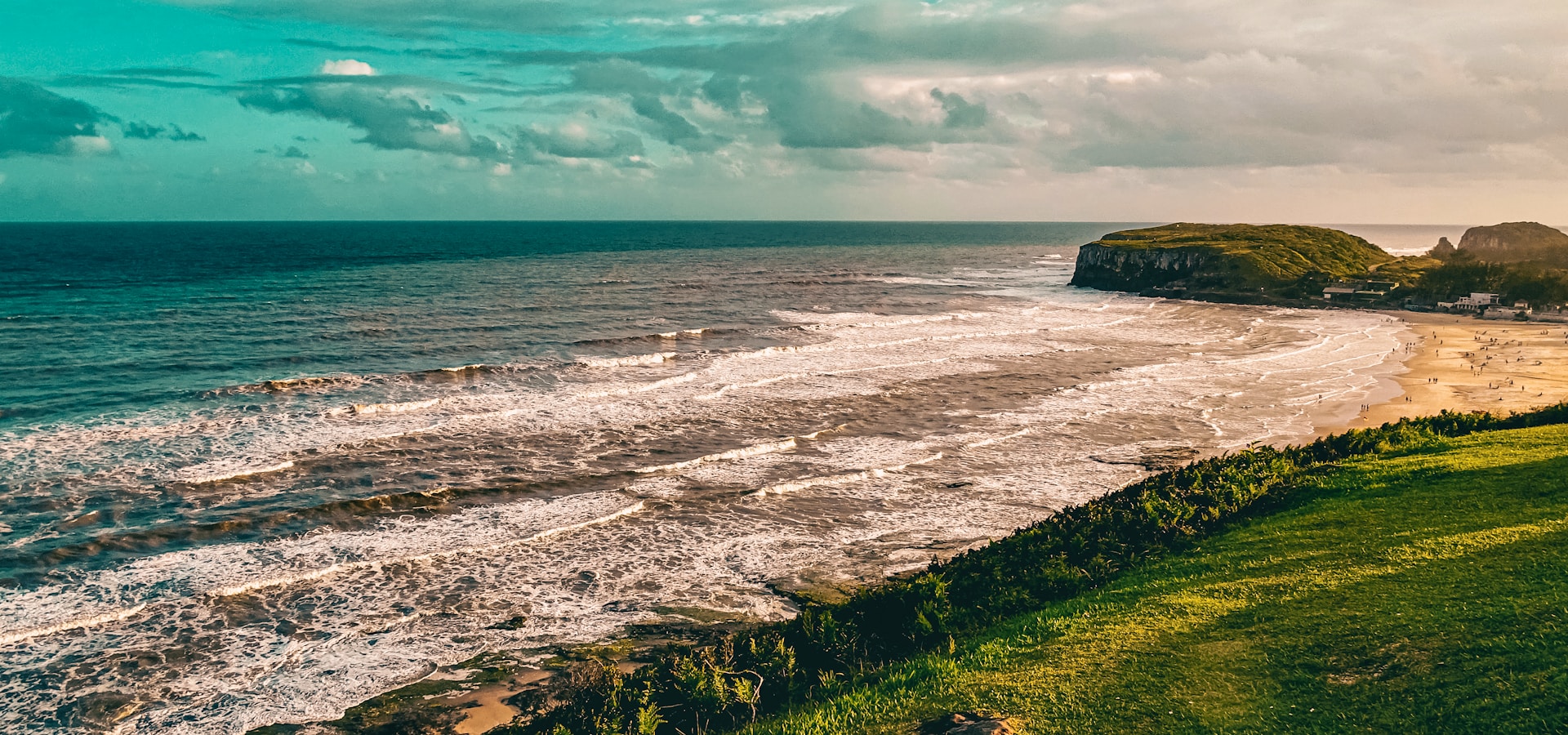
Atlantic-rainforest fishing village 70km north of Ilhéus — Itacaré strings 6 surf beaches along one road, from beginner Tiririca to the hollow 10ft peaks of Hawaiizinho.
About Itacare
Itacaré is a former cacao-and-fishing town on Bahia's Costa do Cacau, where the Mata Atlântica rainforest meets the Atlantic 70km north of Ilhéus. Six named surf beaches sit along a single coastal road, separated by short jungle walks. The marquee wave is Praia do Hawaiizinho — a long, hollow sand-bottom peak that holds 4–10ft on south swells.
The local hub is Praia da Tiririca, a walkable A-frame beach where every surf school sets up. Highway BA-001 paved its way to Itacaré in 1999, turning the village into Brazil's most accessible post-hippie surf town.
Surf level
| Skill level | Jan-Feb | Mar-Apr | May-Jun | Jul-Aug | Sep-Oct | Nov-Dec |
|---|---|---|---|---|---|---|
| Beginners | ||||||
| Intermediate | ||||||
| Advanced |
- Best time to go
- Good time to go
- Ok time to go
- Less desirable time to go
- Not recommended time to go
Weather & Travel Comfort


| Metric | Jan-Feb | Mar-Apr | May-Jun | Jul-Aug | Sep-Oct | Nov-Dec |
|---|---|---|---|---|---|---|
| Weather | ~24–28°C | ~24–28°C | ~22–26°C | ~20–25°C | ~22–26°C | ~23–28°C |
| Rainy days | 16d | 18d | 17d | 17d | 14d | 15d |
| What to Pack |  Water Temperature~28°C Water Temperature~28°C | Water Temperature~29°C | Water Temperature~27–28°C | Water Temperature~26°C | Water Temperature~26°C | Water Temperature~27–28°C |
- Boots if neededFor cold water or reef breaks
- Full protection wetsuitCold water
- Shorty / springsuitMild conditions
- No wetsuitWarm water
Tips for Surfing Itacare
Brazil's Bahian jungle coast strings its beaches together by twenty-minute trails, with Tiririca walkable from town and Hawaiizinho's rips waiting beyond. The four tips below cover beginner basics, the hike-between-breaks reality, and which lineup needs a local check.

Beginners go to Tiririca
Beginners: walk to Praia da Tiririca from town. Group lessons run R$120–R$180 for 2 hours.

Trails between Beaches
Most beaches sit 20–40min apart on jungle trails. Bring water and reef-safe sunscreen.

Boardshorts Year-Round
Water sits 25–29°C all year — boardshorts and a rashguard, no wetsuit needed.
Watch Hawaiizinho Rips
Hawaiizinho generates strong rip currents above 6ft — ask a local before paddling out.
Frequently Asked Questions
When is the best time to surf in Itacaré?
Skill drives the answer. Beginners score from October to April at Tiririca, Resende and Prainha, when 2–4ft sand-bottom peaks and 28°C water make for forgiving sessions. Intermediates peak from April to November — clean S swell, fewer crowds, dry weather through August and September. Advanced surfers come May to September for 4–8ft south swells at Hawaiizinho and Itacarezinho, with light morning offshores grooming the peaks at dawn.
Is Itacaré good for beginners?
Yes. Praia da Tiririca, walking distance from the town square, is the local surf-school hub — A-frame peaks over sand with a beginner corner on small days. Praia do Resende and Prainha are protected pocket beaches that work well when Tiririca crowds up. Avoid Hawaiizinho, Itacarezinho and Jeribucaçu in your first week: bigger swells, longer paddles, and strong rip currents at size. Group lessons run R$120–R$180 for two hours.
How big do the waves get in Itacaré?
Waves run 2–4ft most of the December-to-March summer and 4–8ft from April to November on clean south swells. Praia do Hawaiizinho holds the biggest size — long, hollow sand-bottom peaks up to 6–10ft on the best winter pulses. Praia de Itacarezinho stays rideable up to 8ft thanks to its open exposure. Smaller days send most surfers and every school to Praia da Tiririca and Engenhoca.
Do I need a wetsuit to surf in Itacaré?
No. Water sits between 25°C in August and 29°C in March, so boardshorts plus a rashguard cover every session, year-round. Some surfers add a 1mm thermal top on the cooler August dawns, but a wetsuit is unnecessary. Pack reef-safe sunscreen — the equatorial sun is strong, the rainforest trails between beaches are humid, and zinc on the face is standard. A long-sleeve UV rashguard is the most useful piece of kit.
How do I get to Itacaré from Salvador?
Fastest: fly Salvador (SSA) to Ilhéus Jorge Amado (IOS) in 1 hour, then transfer 1h 15min north by shuttle (around R$80 per seat) or taxi. Driving from Salvador takes 5h 30min via BR-101 plus BA-001. The Águia Branca bus runs Salvador to Itacaré daily — 8 hours, around R$150 one way from the Salvador rodoviária. Inside town, moto-taxis and walking cover the beach circuit; a car is only useful for Itacarezinho or Jeribucaçu.
Where should I stay in Itacaré for surfing?
Stay in Centro / Rua Pedro Longo if you want walkable restaurants, the harbour and a 10-minute stroll to Praia da Tiririca — most surf trips work best here. Pick Praia da Concha for quieter boutique pousadas on the calm town bay, with direct trail access south to Tiririca and Hawaiizinho. Conchas Norte and the inland streets above the harbour are the budget option: hostel beds from R$60 and simple guesthouses from R$150, 10–15 minutes on foot to the beaches.
Other regions in Brazil
The Ultimate Guide to Surfing in Itacare
What makes Itacaré unique
No other Brazilian surf town stitches rainforest and ocean as tightly as Itacaré. The village sits on Bahia's Costa do Cacau, 70km north of Ilhéus, where the Mata Atlântica UNESCO Biosphere Reserve runs straight to the Atlantic. Six named surf beaches line a single coastal road, each separated from the next by a 20–40 minute jungle walk through humid forest. Itacaré stayed a working cacao-and-fishing town through the 1990s, and only became a surf destination once highway BA-001 was paved in 1999. That late arrival is why the village still feels like an Afro-Brazilian fishing port with surf bolted on, rather than a built-out tourism strip. Locals split their week between the harbour, the cacao plantations inland, and the beach circuit. The wider Brazil coast has bigger-name regions, but few that pack this many quality breaks into one walkable town.
Itacaré surf spots by skill level
Praia do Hawaiizinho — "Little Hawaii" — is the marquee. A long, peeling, hollow sand-bottom left-and-right peak that holds 4–10ft on a clean S swell with light NE wind. Reached via a 15-minute jungle trail south of town. Advanced — strong rip currents at size, no easy paddle-out.
Praia da Tiririca is the closest beach to the village and the local surf-school hub. A-frame peaks over sand, walking distance from the main square. Best on small-to-medium S swells with morning offshores. Intermediates, with a beginner corner on small days.
Praia da Engenhoca is a wide sandy beach with multiple peaks spread along a 600-metre stretch — handles crowds well and works through most tide cycles. Intermediates.
Praia de Itacarezinho sits 10km north on the road to Maraú. A long open beach with multiple peaks that holds bigger swells than the in-town breaks. Often near-empty on weekdays. Intermediate to advanced.
Praia de Jeribucaçu is the secluded play — accessed via a 30-minute walk through dense jungle, with empty lineups even on the best days. Sand-bottom peaks, multiple swell windows. Intermediates.
Praia do Resende and Prainha are protected pocket beaches that work as beginner alternatives when Tiririca crowds up. Praia da Concha, the calm bay closest to the harbour, has no surf and serves as the town swimming beach.
When to surf Itacaré: month-by-month
April to November is the prime swell window. South Atlantic lows fire 4–8ft S swells into Hawaiizinho and Itacarezinho, water holds at 26–28°C, and the trade winds drop offshore through the dawn. May, June and July are the most consistent — head-high to overhead at Hawaiizinho roughly half the week, with the rainforest still humid but the sky clearing. August and September are the tactical sweet spot for advanced surfers — clean swell, less rain, water at 25–26°C.
December to March is small-wave summer: 2–4ft most days, 28–29°C water, and beginner-friendly conditions across Tiririca, Resende and Prainha. Rainfall climbs — January and February see roughly 16 rainy days each — but the rain comes in short tropical bursts rather than full storm days. October is the shoulder month: small swell building, fewer crowds, driest weeks of the year.
Where to stay in Itacaré
Centro / Rua Pedro Longo is the main pousada strip — walkable to the harbour, the restaurants on Rua da Pituba, and a 10-minute walk to Praia da Tiririca. Mid-range pousadas run R$300–R$600 a night. Praia da Concha sits a 5-minute walk south of the centre, on the calm town bay — quieter, with several boutique pousadas and direct access to the trail south to Tiririca and Hawaiizinho. Conchas Norte and the inland streets above the harbour are the budget play: hostel beds from R$60, simple guesthouses from R$150, and 10–15 minutes on foot to the beach circuit. Itacarezinho has a few isolated lodges if you want to wake up on the wave.
How to get to Itacaré from Salvador
The closest airport is Ilhéus Jorge Amado (IOS), 1h 15min south by car or scheduled shuttle (around R$80 per seat). Salvador (SSA) is the major regional hub — fly Salvador to Ilhéus in 1 hour, then transfer up the coast. Driving from Salvador takes 5h 30min via the BR-101 plus the BA-001 coast road. The Águia Branca bus runs Salvador to Itacaré daily — 8 hours, around R$150 one way, leaving from the Salvador rodoviária. Once in Itacaré, moto-taxis (R$10–R$25 per ride) and walking cover the beach circuit; you don't need a car unless you plan to surf Itacarezinho or Jeribucaçu daily.
Surf culture in Itacaré
Three schools anchor the lesson scene: Easydrop Surf School Itacaré, Itacaré Surf Camp and Tribo Surf Itacaré — all base out of Praia da Tiririca. Soft-top rentals run R$50–R$80/day, performance shortboards R$80–R$120/day. Surf identity rooted itself here in the late 1990s when Brazilian and international travellers found Hawaiizinho via the newly paved highway. The town's wider culture mixes Bahian axé music, capoeira, and a strong reggae-and-Rastafarian current — sound systems run nightly on Praia da Concha and Rua Pedro Longo. The Pataxó indigenous community lives nearby in Aldeia Pataxó. After your session, eat acarajé from the harbour-side stalls or order moqueca, the Bahian coconut-and-fish stew. One safety note: theft from unattended cars at remote beach trailheads (Jeribucaçu and Itacarezinho especially) has been an ongoing issue — don't leave valuables in the vehicle.