

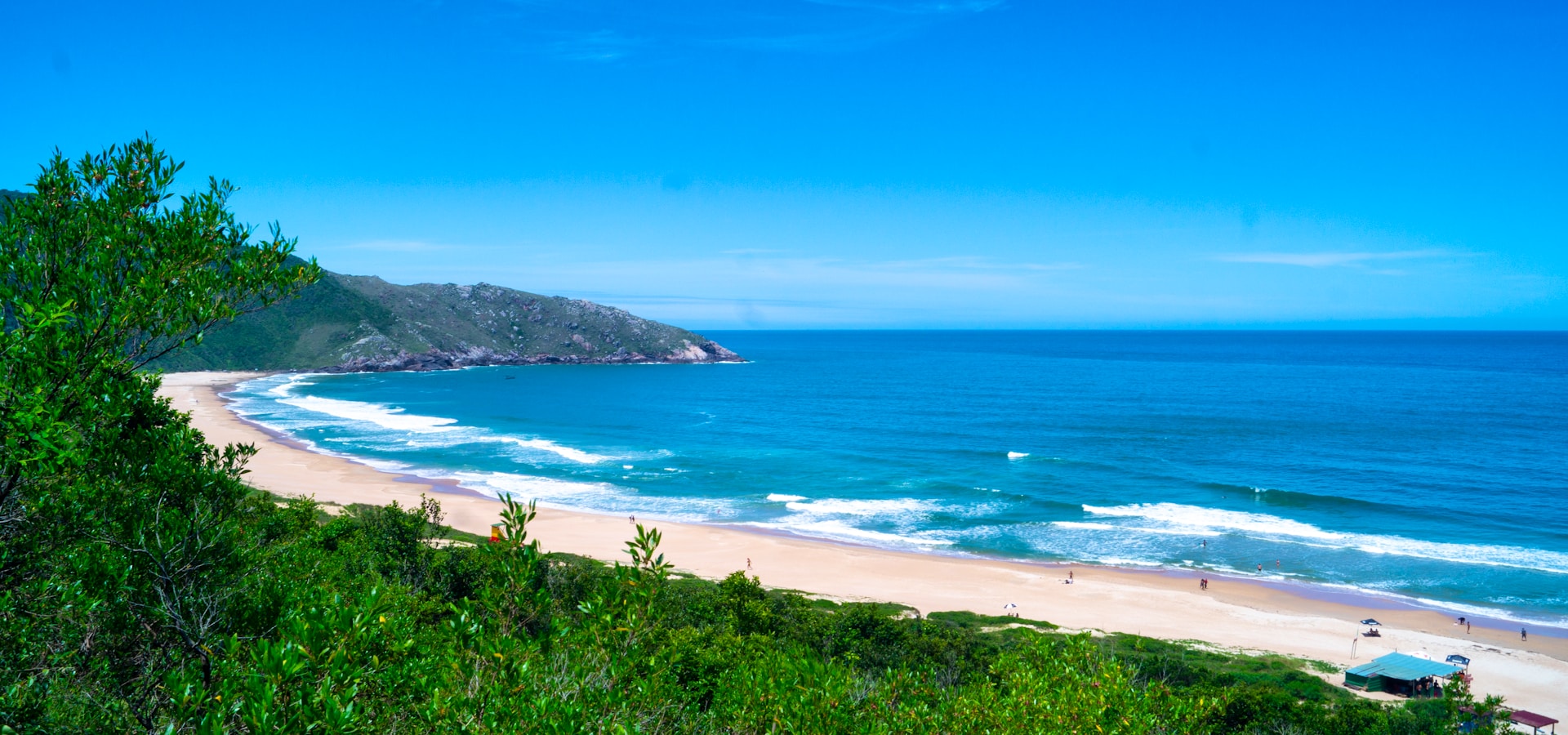
FLORIANOPOLIS
A 50km Atlantic island with 40+ beaches — Florianópolis stacks Joaquina's WSL-history peaks, Praia Mole's A-frames and beginner banks at Barra da Lagoa 30min from FLN.
About Florianopolis
Florianópolis — Floripa to locals — is a 50km Atlantic island off Santa Catarina in southern Brazil, with over 40 named beaches wrapping its coast. The east shore catches Antarctic SE/S swells while the north end picks up summer NE pulses.
Joaquina hosted Brazil's first WSL Championship Tour event in 1986, putting Floripa on the global surf map. Praia Mole is the most consistent intermediate-to-advanced break in town, while Praia da Barra da Lagoa offers a protected river-mouth bank for first sessions.
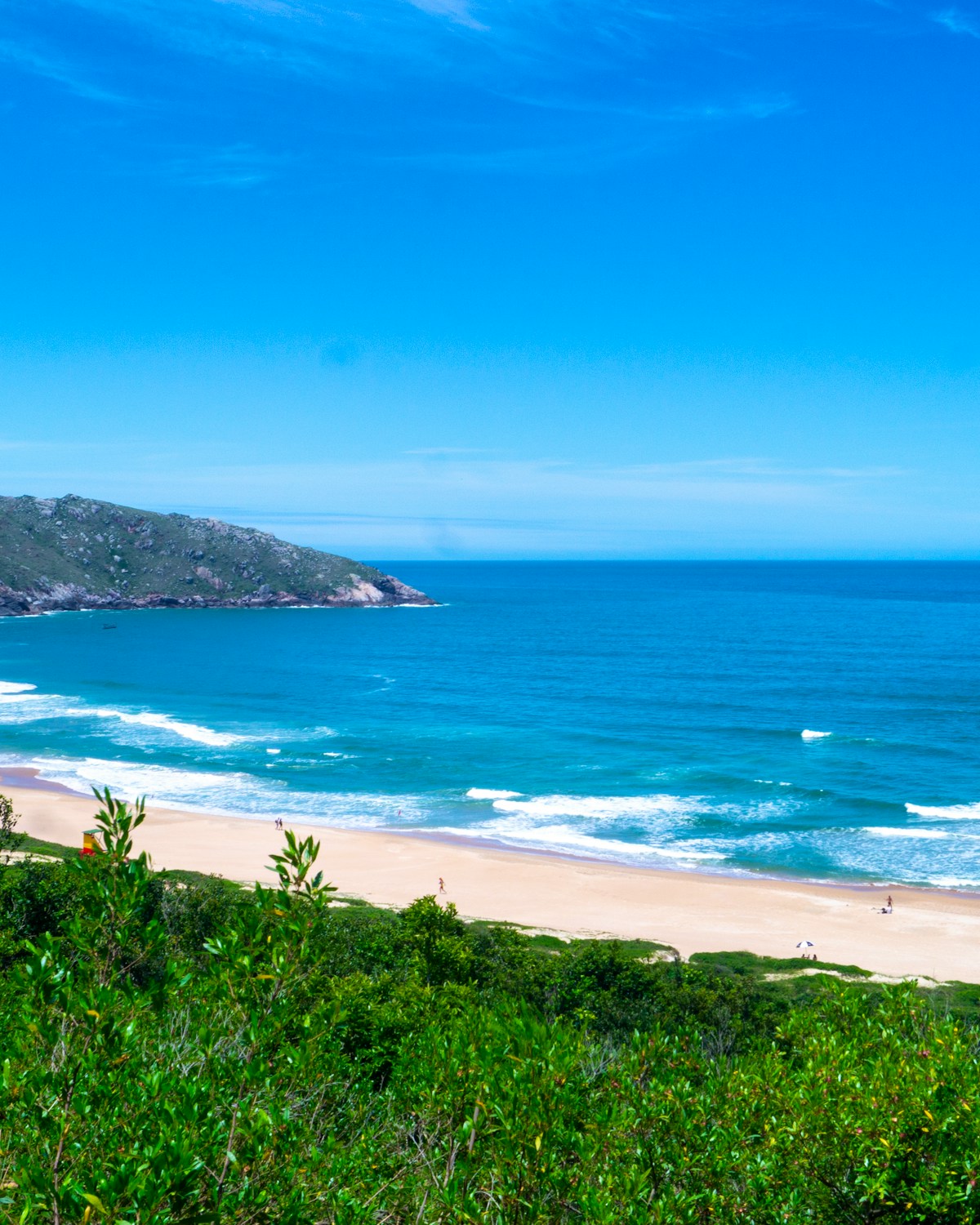
Surf level
| Skill level | Jan-Feb | Mar-Apr | May-Jun | Jul-Aug | Sep-Oct | Nov-Dec |
|---|---|---|---|---|---|---|
| Beginners | ||||||
| Intermediate | ||||||
| Advanced |
- Best time to go
- Good time to go
- Ok time to go
- Less desirable time to go
- Not recommended time to go
Weather & Travel Comfort


| Metric | Jan-Feb | Mar-Apr | May-Jun | Jul-Aug | Sep-Oct | Nov-Dec |
|---|---|---|---|---|---|---|
| Weather | ~23–28°C | ~21–26°C | ~16–21°C | ~14–20°C | ~17–22°C | ~20–25°C |
| Rainy days | 15d | 12d | 7d | 7d | 11d | 12d |
| What to Pack |  Water Temperature~26°C Water Temperature~26°C | Water Temperature~25–26°C | Water Temperature~21–23°C | Water Temperature~18–19°C | Water Temperature~20–22°C | Water Temperature~23–25°C |
- Boots if neededFor cold water or reef breaks
- Full protection wetsuitCold water
- Shorty / springsuitMild conditions
- No wetsuitWarm water
Tips for Surfing Florianopolis
Brazil's Catarinense capital splits between mellow lagoon-fed beaches and Joaquina's notorious rips, where lifeguard flags matter more than the surf report. The four tips below cover Barra da Lagoa for beginners, Joaquina's hazards, and the south-Brazilian pecking order.

Beginners go to Barra
Beginners: head to Barra da Lagoa. Group lessons at Lake's Beach Surf School run R$120–R$180.
Watch the Joaquina Rips
Joaquina has notable rip currents — stay between the lifeguard flags if you're not confident.

Wetsuit by Season
Boardshorts December–March, 2mm shorty April–May and Oct–Nov, 3/2 fullsuit June–September.

Sit Wide at Joaquina
South Brazilian lineups run intense — sit wide at Joaquina for the first three sessions.
Frequently Asked Questions
When is the best time to surf in Florianópolis?
Skill drives the answer. Beginners score from October to April when the east coast goes small and Barra da Lagoa and Brava run gentle 2–4ft banks in 21–26°C water. Intermediates peak from April to November as the swell rebuilds and crowds thin. Advanced surfers come May to September for 4–10ft S/SE Antarctic swells at Joaquina, Mole and Santinho, with cooler 18–20°C water but the cleanest, most consistent surf of the year.
Is Florianópolis good for beginners?
Yes — at the right beach. Praia da Barra da Lagoa, a protected river-mouth break, produces forgiving whitewater banks with friendly schools like Lake's Beach Surf School working the inside. Praia Brava in the north is the second pick when the east coast is firing too big. Avoid Joaquina and Mole in your first week — both have rip currents and dense lineups that intimidate first-time surfers, especially during the June-to-September swell season.
How big do the waves get in Florianópolis?
Waves run 2–6ft through summer (December to February) and 4–10ft from May to September when S/SE Antarctic swells fire. Joaquina holds clean head-high-plus on solid S swell and Praia do Santinho absorbs bigger size when Mole maxes out. Small days send everyone to Barra da Lagoa and Brava. The biggest forecast days of the year hit in July and August, when 8–10ft sets push through the east-coast peaks.
Do I need a wetsuit to surf in Florianópolis?
It depends on the month. Water swings 18–26°C across the year. Boardshorts cover December through March when the water sits at 25–26°C. A 2mm shorty or springsuit handles April–May and October–November as the water dips through 21–23°C. From June through September, wear a 3/2 fullsuit — water bottoms out at 18°C in July and August, the prime swell window. Boots, gloves and hood are unnecessary year-round.
How do I get to Florianópolis from São Paulo?
Flying is fastest: direct flights into Florianópolis-Hercílio Luz Airport (FLN) from São Paulo run about 1h 30min, and the airport sits 30 minutes from the surf beaches by car. Overland, Catarinense runs a 12-hour overnight bus for around R$200. On the island, city buses at R$5.30 connect downtown to Mole, Joaquina and Santinho — slow but functional. Rideshare or a rental car helps for dawn-patrol sessions.
Where should I stay in Florianópolis for surfing?
Stay in Lagoa da Conceição for the surf-cultural centre — açaí, post-session pizza, weekend samba, and 10 minutes by car to Mole, Joaquina and Barra. Pick Praia Mole or Barra da Lagoa for walking-distance access to the water and a quieter low-rise feel. Santinho and Ingleses in the north are the budget option, with direct access to the north-end beaches when the east coast goes flat in summer.
Other regions in Brazil
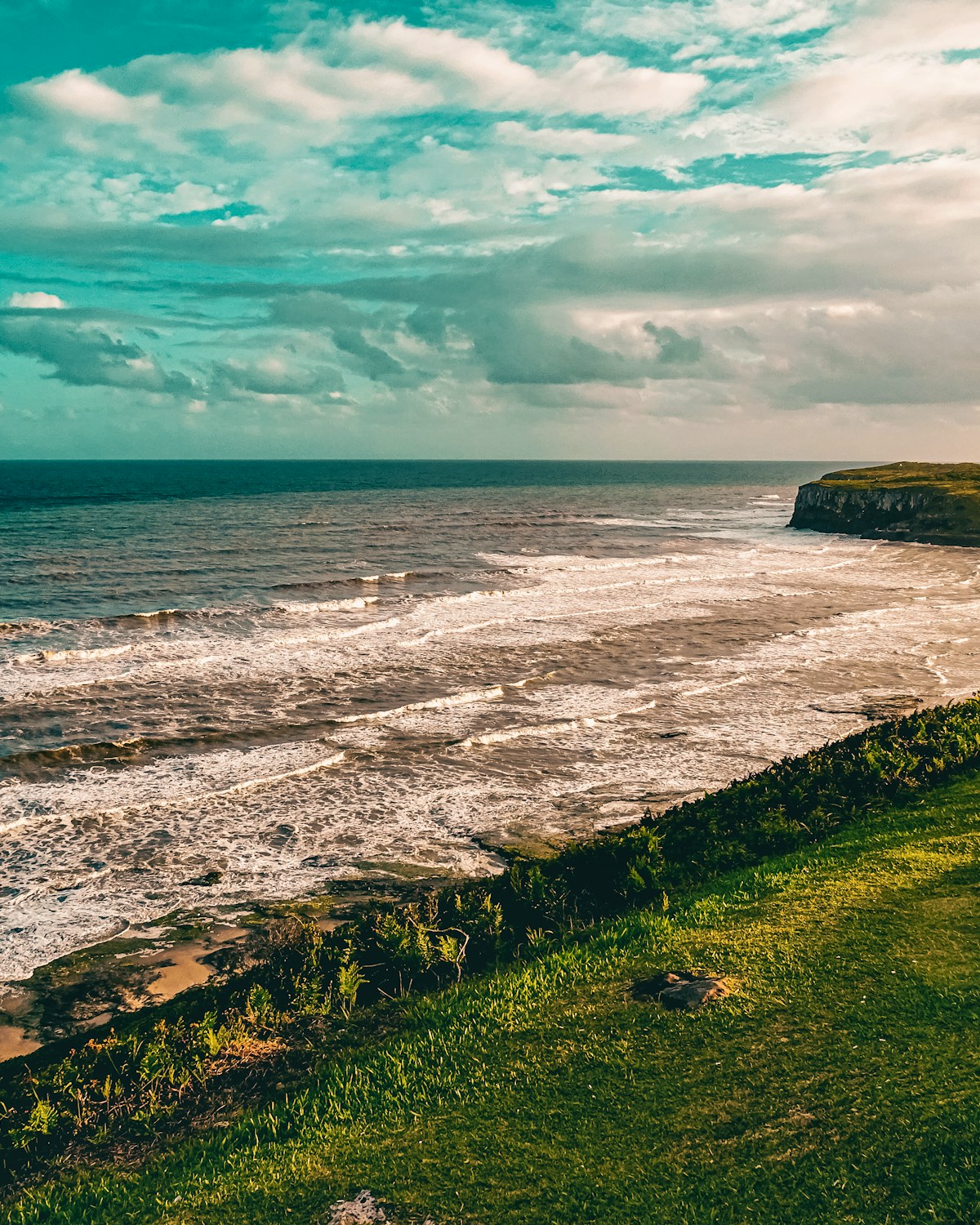
The Ultimate Guide to Surfing in Florianopolis
What makes Florianópolis unique
Floripa is a 50-kilometre Atlantic island, the capital of Santa Catarina state, and the surf capital of Brazil after Saquarema. Over 40 named beaches wrap the coast, which means a working wave on almost any wind: the east shore (Mole, Joaquina, Galheta, Moçambique) faces Antarctic SE and S swells from May to September, while the north end (Santinho, Brava) picks up NE pulses through the summer. The defining historical fact: in 1986, Joaquina hosted Brazil's first WSL Championship Tour event, lighting the fuse on three decades of Brazilian-Storm professional surfing — Adriano de Souza and Yago Dora both cycled through Floripa's competition scene. The cultural anchor is the Lagoa da Conceição neighbourhood: açaí bowls, post-session pizza, and live samba on weekends. The island's manezinho dialect — Azorean-influenced Portuguese — is part of the local identity, and a reminder that Floripa is its own thing, not a São Paulo annex.
Florianópolis surf spots by skill level
Praia Mole is the marquee. A long, wide beach in the middle of the east coast with multiple A-frame peaks over a sand bottom; works on SE-to-S swell with W offshore wind. The town's most consistent break and the social heart of the local lineup. Intermediate to advanced.
Joaquina is the historical wave. Long sand-bottom beach with multiple peaks that hold head-high-plus on a clean S swell, hosted Brazil's first WSL CT event in 1986, and still runs regional comps every winter. Intermediate to advanced — and watch for rip currents.
Praia da Galheta is the secluded option. A 30-minute walk south of Mole through a coastal trail, sand-bottom A-frames, far fewer surfers. Intermediate.
Praia do Santinho sits on the north-east corner. Long peeling rights and lefts that hold bigger size when the south swells overwhelm Mole. Intermediate to advanced.
Praia da Barra da Lagoa is the beginner basecamp — a protected river-mouth beach with gentle whitewater banks and every school in the region working the inside. Beginners.
Praia Brava in the north is the beginner-to-intermediate alternative when the east coast is firing too big, and Praia do Moçambique — at 12km, the longest and emptiest beach on the island — offers multiple peaks for surfers willing to walk in. Matadeiro in the south and Lagoinha do Leste (a 1-hour hike-in) round out the menu.
When to surf Florianópolis: month-by-month
Southern Hemisphere — January is summer. December to February brings 2–4ft warm-water sessions, 26°C water, and beginner-friendly banks at Barra and Brava; the east coast is small and the schools run dawn-to-dusk. Carnaval in February shuts the island down — avoid late February unless you want to be part of it. March to May is the shoulder: 3–6ft, water cooling from 26°C to 23°C, fewer crowds, and the first real S swells filling in. June to September is the prime window — 4–10ft S/SE Antarctic swells fire through, water sits at 18–20°C, and Joaquina, Mole and Santinho all run head-high or bigger on forecast days. October and November rebuild: 3–5ft, water climbing back through 21–23°C, and the lineup empties before the December crowd arrives.
Where to stay in Florianópolis
Lagoa da Conceição is the surf-cultural centre and the obvious pick — central on the island, 10 minutes by car or bus to Mole, Joaquina and Barra, and the place where most surfers eat, drink and gather between sessions. Praia Mole and Barra da Lagoa put you walking distance to the water, with a quieter low-rise feel and slightly higher nightly rates in summer. Praia do Santinho and Ingleses in the north are the budget play: cheaper rooms, lower density, and direct access to the north-end beaches when the east coast goes flat. The downtown core (Centro) is convenient for the bus terminal but a 30-minute commute to any surf.
How to get to Florianópolis from São Paulo
Fly into Florianópolis-Hercílio Luz Airport (FLN) — direct flights from São Paulo run 1h 30min, from Rio 2h, and direct services come in from Buenos Aires. The airport sits 30 minutes from the surf beaches by car. Overland from São Paulo, Catarinense runs a 12-hour overnight bus for around R$200. Once on the island, city buses at R$5.30 connect downtown to Mole, Joaquina and Santinho — the network is functional but slow; rent a car or use rideshare if you're surfing dawn patrol. For deeper background on the country see the Visit Brasil tourism board and the Lonely Planet Florianópolis overview.
Surf schools, gear rentals and local culture
Four schools anchor the lesson scene: Lake's Beach Surf School in Lagoa da Conceição, Joaca Surf School, Praia Mole Surf School and Off Shore Surf Club — useful reference points whether you book with them or not. Soft-top rentals run R$60–R$100/day, performance shortboards R$120–R$180/day, with limited longboard stock at the Lagoa shops.
A word on the local lineup: south Brazilian crews can be intense and Joaquina especially runs a tight pecking order during winter. Sit wide for your first three sessions, learn the names of the regulars, and the wave count opens up. Praia do Moçambique is unguarded for kilometres at a time — surf with someone, and stay between the lifeguard flags at Joaquina if you're not confident in heavy beach rips. For broader environmental context on Brazilian breaks, Save The Waves tracks coastal-protection campaigns up and down this coast.