

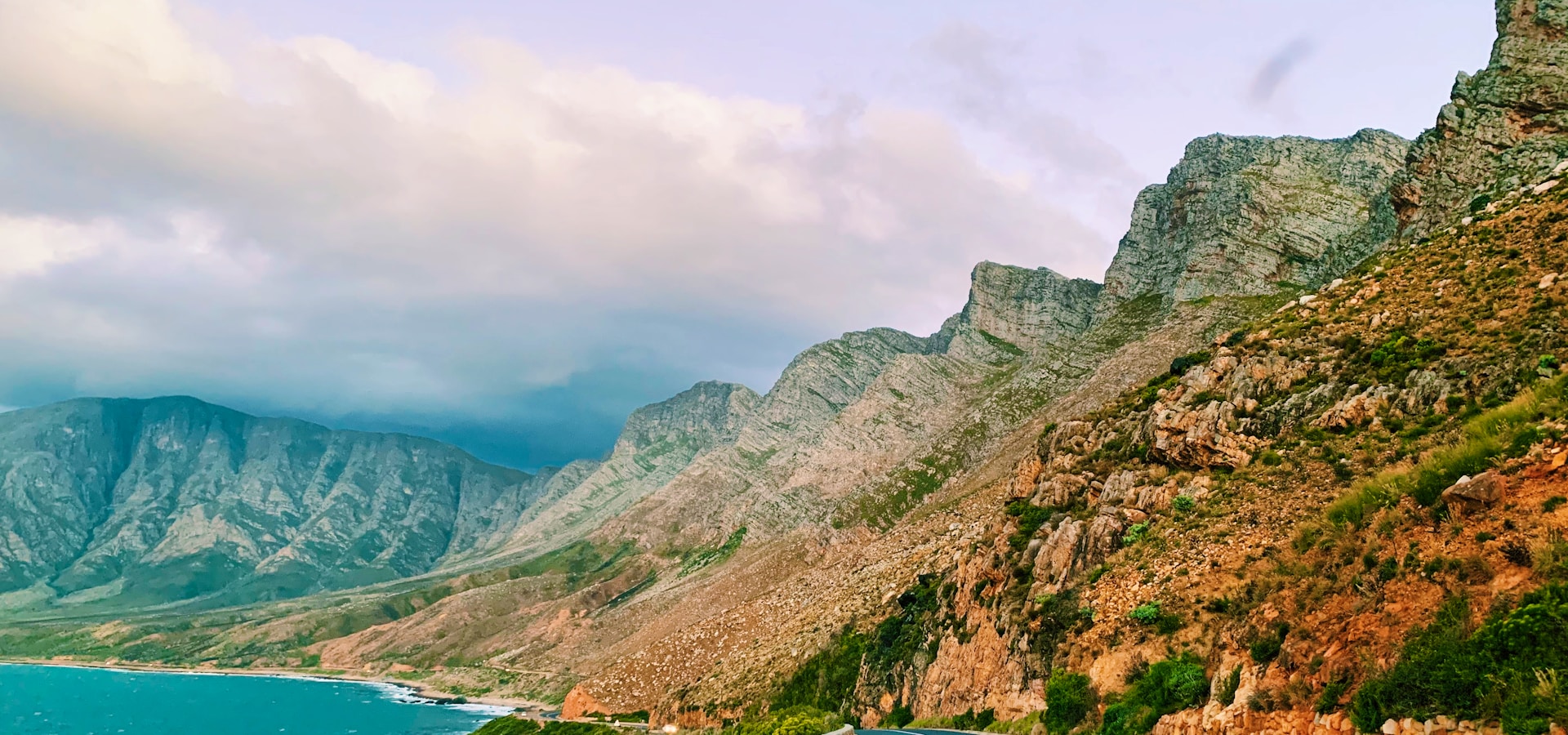
CAPE TOWN
Two oceans, one city — Cape Town pairs cold Atlantic reefs at Kommetjie and Llandudno with warmer False Bay beach breaks at Muizenberg, all inside a 30-minute drive.
About Cape Town
Cape Town sits at the meeting of two oceans, splitting its surf into two distinct coasts. The cold Atlantic seaboard delivers heavy reefs at Llandudno, Long Beach Kommetjie and the big-wave slab at Dungeons in Hout Bay — South Africa's premier 25ft+ tow-in arena.
A 30-minute drive over the mountain reaches the milder False Bay side, where Muizenberg is the country's beginner mecca and the wave Jordy Smith and Shaun Tomson learned on. Same morning, two oceans, two wetsuit thicknesses.
Surf level
| Skill level | Jan-Feb | Mar-Apr | May-Jun | Jul-Aug | Sep-Oct | Nov-Dec |
|---|---|---|---|---|---|---|
| Beginners | ||||||
| Intermediate | ||||||
| Advanced |
- Best time to go
- Good time to go
- Ok time to go
- Less desirable time to go
- Not recommended time to go
Weather & Travel Comfort


| Metric | Jan-Feb | Mar-Apr | May-Jun | Jul-Aug | Sep-Oct | Nov-Dec |
|---|---|---|---|---|---|---|
| Weather | ~18–23°C | ~16–21°C | ~12–17°C | ~11–15°C | ~13–17°C | ~16–21°C |
| Rainy days | 2d | 4d | 8d | 7d | 6d | 4d |
| What to Pack |  Water Temperature~18°C Water Temperature~18°C | Water Temperature~16–17°C | Water Temperature~15–16°C | Water Temperature~15°C | Water Temperature~15–16°C | Water Temperature~17–18°C |
- Boots if neededFor cold water or reef breaks
- Full protection wetsuitCold water
- Shorty / springsuitMild conditions
- No wetsuitWarm water
Tips for Surfing Cape Town
Cape Town's two coasts sit three degrees apart in water temp and need completely different gear — Atlantic side demands 4/3 plus booties, False Bay drops to 3/2 in summer. The four tips below cover Muizenberg, Shark Spotters flags, and Atlantic locals.

Start at Muizenberg
Beginners: book at Muizenberg. Group lessons run R450–R650 for 2 hours.
Check Shark Spotters Flag
Check the Shark Spotters flag at Muizenberg, Fish Hoek or Kalk Bay before paddling out.

Two Coasts, Two Suits
Atlantic side: 4/3 plus booties year-round. False Bay: 3/2 Nov–April, 4/3 May–October.

Sit Wide on the Atlantic
Outer Kom and Crayfish Factory locals enforce a pecking order — sit wide initially.
Frequently Asked Questions
When is the best time to surf in Cape Town?
Skill drives the answer. Beginners score November to February at Muizenberg, when False Bay sits at 19–20°C and 1–3ft mush rolls in at dawn before the South Easter wakes up. Intermediates peak September to April with clean shoulder swell on both coasts. Advanced surfers come March to October for 4–10ft Atlantic reefs at Outer Kom, Llandudno and Long Beach Kommetjie, with SE offshore winds grooming the lineup.
Is Cape Town good for beginners?
Yes — and Muizenberg is the wave to learn on. False Bay's flagship beach break has a wide sand bottom, gentle whitewater year-round, and a school cluster that runs daily lessons. Shaun Tomson and Jordy Smith both started here. Avoid the Atlantic reefs at Kommetjie, Llandudno and Outer Kom in your first weeks — they're cold, heavy, and the locals enforce a strict pecking order on outsiders.
How big do the waves get in Cape Town?
Waves run 2–10ft across most of the peninsula and Dungeons at Hout Bay holds 25–50ft on the right SW swell, breaking under the Sentinel mountain on tow. Long Beach Kommetjie holds 3–8ft cleanly, Llandudno caps out around 10ft, and Outer Kom runs 6–12ft on big winter pulses. Muizenberg stays under 4ft year-round, which is why it works for learners.
Do I need a wetsuit to surf in Cape Town?
Yes, year-round, and the thickness depends on the coast. The Atlantic side (Kommetjie, Llandudno, Hout Bay) sits at 12–18°C — wear a 4/3 fullsuit with optional booties every month of the year. False Bay (Muizenberg, Kalk Bay) runs warmer at 15–20°C — a 3/2 covers November through April, and a 4/3 handles May through October. Pack the warmer suit if you plan to surf both coasts.
How do I get to Cape Town from the airport?
Fly into Cape Town International (CPT) — hourly domestic links from Johannesburg and Durban, plus direct long-haul flights from Europe and the Middle East. To Muizenberg, take the Metrorail Southern Line train from Cape Town Station — around R20 and 35 minutes — or Uber for R200–R300 in 30 minutes. Atlantic-side breaks have no rail link, so book a rental car at the airport for Kommetjie or Llandudno trips.
Where should I stay in Cape Town for surfing?
Stay in Muizenberg or St James if you're learning or want walkable beach access plus a Metrorail link to the city — best base for a False Bay trip. Pick Kommetjie or Scarborough if you're chasing the Atlantic reefs at Long Beach and Outer Kom; cottages and self-catering, but a rental car is required. Camps Bay, Sea Point and the City Bowl sit central with 25-minute drives to both coasts and stronger dinner options.
Other regions in South Africa
The Ultimate Guide to Surfing in Cape Town
What makes Cape Town unique
No other surf city straddles two oceans the way Cape Town does. The Cape Peninsula juts 50km south of the city centre, splitting the coast into the cold Atlantic seaboard on the west and the milder False Bay on the east. The same surfer can paddle out at a 12°C reef in Kommetjie before lunch and a 19°C beach break at Muizenberg in the afternoon — separated by a 30-minute drive over the Constantiaberg mountain. That geographic split, plus the fact that Dungeons at Hout Bay is one of the planet's recognised big-wave reefs, is why Cape Town shows up on most serious surf-trip shortlists for South Africa. Surfing arrived at Muizenberg in the 1960s with Baron Stiglich and a small Cape Town pioneer crew; six decades later, Jordy Smith — the country's most decorated modern pro — learned at Long Beach Kommetjie and still surfs the peninsula when he's home.
Cape Town surf spots by skill level
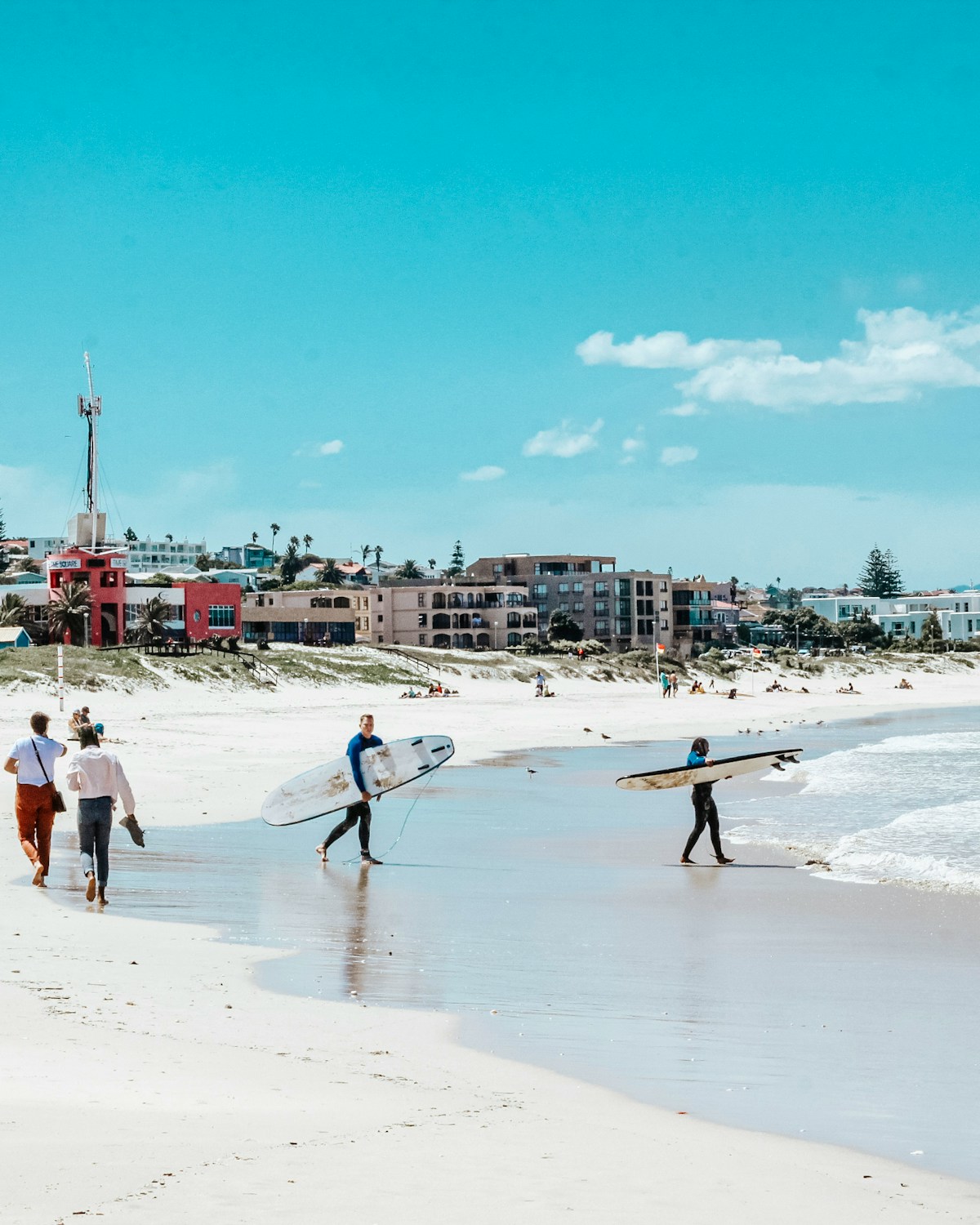
Muizenberg is False Bay's wide sand-bottom beach, fronted by the famous coloured beach huts. South Africa's beginner mecca; whitewater rolls in year-round and the bottom is forgiving. Beginners.
Long Beach Kommetjie is the Atlantic side's most consistent intermediate wave. A long peeling left and right beach break that holds 3–8ft on SW-to-W swell. Cold water, but rideable almost any day a swell hits. Intermediates.
Llandudno is a punchy beach break tucked under granite cliffs on the Atlantic. It handles 4–10ft on solid SW pulses and gets heavy fast. Intermediate to advanced.
Outer Kom is the reef break off Kommetjie's headland — a long left that holds 6–12ft cleanly on big SW-W swell with SE offshore. Tight local crew. Advanced only.
Dungeons in Hout Bay is the marquee — a deep-water big-wave reef under the Sentinel mountain that breaks at 25ft and up. Tow-in territory. Hosted Red Bull Big Wave Africa from 1999 to 2008. Big-wave only.
Crayfish Factory is an exposed Atlantic reef near Kommetjie, fast and cold. Advanced.
Kalk Bay Reef is False Bay's mellower right reef, Witsands an uncrowded sand-bottom beach further south — both intermediate options when Muizenberg blows out.
When to surf Cape Town: month-by-month
Cape Town runs a Southern-Hemisphere calendar — January is summer, July is winter. March to October is when the Atlantic reefs come alive. Long-period SW swell stacks in, water cools to 14–15°C, and SE offshore winds groom Outer Kom and Llandudno on clean mornings. Wave height runs 4–10ft on the open-coast reefs and Dungeons starts firing at 20ft+ on the biggest swells. November to February is summer mode: the howling South Easter (the local nickname is the Cape Doctor) blows almost daily from late morning, so dawn patrols are mandatory. Atlantic side runs 2–5ft, water lifts to 17–18°C, and False Bay turns on for beginners with 1–3ft mush at 19–20°C — peak Muizenberg season. September and April are the shoulders: cleanest mornings, swell still firing, lighter winds.
Where to stay in Cape Town
Muizenberg and St James put you 30 seconds from the country's most accessible beginner break, with the Metrorail line running back into the city. Best base for a learning trip; mid-range nightly rates. Kommetjie and Scarborough are the Atlantic-side play — cottages and self-catering close to Long Beach, Outer Kom and Crayfish Factory, but you need a rental car. Camps Bay, Sea Point and the City Bowl sit central and put you 25 minutes from both coasts; higher prices, but the dinner-and-nightlife tradeoff makes sense for non-daily surfers.
How to get to Cape Town from the airport
Cape Town International (CPT) is the gateway, with hourly domestic flights from Johannesburg and Durban and direct long-haul links to London, Amsterdam and Doha. To Muizenberg: 30 minutes by car (Uber R200–R300), or take the Metrorail Southern Line train from Cape Town Station to Muizenberg — around R20, 35 minutes, scenic coastal ride. The Atlantic-side breaks at Kommetjie, Llandudno and Hout Bay have no rail link, so a rental car is required. Allow 45 minutes from the airport to Kommetjie via the M5 and Ou Kaapse Weg.
Surf schools, gear rentals and local culture
Three schools anchor the Muizenberg lesson scene: Stoked School of Surf is the longest-running, Surf Emporium runs the biggest rental fleet, and Roxy Surf Club Muizenberg covers the women's and kids' programmes. Cape Town Surf School rounds out the menu. Group lessons run R450–R650 for 2 hours; soft-top rentals are R150–R250 per day, performance shortboards R300–R400.
A word on safety: white sharks are present in False Bay, and the Shark Spotters programme — a paid spotter network with elevated lookouts, a flag system (green, black, red, white) and a clear-the-water siren — covers Muizenberg, Fish Hoek and Kalk Bay daily. Always check the flag colour before paddling out. On the Atlantic side, breaks are cold and frequently empty — never surf alone, and locals at Outer Kom and Crayfish Factory expect three sit-wide sessions before you join the inside rotation. Get the etiquette right and the wave count opens up.