

RINCON
Puerto Rico's western tip catches winter NW Atlantic swells the rest of the Caribbean misses — Rincón packs 6+ named breaks plus the Tres Palmas big-wave reef.
About Rincon
Rincón sits on the western tip of Puerto Rico, a 15,000-population town on the Mona Passage that catches winter NW Atlantic swells the rest of the Caribbean simply misses. The 1968 ISA World Surfing Championships at Domes put the town on the global map, and locals have called it The Caribbean Pipeline ever since.
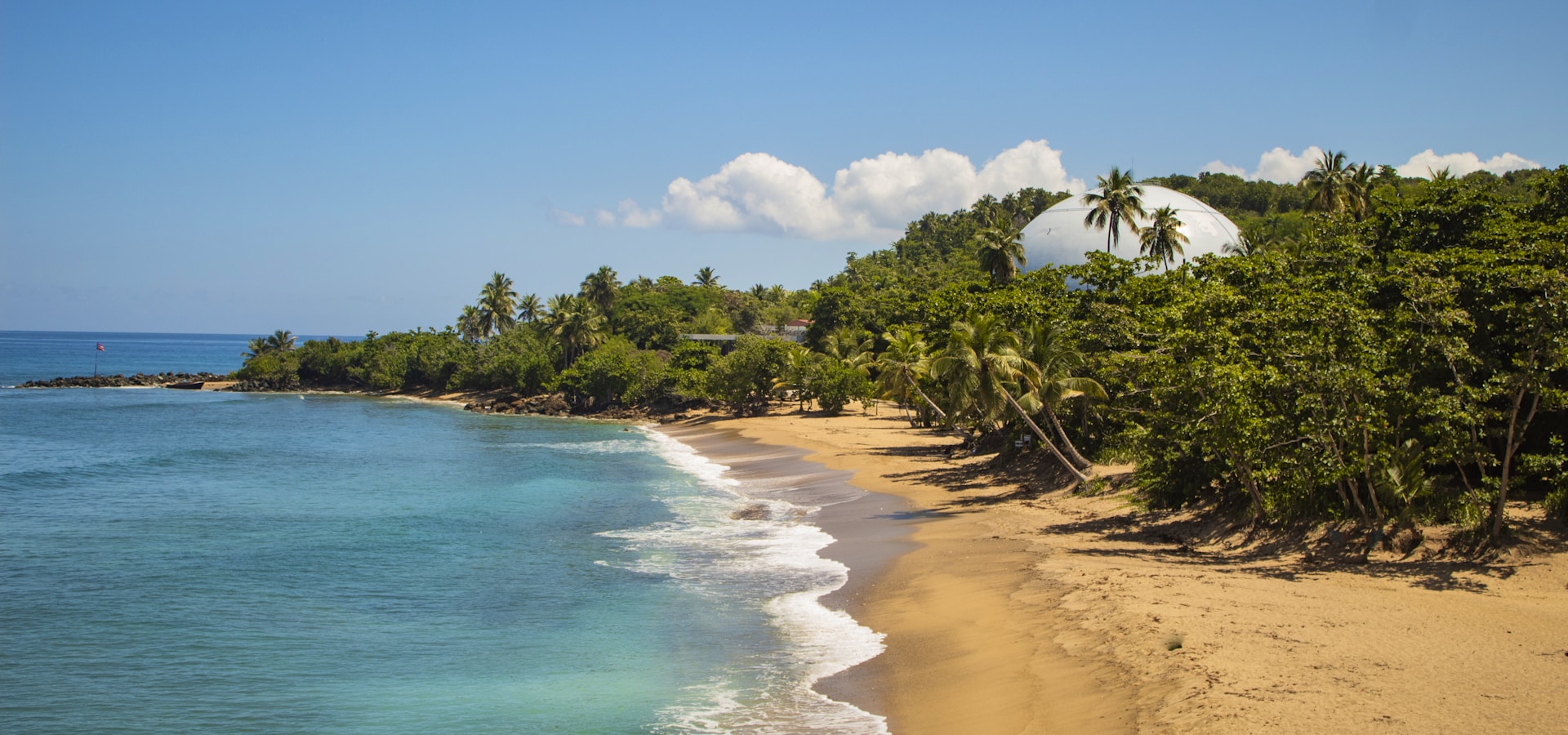
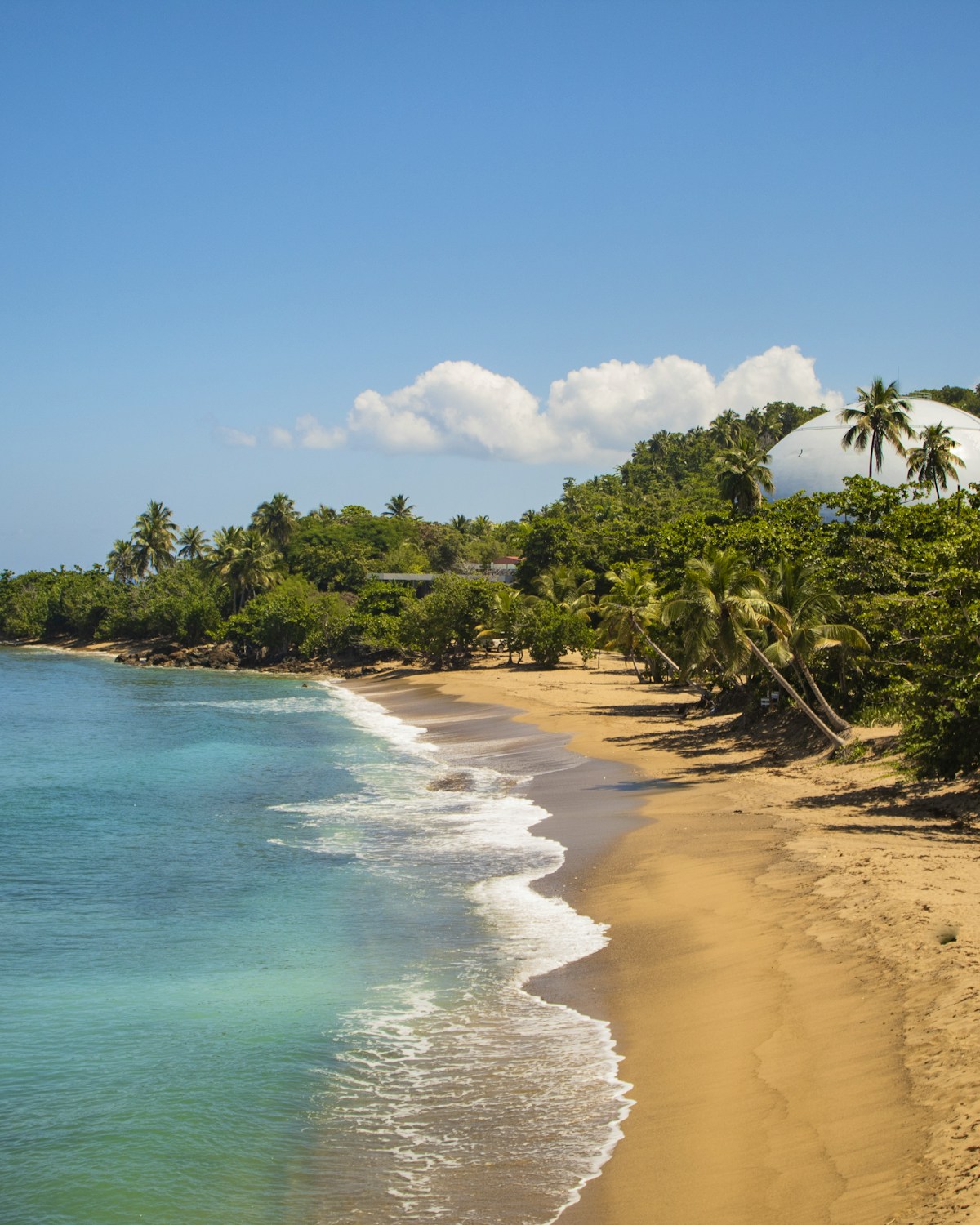
The marquee wave is Tres Palmas, a big-wave reef holding 15–25ft+ inside Puerto Rico's first surf-protected marine reserve. María's is the long peeling left, and Domes is the A-frame reef under the decommissioned reactor dome.
Surf level
| Skill level | Jan-Feb | Mar-Apr | May-Jun | Jul-Aug | Sep-Oct | Nov-Dec |
|---|---|---|---|---|---|---|
| Beginners | ||||||
| Intermediate | ||||||
| Advanced |
- Best time to go
- Good time to go
- Ok time to go
- Less desirable time to go
- Not recommended time to go
Weather & Travel Comfort


| Metric | Jan-Feb | Mar-Apr | May-Jun | Jul-Aug | Sep-Oct | Nov-Dec |
|---|---|---|---|---|---|---|
| Weather | ~22–29°C | ~23–29°C | ~25–30°C | ~26–31°C | ~25–30°C | ~24–29°C |
| Rainy days | 5d | 9d | 12d | 13d | 13d | 6d |
| What to Pack |  Water Temperature~26–27°C Water Temperature~26–27°C | Water Temperature~27°C | Water Temperature~28°C | Water Temperature~29°C | Water Temperature~29°C | Water Temperature~28–29°C |
- Boots if neededFor cold water or reef breaks
- Full protection wetsuitCold water
- Shorty / springsuitMild conditions
- No wetsuitWarm water
Tips for Surfing Rincon
Puerto Rico's western surf town runs October through March on Atlantic NW swell, with Tres Palmas only firing on the biggest pulses. The four tips below cover Sandy Beach for beginners, the winter window, and which urchin-covered reefs need booties from session one.

Beginners Go to Sandy
Beginners: head to Sandy Beach or Pools. Group lessons run $60–$80 for 2 hours.

Surf the Winter Pulses
October–March delivers the real swell. Tres Palmas only fires on big winter NW pulses.

Skip the Wetsuit
Water sits 26–29°C year-round — boardshorts and a rashguard. No wetsuit needed, ever.
Booties at the Reefs
María's, Domes and Spanish Wall are urchin-covered coral. Bring booties and sit wide first session.
Frequently Asked Questions
When is the best time to surf in Rincón?
Skill drives the answer. Beginners score year-round at Sandy Beach and Pools, with the calmest 2–4ft conditions from June to September. Intermediates peak from October to March, when 4–8ft NW Atlantic swells groom María's, Domes and Indicators with morning offshores. Advanced surfers wait for November to February for Tres Palmas to fire — that's when 15–25ft+ pulses arrive every two to three weeks on giant North Atlantic lows.
Is Rincón good for beginners?
Yes — and year-round. Sandy Beach is the lesson basecamp: a long sand-bottom beach with multiple gentle peaks and warm 26–29°C water that lets you stay in for hours without a wetsuit. Pools is the sheltered pocket for true first-timers. Avoid María's, Domes and Spanish Wall in your first week: they break over urchin-covered coral and the regulars enforce a clear pecking order on busy winter days.
How big do the waves get in Rincón?
Waves run 2–4ft most of summer and 4–12ft from October to March. Tres Palmas is the outlier: it holds 15–25ft+ on giant winter NW Atlantic pulses, paddled and towed, and is one of the few spots in the Caribbean that absorbs that size. Domes picks up most winter swell at 4–10ft, and María's stays rideable up to 8ft. Summer flattens to fun beginner mush on most days.
Do I need a wetsuit to surf in Rincón?
No. Water sits between 26°C in February and 29°C in September — warm enough year-round that boardshorts and a rashguard cover every session. The rashguard is for sun protection during long winter sessions, not warmth. Booties are the only neoprene worth packing: María's, Domes and Spanish Wall break over urchin-covered coral, and the entries can shred bare feet if you're not careful.
How do I get to Rincón from San Juan?
Drive west on Hwy 22 to Hwy 2 for about 2h 30min — a rental car from San Juan (SJU) airport runs $35–60/day and is the simplest option. The públicos shared-van system runs to the west coast for $20–30 per person but service is irregular. Faster: fly directly into Rafael Hernández (BQN) in Aguadilla, 30 minutes north, on direct flights from New York, Newark or Orlando.
Where should I stay in Rincón for surfing?
Stay in Puntas if you want hillside rentals overlooking María's, Domes and Indicators with a 5-minute walk to the breaks and the bar scene up the hill — most surf trips work best here. Pick Sandy Beach / Stella if you're learning or travelling with kids: flat ground next to the beginner sand banks, quieter at night. Rincón pueblo is the budget option, with lower rates and a 5-minute drive to every break.
The Ultimate Guide to Surfing in Rincon
What makes Rincón unique
Rincón is the surf town that turned the Caribbean into a real winter destination. Most of the Caribbean sits in a swell shadow — but Rincón juts out on the western tip of Puerto Rico, facing the Mona Passage, which means North Atlantic swells generated by winter low-pressure systems off the US East Coast wrap straight onto its reefs. The 1968 ISA World Surfing Championships were held at Domes, an event that put the town on the global surf map and earned the local nickname The Caribbean Pipeline. In 2004, after a multi-year campaign by local surfers and the Save The Waves Coalition, the Tres Palmas Marine Reserve was designated — Puerto Rico's first surf-protected zone, built around the elkhorn-coral reef beneath the area's biggest wave. The town is sleepy: 15,000 people, salsa and reggaetón on the radio, Spanglish in the cafes, and the Punta Higüero lighthouse standing sentry above the lineups.
Rincón surf spots by skill level
Tres Palmas is the marquee. A serious big-wave reef that holds 15–25ft+ on giant winter NW pulses, paddled and towed, breaking inside the protected marine reserve. Advanced and big-wave only — never paddle out without a local on a real day.
María's (also called Bonus Beach) is the long peeling left reef south of the lighthouse, with a hollow inside section over urchin-covered coral. Intermediate to advanced.
Domes is the A-frame reef directly in front of the BONUS nuclear-reactor dome (decommissioned 1976) — holds 4–10ft, picks up most winter NW swell, and is the spot where the 1968 World Championships ran. Advanced.
Indicators is a long right point next to María's that links up on bigger swells. Intermediate to advanced.
Spanish Wall sits exposed near Domes and breaks fast over coral. Advanced.
Steps is a short reef break with a literal stairway entry. Intermediate.
Sandy Beach is the long sand-bottom beach with multiple peaks and the lesson basecamp from October through March. Beginner to intermediate.
Pools is the sheltered beginner pocket — knee-to-waist whitewater, ideal for first standups.
When to surf Rincón: month-by-month
October to March is the season. Waves run 4–12ft on stacked North Atlantic NW swell, with 26–28°C water and trade winds light or offshore at dawn. Tres Palmas peaks in November to February, when 15–25ft pulses arrive every two to three weeks. April to June is the shoulder — 2–4ft mush most days, water climbing to 27°C, schools moving to Sandy Beach and Pools, and the points going quiet. July to September is small-wave summer: 2–4ft, glassy 28–29°C water, occasional tropical-system pulse, and prime conditions for true beginners. Rain peaks August to October, with 12–14 rainy days a month, but most fronts pass quickly.
Where to stay in Rincón
Puntas neighborhood is the obvious surfer pick. Hillside guesthouses and rentals overlooking María's, Domes and Indicators, with a 5-minute walk to the lineups and the bar scene at the top of the hill. Sandy Beach / Stella puts you on flat ground next to the beginner-friendly sand banks, ideal if you're learning or travelling with kids — quieter at night, longer drive to Tres Palmas. Rincón pueblo (the town centre) is the budget play: lower nightly rates, panaderías and supermercados within walking distance, and a 5-minute drive to every break.
How to get to Rincón from San Juan
The closest airport is Rafael Hernández (BQN) in Aguadilla, 30 minutes north of Rincón, with direct flights from New York, Newark and Orlando — book this if the schedule works. Most visitors land at San Juan (SJU), the major hub, and drive 2h 30min west on Hwy 22 then Hwy 2. The públicos shared-van system runs from San Juan to the west coast for $20–30 per person, but service is irregular — expect long waits. A rental car is the realistic call: $35–60/day from either airport, and break-to-break flexibility is the whole point of a Rincón trip.
Surf schools, gear rentals and local culture
Three operators anchor the lesson scene: Rincón Surf School, Mar Azul Surf School and Surf 787 Rincón — useful reference points whether you book with them or not. Group lessons run $60–80 for two hours; soft-top rentals run $25–35/day, performance shortboards $40–55/day, longboards $40–50/day. Most shops cluster along Hwy 413 above Sandy Beach.
Rincón's surf identity is half American expat, half Puerto Rican working-class, and the lineup reflects it. Locals respect commitment over volume — sit wide your first session, give clear waves to the regulars, and the wave count opens up by your third paddle out. Tres Palmas is the exception: it's a serious big-wave arena and not a place to introduce yourself to the lineup. For deeper context on Puerto Rico's coast and culture, Discover Puerto Rico and Lonely Planet Puerto Rico are useful reads before you fly.