

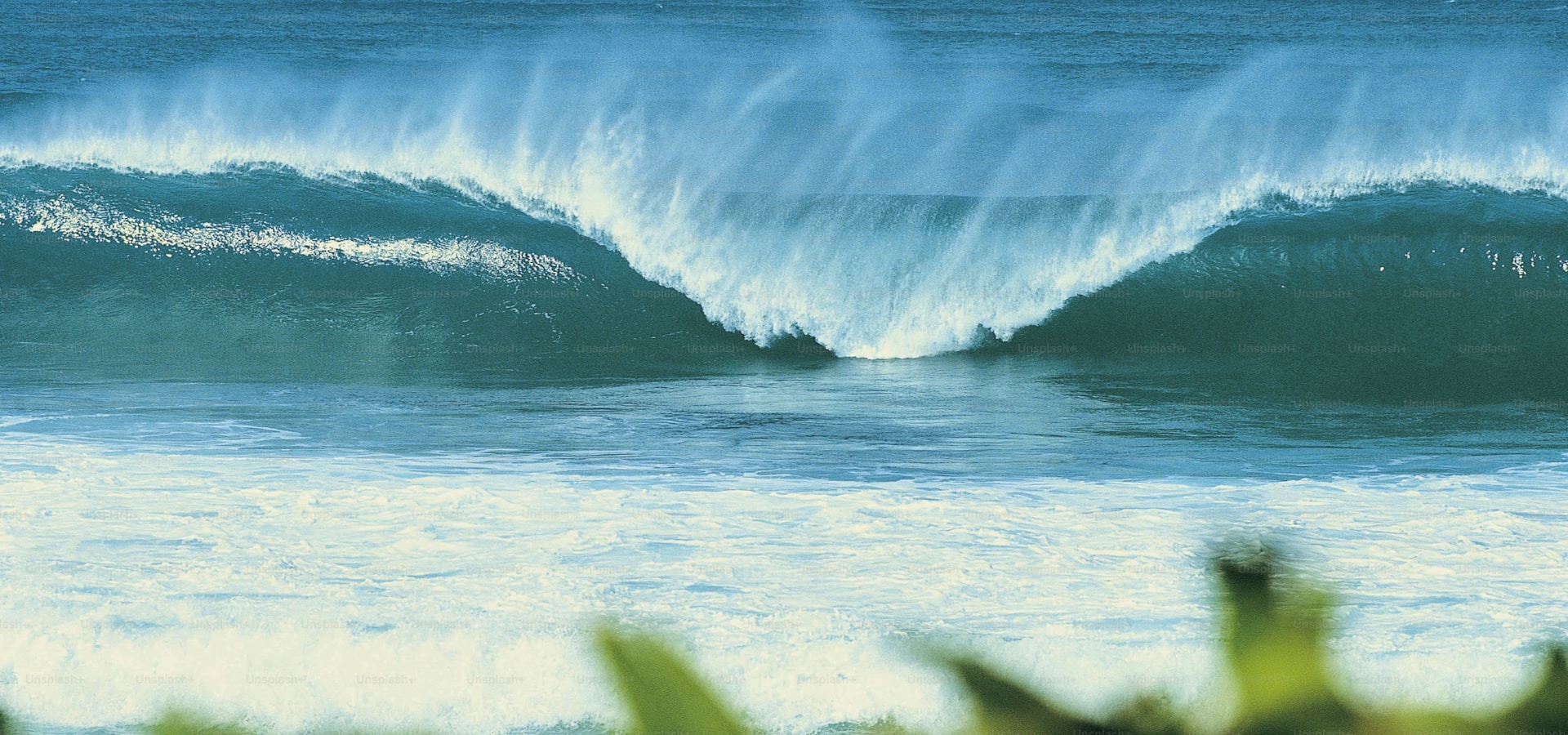
NORTH MALE ATOLL
7+ reef-pass breaks 30 minutes by speedboat from Malé airport — North Malé Atoll delivers head-high tropical barrels from April to October via resort or liveaboard charter.
About North Male Atoll
North Malé Atoll is the ring of islands wrapping the Maldives' capital and international airport, packing 7+ accessible reef-pass breaks within a 30–40 minute speedboat from Velana (MLE). The marquee right is Sultans, a long peeling reef on Thanburudhoo island; Pasta Point, a long left at Cinnamon Dhonveli, is exclusive to resort guests and capped daily — surf travel's clearest example of an exclusive wave.
Australian surfer Tony Hinde wrecked a yacht here in 1973, stayed, and built that arrangement.
Surf level
| Skill level | Jan-Feb | Mar-Apr | May-Jun | Jul-Aug | Sep-Oct | Nov-Dec |
|---|---|---|---|---|---|---|
| Beginners | ||||||
| Intermediate | ||||||
| Advanced |
- Best time to go
- Good time to go
- Ok time to go
- Less desirable time to go
- Not recommended time to go
Weather & Travel Comfort


| Metric | Jan-Feb | Mar-Apr | May-Jun | Jul-Aug | Sep-Oct | Nov-Dec |
|---|---|---|---|---|---|---|
| Weather | ~26–28°C | ~27–29°C | ~27–28°C | ~26–28°C | ~26–28°C | ~26–27°C |
| Rainy days | 8d | 11d | 16d | 14d | 16d | 16d |
| What to Pack |  Water Temperature~28–29°C Water Temperature~28–29°C | Water Temperature~30°C | Water Temperature~29–30°C | Water Temperature~29°C | Water Temperature~29°C | Water Temperature~29°C |
- Boots if neededFor cold water or reef breaks
- Full protection wetsuitCold water
- Shorty / springsuitMild conditions
- No wetsuitWarm water
Tips for Surfing North Male Atoll
The Maldives' surf-resort capital caps lineups at Pasta Point and runs an April–October SW swell window for Sultans, Honkys, and Chickens. The four tips below cover the resort-or-charter choice, the prime season, and reef booties for the cuts you'll inevitably get.

Pasta Point or Charter
Beginners and improvers should book Cinnamon Dhonveli for capped lineups at Pasta Point.

Surf the SW Season
The clean April–October SW swell window delivers head-high+ at Sultans, Honkys and Chickens.

Boardshorts Year-Round
Water sits 28–30°C every month — boardshorts plus a long-sleeve rashguard for UV.
Booties for Reef
Wear reef booties at Cokes and Sultans; pack cipro and betadine for reef cuts.
Frequently Asked Questions
When is the best time to surf in North Malé Atoll?
Skill drives the answer. Beginners and improvers score October to April when swell mellows to 2–4ft and Pasta Point at Cinnamon Dhonveli stays clean. Intermediates peak March to November across Sultans, Honkys and Chickens at head-high+. Advanced surfers come May to September for the prime southwest swell window, when Sultans and Cokes hold 6–12ft. Water sits at 28–30°C every month, so timing is purely about swell.
Is North Malé Atoll good for beginners?
Yes — but only at one spot, and only via one resort. Pasta Point, the long peeling left at Cinnamon Dhonveli, is the friendliest reef pass in the atoll and intermediate-friendly on most days, with capped lineups limited to resort guests. Avoid Cokes, Sultans inside, Lohis and Jails as a beginner: they all break over shallow coral with strong currents, and beginner-friendly sand-bottom waves do not exist in this atoll.
How big do the waves get in North Malé Atoll?
Waves run 3–6ft most of season and 6–10ft on prime SW pulses from April to October. Sultans and Cokes hold 8–12ft on the biggest days, breaking cleanly thanks to the deep reef-pass geometry. Chickens and Lohis stay rideable up to 10ft. Off-season (November to March) drops to 2–4ft, ideal for Pasta Point and improvers but quiet for advanced surfers chasing barrels.
Do I need a wetsuit to surf in North Malé Atoll?
No — water sits at 28–30°C year-round, so boardshorts plus a long-sleeve rashguard for UV is the standard kit. A thin lycra top adds skin protection on dawn paddles. Reef booties are strongly recommended at Cokes and Sultans inside, where coral reaches within 1–2m of the surface on low tide. Pack reef-safe sunscreen, zinc and a wide-brim hat — equatorial UV is severe even on overcast days.
How do I get to North Malé Atoll from Malé airport?
Velana International Airport (MLE) is the single gateway. Resorts arrange a direct speedboat transfer at check-in, 30–60 minutes depending on island and typically included in the stay rate. Liveaboard charter boats depart from Malé harbour, a 10-minute taxi via the bridge from MLE. Domestic flights via Maldivian and seaplanes connect to outer atolls. Standard pattern: fly into MLE, speedboat 30 minutes, surf at dawn the next morning.
Where should I stay in North Malé Atoll for surfing?
Two models work. Pick a surf-only resort like Cinnamon Dhonveli for 30-second access to Pasta Point, capped lineups, included speedboat transfers and a smooth surf-first trip. Pick a liveaboard charter out of Malé harbour for 5–10 day trips chasing forecasts across Sultans, Cokes, Chickens and Jails — best for a dedicated crew of 4–8. Hulhumalé hotels near the airport only work as overnight stops; you cannot day-trip from Malé to the breaks.
The Ultimate Guide to Surfing in North Male Atoll
What makes North Malé Atoll unique
North Malé Atoll is the ring of islands surrounding the airport-and-capital island of Malé, in the central Indian Ocean's 1,200-island Maldives archipelago. Inside that ring sit 7+ accessible reef-pass surf breaks, every one a 30–40 minute speedboat from Velana International Airport. Most surf trips here run two ways: stay at a surf-only resort like Cinnamon Dhonveli where the legendary Pasta Point left is capped to resort guests, or board a 5–10 day liveaboard charter operated by outfits like Tropicsurf or Boat Charter Maldives. The lineups are tropical, the reef is sharp, and the cost is real — but the trade is a dawn-to-dusk schedule of head-high reef passes you reach by tender. Australian surfer Tony Hinde shipwrecked here in 1973, stayed, converted to Islam, and built the surf-school operation at Cinnamon Dhonveli that made Pasta Point the world's first resort-exclusive wave. Climate vulnerability shadows every trip: rising seas threaten the Maldives' future, so this generation's window is finite.
North Malé Atoll surf spots by skill level
Sultans is the marquee — a long, peeling right-hand reef on Thanburudhoo island that runs for 150+ metres on a clean SW swell. Holds head-high to 8ft cleanly. Intermediate-to-advanced. Sit deep of the take-off rock only when locally familiar.
Honkys sits across the channel from Sultans: a fun, fast left-hand reef pass with a long shoulder. Holds head-high+. Intermediate.
Cokes (Coke's), next door to Honkys, is the heavy hollow right. Holds 6–10ft, breaks shallow over coral. Advanced only — booties non-negotiable.
Chickens is a long left-hand reef pass on Kanuhuraa-fushi with multiple sections, holding 6–10ft. Intermediate-to-advanced.
Pasta Point at Cinnamon Dhonveli is the long peeling left that built Maldivian surf tourism — capped to resort guests, intermediate-friendly, and the most consistent wave in the atoll. Resort guests only.
Lohis runs next to Pasta Point: a fast left-hand reef with a hollow inside section. Intermediate-to-advanced.
Ninjas is a short hollow right reef and Jails (Jailbreaks) is a long right-hand reef on the eastern side of the atoll — both advanced and best accessed by charter boat on the right swell window.
When to surf North Malé Atoll: month-by-month
April to October is the season — clean SW swell, 3–6ft typical, 6–10ft on prime pulses, with Sultans and Cokes holding 8–12ft on the biggest days. Water sits at 29–30°C. Charter boats fill the lineups at Sultans, Honkys and Cokes; book the resort or boat 4–6 months out. May to August is the consistency peak. November to March is the off-season — swell drops to 2–4ft, water still 28°C, the southwest monsoon eases, and prices fall. December to February stays mostly rideable, especially for beginners and improvers; advanced surfers should plan May–September. Rainfall peaks May at 18 wet days; the driest stretch is January to March at 6–9 wet days.
Where to stay in North Malé Atoll
Three models work. Surf-only resorts like Cinnamon Dhonveli Maldives put you 30 seconds from the wave (Pasta Point), include speedboat transfers and meals, and cap surfer numbers — premium pricing but the smoothest trip. Luxury resorts with surf access book Tropicsurf guides and run boat shuttles to nearby breaks; pricier still, but combine surf with non-surf travel partners. Liveaboard charters out of Malé harbour run 5–10 day trips chasing forecasts across Sultans, Cokes, Chickens, Jails and the outer atolls — best for a dedicated surf crew of 4–8 willing to share a boat. Hulhumalé hotels near the airport work as a budget overnight before/after a charter, but you cannot day-trip to the breaks from Malé.
How to get to North Malé Atoll from Malé airport
Velana International Airport (MLE) on Hulhulé island is the single gateway. Most surf resorts include a direct speedboat transfer at check-in: 30–60 minutes depending on island, often included in the stay rate. Liveaboard charter boats depart from Malé harbour, a 10-minute taxi from the airport via the bridge to Malé. For outer-atoll add-ons, domestic flights via Maldivian and seaplanes via Trans Maldivian Airways connect onward. The standard surf-trip pattern: international flight into MLE, speedboat 30 minutes to the resort or charter boat, on the wave the next morning at dawn.
Surf culture in North Malé Atoll
Maldivian surf tourism dates to Tony Hinde — later Tony Hussein — who washed up on a 1973 yacht wreck and stayed. Tony's surf school at Cinnamon Dhonveli made Pasta Point the world's first resort-exclusive break, and that capped-lineup model still defines the atoll. Useful operator names: Tropicsurf for guided luxury charters, Surf in Maldives for boat trips, Surf Atoll for liveaboards. The Maldives is a Sunni Muslim country: modest dress on inhabited islands (bikinis are normal on resort islands), Friday is the local weekend, alcohol is only sold on resort islands. Almost every wave here breaks over coral in 1–2m of water on low tide — booties plus a reef-cut first-aid kit (cipro, betadine, gauze) are mandatory. UV is severe; wear a long-sleeve rashguard every session. Pasta Point stays resort-exclusive, so charter boats sit outside; at Sultans, Cokes and Chickens, sit deeper of the take-off rock only when locally familiar. See Visit Maldives for entry rules and Save The Waves on climate exposure across the archipelago.