

LA LIBERTAD
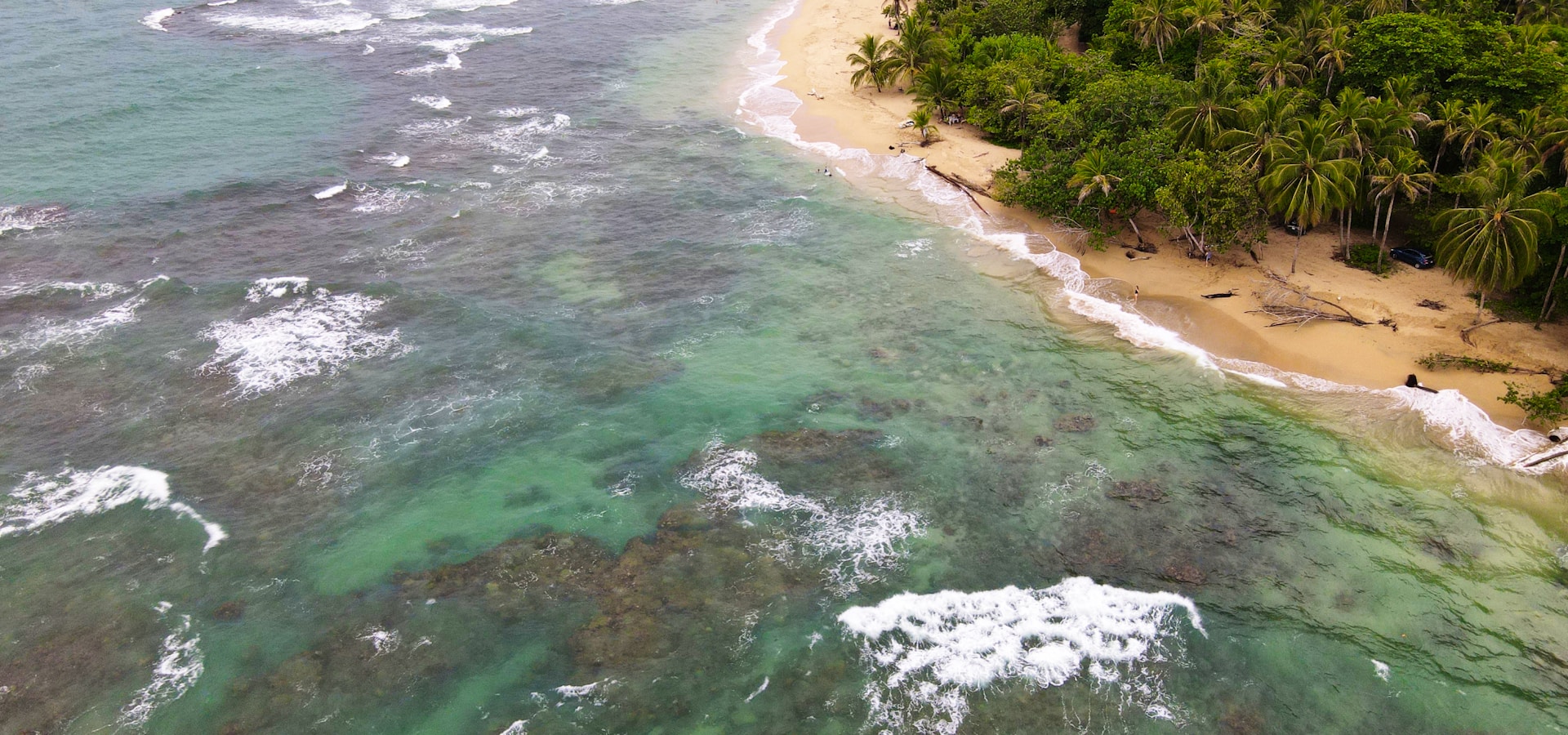
Three right-hand point breaks in 30km on El Salvador's Pacific coast — La Libertad delivers Punta Roca walls, Sunzal cruisers and El Tunco beach-village nights.
About La Libertad
La Libertad is the central Pacific coast of El Salvador and the heart of the country's Surf City tourism push.
Three signature right-hand points line up inside a 30km stretch: Punta Roca, the long peeling wall that hosted the WSL Championship Tour Surf City El Salvador Pro from 2021 to 2025; El Sunzal, a softer point that suits intermediates; and the El Tunco village strip, the bohemian backpacker hub where pupuserías run nightly outside the surf shops.
Surf level
| Skill level | Jan-Feb | Mar-Apr | May-Jun | Jul-Aug | Sep-Oct | Nov-Dec |
|---|---|---|---|---|---|---|
| Beginners | ||||||
| Intermediate | ||||||
| Advanced |
- Best time to go
- Good time to go
- Ok time to go
- Less desirable time to go
- Not recommended time to go
Weather & Travel Comfort


| Metric | Jan-Feb | Mar-Apr | May-Jun | Jul-Aug | Sep-Oct | Nov-Dec |
|---|---|---|---|---|---|---|
| Weather | ~23–30°C | ~24–31°C | ~24–30°C | ~23–29°C | ~23–29°C | ~23–29°C |
| Rainy days | 2d | 4d | 17d | 18d | 18d | 8d |
| What to Pack |  Water Temperature~28°C Water Temperature~28°C | Water Temperature~28–29°C | Water Temperature~29°C | Water Temperature~29°C | Water Temperature~28°C | Water Temperature~28°C |
- Boots if neededFor cold water or reef breaks
- Full protection wetsuitCold water
- Shorty / springsuitMild conditions
- No wetsuitWarm water
Tips for Surfing La Libertad
El Salvador's Pacific point picks up serious morning offshore before midday onshore stiffens at Punta Roca. The four tips below cover Sunzal's long shoulder for beginners, the dawn window, and why the WSL crowd in May–June changes everything.

Beginners go to Sunzal
Beginners: head to El Sunzal's long shoulder. Group lessons run US$25–US$40 for 90 minutes.

Surf the Morning Glass
Surf before 10am at Punta Roca — onshore Pacific breeze stiffens by midday most months.

Boardies Year-Round
Water 27–29°C all year. Boardshorts plus a long-sleeve rashguard. Skip the wetsuit entirely.

Sit Wide at Punta Roca
Punta Roca crowds during WSL events (May–June). Sit wide and earn the inside takeoff.
Frequently Asked Questions
When is the best time to surf in La Libertad?
Skill drives the answer. Beginners score from October to April — smaller 3–5ft swell, dry-season clean mornings and quieter line-ups at Sunzal. Intermediates peak April through October, when SW swells consistently push 4–8ft across Sunzal, El Zonte and Las Flores. Advanced surfers come May through September for solid 6–10ft pulses on Punta Roca, with the WSL Championship Tour historically running its event in May or June.
Is La Libertad good for beginners?
Yes — at the right spot. El Sunzal, 7km west of La Libertad town, is a long right-hand point with a soft take-off and mellow shoulder where every school in the region runs lessons. The inside reform at El Tunco also produces forgiving whitewater. Avoid Punta Roca and K59 in your first week: Punta Roca's lineup is competitive and reef-bottom, K59 is short and hollow over rock.
How big do the waves get in La Libertad?
Waves run 3–6ft most of the year and 4–10ft on prime SW pulses from April to October. Punta Roca holds head-and-a-half cleanly and is the only break that handles the biggest swells without closing out. El Sunzal stays rideable up to 8ft thanks to the headland filtering size, and small days under 4ft send everyone to Sunzal Reef and the inside reform at El Tunco for long, mellow sessions.
Do I need a wetsuit to surf in La Libertad?
No — water sits at 27–29°C year-round, the warmest of any major surf coast on the Pacific. Boardshorts and a long-sleeve rashguard cover every month, and the rashguard is mainly for sun and reef rash rather than warmth. Tropical-strength sunscreen and a hat for between sessions matter more than neoprene. If you chill easily on dawn paddles, pack a 1mm vest, but most travellers leave it at home.
How do I get to La Libertad from San Salvador?
Fly into Monseñor Óscar Arnulfo Romero International Airport (SAL) — direct flights from LAX, IAH, MIA, JFK and DFW on Avianca, Volaris and Spirit. The airport sits 30 minutes from the surf zone — the closest airport-to-lineup distance in Central America. Shuttle to El Tunco runs around US$30, taxi US$50. Around the coast, microbus combis link El Tunco, El Zonte and La Libertad for about US$1 each.
Where should I stay in La Libertad for surfing?
Stay in El Tunco if you want the social surf-village hub — three blocks of hostels, surf shops, beach bars and walking access to Sunzal Reef. Pick El Sunzal just east of Tunco for a quieter base facing the long right point, ideal for surf-camp travellers. El Zonte, 15km west, suits yoga-leaning trips and Bitcoin Beach curiosity with lower nightly rates. La Libertad town itself is gritty and working-class — stay there only to walk to Punta Roca daily.
The Ultimate Guide to Surfing in La Libertad
What makes La Libertad unique
Three right-hand points of genuine WSL Tour calibre sit inside a 30km stretch of central Pacific coast — and that wave concentration is why La Libertad carries the surf identity of El Salvador. Punta Roca is the marquee: a long peeling right that hosted the WSL Championship Tour Surf City El Salvador Pro from 2021 through 2025 and the ISA World Surfing Games in 2023. Seven kilometres west, El Sunzal offers a mellower version of the same setup — softer take-off, longer shoulder, intermediate-friendly. The El Tunco village strip in front of Sunzal Reef is where the trip actually lives: pupuserías, hostels and surf shops three blocks deep. The country's 2019 Surf City tourism strategy invested in coastal infrastructure, lifeguarded zones and the WSL bid, turning a once-overlooked coast into one of Central America's most rapidly rising surf destinations.
La Libertad surf spots by skill level
Punta Roca is the signature wave. A long right-hand point next to La Libertad town that peels for 200–300 metres on a clean SW Pacific swell over a rock-and-cobble bottom. Holds head-and-a-half cleanly. Peak season runs April to October. Intermediate to advanced — the lineup tightens during WSL events in May and June.
El Sunzal is the friendly point, 7km west of La Libertad town. Soft take-off, long mellow shoulder, the easiest of the three signature breaks to learn longer rides on. Intermediate-friendly, and improvers graduating from whitewater can take their first green-wave sessions here.
El Tunco / Sunzal Reef is the village beach in front of the El Tunco strip. Mix of beach and reef bottom — beginner-friendly inside on whitewater, advanced on the outside reef peak when the swell stacks up. Beginners to advanced.
El Zonte is the quieter point and beach village 15km west of El Tunco — and the pre-2021 Bitcoin Beach community experiment that preceded El Salvador adopting Bitcoin as legal tender. Intermediate-friendly point with mellow walls.
K59 is the left-hander on the road east of La Libertad — short, hollow and reef-bottom. Intermediate to advanced.
Las Flores is a long right-hand point 2 hours east in Usulután department, often added on a longer trip. Intermediate-friendly and far less crowded than the central coast. Mizata is the quiet long point west, intermediate-grade and uncrowded most weeks.
When to surf La Libertad: month-by-month
April to October is the prime swell window. South and SW Pacific swells stack 4–10ft on the points, water sits at 28–29°C, and morning offshores groom Punta Roca and Sunzal before the sea breeze stiffens around 11am. May and June carry the biggest crowds — the WSL Championship Tour event historically lands in this window. Rainy season runs May through October, with 15–18 rainy days per month, but rain falls in afternoon bursts and rarely cancels morning sessions. November through March is the dry season — 1–4 rainy days per month, calmer 3–5ft swell, water still 27–28°C. This is the beginner sweet spot: smaller, cleaner, fewer travellers in the lineup, perfect long sessions at Sunzal. December and January are the driest weeks of the year.
Where to stay in La Libertad
El Tunco is the obvious base. A three-block surf-village strip 7km west of La Libertad town: hostels, surf shops, beach bars, and walking access to Sunzal Reef. Mid-range nightly rates, the most social scene on the coast. El Sunzal itself, just east of Tunco, is the quieter pick — surf-camp lodges and small hotels facing the long right point, ideal if you want fewer late-night bars. El Zonte, 15km further west, suits travellers who want yoga, the Bitcoin Beach project and a quieter point break — lower nightly rates, less nightlife. La Libertad town itself is gritty and working-class; stay there only if you want to walk to Punta Roca daily.
How to get to La Libertad from San Salvador
Monseñor Óscar Arnulfo Romero International Airport (SAL) sits 30 minutes from the surf zone — the closest airport-to-lineup distance in Central America. Direct flights run from LAX, IAH, MIA, JFK and DFW on Avianca, Volaris and Spirit, with onward connections from Mexico City and Madrid. Airport shuttle to El Tunco runs around US$30, taxi US$50. Around the coast, microbus combis link El Tunco, El Zonte and La Libertad regularly for about US$1 — the cheapest surf-trip transport in the region. Rental cars run US$40–US$60/day if you want to chase Mizata or K59.
Surf culture in La Libertad
Three operators anchor the lesson scene: Roca Sunzal Hotel on the Sunzal-side beach, Las Flores Surf Resort on the eastern coast, and Sunzal Surf Co. in El Tunco — useful reference points whether you book with them or not. Board rentals run US$10–US$15/day for soft-tops and US$15–US$25/day for shortboards.
El Salvador's surf history starts in the 1960s, when US Peace Corps volunteers and California travellers found Punta Roca. The 1980–92 civil war collapsed the surf-tourism economy; the post-2009 rebuild centred on this coast's wave concentration. President Nayib Bukele's 2019 Surf City strategy invested in coastal infrastructure and won the WSL bid for 2021–2025. The Bitcoin Beach experiment at El Zonte preceded the country adopting Bitcoin as legal tender in 2021 — the village still runs a parallel economy you can pay surf lessons in. On safety: El Salvador's homicide rate is now lower than Mexico's, but normal travel-precaution still applies; mosquitoes in jungle accommodation make repellent essential. Eat pupusas at the pupuserías outside El Tunco nightly — the national dish, three for under US$3. See Lonely Planet El Salvador for broader country logistics.