

CARIBBEAN COAST
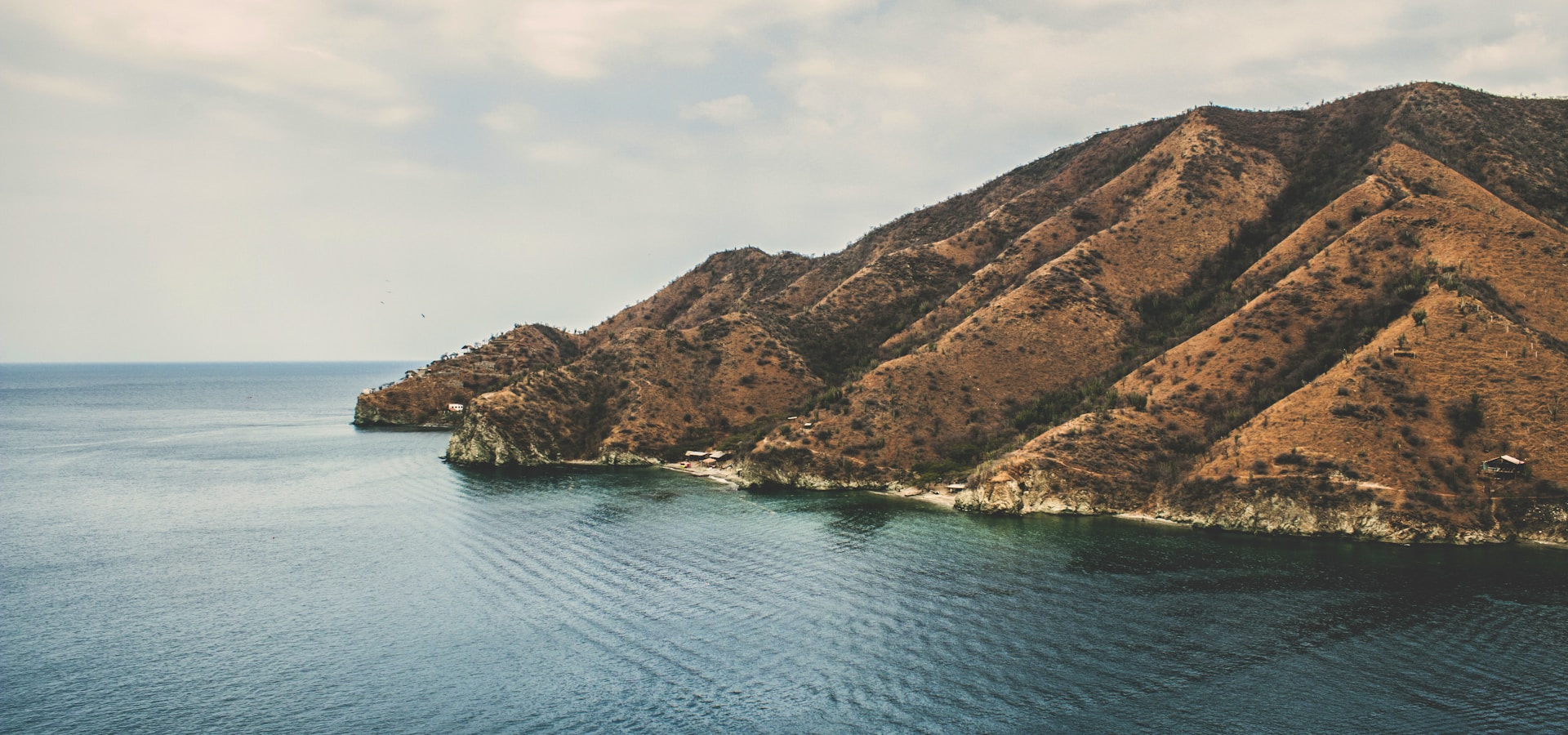
Colombia's 1,600km Caribbean coastline runs from Cartagena to La Guajira — surf 4 sand-bottom breaks at Palomino and Costeño where the Sierra Nevada drops into 28°C water.
About Caribbean Coast
Colombia's Caribbean coast stretches from the Panama border to La Guajira desert, with the surf zone concentrated between Cartagena, Santa Marta and Palomino. The Sierra Nevada de Santa Marta — the world's tallest coastal mountain range at 5,775m — drops directly into warm Caribbean water, anchoring a backpacker surf-camp scene at Palomino and Costeño Beach inside the Tayrona National Park buffer.
Pradomar near Barranquilla adds a reef section for intermediates. The mountain is sacred to four Indigenous nations who consider it the heart of the world.
Surf level
| Skill level | Jan-Feb | Mar-Apr | May-Jun | Jul-Aug | Sep-Oct | Nov-Dec |
|---|---|---|---|---|---|---|
| Beginners | ||||||
| Intermediate | ||||||
| Advanced |
- Best time to go
- Good time to go
- Ok time to go
- Less desirable time to go
- Not recommended time to go
Weather & Travel Comfort


| Metric | Jan-Feb | Mar-Apr | May-Jun | Jul-Aug | Sep-Oct | Nov-Dec |
|---|---|---|---|---|---|---|
| Weather | ~24–27°C | ~24–28°C | ~24–27°C | ~24–27°C | ~23–27°C | ~23–27°C |
| Rainy days | 1d | 2d | 9d | 8d | 14d | 7d |
| What to Pack |  Water Temperature~25–26°C Water Temperature~25–26°C | Water Temperature~26°C | Water Temperature~28°C | Water Temperature~27–28°C | Water Temperature~29°C | Water Temperature~27–28°C |
- Boots if neededFor cold water or reef breaks
- Full protection wetsuitCold water
- Shorty / springsuitMild conditions
- No wetsuitWarm water
Tips for Surfing Caribbean Coast
Colombia's Caribbean coast pumps cleanest December through April on N/NE swell, when the Río Palomino rips aren't being fed by rain. The four tips below cover Costeño Beach Surf Camp, the boardshorts-only reality, and which river bank is safe.

Beginners Start at Costeño
Book at Costeño Beach Surf Camp — group lessons run COP 80,000–120,000 for 2 hours.

Surf the Dry Months
December to April brings clean N/NE swell at 4–7ft — June–November rains kill consistency.

Boardshorts Only
Water sits 25–29°C all year. Pack a rashguard for sun — skip the wetsuit.
Watch the Río Palomino
Strong rips at the Palomino river-mouth after rain — ask which bank is safe.
Frequently Asked Questions
When is the best time to surf in the Caribbean Coast?
Skill drives the answer. Beginners score from September to April when the swell is small and forgiving at Costeño Beach and Palomino. Intermediates peak from April to November on the shoulder pulses at Pradomar and the Don Diego river-mouth. Advanced surfers hunt the May to August window for the rare reef days at Pradomar, though the headline season for size is December to April when N/NE swell stacks the coast at 4–7ft.
Is the Caribbean Coast good for beginners?
Yes — it's one of the easiest classrooms in South America. Costeño Beach, inside the Tayrona buffer zone, has mellow sand-bottom A-frames and a dedicated camp running daily lessons. Palomino is the second pick, with shifting sandbar peaks that suit improvers, though watch the river-mouth rip after rain. Avoid Pradomar in your first week — the reef section there steps the difficulty up sharply.
How big do the waves get on the Caribbean Coast?
Waves run 2–4ft most of the year and step up to 4–7ft on N/NE swell from December to April. Palomino and Costeño hold their shape best up to 5ft on a clean dawn, while Pradomar's reef section can hold a bit more size when the swell angles right. June through November is hurricane season, which brings rain but rarely consistent surf — most travellers plan around the December–April window.
Do I need a wetsuit to surf the Caribbean Coast?
No. Water sits between 25°C in February and 29°C in September, so boardshorts and a rashguard are all you need year-round. Most travellers use the rashguard for sun protection rather than warmth — sessions can run three hours under a tropical sun. A reef-safe sunscreen and a hat for between sessions matter more than any neoprene. Locals surf in trunks every month of the year.
How do I get to the Caribbean Coast from Bogotá?
Fly. From Bogotá, a 1h 30min flight lands at Santa Marta (SMR), Cartagena (CTG) or Barranquilla (BAQ) — Santa Marta is closest to the Palomino surf zone at a 1h 30min drive east. From the Santa Marta terminal, a shared shuttle runs around COP 30,000 or take an Expreso Brasilia bus to the Palomino highway turnoff. Motor-taxis cover the final 1km to the beach.
Where should I stay on the Caribbean Coast for surfing?
Stay in Palomino village if you want surf-camp density, hostels, and walkable access to the river-mouth peaks — most trips work best here. Pick Costeño Beach if you want a quieter retreat with no road access and dawn lessons on the sand; the camp is a 1.2km walk from the highway. Cartagena's Getsemaní is the cultural option for CTG arrivals, with colonial streets and champeta clubs, but plan a 2–4 hour drive east for the proper waves.
The Ultimate Guide to Surfing in Caribbean Coast
What makes the Caribbean Coast unique
No other surf region in Colombia sits beneath a 5,775m mountain that drops straight into the sea. The Sierra Nevada de Santa Marta is the world's tallest coastal range, and its rivers — Palomino, Don Diego, Buritaca — carve the sandbars that shape every break between Santa Marta and the La Guajira border. The mountain is sacred to four Indigenous nations: the Kogi, Arhuaco, Wiwa and Kankuamo, who consider the peaks the heart of the world. Some beaches on the eastern stretch carry land notices and are restricted; others sit inside the Tayrona National Park buffer, with seasonal closures published by Parques Nacionales Naturales. The surf scene grew quietly through the 2010s alongside Colombia's tourism re-opening, and the soundtrack along the coast is champeta — a Caribbean-Colombian dance music born in Cartagena.
Caribbean Coast surf spots by skill level
Palomino is the basecamp wave. A wide sand-bottom beach where the Río Palomino meets the Caribbean, producing shifting sandbar peaks that work best on N/NE swell from December to April. Beginner-to-intermediate, with the strongest rips on the river-mouth side after rain.
Costeño Beach is the friendliest classroom on the coast. A long sandy beach inside the Tayrona buffer zone, accessed via the trail from Costeño Beach Surf Camp, with mellow A-frames most mornings. Beginners.
Pradomar sits near Barranquilla and steps the level up — a beach break with a reef section that holds size on bigger N pulses. Intermediates.
Buritaca is a sand-bottom beach just west of Palomino with consistent waist-to-chest peaks. Beginner-to-intermediate.
Cabo Tortuga is a protected sandy bay east of Tayrona, calmer than Palomino on windy afternoons. Beginners.
Río Don Diego mouth is the quieter cousin of Palomino, 15 minutes west, with a sand-bottom right next to the river. Intermediates.
Bocagrande is the Cartagena city beach in front of the high-rise hotel strip — small, beginner-friendly when the swell is up enough to break, and a useful backup if you fly into CTG.
When to surf the Caribbean Coast: month-by-month
December to April is the prime window. N and NE swell stack the coast at 4–7ft, water holds 25–27°C, and rainy days drop to 0–3 per month. Mornings glass off before the trade winds fill in by mid-afternoon. May and June mark the shoulder — swell drops to 2–4ft, rainy days climb to 8–9 per month, water warms to 27–28°C, and the lineup at Costeño thins out. July and August are flat-to-small (2–3ft) but warm and quiet, with 28°C water and 7–9 rainy days. September to November is hurricane season — water hits its annual peak at 28.7°C, but rainy days top out at 15 in October and the Caribbean rarely produces consistent surf. Use these months for lessons in waist-high reform and inland trips to the Sierra.
Where to stay on the Caribbean Coast
Palomino village is the surf-camp capital. Hostels and beachfront cabins line the road from the highway down to the sand, with kitchens, hammocks and shared dorms running far cheaper than Tayrona-side stays. Costeño Beach is the deeper retreat — Costeño Beach Surf Camp and a handful of neighbouring camps sit a 1.2km walk from the highway, with no road access, no traffic, and direct beach lessons at sunrise. Cartagena's Getsemaní neighbourhood is the cultural pick if you fly into CTG — colonial streets, champeta clubs, street food, and a 2-hour drive east to the proper waves at Pradomar or 4 hours to Palomino.
How to get to the Caribbean Coast from Bogotá
Three airports serve the coast. Santa Marta (SMR) is closest to the surf, with a 1h 30min drive east to Palomino. Cartagena (CTG) lands you at the western city beaches, and Barranquilla (BAQ) sits between the two near Pradomar. Flights from Bogotá run 1h 30min to any of the three. From Santa Marta to Palomino, a shared shuttle runs around COP 30,000 or take an Expreso Brasilia bus from the terminal — both drop you on the highway at the village turnoff. From there, motor-taxis ferry boards and bags the final 1km to the beach for a few thousand pesos.
Surf schools, gear rentals and local culture
Three operators anchor the lesson scene: Costeño Beach Surf Camp, Surf School Palomino and Lost Boys Hostel Palomino, with La Brisa Loca Surf School filling in around Santa Marta. Group lessons run roughly COP 80,000–120,000 for two hours, board rentals around COP 40,000–60,000 per day. Foam-tops dominate the racks; performance shortboards are scarce, so bring your own if you ride below 6'6".
A word on land and respect: the eastern coast belongs in part to Indigenous communities, and a few beaches carry posted notices closing them to outside visitors. Read the signs, ask the camp before walking new sand, and check the Tayrona National Park site for current zone closures before you plan a day trip. For broader context on the country and its other surf regions, Visit Colombia and Lonely Planet's Caribbean Colombia guide are reliable starting points.