

CABARETE
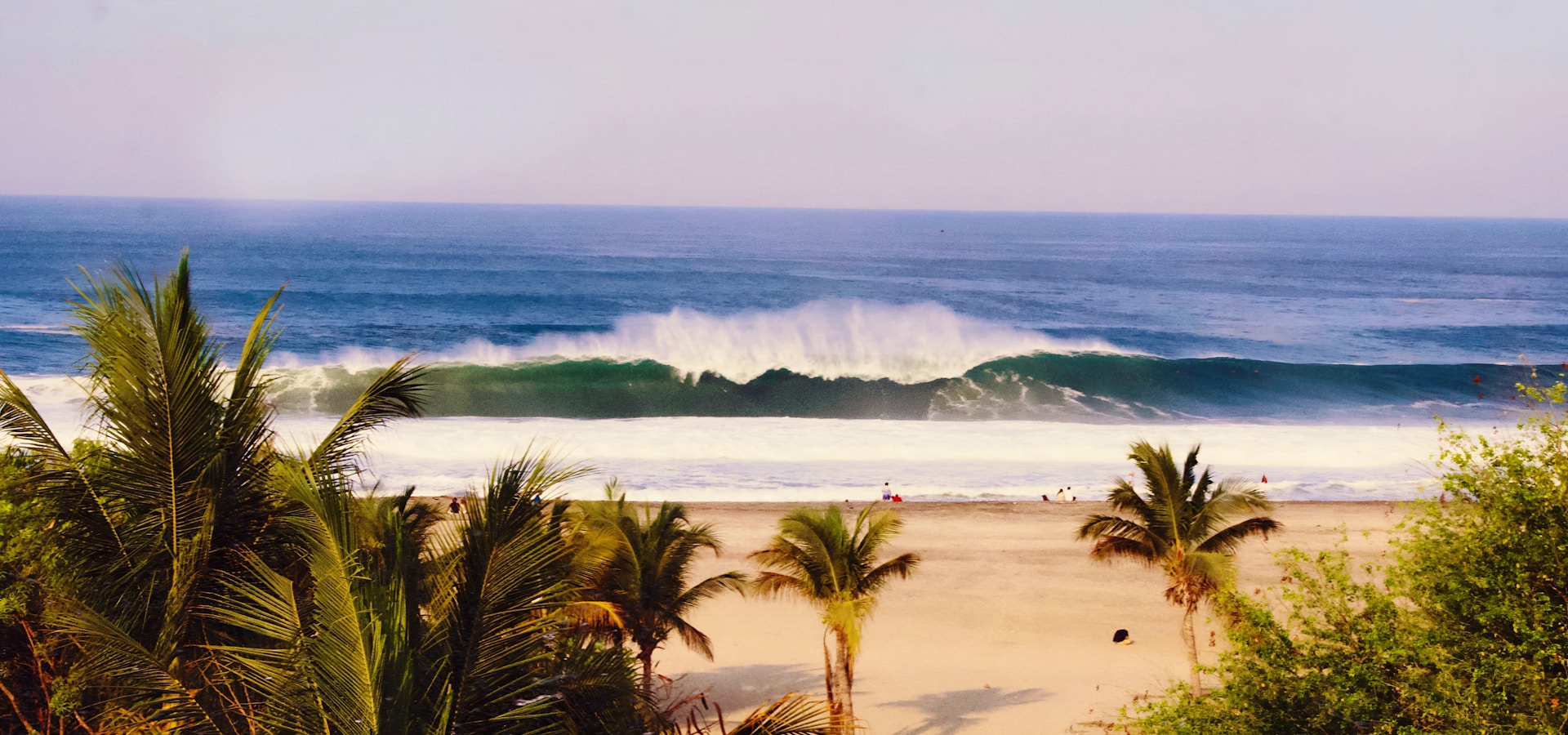
Multisport surf town on the Dominican north coast — Cabarete pairs Encuentro Beach reefs with year-round 25–29°C water and 6 named breaks 30min from Puerto Plata airport.
About Cabarete
Cabarete sits on the Dominican Republic's north Atlantic coast, 30 minutes east of Puerto Plata, split between Cabarete Bay (kite and windsurf zone) and Encuentro Beach 4km west — the dedicated surf hub. The town built its identity around the annual Master of the Ocean competition, the only event in the world that scores athletes across surf, kitesurf, windsurf and SUP.
Atlantic trades blow strongest from late morning to dusk, so surfing here is a dawn-patrol affair before the wind takes the bay.
Surf level
| Skill level | Jan-Feb | Mar-Apr | May-Jun | Jul-Aug | Sep-Oct | Nov-Dec |
|---|---|---|---|---|---|---|
| Beginners | ||||||
| Intermediate | ||||||
| Advanced |
- Best time to go
- Good time to go
- Ok time to go
- Less desirable time to go
- Not recommended time to go
Weather & Travel Comfort


| Metric | Jan-Feb | Mar-Apr | May-Jun | Jul-Aug | Sep-Oct | Nov-Dec |
|---|---|---|---|---|---|---|
| Weather | ~22–26°C | ~23–27°C | ~24–29°C | ~25–30°C | ~25–30°C | ~23–27°C |
| Rainy days | 11d | 11d | 9d | 9d | 12d | 14d |
| What to Pack |  Water Temperature~26°C Water Temperature~26°C | Water Temperature~26°C | Water Temperature~27°C | Water Temperature~28°C | Water Temperature~29°C | Water Temperature~27–28°C |
- Boots if neededFor cold water or reef breaks
- Full protection wetsuitCold water
- Shorty / springsuitMild conditions
- No wetsuitWarm water
Tips for Surfing Cabarete
The Dominican Republic's north coast surfs cleanest at dawn, before Atlantic trade winds blow Encuentro flat by 11am. The four tips below cover The Beachies for beginners, the boardshorts-year-round reality, and reef booties at Coco Pipe.

Beginners go to Encuentro
Beginners: head to The Beachies at Encuentro. Group lessons run US$35–US$50 for 2 hours.

Surf Before the Trades
Paddle out at dawn — Atlantic trade winds blow Encuentro flat by 11am most days.

No Wetsuit Needed
Water sits 25–29°C year-round. Boardshorts plus a long-sleeve rashguard handle UV and reef rash.
Booties on the Reef
Coco Pipe and La Derecha break over sharp reef — wear booties and sit wide.
Frequently Asked Questions
When is the best time to surf in Cabarete?
Skill drives the answer. Beginners score essentially year-round at The Beachies, with the easiest sessions from March to August in 2–4ft water. Intermediates peak November to April when North Atlantic swells light up La Derecha and Playa Preciosa. Advanced surfers come for the February peak — bigger swell at La Izquierda and Coco Pipe coincides with the Master of the Ocean competition, which turns the town into a multidiscipline carnival.
Is Cabarete good for beginners?
Yes — The Beachies inside Encuentro is one of the friendliest learner waves in the Caribbean. Sand-bottom reforms produce gentle whitewater for whole sessions, and four established schools set up daily lessons here. Bozo Beach inside Cabarete Bay is a quieter morning option before the kite crew arrives. Skip La Izquierda, Coco Pipe and El Canal in your first week — sharp reef bottoms and crowded peaks make them advanced-only.
How big do the waves get in Cabarete?
Waves run 2–6ft most of the year and push 6–10ft from November through March on stacked North Atlantic swell. La Izquierda at Encuentro holds clean head-and-a-half lefts on solid NE pulses, and El Canal absorbs 8ft+ on the biggest winter days. Hurricane swells from late August through October add unpredictable 4–8ft pulses. July and August are the smallest months, often dropping to 2–4ft mush.
Do I need a wetsuit to surf in Cabarete?
No — water sits between 25°C in February and 29°C in September, so boardshorts and a rashguard cover you year-round. Most surfers wear a long-sleeve rashguard for UV protection and to prevent reef rash, especially during multi-hour dawn sessions. Reef-safe sunscreen is essential under the tropical sun. Booties are smart for Coco Pipe and La Derecha where the reef is sharp; bare feet work fine at The Beachies.
How do I get to Cabarete from Puerto Plata?
Fly into Puerto Plata Gregorio Luperón (POP), 30 minutes west by car. Shuttle Cabarete runs door-to-door for US$30–US$40; local guagua shared minibuses cost around US$3. Direct flights serve POP year-round from New York, Toronto and Miami, with seasonal European charters. Backup airports: Santiago (STI) is a 1h 45min drive, and Santo Domingo (SDQ) is 4 hours south — useful if POP fills up. See Go Dominican Republic for tourism context.
Where should I stay in Cabarete for surfing?
Stay at Encuentro Beach if you prioritise dawn patrol — guesthouses and small surf camps sit 30 seconds from the sand, aligned with the wind window before the trades pick up at 11am. Pick Cabarete town centre if you want walkable bars, restaurants and the kite-surf strip, accepting a 5-minute taxi or guagua to Encuentro each morning. Pro-Cab and the inland streets are the budget option: lower rates, 10-minute walk to the bay.
The Ultimate Guide to Surfing in Cabarete
What makes Cabarete unique
Cabarete is the only surf town in the Caribbean built around a multidiscipline identity. Every February, the Master of the Ocean competition draws 100+ professional athletes who must score across surf, kitesurf, windsurf and SUP — there is no other event like it on the planet. The town reflects that hybrid culture: Cabarete Bay is the kite and windsurf side, while Encuentro Beach 4km west is the surf hub, with six named peaks spread along a single sand-and-reef stretch. Atlantic trade winds dictate the rhythm — they blow side-onshore from roughly 11am until sunset, so dawn patrol is non-negotiable for clean water. The trade-off is climate: the Dominican Republic delivers 25–29°C water and 26–30°C air every month of the year, which is why surfers from New York and Toronto fly POP for a week in February while their home coast freezes. Spanish and Haitian Creole are the working languages; English runs the surf schools; merengue and bachata fill the bars by 11pm.
Cabarete surf spots by skill level
Encuentro Beach is the umbrella name for the surf hub 4km west of town. Inside it sit four distinct peaks. La Izquierda is the marquee: a long left-hand reef that holds size on a clean N-to-NE swell, sharp reef bottom, advanced only. La Derecha, its right-hand neighbour, is mellower — head-high on most winter swells, intermediate-friendly when the inside crowd thins. The Beachies is the sand-bottom inside reform where every school sets up; beginners ride whitewater here all morning. Coco Pipe is the short, hollow reef wave for advanced surfers willing to sit deeper.
Playa Preciosa, east of town, is a quiet sand-bottom alternative when Encuentro crowds up — intermediate peaks on most NE swells. La Boca breaks at the Río Yásica river mouth east of town, a shifty intermediate peak that depends on river-bank shape. Bozo Beach inside Cabarete Bay is primarily a kite zone but rideable in the morning glass-off — mellow, beginner-to-intermediate. Further east, El Canal is an exposed reef pass that holds 8ft+ on giant winter pulses (advanced), while El Barco is a quieter intermediate break for surfers chasing space.
When to surf Cabarete: month-by-month
November to March is the peak season. North Atlantic swells push 6–10ft into Encuentro's reefs, water sits at 26–28°C, and the marquee event of the year — Master of the Ocean in late February — turns the town into a multidiscipline carnival. Trade winds blow 15–25 knots most afternoons, so dawn sessions are mandatory. April to June is the shoulder: 3–6ft swell, water climbing toward 27°C, fewer crowds, and the most consistent dawn glass-off windows of the year. July and August are the smallest months — 2–4ft mush at Encuentro, water peaking at 28°C, and beginner heaven at The Beachies and Bozo Beach. Hurricane swells from late August through October bring unpredictable 4–8ft pulses; rainy days cluster in October and November (13–14 rainy days/month) but rarely block sessions. September delivers the warmest water of the year (28.6°C) and refilling NE swell.
Where to stay in Cabarete
Cabarete town centre along the main strip puts you steps from bars, restaurants and the kite beach — best if you want walk-home nightlife and don't mind a 5-minute taxi or guagua to Encuentro every morning. Encuentro Beach itself is the surfer's pick: a cluster of guesthouses and small surf camps on the dirt road behind the break, 30 seconds from the sand and aligned with dawn patrol. Expect rustic infrastructure but unbeatable access. Pro-Cab and the inland streets behind town are the budget play — air-conditioned studios at lower nightly rates, 10-minute walk to the bay, taxi or scooter to Encuentro.
How to get to Cabarete from Puerto Plata
Fly into Puerto Plata Gregorio Luperón Airport (POP), 30 minutes west by car. Direct flights run from New York, Toronto and Miami year-round, with seasonal European charters in winter. Shuttle Cabarete runs door-to-door from POP for around US$30–US$40; local guagua shared minibuses cost roughly US$3 if you're patient and travelling light. Two backup airports work: Santiago (STI) is a 1h 45min drive inland, and Santo Domingo (SDQ) is roughly 4 hours south — useful if POP routing is full or pricier. Once in town, a scooter rental at US$25/day covers Encuentro runs comfortably; for tourism context see the Go Dominican Republic board.
Surf schools, gear rentals and local culture
Three schools anchor the Encuentro lesson scene: 21° North Surf School, No Work Team Surf School and Take Off Surf School Cabarete — useful reference points whether you book with them or not. Encuentro Surf School rounds out the core. Board rentals run US$15–US$25/day for soft-tops, US$25–US$35/day for shortboards and longboards. A word on the lineup: Cabarete was a sleepy fishing village until Canadian and German windsurfers arrived in the 1980s chasing the trades; surfing followed in the 1990s once Encuentro's reefs got mapped. The annual Master of the Ocean cemented the town's multidiscipline reputation. Encuentro can hold 50+ surfers on a peak winter day — sit deeper of the take-off rock at La Izquierda only when you're recognised. Reef-safe sunscreen is mandatory courtesy; the Save The Waves coalition has flagged Caribbean reef pressure for years.