

BALI
Bali stacks 10+ named breaks across two coastlines that swap seasons — Bukit reefs fire May–September, Keramas and the east coast turn on November–March.
About Bali
Bali is a 100km Indonesian island with two surf coastlines that work in opposite seasons — the densest concentration of quality breaks anywhere on earth. The Bukit Peninsula in the south-west catches SW Indian Ocean swell from April to October, with E trade winds grooming Uluwatu, Padang Padang and Bingin.
From November to March the script flips: Pacific swell wraps onto the east coast, lighting up Keramas and Sanur. A scooter and a forecast app turn this into a year-round playground.
Surf level
| Skill level | Jan-Feb | Mar-Apr | May-Jun | Jul-Aug | Sep-Oct | Nov-Dec |
|---|---|---|---|---|---|---|
| Beginners | ||||||
| Intermediate | ||||||
| Advanced |
- Best time to go
- Good time to go
- Ok time to go
- Less desirable time to go
- Not recommended time to go
Weather & Travel Comfort


| Metric | Jan-Feb | Mar-Apr | May-Jun | Jul-Aug | Sep-Oct | Nov-Dec |
|---|---|---|---|---|---|---|
| Weather | ~25–28°C | ~25–28°C | ~24–27°C | ~23–26°C | ~23–27°C | ~25–28°C |
| Rainy days | 19d | 18d | 13d | 12d | 12d | 18d |
| What to Pack |  Water Temperature~29°C Water Temperature~29°C | Water Temperature~29°C | Water Temperature~28°C | Water Temperature~26–27°C | Water Temperature~26–27°C | Water Temperature~28–29°C |
- Boots if neededFor cold water or reef breaks
- Full protection wetsuitCold water
- Shorty / springsuitMild conditions
- No wetsuitWarm water
Tips for Surfing Bali
Bali's two coasts split the year: the Bukit fires May–September on east winds, while Keramas takes over November–March on Pacific swells. The four tips below cover Canggu for newcomers, Uluwatu's tight pecking order, and where booties are non-negotiable.

Beginners go to Canggu
Beginners: head to Old's Man in Canggu or Kuta Beach. Group lessons run US$25–US$40.

Chase the Coast that Works
Bukit fires May–September on E winds; switch to Keramas November–March on Pacific swell.

Boardshorts All Year
Water sits 26–29°C year-round — boardshorts and a rashguard. Bring booties for Uluwatu and Padang.

Sit Wide at Uluwatu
Uluwatu locals enforce a tight pecking order — sit wide for your first two sessions.
Frequently Asked Questions
When is the best time to surf in Bali?
Skill drives the answer. Beginners score from October to April when 2–4ft swell makes Canggu and Kuta forgiving. Intermediates ride the broadest window — January through October works somewhere on the island. Advanced surfers come May to September for 6–12ft SW swell at Uluwatu, Padang Padang and the outer reefs, with E trade winds grooming the Bukit at dawn. Keramas on the east coast turns on November to March.
Is Bali good for beginners?
Yes — Bali is one of the easiest places in the world to learn. Old's Man at Canggu and Kuta Beach are wide sand-bottom breaks with forgiving whitewater, dozens of schools, and warm water that means no wetsuit. Avoid Uluwatu, Padang Padang, Bingin and Impossibles in your first weeks: those are reef-bottom waves with strict pecking orders and dry-reef takeoffs that punish mistakes.
How big do the waves get in Bali?
Waves run 2–4ft from December through February on the Bukit and 4–12ft from May to September during prime season. Outside Corner Uluwatu holds 12ft+ on solid SW swells and the outer reefs handle 15ft+. Padang Padang breaks head-and-a-half on bigger pulses, while Canggu's beach breaks stay rideable in the 2–6ft range most of the year. The east coast at Keramas peaks at 6–8ft in the wet-season window.
Do I need a wetsuit to surf in Bali?
No. Water sits between 26°C in August and 29°C in March — boardshorts and a rashguard cover every session, every month. The rashguard matters more than thermal protection: it prevents chest rash on long paddles and offers sun cover during all-day sessions near the equator. Booties are the one piece of rubber worth packing — Uluwatu, Padang Padang and Bingin all have sharp coral entries that cut bare feet.
How do I get to Bali from Jakarta?
Fly Jakarta to Denpasar Ngurah Rai (DPS) — Bali's only airport. Hourly domestic flights run on Garuda Indonesia, Lion Air and AirAsia at 1h 50min and US$45–US$120 one way. From the airport, scooter rentals at Rp 60,000–100,000/day get you to Uluwatu in 30 minutes, Canggu in 50, or Keramas in 1 hour. Grab and Gojek apps cover in-town rides at metered rates.
Where should I stay in Bali for surfing?
Stay in Uluwatu or the Bukit (Pecatu, Bingin, Padang) for dry-season trips — six reef breaks within scooter distance and cliff-top warungs above every lineup. Pick Canggu if you're an intermediate or first-timer: three beach breaks, the densest cluster of schools on the island, and walkable cafes. Sanur suits wet-season visits with easy access to Keramas, and Medewi in west Bali is the budget longboard option two hours from the airport.
Other regions in Indonesia
 1
1The Ultimate Guide to Surfing in Bali
What makes Bali unique
No other island on the planet compresses this much working surf into a 100km footprint. Bali sits between the Indian Ocean and the Java Sea, with two coastlines that fire in opposite seasons: the Bukit Peninsula in the south-west catches SW Indian Ocean swell and E trade winds from April to October, and the east coast — Keramas, Sanur, Nusa Dua — turns on for the Pacific swell window from November to March. A surfer with a scooter can chase whichever side is firing on any given day, year-round. Surfing arrived here in 1936 with American Robert Koke at Kuta Beach, but the modern era launched in 1972 when Albert Falzon's Morning of the Earth aired Uluwatu's first sessions globally. Bali is the surf-tourism capital of Indonesia — and arguably the planet — with WSL Championship Tour events held at Keramas and the Rip Curl Cup invitational running at Padang Padang.
Bali surf spots by skill level
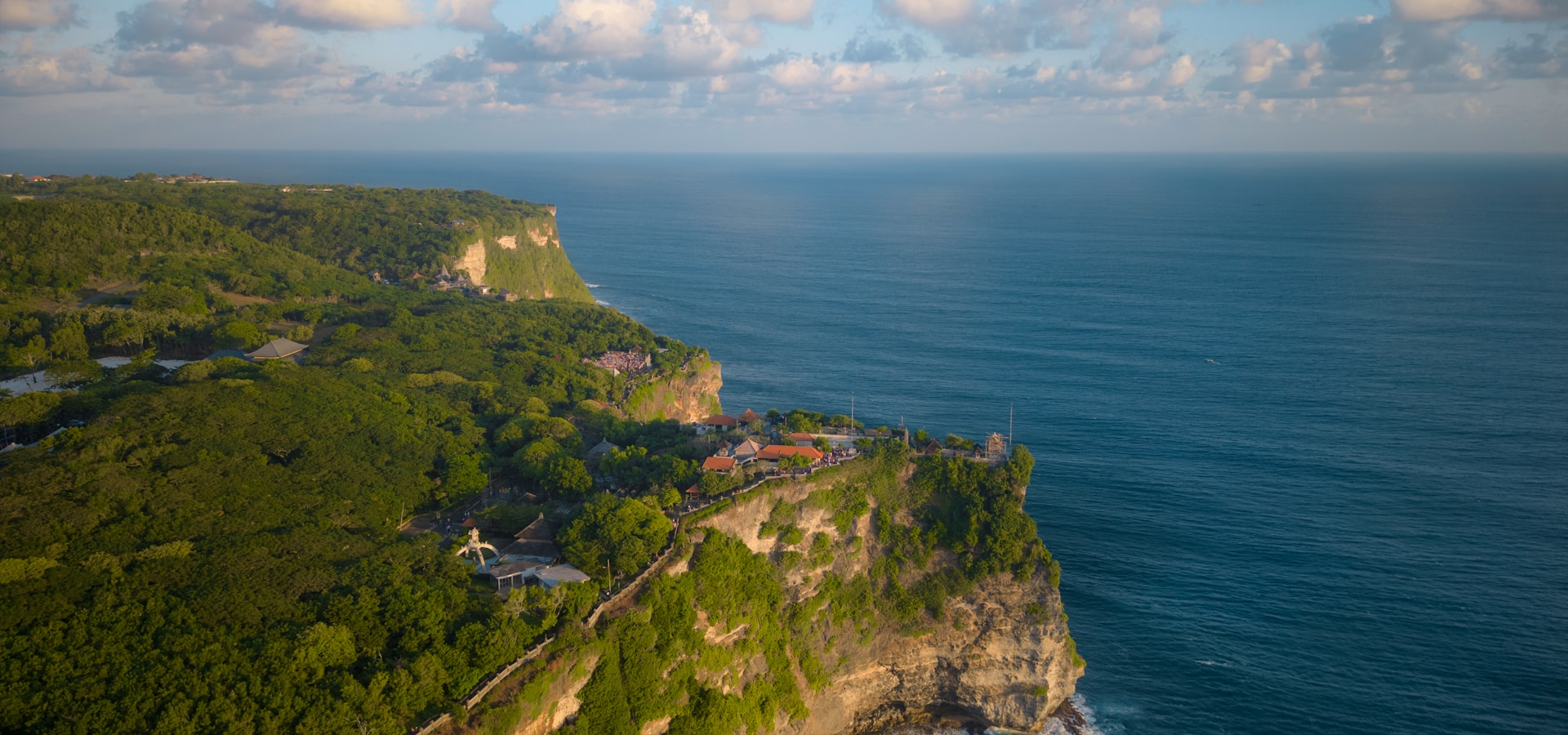
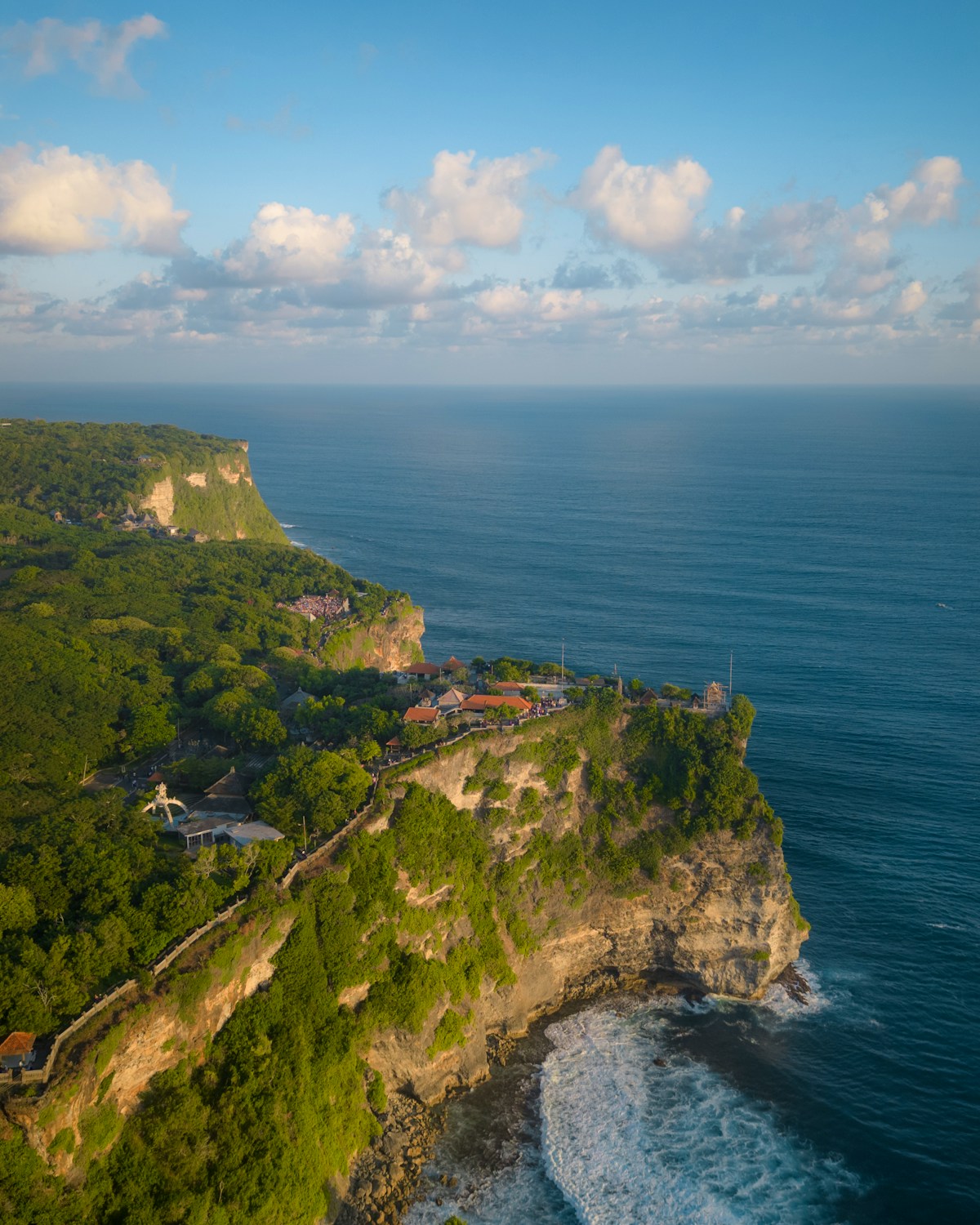
Uluwatu is the marquee. A long left-hand reef on the Bukit cliffs that breaks across four named sections — Outside Corner (advanced, holds 12ft+), The Peak, Racetracks and Temples — with a Hindu sea temple sitting 70m above the lineup. Best on SW swell with E offshores, May to September. Intermediate-to-advanced depending on the section.
Padang Padang is the heavy left-hand barrel that hosts the Rip Curl Cup invitational. Hollow reef, holds head-and-a-half, breaks on bigger swells when Uluwatu maxes out. Advanced only — the wipe-out zone is dry reef on low tide.
Bingin is the short, hollow left-hand reef wedge two beaches up from Padang. Dry-reef takeoff, fast inside section. Intermediate-to-advanced.
Impossibles is the long racing left between Padang and Bingin — multiple sections that occasionally link on a good swell. Intermediate-to-advanced.
Canggu is the intermediate hub: three sand-bottom beach breaks — Old's Man, Berawa and Echo Beach — that work on most swell directions. Sand-bottom A-frames, all skill levels covered. Beginner-to-intermediate.
Kuta Beach and the offshore Kuta Reef form the original tourist learner zone — sand inside, intermediate-friendly reef offshore. Beginner-to-intermediate.
Keramas on the east coast is the marquee dry-season alternative — a fast right-hand reef wave that has hosted the WSL Championship Tour. Intermediate-to-advanced.
Medewi in west Bali is the long peeling left-hand point — the mellow longboard option, two hours from the airport. Beginner-to-intermediate. Balangan and Dreamland round out the Bukit menu when the marquee breaks crowd up.
When to surf Bali: month-by-month
Bali sits in the southern hemisphere, so the seasons run inverse to Europe. May to September is the dry-season prime window: 4–12ft SW Indian Ocean swell stacks onto the Bukit, E trade winds blow offshore at Uluwatu and Padang, and the outer reefs hold 15ft+. June, July and August are the biggest months — and the most crowded. April and October are the shoulder: cleaner lineups, 3–6ft swell, slightly less consistent winds. November to March is the wet season — the Bukit gets onshore, but the east coast wakes up: Keramas and Sanur fire on Pacific swell with W offshores, water stays 28–29°C, and rain arrives in afternoon bursts rather than all-day systems. December and January are the wettest months at 18–20 rainy days, but mornings often glass off before storms build.
Where to stay in Bali
Uluwatu and the Bukit (Pecatu, Bingin, Padang) is the dry-season basecamp — cliff-top warungs, scooter-distance to six reef breaks, and sunset crowds at Single Fin. Higher prices, narrower beaches. Canggu is the all-rounder: walkable cafes, three intermediate breaks within 5km, and the densest cluster of surf schools and board rental shops on the island. Best for first-time visitors and intermediates. Sanur on the east coast suits wet-season trips — calm reef-protected beach, easy 20-minute drive to Keramas, and quieter nights than Canggu. Medewi in west Bali is the budget longboard option — basic guesthouses on the point, two hours from the airport.
How to get to Bali from Jakarta
Denpasar Ngurah Rai International (DPS) is Bali's only airport. Hourly domestic flights from Jakarta on Garuda Indonesia, Lion Air and AirAsia take 1h 50min and run US$45–US$120 one way. From the airport, Uluwatu and the Bukit are 30 minutes by car, Kuta 15 minutes, Canggu 50 minutes, and Keramas 1 hour. Most surfers rent a scooter once on the island — Rp 60,000–100,000/day (around US$5–US$7) — or hire a driver for Rp 600,000–800,000/day. Grab and Gojek apps work for in-town rides at metered rates, and most homestays will arrange airport pickup for Rp 250,000–400,000.
Surf culture in Bali
Five operators anchor the lesson scene: Rip Curl School of Surf Bali, Pro Surf School Bali in Kuta, Endless Summer Bali, Odysseys Surf School in Canggu and Surfwg at Keramas — useful reference points whether you book with them or paddle out independently. Lessons run US$25–US$45 for a 2-hour group session, and board rentals sit at US$5–US$10/day for soft-tops, US$15–US$25 for performance shortboards.
A word on the lineup: Bali's daily Hindu canang sari offerings — small palm-leaf trays of flowers and rice — appear on the cliff temples above every Bukit break, and you'll see them on dashboards, scooter seats and shop entrances. Step around them, never on them. Temple ceremonies (odalan) close beaches occasionally — locals will tell you in advance, and the Indonesia Tourism board publishes the major dates. Reef cuts are the most common Bali surf injury; pack antibiotic ointment and wear booties at Uluwatu, Padang and Bingin. Drowning incidents happen at Echo Beach and Canggu in big surf — surf inside the flagged areas if you're not confident.